
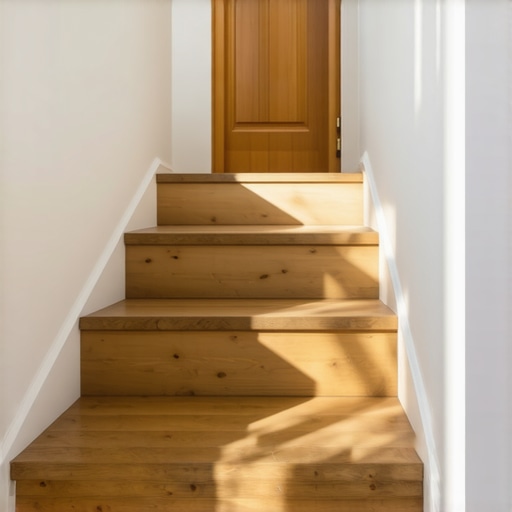
I remember the moment when I stepped onto my aged deck stairs and felt that uneasy wobble—like any small misstep could send me tumbling. It was a lightbulb moment that made me realize how critical sturdy, well-designed stairs and landings are for not just safety, but also for enjoying my outdoor space with confidence. If you’ve ever faced a similar worry, you’re not alone. Many Needham homeowners underestimate the importance of proper deck stairs and landings until it’s a close call or visible damage makes it unavoidable.
Why Healthy Deck Stairs Matter More Than You Think
For those of us who love to host family barbecues or simply unwind on our decks, stability and safety are non-negotiable. Yet, issues like rotting stringers or loose landings are common pitfalls, especially in our changing weather. A shaky staircase isn’t just an annoyance; it’s a real hazard. According to the Centers for Disease Control and Prevention, falls from decks are among the leading causes of home-related injuries. If you’ve ignored the foundation or the steps’ integrity, it might not be a matter of if, but when, you’ll face a costly repair—and possibly danger.
But here’s the good news: with some know-how, you can prevent these issues from blooming into full-blown disasters. I’ll walk you through what to look for, when to call in professionals, and how to approach upgrades smartly. Trust me, a little effort on the front end makes a massive difference—your safety, your home’s value, and your peace of mind all thank you.
Is Getting a Fancy New Landing Really Worth It?
Initially, I thought upgrading my deck stairs was an unnecessary expense. But after researching the latest trends and materials—like curved designs and durable composites—I realized I was missing out on style and longevity. If you fear that replacing your stairs or landings is too costly or complicated, I understand that concern. I made the mistake early on of underestimating the importance of quality materials and proper installation techniques, which led to quicker deterioration.
Don’t let hidden flaws sabotage your outdoor haven. In the upcoming sections, I’ll share practical tips and insider insights so you can confidently plan or improve your Needham deck stairs and landings. Ready to get started? Let’s ensure your deck stands tall and safe for many summers to come.
Assess Damage Thoroughly Before Starting
Begin by inspecting your deck stairs and landings for loose or rotting components. Focus on the stringers, treads, and supports—these are the backbone of your structure. Use a pry bar to test for looseness and look for visible signs of deterioration like cracks or mold. I once neglected a small crack in my landing, which quickly worsened after a harsh winter. This real experience taught me to check basic joints and supports carefully to prevent bigger problems later.
Remove Old, Damaged Materials Carefully
Remove loose balusters, rotten treads, and unstable supports with a pry bar and saw. Be methodical—do not rush, as this prevents accidental damage to surrounding areas. When I replaced my staircase, I snapped a few nails and scratched the wood, but it was worth the effort to clear space for solid new parts. Proper removal prevents interference with new materials and ensures a long-lasting repair.
Select the Right Materials for Your Needs
Decide between pressure-treated wood, composite, or exotic hardwoods based on your climate and maintenance preferences. For sunny Needham yards, heat-resistant composites like these options are ideal. I opted for composite because it handled our harsh winters better, and I didn’t want to repaint or seal every year. Choosing high-quality, weather-resistant materials now saves time and money in the long run.
Ensure Proper Measurement and Planning
Measure the width, depth, and height of your stairs and landings accurately. Draft a detailed plan—this acts as a blueprint, reducing guesswork during installation. I used a tape measure and a level, and double-checked all measurements before purchasing materials. A precise plan helps avoid costly mistakes and ensures that your stairs will meet safety codes.
Install Support Supports Securely
Begin with the stringers—these support the treads and risers. Use a level to ensure they are plumb and fixed into solid ground or concrete footings. For added stability, anchor stringers with metal post brackets. During my project, I used galvanized screws and met my local building codes to prevent rust or failure. This foundation is critical to prevent wobbling or collapse.
Attach Stringers and Treads Properly
Secure the stringers to the supports with heavy-duty screws or bolts—avoid nails, as they loosen over time. Attach treads on top, ensuring they are flush and level. I made sure every screw was tight and checked the stability after each step. Proper attachment prevents squeaks and wobbling, extending your stairs’ lifespan.
Finish with Safety and Aesthetic Details
Install handrails, balusters, and non-slip strips where necessary. For a modern look, opt for hidden fasteners that provide a sleek appearance. I painted my stairs with durable, weatherproof paint to match my home’s exterior—making the repair both safe and visually appealing. Don’t forget to check local code requirements for handrail height and baluster spacing to keep your project compliant and safe.
Maintain Regularly to Extend Lifespan
Schedule routine inspections twice a year, especially after severe weather. Clean your stairs with gentle soap and water to prevent mold buildup—refer to this guide for tips. Re-seal wooden components periodically using weatherproof sealants. Regular care prevents minor issues from becoming major repairs, saving you money and ensuring safety.
Applying these concrete steps, like my experience with fixing a wobbly landing, will reinforce your deck’s safety and aesthetic appeal. Solid planning, quality materials, and diligent maintenance are the keys to lasting results.
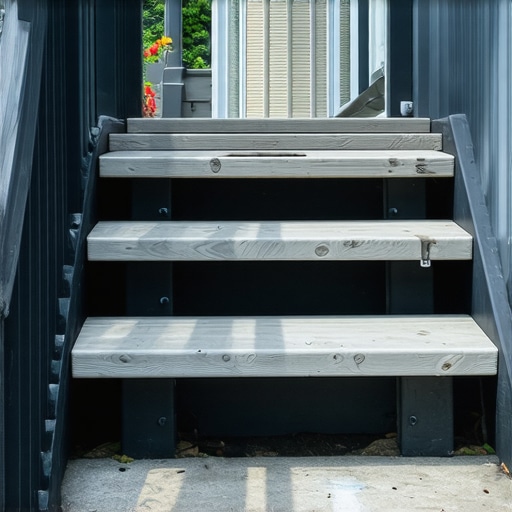 Many homeowners believe that choosing any local deck builder guarantees quality results, but in my experience, this oversimplifies a complex process. One common misconception is that all contractors have similar expertise; however, the nuances of materials, design trends, and safety standards demand specialized knowledge. For example, understanding the advancements in heat-resistant composite materials can significantly enhance a deck’s durability in sunny Needham yards. Relying solely on price or generic advertising often results in subpar outcomes, such as poorly installed supports or overlooked weatherproofing, leading to costly repairs down the line. It’s essential to dig into a contractor’s experience with specific projects, like trending curved designs or integrating modern lighting solutions, which demonstrates their versatility and technical skill.
A trap many fall into is assuming that the latest trends automatically qualify a builder as competent. For instance, upgrading to outdoor kitchen integrations or stylish railing systems requires not only aesthetic sense but also structural expertise. An experienced builder will know how to balance form and function, avoiding pitfalls like inadequate support for heavy features or non-compliance with local codes.
From a safety perspective, misunderstood or neglected nuances can lead to dangerous outcomes. For example, overlooking load limits, such as those for hot tubs or heavy furniture, can compromise the entire structure. My advice? Always verify a builder’s understanding of critical safety standards and their methodical approach to inspections and certifications.
Have you ever fallen into this trap? Let me know in the comments. Remember, choosing an expert is about more than just ticking boxes—it’s about trusting someone who understands the subtle details that ensure your deck’s longevity, safety, and style. For strategic guidance, consider exploring resources like the red flags to watch for in 2026 or tips on evaluating their previous work.
How Do I Maintain My Deck Over Time? Effective Tools and Methods
Keeping a deck functional and beautiful requires more than just occasional inspections; it demands the right set of tools and a consistent maintenance routine. In my experience, investing in specialized equipment simplifies tasks and ensures long-term durability. For example, pressure wash systems like the Kärcher Electric Pressure Washer have been game-changers for me, allowing me to safely remove dirt and stains without damaging the surface. Regular cleaning with such equipment prevents mold buildup, which can accelerate wood rot and deterioration. When I notice my deck stains fading or mold returning, I turn to gentle yet effective cleaning solutions detailed at this guide to avoid causing harm to the wood fibers.
Another essential tool is a quality deck inspection mirror. It enables a close-up investigation of hard-to-see areas like beneath the ledger board or hidden joists, revealing early signs of decay or pests, which is critical for preventative maintenance. Pairing this with a good digital moisture meter helps monitor dampness levels, especially during wet seasons—preventing issues like frost heave or hidden rot that often go unnoticed until they cause significant damage.
For winter upkeep, I rely heavily on a lightweight snow removal shovel designed specifically for decks—those with flexible edge and non-abrasive blades. When combined with expert snow removal tips, it minimizes risk of surface scratches or support damage. Protecting your deck during snow and ice seasons can prolong its lifespan by avoiding structural stresses caused by ice expansion or heavy snow accumulation.
To preserve the appearance, I recommend using a high-quality weatherproof sealant every 1-2 years. Applying it with a foam brush or sprayer ensures even coverage without excess buildup. This practice forms a barrier against moisture infiltration and UV damage—factors that significantly undermine the deck’s integrity over time. For insights into color-matching with your home, check out this resource.
Looking ahead, I believe the trend in deck maintenance tools is heading towards automation. Smart sensors that monitor moisture or structural stress and connect via Bluetooth to your devices could become standard. Such innovations will allow homeowners to receive real-time alerts and schedule maintenance proactively, saving money and avoiding unexpected failures.
How do I keep my deck running smoothly over time?
The key is regular inspections using a combination of these specialized tools—pressure washers, inspection mirrors, moisture meters—and proactive care like sealant application. Don’t wait for visible damage; early detection is your best defense. Why not try a high-end pressure washer on your next cleaning? It can make a tremendous difference in maintaining surface quality and preserving your investment for years to come.

Prompt: Close-up of a homeowner using a pressure washer on a wooden deck, emphasizing cleaning process and equipment, with bright outdoor lighting. Alt text: Homeowner cleaning deck with pressure washer, showcasing equipment and surface care, bright sunny day. Title: Effective Deck Cleaning with Power Equipment.
Less Obvious Lessons That Transformed My Deck Experience
One of the most unexpected truths I uncovered was how small details, like the type of fasteners or the way I measured, could make or break my deck project. I learned that rushing through measurements led to misalignments that, years later, required costly fixes. A deeper understanding of local building codes prevented future headaches, and trusting specialized materials paid off immensely. These early missteps became my biggest teachers, fostering patience and precision in every step.
Another insight was the importance of observing the subtle signs of wear and tear. Tiny cracks or shifts in support posts often hint at underlying issues that, if caught early, can save a lot of trouble down the line. Now, I check my deck twice a year with the tools I trust—like moisture meters and inspection mirrors—and I recommend others do the same to stay ahead of problems.
Tools and Resources that Revolutionized My Maintenance Routine
Over the years, I’ve come to rely on specific tools that streamline deck upkeep. A high-quality pressure washer, like the Kärcher model, makes surface cleaning both effective and safe. My inspection mirror reveals hidden rot or pests before they escalate, and a digital moisture meter helps me monitor dampness levels—crucial after storms or winter.
Additionally, I trust weatherproof sealants and paints recommended in guides like this cleaning guide. For smarter maintenance, I’ve been eyeing upcoming innovations, such as Bluetooth-connected sensors that alert me to moisture or structural stress—making proactive care easier than ever.
Make Your Next Move with Confidence and Care
If you’re considering upgrading or maintaining your deck stairs and landings, remember that the small choices you make today build a safer, more beautiful outdoor space for tomorrow. Take your time with measurements, choose high-quality materials suited for Needham’s climate, and stay vigilant with regular inspections. Your deck isn’t just a structure—it’s an extension of your home and lifestyle, deserving of both attention and love.
What simple change did you make that had a big impact on your deck’s safety or appearance? Share your story below and let’s learn together!
This post really hits home for me. Last year, I noticed a wobble when stepping onto my deck stairs, and it turned out the supports had rotted more than I thought. The effort to replace the supports and install new ones was a learning curve, particularly in choosing weather-resistant materials that could withstand New England winters. I found that proper measurement and following safety codes were essential to avoid future issues. Since then, I schedule biannual inspections and use a moisture meter to monitor damp spots, which has been a game-changer.
One challenge I faced was figuring out how to properly anchor the stringers into concrete footings—what tips have others used to ensure those are solid? I’d love to hear more about favorite materials or tools that make ongoing maintenance easier and more reliable.