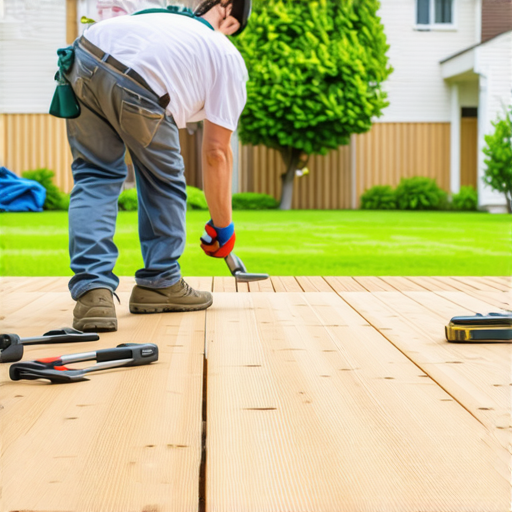
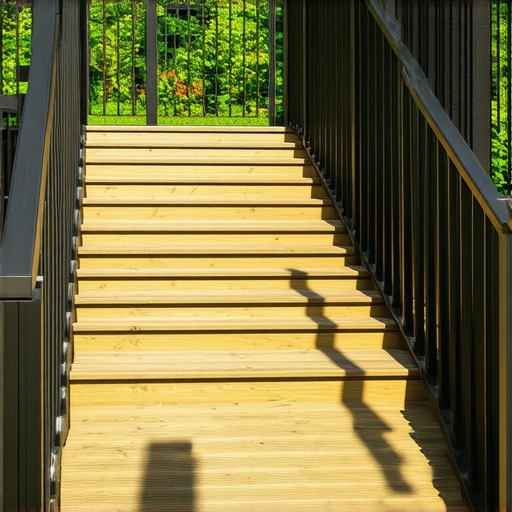
I remember the moment I stepped onto my deck last spring—a beautiful sunny day, the family gathered for a barbecue. As I took a step up the stairs, I noticed something unsettling: one of the handrails was loose, wobbly even. That little issue made me realize how easy it is to overlook safety until it’s almost too late. It was a lightbulb moment—small problems can quickly turn into serious hazards. If you’re like me, you want your outdoor oasis to be both beautiful and safe for everyone.
Your Guide to Needham Deck Stairs and Safety Railing in 2026
Today, we’re going to dive into how you can upgrade your deck stairs and railings to not only improve safety but also boost the visual appeal of your home. Whether you’re considering a complete overhaul or just a few tweaks, understanding the latest trends and best practices for 2026 will make your project a breeze.
Is Your Deck Railing Safe and Stylish? Beware of Common Mistakes
Early on, I made the mistake of simply tightening my old railings without checking their overall integrity. That approach isn’t enough anymore. Modern safety standards emphasize durable materials and proper installation techniques. One common mistake is neglecting to verify whether the fasteners are hidden or exposed—did you know that hidden fasteners can make a significant difference in both safety and aesthetics?
Plus, many homeowners overlook the importance of maintaining the structural integrity of stairs and railings, which can lead to rot or loosening over time. A good rule of thumb is to inspect your deck and stairs regularly, especially after harsh weather. If you’re uncertain, consulting local experts or contractors can save you headaches later. And remember, having the right permits and insurance is non-negotiable—check out the Needham Deck Builders insurance checklist for peace of mind.
In the next sections, we’ll explore practical steps for updating your deck stairs, choosing the best materials, and ensuring your railings meet 2026 safety codes. Ready to turn your outdoor space into a safe, stylish haven? Let’s get started—your family’s safety and your home’s value depend on it!
.
Replace Old Stair Stringers for a Strong Foundation
Start by removing the existing stairs carefully, supporting the structure with temporary bracing. Measure the height and depth precisely, then cut new stringers from pressure-treated wood or composite as per your preference. When installing, ensure the stringers are perfectly aligned and securely anchored to the deck and ground. I once used a laser level during my project to guarantee perfect symmetry, which paid off by preventing wobbling issues down the line.
Choose the Right Materials for Durability and Safety
Select materials that resist rot and weathering, like composite or cedar, especially in Needham’s humid climate. For pressure-treated wood, I opted for the best pressure-treated pine, which can last up to 15 years with proper sealing. To deepen your understanding of the options, check out pressure-treated decks in 2026. Avoid cheap alternatives; investing in quality materials now saves money on repairs later.
Install Sturdy Railings Following Code Standards
Modern safety codes demand railings that are at least 36 inches high with balusters spaced no more than 4 inches apart. Use new hardware, such as hidden fasteners, to enhance aesthetics and prevent corrosion. During my recent renovation, I learned that hidden fasteners provide a cleaner look and improved safety—no protruding screws to snag clothes or injure hands.
Secure the Handrails Properly for Long-Term Safety
Attach handrails firmly to the posts with corrosion-resistant brackets. Consider wrapping metal brackets with wood caps for a seamless look. I used a power drill to ensure tight fastening, which eliminated wobbling. Test the stability by applying force; if there’s any movement, tighten or reinforce connections immediately. For a comprehensive approach, review updating old railings for modern safety and design enhancement.
Check Your Work Against Safety Standards
Use a tape measure and a level to verify railing height, baluster spacing, and stair dimensions. Make adjustments where necessary. Remember, well-installed railings are your first line of defense against falls. After installation, I always recommend testing the setup by gently leaning or applying pressure—it’s better to find issues now than after an accident. For detailed safety compliance tips, see Needham safety inspections.
Seal and Protect Your Newly Built Stairs and Railings
Finish with a weatherproof stain or sealant suitable for your material. I used a clear waterproof sealant that allowed the natural wood grain to show while adding protection. Reapply every 2-3 years or as recommended, especially after harsh winters. Proper sealing prevents rot, extends lifespan, and maintains the aesthetic appeal. For specifics on choosing the best sealant, check out best stain options.
Many homeowners assume that choosing a deck builder in Needham is simply a matter of comparing prices or quick recommendations. However, the real expertise lies in understanding the nuanced differences that set professional builders apart from amateurs or generic contractors. A common misconception is that all deck builders adhere to the same standards and practices, but in my experience, there’s a significant gap that can affect the longevity, safety, and aesthetic appeal of your project.
One trap I see frequently is the belief that using the cheapest materials or ignoring the latest code updates won’t compromise safety or durability. This couldn’t be farther from the truth. For instance, while pressure-treated wood remains popular, many overlook the benefits of newer composite options, which offer superior resistance to rot and pests, especially when coupled with proper installation techniques. If you’re interested, check out whether pressure-treated decks are still worth it in 2026 and realize how technology is advancing in this field.
Why the Details Matter in Modern Deck Building
Beyond selecting materials, the secret to a successful project lies in the details—hidden fasteners, proper flashing, and flawless alignment. For example, many overlook the importance of hidden fasteners, which not only improve aesthetics but also prevent protrusions that can cause injuries or damage over time. In Needham, where humidity and seasonal changes are prevalent, these small choices significantly impact long-term performance. To understand why more locals prefer hidden fasteners, review this detailed guide on fastener options.
Another advanced nuance is ensuring your contractor follows the latest safety standards and local codes, which are constantly evolving. Many mistakenly assume that building codes are static, but in reality, they adapt to new safety research and materials. For this reason, engaging with a licensed and insured professional is vital. You can refer to this checklist to verify your builder’s credentials.
It’s also worth noting that the choice of materials influences not just aesthetics but structural integrity. Recent studies, such as those compiled by the American Wood Protection Association, highlight how composite materials outperform traditional wood in resisting moisture-induced decay when properly installed and maintained. This means that your decision on decking material isn’t just about looks—it’s about smart engineering for durability.
Most importantly, do your homework: scrutinize the details, ask about the latest trends, and don’t settle for shortcuts. The small decisions—hidden fasteners, proper flashing, material selection—accumulate into the safety and longevity of your deck. If you’re unsure whether your current or prospective contractor recognizes these nuances, consult comprehensive resources or professionals experienced in Needham’s unique climate and building landscape. Remember, a well-built deck isn’t just about style; it’s about trusting the expertise behind its construction.
Have you ever fallen into this trap? Let me know in the comments.
Essential Tools for Sustainable Deck Maintenance
Maintaining a durable, safe, and attractive deck requires more than just a keen eye; it demands the right equipment and a thoughtful approach. I’ve honed my toolkit over years of working on Needham decks, focusing on tools that offer precision, efficiency, and longevity. A high-quality **oscillating multi-tool** stands out as a must-have. Its versatility allows me to sand, cut, and scrape tight corners or worn-out paint between the boards without damaging surrounding surfaces. For example, I use the Dremel Multi-Max for delicate tasks like removing old sealant or prepping for new stain, ensuring every detail is handled correctly.
Another invaluable device is a **digital moisture meter** like the Moisture Alert. This tool helps me check for hidden rot beneath the surface—especially critical in climates like Needham’s where humidity can lurk unseen beneath seemingly healthy wood. Regularly measuring moisture levels prevents the development of costly rot or pest infestations, preserving the deck’s integrity over time.
When it comes to cleaning, I prefer an **electric pressure washer** such as the Sun Joe SPX3000. It delivers enough power to remove dirt, algae, and old stain without stripping away healthy wood fibers. After cleaning, I apply a high-quality sealant; for this, a sprayer like the Wagner Control Spray helps ensure an even, efficient application, significantly reducing the risk of lapses that can lead to premature decay.
Beyond handheld tools, investing in **software for project management** can streamline your maintenance schedule. I rely on project management tools like Trello or Asana to set reminders for inspections, resealing, and upgrades, ensuring long-term results. These digital solutions keep my maintenance plan organized and proactive, preventing small issues from escalating into major repairs.
Predicting future trends, I believe automation will make an even greater impact. Smart sensors embedded into decks could monitor moisture and structural shifts in real-time, alerting homeowners before problems become obvious—saving money and increasing safety.
How do I maintain my deck over time?
Consistent inspection is key. Regularly check for loose or wobbly railings, signs of rot or insect activity, and ensure drainage slopes are functioning properly. After harsh weather or seasonal changes, I revisit my tools, especially the pressure washer, to clean and reseal vulnerable areas. Applying a high-quality, UV-resistant stain like the best stain for pine decks every couple of years preserves the wood’s appearance and structural resilience. For especially tricky spots, I follow expert advice from American Wood Protection Association https://awpa.com, which emphasizes inspecting at least biannually and reapplying protective coatings when signs of wear appear. Set reminders with your project management system to stay ahead of deterioration and tackle small repairs before they become costly problems. Take the initiative today: upgrade your maintenance routine with a digital moisture meter or an oscillating tool. Your deck’s long-term performance and safety depend on it!
Lessons Only Seasoned Deck Builders Are Privy To
- My biggest eye-opener was realizing that even seemingly minor hardware choices, like hidden fasteners, dramatically impact both safety and visual appeal—something I uncovered after countless projects.
- I once believed that tightening old railings was enough, but I now see that regular inspections and understanding the latest safety standards are vital—a lesson learned through experience and careful research.
- Waiting until a wobbly stair or loose railing becomes a hazard cost me more than a preventive check ever would; staying ahead of deterioration is truly cost-effective.
- Trusting professional contractors with updated knowledge and proper permits isn’t just about legality; it’s about peace of mind and structural longevity, a philosophy I now swear by.
- Choosing quality materials, like composite over pressure-treated wood, often feels pricier upfront but pays dividends in durability and safety—an insight that transformed my decking approach.
Gear and Guides That Have Changed My Decking Game
- The Needham Deck Builders insurance checklist remains my go-to for vetting pros, ensuring I work with licensed experts who prioritize safety and standards.
- My secret weapon is the latest insights on pressure-treated versus composite decks; understanding these helps me make smarter material choices tailored for Needham’s climate.
- Using a high-quality hidden fasteners guide has transformed my decks’ look and safety, eliminating protrusions and snag hazards—trust me, the difference is striking.
- My toolbox isn’t complete without a durable moisture meter to detect hidden rot, preventing small problems from turning into costly repairs.
Choose Your Moment to Elevate Your Deck’s Future
Now is the perfect time to act—whether it’s upgrading your safety features, refining your materials, or simply giving your deck a fresh look that lasts. Remember, the little details—like proper sealing and secure handrails—not only protect your loved ones but also boost your home’s charm and value. With the right knowledge and tools, you can transform your outdoor space into a safe, stylish retreat that stands the test of time. Don’t wait for problems to show up; be proactive and enjoy the peace of mind that comes with a beautifully built and maintained deck. Your family and future self will thank you for choosing safety and style today!