
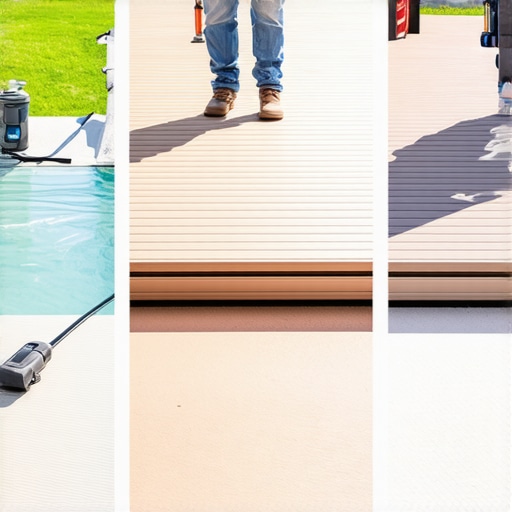
It was a warm spring afternoon when I stepped onto my deck and immediately felt that familiar dampness seeping through my shoes. The worst part? I had just finished staining it the previous weekend. As I looked closer, I realized the water had started to penetrate the wood in areas I had overlooked. That lightbulb moment hit me hard—waterproofing isn’t a one-and-done task; it’s an ongoing commitment that can save your deck from rot, mold, and costly repairs.
If you’ve ever been caught off-guard by a heavy rainstorm that left your deck soaked and vulnerable, you’re not alone. I learned the hard way that neglecting proper waterproofing can turn a beautiful outdoor space into a nightmare of deterioration. That experience motivated me to dig deep and discover the most effective methods to protect my deck, ensuring it stays in tip-top shape for the upcoming seasons.
Today, I’ll share with you three tried-and-true ways to waterproof your deck—all based on personal success stories and practical advice. Whether you’re planning a new build or maintaining an existing structure, these tips will help you keep your outdoor sanctuary dry, safe, and deck-ready for 2026 and beyond.
Why Water Resistance Should Be Your Top Priority Each Year
Decks are exposed to the elements year-round—rain, snow, humidity, and even occasional sun damage. Without proper waterproofing, these climate factors can cause wood to swell, warp, and eventually rot. According to the University of Massachusetts Amherst, untreated decks subjected to moisture can deteriorate significantly within just a few years, costing owners thousands in repairs.
But it’s not just about preventing rot. Waterproofing also preserves your deck’s appearance, maintains its structural integrity, and extends its lifespan. Think of it as giving your outdoor space a durable armor that withstands constant weather assaults.
If you’re wondering whether waterproofing is worth the effort or if skipping it might save you time initially, consider this: I’ve made the mistake early on of applying a quick sealant without addressing drainage issues or choosing the right sealant for my wood type. The result? Moisture seeped in, and I had to redo the entire process within two seasons. Don’t let that be your story. Proper waterproofing involves more than just slapping on a coat—it’s about understanding your deck’s needs and choosing the right solutions.
To get started on the right foot, you’ll want to understand the various options available, from sealants to under-deck drainage systems. But first, let’s address a common skepticism: “Is waterproofing really necessary if my deck looks fine?”
A Skeptical Look: Is Waterproofing Really Worth the Hype?
Many homeowners think, “My deck looks okay now; do I really need to waterproof it?” Honestly, waiting until damage is visible is a costly mistake. Moisture doesn’t always show itself immediately but can silently weaken your deck over time. Additionally, natural wood can develop cracks and splinters that trap water, accelerating deterioration. Protecting your investment early saves you from expensive repairs down the road. Remember, regular maintenance, like waterproofing, is essential in areas like Needham, where seasonal rain is common. Want more insight? Check out tips tailored for local weather challenges [here](https://deckbuildersneedham.com/why-needham-decks-need-special-treatment-for-new-england-rain).
Now that we’ve established why waterproofing is crucial, let’s explore the specific methods I personally recommend for maximizing deck protection in 2026.
Prepare Your Deck Surface for Optimal Waterproofing
Start by removing all furniture, decorations, and loose debris from the deck. Scrub the surface thoroughly with a deck cleaner—preferably oxygen bleach for safety and efficacy—using a stiff-bristle brush to eliminate dirt, mold, and old coatings. Rinse with a garden hose and let it dry completely, which might take 24-48 hours depending on weather conditions. This deep clean ensures the waterproofing products adhere properly and last longer. During my personal project last summer in Needham, I learned that skipping this step led to sealant peeling within a year, costing more time and money.
Identify and Repair Existing Damage Before Sealing
Inspect your deck for cracks, splinters, or warped boards. Use wood filler or epoxy for small cracks, and replace any damaged or rotten boards to maintain overall integrity. Tighten loose nails or replace corroded screws with stainless steel fasteners to prevent water seepage around fixtures. I once overlooked a loose board and water pooled underneath during a heavy storm, accelerating rot—highlighting how crucial repairs are before waterproofing. Addressing these issues creates a solid foundation that prevents water from finding new entry points.
Pick the Right Waterproof Coating for Your Needs
Select a high-quality, penetrating sealer suited for the type of wood—whether pressure-treated pine, cedar, or composite. For added protection, consider applying a UV-resistant topcoat after sealing to guard against sun damage and fading. When I applied a topcoat designed for Needham’s seasonal climate, I noticed a significant reduction in moisture absorption and surface degradation. Precise application is key: use a roller or brush to get into all joints and edges, avoiding puddles or missed spots. For comprehensive guidance, check out our tips on best sealers for cedar.
Apply Waterproofing Products Properly
Follow the manufacturer’s instructions meticulously—most require two coats for thorough coverage. Wait the recommended time between coats, typically 4-6 hours. Work in dry, mild weather to prevent premature wash-off or uneven curing. For best results, use a paint roller or sprayer; a sprayer can enhance coverage speed but requires careful masking of adjacent surfaces. I experimented with a sprayer last season and learned that practice makes perfect—massive drips could ruin the appearance if not handled correctly. Ensuring even application prevents water infiltration and extends your deck’s lifespan.
Implement Routine Maintenance to Sustain Waterproofing
Annual inspection and touch-up will sustain your deck’s defenses. After heavy rains or storms, check for signs of water pooling or stains indicating sealant wear. Reapply sealer every 2-3 years or when water no longer beads up on the surface. In Needham’s humid summers, keeping up with maintenance reduces the risk of mold and decay. Remember, even the best waterproofing can deteriorate over time, so proactive care is essential to prolong your deck’s vitality.
Many homeowners believe that choosing a deck builder in Needham is simply about selecting the lowest bid or the quickest turnaround. However, this common misconception can lead to costly pitfalls. In my experience, one of the most overlooked factors is a builder’s in-depth understanding of local building codes and climate-specific considerations. For example, a contractor might excel elsewhere but may not account for Needham’s seasonal freeze-thaw cycles, which can severely impact deck longevity if not properly engineered. According to the American Wood Protection Association, decks in colder climates require specialized framing and materials to prevent frost heave damage, yet many overlook this nuance during planning.
Why do so many still get this wrong?
One trap I’ve seen repeatedly is homeowners focusing solely on aesthetics or cost, neglecting the builder’s expertise in structural details and local regulations. Skipping the vetting process for a contractor who understands Needham’s building codes can result in violations, fines, or hazardous structures that don’t pass inspections— issues you can learn to avoid by reviewing our guide on [vetting a deck contractor](https://deckbuildersneedham.com/vetting-needham-deck-contractors-dont-forget-this-one-question). Additionally, many mistakenly assume that all composite and wood materials perform equally across different environments. In fact, some products are more resistant to the local moisture levels and temperature swings, influencing your deck’s lifespan significantly.
Another common advanced mistake is overlooking the importance of integrating your deck design with existing landscape drainage systems. Poor planning here can lead to water pooling and wood rot, which many homeowners only discover after damages occur. The nuance? A deck built without considering the site’s drainage patterns might seem fine initially but can cause long-term issues. For example, ensuring proper waterproofing and install techniques compatible with Needham’s climate can extend your deck’s life, saving you money and frustration in the long run. To dig deeper into this, check out our insights on [building a drainage-aware deck](https://deckbuildersneedham.com/why-needham-decks-need-special-treatment-for-new-england-rain).
Have you ever fallen into this trap? Let me know in the comments. Remember, selecting the right contractor involves more than just surface-level looks or costs; it’s about their expertise in navigating complex local nuances that safeguard your investment.
Maintaining Your Deck with Precision Tools
To ensure your deck remains durable and beautiful year after year, investing in the right tools is crucial. I personally swear by using a high-quality cordless electric sander like the Bosch ROS20VSC. It offers adjustable speed control and a comfortable grip, making surface prep faster and more efficient. For applying sealants and stains, I rely on a Wagner Control Spray Max sprayer. Its consistent spray pattern ensures even coverage, reducing the chance of missed spots or drips. Don’t overlook sturdy brushes and rollers—I’ve found that a 3-inch synthetic brush allows precise application into tight corners, which is vital for thorough waterproofing.
Maintaining your tools is equally important. Clean brushes and sprayers immediately after use, and store power tools in a dry, dust-free environment to prolong their lifespan. Regularly replace worn-out sandpaper and check your spray tips for clogs, ensuring your equipment performs optimally over time.
Adopting Long-Term Protective Measures
Beyond initial waterproofing, implementing a scheduled maintenance routine is essential. Personally, I mark my calendar to inspect my Needham deck every spring and fall. During these inspections, I look for signs of wear or damage—such as surface cracks, loose fasteners, or areas where water beads less effectively. Addressing these issues early can prevent costly repairs down the line.
Applying a penetrating sealant every 2-3 years significantly extends the life of your deck. I prefer using a product like Behr Premium Waterproofing Wood Finish because it soaks into the wood grains, providing deep protection against moisture ingress, as highlighted by industry experts. Additionally, installing solar-powered LED deck lights with timers not only enhances aesthetics but also helps monitor deck conditions at night, making spot repairs easier before problems escalate.
Planning to Scale or Upgrade Your Deck?
If you’re thinking about enlarging your outdoor space or adding features, thorough planning is critical. Consult professional deck engineers and consider future load requirements and climate resilience. For example, incorporating adjustable decking height or modular components can facilitate easier upgrades. Remember, a well-maintained deck not only looks inviting but is also safer and more resilient against the harsher weather conditions Massachusetts can throw your way.
How do I keep my deck working effortlessly over time?
Focus on regular inspections and prompt repairs, use the right high-quality tools like sprayers and sanders, and apply trusted sealants at recommended intervals. By adopting these practices, you’re investing in the longevity of your deck, reducing long-term costs, and maximizing your outdoor enjoyment. Ready to elevate your maintenance game? Try integrating an advanced waterproofing spray application for the next season. For expert insights tailored to Needham specifics, check out our article on local weather considerations.Over the years, I’ve realized that the most crucial lesson in maintaining your deck isn’t just about applying sealants — it’s about developing a vigilant eye for subtle signs of wear and understanding the long-term effects of local climate conditions. One lightbulb moment happened when I noticed tiny, almost invisible cracks forming after a harsh winter, a stark reminder that even minor issues can escalate if left unchecked. Staying proactive with routine inspections and repairs has made all the difference in extending my deck’s lifespan, especially here in Needham where seasonal fluctuations can be brutal. Embracing a mindset that treats waterproofing as a continuous process rather than a one-time task has transformed how I care for my outdoor space. Remember, it’s those small, consistent efforts that safeguard your investment and keep your deck inviting for years to come.