![5 Warning Signs Your Needham Deck Needs Repair [2026 Checklist]](https://deckbuildersneedham.com/wp-content/uploads/2026/03/5-Warning-Signs-Your-Needham-Deck-Needs-Repair-2026-Checklist.jpeg)
It was a bright Saturday afternoon when I stepped onto my deck, only to notice a slight wobble under my foot. My heart sank. That small creak felt like a red flag that I had been ignoring for too long. Later that day, I realized that my precious outdoor space, which I loved for relaxing and hosting friends, was actually crying out for help. If you’re like me, you probably had that lightbulb moment—where you see a tiny crack or feel instability, and suddenly your mind races with worries about safety, costs, and the future of your backyard oasis.
Why Ignoring a Wobbling Deck Can Lead to Costly Repairs
Spotting the first signs of trouble early is crucial. I learned the hard way that neglecting these warnings can turn a simple repair into a major expense, not to mention safety risks for you and your loved ones. In 2026, considering the advancements in materials and techniques, it’s smarter than ever to stay proactive. Think of your deck as an extension of your home—the more you nurture it, the longer it will serve you well. Trust me, I’ve been there, and I don’t want you to repeat the mistakes I made by putting off inspection and repairs.
Is it really worth the fuss to fix minor issues?
Early mistakes—like ignoring a loose railing or minor rot—can escalate quickly. I once brushed off a small stain on my deck, assuming it was just weathering. Turns out, that tiny area was rotting from within, costing me more time and money in repairs. It’s a common mistake to think small problems will go away. According to experts at the Needham Deck Cost Guide, addressing issues promptly can save you hundreds, if not thousands, in the long run. So, if you’ve noticed a wobbly railing, loose boards, or discolored patches, it’s high time to take action.
Ready to learn how to spot those warning signs before they turn into disasters? Let’s dive into the key indicators that your Needham deck needs some serious TLC, starting with how to identify if your wood is weakening and what exactly to look for under the surface.
Assess the Damage Thoroughly
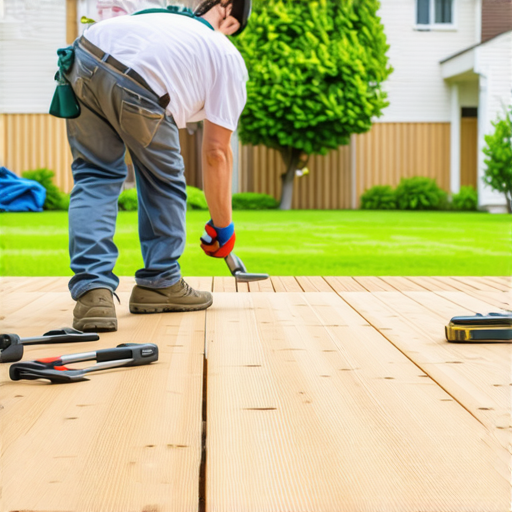
Start by inspecting your deck in natural light and use a tape measure to check for movement or unevenness. Grab a pry bar and gently test the stability of individual boards and railings. I once used a hammer to tap around the posts, noticing when some shifted slightly—this was my first clue. Document every loose or hollow-sounding part to prioritize repairs. If you find rotting wood, softened spots, or noticeable gaps, don’t delay—these are signs of deeper issues that can worsen quickly.
Identify Weak Posts and Joists
Use a level to identify sagging sections or unevenness across the structure. Place the level on horizontal beams; if it tilts, the supports below might be compromised. For posts, try wiggling them by hand; wobbling indicates the connection to the foundation or the post itself is failing. When I discovered my deck’s supporting post was loose, I carefully examined the base—turns out, soil erosion had loosened the anchor. Replacing or reinforcing these supports early prevents further structural damage.
Isolate and Repair the Problem Areas
Once you’ve pinpointed the issues, plan your repairs. For loose rails or boards, tighten screws or replace fasteners with galvanized ones to prevent rust. If rot or insect damage is evident, remove the compromised wood, treating the surrounding area with preservatives like borate solutions to prevent recurrence. For major frame issues, it might involve replacing entire joists or posts, which is complex but crucial for safety. Remember, faulty fixes can lead to expensive repairs later—so take your time and do it right.
Reinforce the Foundations
Check that all posts are properly anchored to concrete piers or footings. If any post has shifted, lift it gently (with help if needed), and re-secure it with new concrete or post anchors. If the soil beneath has eroded, consider adding a gravel bed or concrete footing to stabilize the base. My neighbor’s deck was wobbling because the supporting posts had sunk into loose soil; reinforcing the footings solved his wobble issue permanently, saving him money in future repairs. For detailed costs and considerations, consult the Needham Deck Cost Guide.
Replace or Add Joist Supports
If you notice sagging beams, it’s time to reinforce. Install new joist hangers and sister joists—adding a second joist alongside the older one for extra support. Use metal brackets or clamps for a tight fit, ensuring load distribution is even. I once had to sister a sagging beam under my deck; after securing it with steel plates, the wobbling stopped immediately. Proper support prevents future movement and prolongs your deck’s lifespan.
Seal and Protect to Prevent Future Wobbling
Finish by sealing all repairs with water-repellent stain or sealant. This preserves the wood and helps prevent rot, which often causes instability. Regularly check your deck, especially after heavy rain or snow, as these can accelerate deterioration. Remember, maintenance is ongoing—address minor issues before they escalate, saving significant time and money later.
Many homeowners assume that hiring a local deck builder in Needham simply means finding someone who can assemble a deck based on their specifications. However, this oversimplifies the complex factors that truly determine a successful, durable, and cost-effective deck project. Let’s explore some common misconceptions and subtle nuances that often trip up even the most well-meaning clients.
One prevalent myth is that all contractors are equally experienced and knowledgeable about the latest building standards and materials. In reality, many local builders may lack familiarity with recent advancements like composite decking or innovative reinforcement techniques. For instance, modern materials now offer longer-lasting solutions that resist rot and pests better than traditional wood, but not every contractor keeps pace with these innovations. According to industry experts, integrating the latest materials can add significant longevity and safety to your deck—yet many still opt for outdated methods, which could lead to premature deterioration.
A less obvious mistake homeowners make is focusing solely on upfront costs rather than long-term value. Cheaper bids often seem appealing, but they may come with overlooked hidden expenses. For example, cutting corners on proper foundational support or using inferior fasteners can cause structural issues down the line. A comprehensive understanding of the “Needham Deck Cost Guide” reveals that spending a bit more initially on quality components and proper installation techniques can dramatically reduce future repairs—saving you money and stress.
Why do some decks fail despite professional construction?]
This leads us to a crucial question for advanced homeowners: How does proper project planning influence long-term durability? The answer lies in detailed site assessment, precise load calculations, and adherence to local building codes. Many assume that a well-built deck will last forever, but neglecting factors like soil stability, drainage, and environmental exposure can undermine the structure over time. Expert-level planning involves evaluating these nuances beforehand, ensuring that the deck can withstand local climate conditions, which is especially important in Needham’s fluctuating weather patterns.
Another nuance often missed involves maintenance strategies. Regular inspections and preventative treatments—such as sealing exposed wood and reinforcing support posts—are vital. Homeowners who ignore these subtle care steps risk exposing their decks to rot, insect damage, and structural weakening. Remember, early detection of issues like minor shifting or moisture intrusion can prevent costly repairs and extend your deck’s lifespan.
Navigating the intricacies of deck construction requires more than just selecting a contractor. It demands an understanding of materials, planning, and ongoing maintenance tailored to your specific environment. Do you know if your current contractor truly considers these nuances? For detailed insights and expert advice, refer to the Needham Deck Cost Guide.
Have you ever fallen into this trap of underestimating the complexity of deck building? Let me know in the comments.
Keeping your deck in top shape requires more than just occasional inspections; it demands the right tools and a systematic approach to maintenance. Over the years, I’ve fine-tuned my toolkit to ensure I catch issues early and carry out repairs efficiently, saving time and money while extending my deck’s lifespan.
Invest in Quality Inspection Equipment
My go-to tool is a digital moisture meter, like the
Use Precision Fasteners and Power Tools
When it’s time to tighten or replace hardware, I swear by a cordless drill with adjustable torque settings. I prefer impact drivers with hex bits for quick insertion, but I select galvanized or stainless-steel fasteners specifically designed for outdoor use. Proper fasteners prevent rusting, which is essential for long-term durability. For example, replacing rusted nails with coated screws can markedly improve a deck’s structural integrity over years.
Embrace Software for Project Planning
Planning repairs and upgrades becomes much easier with project management tools like Trello or Asana. I organize my maintenance schedule, document inspection findings, and track repairs. This systematic approach ensures no issue gets overlooked—especially important in multi-year maintenance projects. Recent technology trends show that integrating such tools with 3D modeling software is on the rise, offering homeowners a clearer visual of repair outcomes.
How do I maintain my deck over time?
Establishing a routine inspection schedule, ideally every six months, is critical. Use moisture meters to check for hidden rot, tighten loose fasteners with your impact driver, and keep an eye on environmental factors like nearby plant growth or erosion. Regularly applying water-repellent sealants helps protect the wood and maintain its integrity. Remember, maintenance isn’t a one-time effort; it’s a continuous commitment that pays off by extending your deck’s life and safety.
If you’re serious about long-term results, consider investing in specialized tools like a moisture meter and a good impact driver. These might seem like overkill initially, but they dramatically streamline the maintenance process. For more detailed insights into the costs and best practices, I recommend reviewing the Needham Deck Cost Guide—it’s a valuable resource for homeowners aiming to keep their decks safe and beautiful for years to come.
Ready to upgrade your maintenance toolkit? Start with the impact driver and moisture meter — they will make your repairs more precise and efficient. Try this tip today and experience the difference in your deck’s upkeep!
What I Didn’t Expect About Repairing My Needham Deck
One of the most eye-opening lessons I learned was how seemingly minor issues, like a loose rail or soft spot, can mask underlying structural problems. Ignoring these signs only made repairs more costly and complicated. That lightbulb moment taught me that paying close attention early on can save you hundreds—and maybe thousands—in the long run. The key is understanding that your deck’s safety depends on proactive vigilance and timely action.
Tools and Resources That Turned My Deck Maintenance Around
Trust me, investing in quality tools like a digital moisture meter and a reliable impact driver revolutionized my approach. The Needham Deck Cost Guide became my go-to resource for understanding genuine costs and best practices, making me feel more confident in my repairs. Combining these tools with expert advice helped me extend my deck’s lifespan and ensure it remains a safe retreat for years to come.
Why Taking Action Transforms Your Deck and Peace of Mind
There’s something incredibly empowering about identifying potential issues before they escalate. By regularly inspecting and maintaining my deck, I turned a daunting task into an engaging project I look forward to. If you’re nervous about tackling repairs, remember—every small step you take today builds a safer, more beautiful outdoor space for tomorrow. Your effort today could save you from costly surprises down the line. So, why not start this weekend? Your deck—and your peace of mind—will thank you.