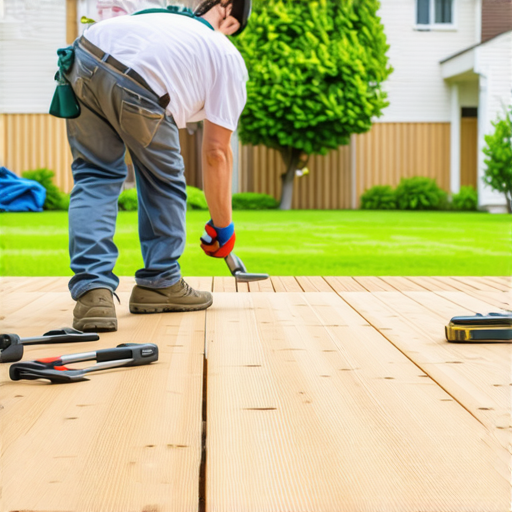
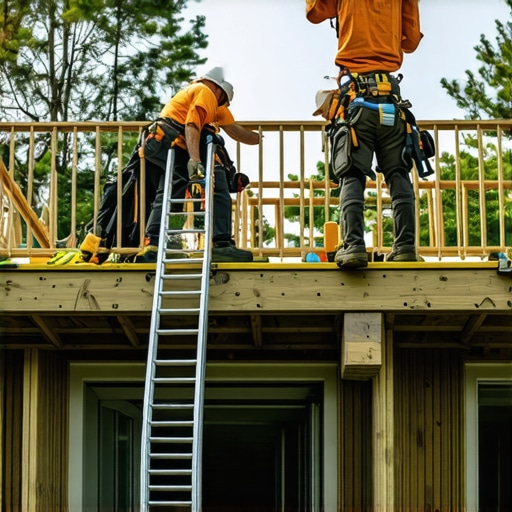
I remember the first time I built a deck for my home. Initially, I was excited—visions of relaxing summer evenings and neighborhood barbecues overwhelmed any doubts. But soon, I faced a sobering moment: a wobbly railing, an uneven surface, and a creeping realization that I might have overlooked crucial safety steps. That lightbulb moment taught me a lesson: shortcuts and missteps can turn a beautiful project into a hazard. If you’re planning your own deck and want to avoid landing in the same trap, then keep reading.
Why Cutting Corners Can Cost You More Than Money
Building a deck isn’t just about aesthetics, but safety as well. Every year, countless DIY enthusiasts overlook key safety protocols, leading to accidents that could have been prevented. I made a critical mistake early on—ignoring the importance of proper anchoring. It seemed minor at the time, but neglecting secure post foundations can cause collapse under heavy loads or strong winds. Not convinced? According to the CDC, falls from decks are among the leading causes of injuries at home, many stemming from structural neglect. Today, I want to share the seven safety mistakes I see most often and, more importantly, how to dodge them.
Will I Really Face Serious Problems If I Mess Up?
Trust me, I’ve been there—initially thinking a few shortcuts won’t hurt. But ignoring safety details like proper flashing or the right fasteners can lead to wood rot, structural failure, and even dangerous collapses. My own oversight with using inadequate fasteners led to a deck that warped in just a few years. Don’t let this happen to you. If you’d like to understand the most common pitfalls and how to prevent them, check out this guide on rot-resistant deck construction. Now, let’s dive into the details so your deck can stand strong and safe for decades to come.
Start with a Solid Foundation
Before lifting a single board, I vividly remember spending an entire afternoon digging and pouring concrete footings for my deck. Use a post-hole digger to make clean, precise holes, then fill them with concrete to ensure stability. Be sure to check local soil conditions because soil type affects footing size and depth; sandy soil needs wider bases, while clay holds better with less excavation. To determine correct footing dimensions, consult your local building codes —you can find the quick process to find your deck’s square footage here. Proper footings prevent settling and guarantee safety, especially in Needham’s varied soil types.When it comes to building decks in Needham, many homeowners rely on common beliefs that may not quite hit the mark. A widespread misconception is that all deck builders are interchangeable—assuming that any contractor with basic carpentry skills can deliver the same quality. In reality, seasoned experts understand the subtle nuances that differentiate a durable, safe deck from one prone to early wear or failure. For instance, the choice of fasteners isn’t just about cost; using stainless steel screws in 2026 is critical to prevent corrosion and ensure longevity, especially given the area’s weather patterns. This might seem trivial, but overlooking such details can turn a beautiful deck into a safety hazard. Many also underestimate the importance of local soil conditions; knowing whether you have sandy or clay-rich soil influences footing design significantly. An advanced mistake is neglecting recent zoning law changes, such as the 2026 updates that allow larger decks in Needham—ignoring these can lead to costly revisions or code violations. It’s not just about building a deck—it’s about understanding and applying these nuanced factors to create a lasting structure. Have you ever fallen into this trap? Let me know in the comments. For deeper insights on foundational best practices, check out how to build a deck that lasts 30 years or more. Remember, precision and awareness of these hidden nuances define true craftsmanship in the world of deck building.
Keep Your Deck Running Smoothly with the Right Tools
Maintaining a deck isn’t just about periodic cleaning—it’s an ongoing process that ensures safety, durability, and aesthetic appeal. Having the right tools at your disposal makes this task more manageable and effective. One essential item I always recommend is a cordless angle grinder fitted with a wire-brush attachment. I use it to clean rusted fasteners and remove old, flaking stain, saving hours compared to manual scrubbing. For reaching those tight corners and under-rail areas, a high-quality extension pole with a microfiber attachment helps eliminate dust and debris without the need for climbing or scaffolding. Investing in an infrared thermometer can also be a game-changer—discerning uneven wood temperatures indicates potential rot or water damage early, preventing costly repairs down the line. Whether you’re planning to seal, stain, or repair, these tools make the process efficient and thorough.
Utilizing Software for Precision and Planning
Beyond manual tools, digital solutions play a crucial role in keeping your deck in top condition. I rely on plan-view software like SketchUp to visualize modifications before tackling the physical work. It’s invaluable when installing new post caps or customizing railing layouts. For measuring square footage accurately, which is foundational for estimating staining or sealing quantities, I suggest using dedicated apps linked with your smartphone’s camera. They help avoid waste and ensure even coverage, especially if your deck has unusual angles or multi-level sections. As technology advances, integrating smart sensors that monitor moisture levels and temperature can notify you of compromised areas before deterioration becomes visible. Predicting long-term outcomes with these tools preemptively saves money and enhances safety.
How do I maintain my deck over time?
Maintaining your deck isn’t a one-off task but a continuous routine. Regular cleaning using eco-friendly, non-slip cleaning products helps remove dirt and prevent mold growth. For deep cleaning, I recommend a power-washer with adjustable pressure settings—often, I set mine to moderate to clean without damaging the wood or composite materials. After washing, applying a high-quality, non-toxic stain or sealer protects against water infiltration and UV damage. I prefer using a roller with a long handle for even application, saving on time and ensuring thorough coverage. Additionally, inspecting fasteners and post brackets annually allows you to catch any signs of loosening or rust early; replacing inferior fasteners with stainless steel options can prevent future structural issues. Remember, a well-maintained deck retains its beauty and safety for decades, especially when supported by the right tools and regular upkeep routines.
How do I keep my deck working efficiently in the long run?
Implementing a routine maintenance schedule complemented by modern tools helps extend your deck’s lifespan. Scheduling biannual inspections—preferably in early spring and fall—ensures you catch issues like wood rot, loose fasteners, or water pooling before they escalate. Establishing a checklist for these inspections makes the process systematic. I also advocate for installing solar post caps—featured in this guide—which not only add aesthetic value but also provide illumination and prevent water ingress around posts. Conscientiously cleaning and resealing the surface every 2-3 years preserves its protective barrier. As for tools, maintaining them through proper storage and periodic calibration ensures their longevity and effectiveness. Looking ahead, trends indicate more integration of smart technology—such as moisture sensors and automated cleaning systems—that will further simplify upkeep and boost long-term results.
Make Your Maintenance Routine Stand Out
Test out a professional-grade wire-brush attachment on your cordless angle grinder today—it’s a game-changer for quick, effective cleaning of rusted or old fasteners. Incorporate digital moisture monitoring sensors, and you’ll be surprised at how much easier early detection becomes. Staying proactive with maintenance makes your deck safer and keeps it looking new for years to come. Want to see an example of a perfect long-term maintenance plan? Check out how to build a deck that lasts 30 years or more for in-depth strategies and expert advice.
What I Wish Someone Told Me About Building Safe Decks
One of the most valuable lessons I learned was the importance of patience over haste. Rushing through foundational steps can lead to long-term safety issues that are costly and dangerous. For instance, investing extra time in properly measuring and setting footings prevented future settling problems. I also realized that small details, like choosing the right fasteners—stainless steel over galvanized—can dramatically extend the life of your deck and prevent corrosion. Finally, understanding local soil conditions early on saved me a heap of trouble, as sandy soils require wider footings, ensuring stability. These insider insights aren’t always obvious but are essential for building decks that last and keep loved ones safe.
My Top Picks for Deck Maintenance and Planning Tools
Over the years, I’ve come to rely on specific resources that make deck building and upkeep much smoother. For precise measurements, I trust the [specialized smartphone apps](https://deckbuildersneedham.com/how-to-find-the-square-footage-of-your-deck-fast) that help calculate square footage quickly and accurately. When it comes to aesthetic enhancements, the [solar post caps](https://deckbuildersneedham.com/the-best-solar-post-caps-for-a-modern-look) have transformed my decks into illuminated masterpieces while protecting against water ingress. For inspections, a simple [moisture sensor](https://deckbuildersneedham.com/why-your-deck-stair-stringers-are-rotting-and-how-to-fix-it) can alert me to early signs of rot, saving costly repairs. These tools have become indispensable in maintaining safety, beauty, and functionality.
Building Confidence to Tackle Your Dream Deck
If you’re feeling overwhelmed about starting your deck project, remember that every expert was once a beginner. The key is to start small, focus on foundational safety, and learn from each step. Use the proper tools, lean on trusted resources, and don’t be afraid to seek advice or professional opinions when needed. With patience and preparation, you can create a deck that isn’t just beautiful but a safe sanctuary for years to come. Visualize your ideal outdoor space—then take that first step with confidence. Your future self will thank you for it—and your loved ones will enjoy the safe haven you build today.