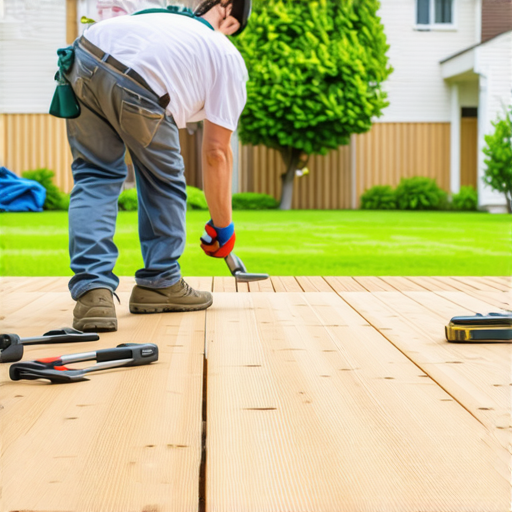
It was a sunny Saturday afternoon when I finally looked out at my worn, squeaky deck and realized something needed to change. Despite spending money on new furniture and lighting, my outdoor space still felt like an underwhelming afterthought. That moment of hesitation—where I almost decided to just replace the whole deck—hit me hard. Why was I overlooking simple upgrades that could make such a massive difference?
Today, I want to share with you the seven small improvements I’ve discovered that genuinely transformed my deck into a beauty and a functional haven. These tweaks aren’t about breaking the bank or ripping everything out; they’re about making smart, practical changes that create noticeable impact. Trust me, I’ve been there—shrugging off minor issues, thinking, “It’s not that bad,” until I realized how much more enjoyable my outdoor space could be.
So, if your deck feels more like a maintenance chore than the relaxing retreat you envisioned, stay with me. We’ll explore practical, straightforward upgrades that anyone can implement, whether you’re tackling your first DIY project or just looking for some fresh ideas.
Why Small Changes Make Big Differences in Your Deck
The truth is, small improvements often get overlooked because they seem insignificant compared to larger renovation projects. But they’re the secret sauce to elevating your entire outdoor area without a hefty investment. From ensuring safety to boosting curb appeal, these quick fixes can change how you experience your backyard. Plus, they increase your home’s value—something every homeowner appreciates.
Early on, I made the mistake of thinking I needed a complete overhaul to see results. Instead, I could have started with simple, targeted updates—like fixing squeaky boards or upgrading railings—that offered immediate satisfaction. According to experts, paying attention to these details not only enhances aesthetics but also prolongs the life of your deck, saving you money in the long run ([source](https://deckbuildersneedham.com/7-common-mistakes-when-building-your-own-deck)).
Ever faced a similar moment of realizing that tiny tweaks could save you headaches and money? If so, you’re in good company. Let’s dive into some of the most effective small improvements I’ve found—and how they can make your deck feel brand new.
Secure Loose Boards
Start by inspecting your deck for any loose or squeaky boards. Use a sturdy screwdriver and replacement screws designed for decking, like coated deck screws, to tighten them securely. I once spent a Saturday fixing a wobbly board in my back corner, which instantly made the whole deck feel safer and more stable. Remember to counter-sink the screws to avoid uneven surfaces and trip hazards. This quick repair can prevent accidents and is a cost-effective upgrade.
Refresh Your Railings
Next, focus on railings. If your deck’s handrails are wobbly or outdated, replace or reinforce them. For a modern look, consider swapping out traditional wood for sleek metal or composite railings. For example, I upgraded my aged wooden railings using a simple post replacement kit I found online; it was straightforward and transformed the entire aesthetic. Be sure to match the railing’s height to local building codes, which you can verify through resources like this planning guide.
Clean and Seal to Protect
Maintaining your deck’s surface is vital. Regular cleaning with a deck-specific cleaner preserves wood health and appearance. I tried cleaning my deck with a mixture of mild soap and water, but after a stubborn mildew stain, I used an IPE-specific cleaner to restore the natural beauty without removing the patina—check out this method. Once cleaned, apply a high-quality sealant or stain—preferably one suited for your climate—to protect against moisture and UV damage. This step prolongs your deck’s lifespan, saving money over time.
Upgrade the Lighting
Good lighting transforms the ambiance. Install solar-powered step lights or string LEDs along the railing for safety and atmosphere. I added affordable LED string lights underneath my railings, which created a warm glow in the evenings. For a seamless look, consider integrating built-in lighting in the railings or steps. Not only does this increase usability, but it also adds a cozy, inviting vibe. Plus, well-lit decks are safer and prevent accidents after dark.
Create a Visual Flow to the Garden
Connecting your deck to the garden can enhance its appeal. Use a stepping stone pathway or a low retaining wall to create a seamless transition. I employed inexpensive pavers to link my deck to the flower beds, which defined space and provided extra seating areas. Visit this guide for detailed ideas on blending deck and landscape into a cohesive outdoor area. It’s about making movement natural and inviting, encouraging use and relaxation.
Add Comfortable Accessories
Finish your upgrade with functional accessories—think weatherproof cushions, hanging planters, or even a portable fire pit. I received a set of affordable, plush cushions that made my deck seats much more comfortable, which meant lingering outdoors longer. Use these small touches to reflect your style and make your outdoor space uniquely yours. They’re easy to add and can be swapped out seasonally, keeping your deck fresh and lively.
When it comes to hiring a deck builder in Needham, many homeowners rely on common beliefs and surface-level practices. But as an expert with years of experience, I’ve seen how these misconceptions can lead to costly mistakes and subpar results. Let’s challenge a few widespread notions and explore the lesser-known intricacies that make a significant difference in your project.
Myth Busting: The Cost of Over-Specifying Features
One prevalent mistake is assuming that adding extra features or using premium materials always guarantees better longevity and aesthetic appeal. While quality is essential, over-specification without proper integration can backfire. For example, installing elaborate lighting or complex railing systems without considering maintenance or climate suitability can result in rapid wear or frequent repairs. An informed approach involves balancing design ambition with practicality, such as referencing matching post sleeves to siding for visual cohesion without sacrificing durability.
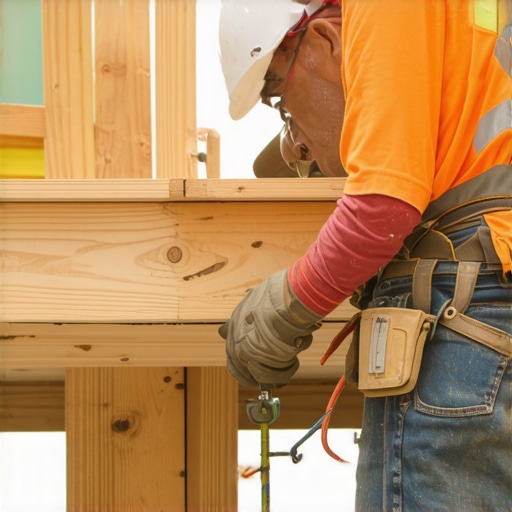
This image illustrates a thoughtfully designed deck railing that marries style with weather-resistant materials, showcasing expert-level detail.
The Oops That Could Cost You Thousands
A common oversight is neglecting proper drainage and foundation considerations. Homeowners often focus on the visible components—boards, paint, and aesthetics—while ignoring underlying issues like insufficient slope or inadequate flashing. These mistakes can lead to wood rot, foundational shifts, or even safety hazards over time. An advanced mistake to avoid is failing to incorporate gutter systems and moisture barriers, which protect your investment from long-term damage. Recognizing and correcting these nuances can save thousands of dollars and extend your deck’s lifespan considerably.
How Deep Should Your Deck Be Anchored to Support Weight?
If you’re contemplating adding features like hot tubs or multiple access points, understanding structural support is crucial. Many homeowners underestimate the importance of proper anchoring and joist spacing, leading to sagging or even collapse. An expert knows that load distribution isn’t just about using heavy-duty materials but also about precise engineering—often requiring consultation with structural specialists. Before starting, review structural guidelines and best practices to prevent costly mistakes down the line.
Have you ever fallen into this trap? Let me know in the comments and share your experience. Recognizing and avoiding these hidden pitfalls ensures your deck not only looks fantastic but also stands the test of time. Remember, a professional touch combined with deep knowledge is the secret to a truly exceptional outdoor space.Maintaining your deck over time requires the right tools and a consistent routine to ensure safety, durability, and aesthetic appeal. Personally, I rely on a set of specific items designed to make inspections and repairs both safer and more efficient. A high-quality digital moisture meter, like the Protimeter MMS2, helps me quickly assess wood moisture levels—crucial since moisture is the main enemy of deck longevity. When it comes to cleaning, I prefer using a powered pressure washer with a variable spray nozzle. Using a pressure washer like the Simpson Cleaning MSH3125 allows me to remove dirt and mildew without damaging the wood, especially after treating an IPE deck to remove stubborn stains ([source](https://deckbuildersneedham.com/how-to-clean-an-ipe-deck-without-removing-the-patina)). For applying sealants and stains evenly, I swear by a high-quality brush and a spray gun. The Graco Magnum airless sprayer, for example, ensures a smooth, professional finish on large surface areas, saving time and effort. Regular inspections with a sturdy flashlight help identify loose screws, cracked boards, or rotting spots early, preventing minor issues from becoming costly repairs.
The Hardest Lesson I Learned About Deck Builders Needham
Over time, I realized that focusing solely on appearance without considering structural details can lead to costly mistakes. Investing in understanding foundational support truly paid off, highlighting the importance of seeing the big picture rather than just surface upgrades.
The Hidden Value of Small Improvements
One unexpected insight was how minor tweaks, like tightening loose boards or upgrading lighting, dramatically transformed my deck’s vibe. These small, targeted actions proved to be the most cost-effective ways to enhance safety, durability, and ambiance, reminding me that big results often start with simple steps.
What Professionals Won’t Tell You About Your Deck Design
I learned that trusting initial impressions can be misleading. For example, choosing decorative features without considering maintenance or climate impact led to early wear. Listening to expert advice and understanding the nuances of material choices are key lessons that can save you time and money in the long run.
My Essential Toolkit for Deck Maintenance
Having the right tools, like a reliable moisture meter, quality pressure washer, and professional-grade sealants, made all the difference. Knowing what equipment to use helped me tackle repairs confidently, ensuring my deck remains beautiful and safe for years to come.
Don’t Wait for Disaster: Recognizing Early Signs of Deck Wear
Early detection of issues like slight warping or loose railings prevented major problems down the line. Regular inspections armed me with the knowledge to address small problems before they became expensive repairs, emphasizing proactive maintenance as a smart investment.
Where to Next in Your Deck Journey
Equipped with these lessons, you can approach your deck project with fresh confidence. Consider exploring ideas like integrating landscaping transitions for a cohesive outdoor space or upgrading lighting for year-round usability. Remember, continuous learning and attention to detail are your best tools for creating an outdoor haven that lasts.