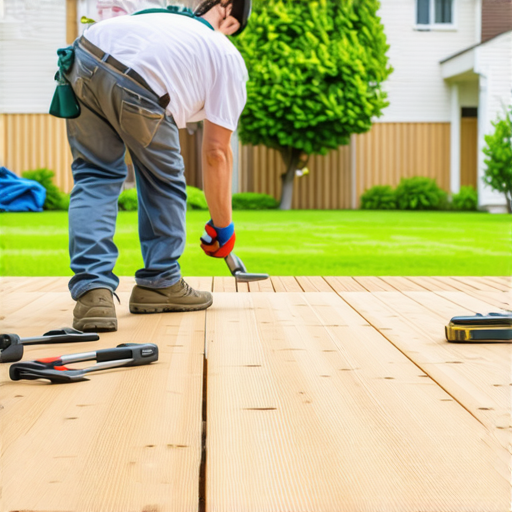
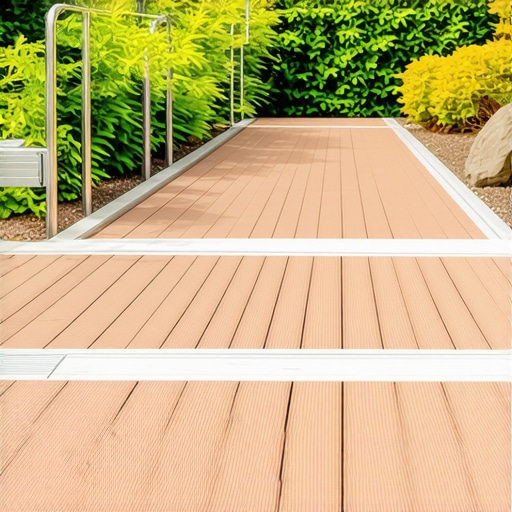
Last summer, I nearly lost a friend because of a simple oversight on my deck. It’s embarrassing to admit, but my beautiful Needham backyard sanctuary was unintentionally creating barriers for some loved ones. One step, one crack, or awkward railing height—suddenly, my welcoming outdoor space felt inaccessible and isolating. That lightbulb moment made me realize how easily a deck, meant to bring us together, can unintentionally push people away. If you’ve ever watched a family member struggle to enjoy your backyard or felt frustrated trying to navigate your own deck, you know this issue hits close to home.
Creating a Needham Deck Everyone Can Enjoy
Today, I promise to share practical and achievable ways to make your Needham deck more accessible. Whether you’re planning a new build or upgrading an existing one, the goal is to ensure everyone—from kids to seniors—can comfortably use your outdoor space. Accessibility isn’t just a legal or moral consideration; it’s about truly making your deck a gathering spot for all phases of life. Keep reading, and you’ll discover how simple adjustments can transform your deck into a welcoming, safe oasis for everyone.
Is Accessibility Overhyped, or Is It Worth the Effort?
At first, I was skeptical—sounds like a lot of work, right? But I made a few early mistakes, like choosing decking materials without considering their slip resistance or failing to plan for a smooth, level surface. According to a recent report from the National Safety Council, falls are among the leading causes of injuries at home, especially for older adults (NSC, 2022). Neglecting accessibility can have real consequences, not just for safety but for family bonding and peace of mind. If you’ve ever dismissed the importance of a railing or thought a little incline didn’t matter, you’re not alone. I’ve been there. But trust me, small changes now can save big headaches later.
Start with a Clear Plan for Accessibility
Gather measurements of your existing deck, noting areas with uneven surfaces, steep slopes, or narrow pathways. Use a tape measure and a level to identify spots that need adjustment. For instance, I once measured a corner where the slope was too steep for wheelchairs, which prompted me to consider ramp installation rather than just leveling the surface.
Install Gentle Ramps Instead of Steps
Replace or add stairs with smooth, gentle ramps to facilitate easy access. Think of this as replacing jagged mountain trails with a smoothly paved path. When I upgraded my deck, I used a ramp with a 1:12 slope—meaning for every inch of height, the ramp extended a foot—to meet standard accessibility guidelines. This transformation made a noticeable difference for a family member with mobility issues.
Choose the Right Materials for Ramps
Opt for slip-resistant decking materials like composite or treated wood to prevent falls. I selected a composite decking that was both durable and slip-resistant, which you can learn more about in eco-friendly decking options. Ensuring the surface isn’t slick in wet conditions is critical for safety.
Level the Deck Surface for Smooth Navigation
Uneven boards or cracks can trip up wheelchairs and walkers. Use a grinder or sander to smooth out rough spots and fill gaps with appropriate fillers. I once spent a weekend sanding down uneven sections, which made a huge improvement in usability. Think of it like flattening a bumpy road into a smooth highway—less effort is required to move across it, and safety is enhanced.
Address Slopes and Elevations
Decide whether to build a ramp or raise the deck to eliminate steep inclines. For sloped yards, consider building a multi-level deck to work with the landscape, as discussed in multi-level deck projects. My experience with a slight slope was initially challenging, but restructuring the deck into supported platforms effectively created flat, accessible zones.
Incorporate Safe and Accessible Railing Options
Replace traditional railings with designs that are easy to grasp and comply with safety standards. I opted for modern railing styles that combined aesthetics with functionality. Remember, sturdy, non-slip handrails along ramps and stairs are vital for support and safety.
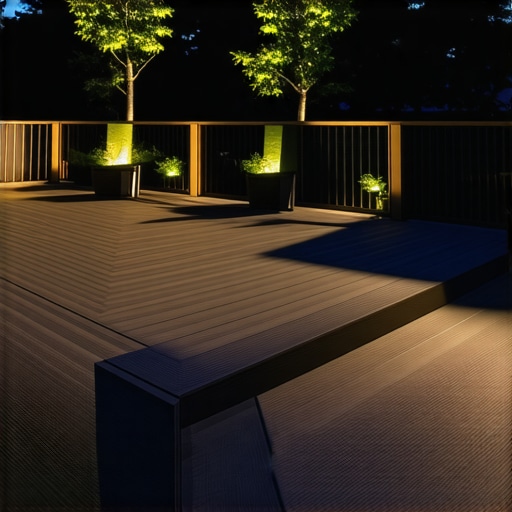
This image illustrates a well-designed, accessible deck ramp with slip-resistant surfaces and sturdy handrails, making outdoor spaces safer and more welcoming for everyone.
Ensure Proper Lighting and Clear Pathways
Good visibility prevents accidents, especially at night. Incorporate smart lighting solutions that illuminate pathways and steps. Keep pathways free of obstructions and wide enough for wheelchairs or walkers. I added motion-activated lights in my backyard, which were surprisingly simple to install and transformed safety after dark.
Plan for Maintenance and Future Adjustments
Regularly inspect your deck for wear or damage that could compromise accessibility. Use easy-to-apply sealants like solid stain treatments to extend deck longevity. Simple checks and proactive repairs ensure your deck remains safe and accessible long-term.
Many homeowners assume that hiring a deck builder in Needham is as simple as picking the first contractor they find or going with the lowest bid. However, this approach often overlooks critical nuances that can affect the quality, safety, and longevity of your deck. One common myth is that all deck builders are equally experienced or licensed—nothing could be further from the truth. In reality, verifying insurance and licensing, such as outlined in the Needham Deck Builders Insurance and Licensing Checklist, can prevent costly problems down the line. Another misconception is that cheaper materials always save money; however, neglecting to consider the specific climate, like the harsh winters in Needham, can result in decks deteriorating faster if they aren’t built with the right eco-friendly decking materials, as discussed in eco-friendly decking options. Often, homeowners focus on aesthetics over structural integrity, assuming that fancy railing designs or trendy finishes compensate for poor foundational work. This is a dangerous oversight, as a well-built, compliant deck must meet safety standards, including sturdy handrails and properly reinforced supports. Advanced builders know that avoiding the trap of cutting corners on permits or ignoring local zoning laws can lead to fines or forced modifications—details underscored in Needham deck zoning laws. One widespread mistake is underestimating the importance of tailored solutions for sloped yards; what seems like a simple flat deck can hide drainage issues or instability. Building a multi-level deck on a slope not only enhances usability but also mitigates issues with drainage drainage, as seen in multi-level deck projects. Advanced homeowners and DIY enthusiasts often overlook DIY pitfalls—like improper fastening or neglecting slip resistance—that can lead to safety hazards. For example, choosing the right decking surface and modern railing ideas not only improves safety but also adds aesthetic value, which you can explore in modern railing styles. Let’s not forget the importance of ongoing maintenance; regular inspections and choosing the appropriate sealants like solid stain treatments are crucial. In summary, understanding the nuances—like verifying credentials, selecting climate-appropriate materials, or planning for sloped landscapes—can save you time, money, and headaches. Do you know what to ask your contractor before signing? If not, this insight could be the game-changer. Have you ever fallen into this trap? Let me know in the comments.
Maintaining a beautiful and functional deck requires not just good design but also the right tools and methods to keep it in top shape over time. Personally, I rely on specialized equipment and proven techniques to ensure my Needham deck remains durable, safe, and inviting every season. Using the right tools can significantly extend the lifespan of your deck, prevent costly repairs, and enhance safety for everyone who uses it.
How do I maintain my deck’s integrity over time?
One of my most valued tools is a high-quality power sander, which I use annually to smooth out rough spots and prepare the surface for sealing. I prefer orbital sanders with variable speeds because they allow me to control the abrasion and avoid damaging delicate areas, especially when working with newer eco-friendly decking materials in Needham. Regular sanding not only maintains aesthetics but also prevents splinters and structural decay caused by moisture infiltration.
Next, I swear by a digital moisture meter that helps me assess the wood’s dryness before sealing or staining. This step is essential because applying a stain or sealant on damp wood can trap moisture, leading to warping or rot. Thanks to precise moisture readings, I ensure each treatment adheres properly, extending the life of my deck.
For cleaning, I employ a pressure washer set to an appropriate PSI—typically around 1000—carefully avoiding damage to the wood or composite surfaces. I especially recommend models with adjustable nozzles that let you target specific areas without overexerting pressure. This technique is excellent for removing dirt, algae, and old finishes, preparing the surface for resealing with solid stain treatments.
In the future, I see smart sensors becoming integral to deck maintenance. These devices can detect moisture levels, temperature fluctuations, and even structural shifts, alerting homeowners to issues before they escalate. Imagine receiving a smartphone notification that your deck’s wood moisture is nearing problematic levels—saving time and costly repairs. Incorporating IoT technology here aligns with the trend of making maintenance smarter and more proactive.
Finally, I recommend maintaining a dedicated checklist for seasonal inspections—looking for loose screws, cracked boards, or rusted fasteners. Simple hand tools like a torque screwdriver, a pry bar, and a cordless drill make the job quicker and more precise. Check out Needham’s checklist for trained deck builders to understand better how professional standards inform effective maintenance routines. Incorporate these tools and methods into your routine, and you’ll keep your deck safe, beautiful, and ready for years to come. Take, for example, the method of using a detailed inspection script combined with a moisture meter—this approach has helped me catch potential issues early, saving money and stress. Why not try implementing one of these advanced maintenance techniques today and enjoy peace of mind about your Needham deck’s long-term health?
The Hardest Lesson I Learned About Deck Builders Needham
- Seeking perfection can sometimes lead to missed safety nuances. I thought focusing on aesthetics alone would suffice, but it became clear that safety features like sturdy handrails and gentle ramps saved my loved ones from potential harm, teaching me that function truly complements form.
3 Myths About Deck Builders Needham That Held Me Back
- I believed all contractors were the same—only to discover that verifying licenses and insurance is vital to avoid shoddy workmanship, as emphasized in Needham’s licensing checklist. Separating the amateurs from the professionals made a huge difference in job quality.
What Experts Won’t Tell You About Deck Builders Needham
- Most overlook the landscape’s influence on deck design. Building a multi-level deck on a slope not only creates easier access but also manages drainage effectively, as highlighted in multi-level deck tips.
My Essential Toolkit for Needham Decks
Investing in a quality orbital sander and a digital moisture meter has transformed my maintenance routine. They help me detect early signs of wear and ensure proper sealing, extending the life of my deck while keeping it safe and beautiful. These tools, coupled with regular inspections, are my go-to for long-term durability.
Books That Changed How I View Deck Safety and Design
Although I rely on hands-on experience, I found literature on eco-friendly decking and safety standards invaluable. These resources deepened my understanding, inspiring more thoughtful upgrades and safer choices in my backyard oasis.
Where to Go from Here
If you’re ready to transform your Needham deck into a space that welcomes all, start by assessing your current setup. Focus on adding gentle ramps, robust railings, and proper lighting—small adjustments that make a significant impact. Remember, building or upgrading your deck isn’t just a project but an investment in meaningful outdoor experiences for your family and friends.
Your Turn to Try
Have you ever experienced a surprising safety challenge with your backyard deck? Share your story below and let’s learn from each other’s journey toward better outdoor living.
Reading this post really hit home for me, especially the part about unintentional barriers on decks. Last year, I added a couple of steps in front of my back door and didn’t think much of it until I saw my elderly neighbor struggling with them during a visit. It made me realize how small design choices can unintentionally exclude loved ones. Since then, I’ve started to think more deeply about accessibility in my outdoor spaces, like replacing those steps with a gentle ramp and adding railings that are easy to grasp. I also learned that proper lighting and smooth surfaces are critical—especially because I have young kids and aging family members who use my deck. What are some common mistakes you’ve seen homeowners make when trying to improve accessibility but perhaps overlook safety or aesthetics? It’s interesting how making design adjustments can truly transform a space into a welcoming environment for everyone.