
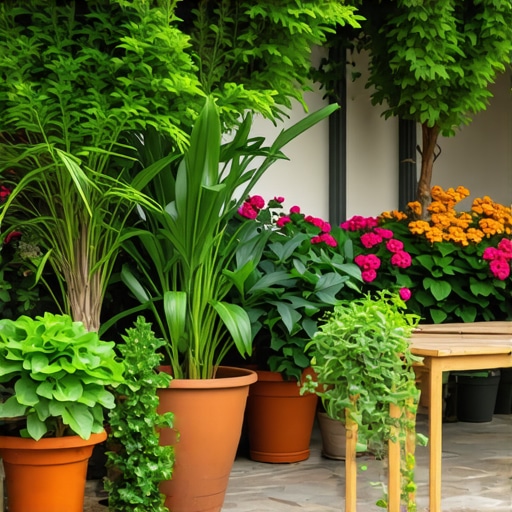
There was a weekend not too long ago when I looked out my back window and realized everyone on the street could see right into my patio. It felt like I was exposed, even in my own little outdoor oasis. That uncomfortable feeling sparked a lightbulb moment for me—why not turn my potted plants into a natural privacy screen? If you’ve ever faced a similar situation, you know how frustrating it can be to enjoy your outdoor space without prying eyes peering in. Today, I’ll share how I transformed my patio with simple, lush greenery, and how you can do the same without breaking the bank or turning your yard into a jungle.
Why a Privacy Screen Matters More Than Ever
In a time when our outdoor spaces are becoming extensions of our living areas, maintaining privacy isn’t just a luxury—it’s essential. Whether you’re hosting family gatherings or just unwinding after a long day, feeling secluded allows you to relax and truly enjoy your environment. Plus, a well-designed privacy screen can add a charming aesthetic to your patio, making it a sanctuary that reflects your personality.
Question: Will My Plants Provide Enough Privacy?
From my own experience, I initially wondered if a collection of potted plants could actually block the view or reduce noise. The answer is yes, but it depends on your choice of plants, their arrangement, and your space’s specifics. Don’t worry; I’ll guide you on selecting the right greenery and setting it up for maximum effect.
But let me admit—I made a rookie mistake early on. I underestimated how much taller and denser my plants needed to be to serve as a true barrier. If you’re curious about common pitfalls and how to avoid them, check out the tips I picked up along the way, such as tailoring plant height and considering the growth habits of your greenery. To ensure your privacy screen will stand the test of time, it’s also worth understanding the impact of local weather conditions, like Needham’s rainy seasons, and how to protect your plants accordingly. For that, I recommend reading about the importance of protecting your outdoor investments from rain.
Now that we know why privacy matters and how plants can be your allies, let’s dive into the practical steps to craft your very own green barrier that invites privacy and beauty into your backyard.
.
Select the Right Plants for Privacy Gains
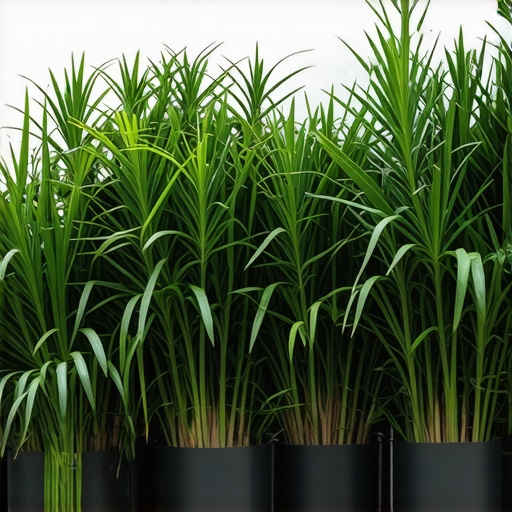
Start by choosing tall, dense plants like arborvitae, bamboo, or ornamental grasses that naturally grow to create a barrier. In my experience, I initially opted for small potted herbs, which looked charming but didn’t provide enough seclusion. I quickly learned to replace these with taller options, like Mediterranean fan palms, for instant privacy.
Container Placement and Spacing
Arrange your pots in a staggered pattern along your patio’s edge, similar to a zigzag fence, to maximize coverage. I experimented with spacing, and found that placing larger pots closer together created a more effective visual barrier. Use matching or complementary pots to enhance aesthetic appeal and stability.
Consider Plant Growth Habits and Maintenance
Choose plants that are fast-growing and low-maintenance to save time and effort. I avoided plants with invasive roots that might threaten nearby structures. Regular watering and fertilizing, especially during the first year, will encourage quick growth. Remember, pruning taller plants will prevent them from becoming unruly and maintain your desired privacy height.
Secure and Elevate for Better Effect
Level your containers on sturdy bases to prevent tipping, especially during storms. Think of it like anchoring deck support beams: stability is key for longevity. Use leveling shims if necessary, which you can find at your local hardware store. During my initial setup, I used leftover bricks to create a stable foundation, which made a noticeable difference in wind resistance.
Enhance Privacy with Climbing Plants
Attach trellises on existing fencing or pergolas to support climbing vines such as clematis or jasmine. This layered approach adds greenery at different heights, like a multi-tiered deck, increasing privacy and aesthetic appeal. I trained a jasmine vine along a lattice, and within a season, it turned into a fragrant green wall.
Protect and Maintain Your Green Barrier
To withstand Needham’s rainy and variable climate, consider waterproofing your containers with sealants or choosing weather-resistant materials. I applied a marine-grade sealant to my pots, similar to deck sealants, which helped prevent rot and weathering. Regular inspection and pruning keep the plants lush and the barrier dense, avoiding gaps that compromise privacy.
Combine Greenery with Additional Barriers
For higher privacy needs, layer your plants behind outdoor screens or fences. Think of these as the framing of your deck—providing structure that supports your lush greenery. Combining natural and structural elements creates a seamless, durable screen that stands strong through seasons.
By following these concrete steps, transforming your patio with a natural privacy barrier becomes an achievable project. The key lies in selecting suitable plants, arranging them thoughtfully, and maintaining them effectively—turning your outdoor space into a secluded retreat without breaking the bank or turning it into a jungle.
Many homeowners believe that hiring a deck builder in Needham is a straightforward process—simply find someone with good reviews and proceed. However, this simplistic view often leads to costly mistakes. Let’s dig deeper into the nuances most people overlook and how understanding these can save you time, money, and frustration. A prevalent myth is that all deck contractors provide similar quality, but the truth is that experience, specialization, and adherence to local codes significantly impact the longevity of your deck. For instance, some contractors underestimate the importance of proper stair stringer support, which is crucial in regions prone to heavy rain like Needham. Overlooking such details can lead to premature rot or structural failure.
Are quotes always reliable? Analyzing the hidden factors behind pricing
Many assume that a low quote indicates a good deal, but often, it masks inferior materials or rushed workmanship. Conversely, high quotes may include excessive markup. It’s vital to evaluate what services and materials are included. When comparing bids, ask detailed questions about the type of wood or composite, fastening methods, and warranties. Also, consider the contractor’s familiarity with innovations like modern staining techniques and weatherproofing suited for the variable climate of Needham. Being informed about the common pitfalls—like neglecting to seal joints properly—can prevent problems down the line.
Another crucial aspect is ensuring your contractor is up-to-date with local building codes and code compliance. Failing to meet these standards might lead to violations or the need for costly adjustments later. One frequent oversight is ignoring proper drainage; neglecting it can cause water pooling, leading to faster decay, especially during Needham’s rainy seasons. Check if your contractor employs best practices, such as installing effective drip edges and proper footing techniques. Remember, a well-constructed deck isn’t just about aesthetics—it’s about durability and safety.
How do you pick the right contractor for lasting quality?
To ensure you select someone capable of delivering a high-quality project, ask for references, photos of completed decks, and proof of insurance. Be wary of contractors who rush the planning phase or push shortcuts, as these often lead to future repair needs. Educate yourself on topics like slippery composite decking solutions or adding outdoor amenities to enhance your deck’s functionality. Remember, investing in a professional with a comprehensive approach minimizes risks and creates a stunning, long-lasting addition to your home.
Finally, stay cautious of contractors who propose one-size-fits-all solutions without understanding your specific needs or site conditions. Regions like Needham demand tailored solutions, considering soil type, climate, and local regulations. For example, properly anchored post anchoring systems are essential for stability in wet conditions. Don’t fall into the trap of assuming that all decks are the same; what works elsewhere might not serve you well here. Do your due diligence—ask critical questions, verify expertise, and prioritize quality over cost. Only then can you ensure your deck stands the test of time and continues to be a source of pride. Have you ever fallen into this trap? Let me know in the comments.Maintaining a durable and beautiful deck requires the right tools and a strategic approach. Personally, I rely on a high-quality power washer like the Simpson Cleaning MSH3125 MegaShot to effectively clean between deck boards, removing debris and preventing mold buildup. Regular cleaning not only preserves the appearance but also extends the lifespan of your deck by preventing rot and decay. Additionally, I highly recommend using a specialty non-slip coating such as the one featured in our recent review on the best non-slip coatings for wood decks in 2026, which significantly reduces slip hazards during Needham’s rainy seasons.
Tool selection is crucial; for instance, a spot paint sprayer simplifies applying stain or sealant evenly over large surfaces, saving time and ensuring consistent coverage. When it comes to repairs, investing in a reliable stair stringer repair kit can be a game-changer—addressing issues early prevents costly replacements later.
How do I maintain my deck over time?
Regular inspections are key. Check for signs of rot or loose fasteners—especially around areas susceptible to moisture accumulation. For example, inspecting and reinforcing your post brackets with proper anchoring techniques, as discussed in our guide on how to anchor your deck posts for maximum stability, safeguards your structure against shifting and sinking. Additionally, keeping your deck free from standing water by ensuring proper drainage protects the wood from water damage. I often use a cordless drill with a sanding attachment to smooth out scratches in composite decking before applying touch-up stain, which keeps the surface uniform and attractive. As technology advances, I anticipate more homeowners will adopt smart sensors that monitor moisture levels and structural integrity, providing proactive alerts and reducing maintenance surprises. For now, I urge you to incorporate a regular cleaning schedule combined with targeted repairs—such as sealing joints properly to prevent water ingress—and you’ll enjoy your deck well beyond the next decade. Give one of these expert-recommended tools a try this season, and experience how proactive maintenance transforms your outdoor space into a lasting retreat.
Lessons from My Green Curtain Journey
One of the most surprising lessons I learned was that patience is key; fast-growing plants like bamboo and arborvitae may seem ideal, but understanding their growth habits prevented future issues like overgrowth or root invasions. I also discovered that layering climbing vines with container plants creates a more robust and dynamic privacy barrier, turning a simple fence into a lush wall of seclusion. Lastly, I realized that maintenance routines, such as regular pruning and weatherproofing containers, are essential to keep this natural screen thriving through Needham’s rain and seasonal changes, ensuring your outdoor space remains private and beautiful year-round.
Tools and Resources that Made a Difference
For a project like this, I rely heavily on a few trusted resources. The guide on deck support stability helped me understand the importance of proper container placement and anchoring, directly enhancing my privacy screen’s durability. I also trust the review on non-slip coatings to keep my patio safe during wet seasons while maintaining aesthetic appeal. Additionally, I find the tips on weather-resistant materials invaluable when selecting containers and plant supports for Needham’s climate. These resources save me time and prevent costly mistakes, allowing me to enjoy my outdoor sanctuary confidently.
Seize Your Outdoor Sanctuary Now
Building a lush privacy screen isn’t just about hiding from prying eyes; it’s about creating a personal retreat that invites relaxation and joy. With the right plants, placement, and maintenance, you can transform your patio into a secluded haven that reflects your style and needs. Remember, every garden—and every home—deserves a space where you feel safe, comfortable, and connected to nature. Now is the perfect moment to start your own greenery-driven privacy project and enjoy the peace of mind that comes with a beautiful, functional outdoor space. Are you ready to turn your yard into your personal sanctuary? Share your plans or ask for tips in the comments below—I’d love to hear how you’re planning to enhance your outdoor privacy.