I remember the exact moment I realized my beautiful Ipe deck was turning into a money pit. It was last summer, under the blistering Needham sun, when I noticed a few splinters and some uneven planks. My heart sank—this wasn’t supposed to happen so soon. That lightbulb moment hit me hard: I had underestimated the true maintenance costs of my deck, especially with 2026 bringing new challenges and expectations.
Building an Ipe deck seemed like the perfect choice—durable, elegant, and a real centerpiece for my backyard. But I learned that durability isn’t enough; maintenance costs and ongoing efforts are just as vital to consider. If you’re like me, you probably thought, “I’ve invested so much already—how bad can the upkeep be?” Well, I’ve got some honest truths to share that might save you from unexpected surprises.
Today, I want to help you understand the real costs involved in maintaining an Ipe deck in 2026. We’ll explore what the common pitfalls are, how much you can expect to spend over the years, and practical tips to keep your deck looking stellar without breaking the bank. Trust me, a little foresight now can save you a lot of frustration—and money—later.
Why Your Nice New Ipe Deck Might Cost More Than You Think
Here’s the thing: Ipe is prized for its hardness and resistance, but even the toughest woods need regular care. In 2026, experts warn that without proper maintenance, your deck can quickly deteriorate, leading to costly repairs or replacements. The harsh New England weather, especially the rain and snow, creates conditions that accelerate aging if you neglect upkeep.
One mistake I made early on was assuming that once I installed my Ipe boards, my only concern would be occasional cleaning. Nope. The reality is that even the best hardwoods need routine sealing, cleaning, and inspections. A study by the [North American Deck and Railing Association](https://decksmagazine.com) emphasizes that consistent maintenance can extend the lifespan of a hardwood deck by decades.
To keep your deck in top shape, you’ll need to budget for sealing every few years, repairs for splintering or cracking, and possibly replacing worn fasteners. And as the years go by, these expenses add up. If you’re planning to keep your deck looking as stunning as on day one, understanding these costs upfront makes all the difference.
Have you faced unexpected repair bills or maintenance headaches with your own deck? If so, you’re not alone. Many homeowners discover that neglecting routine care leads to expensive fixes down the line. That’s why I want to walk you through practical steps to minimize these costs—starting with how to choose the right maintenance routine and materials that suit the changing needs of your deck.
In the next sections, I’ll share my personal experiences and proven strategies to keep your Ipe deck beautiful and functional for years to come. Ready to dive into the real costs and how to tame them? Let’s get started.
Start with a Thorough Inspection
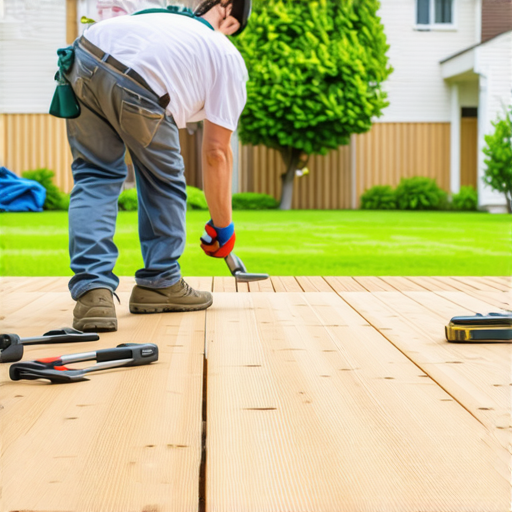
Begin by visually inspecting your deck for loose or splintering boards, rusted fasteners, and signs of water damage. During my first spring after installation, I caught a few fasteners that had corroded, which could have led to dangerous wobbling if left unattended. Tighten or replace these fasteners with durable, weather-resistant options to ensure stability.
Clean the Surface Effectively
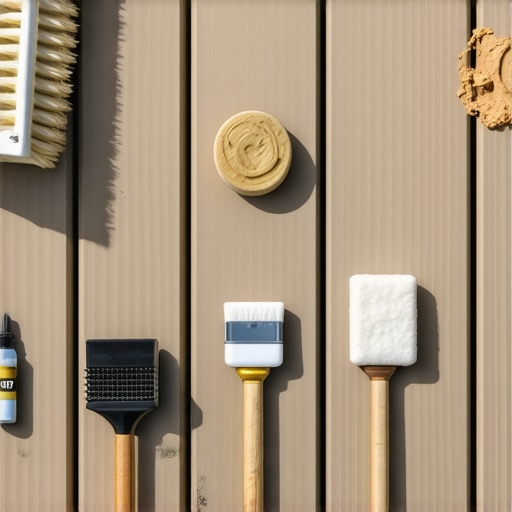
Next, clean your deck meticulously to remove dirt, mold, and algae. Use a gentle cleaning solution compatible with Ipe, like oxygen bleach, to avoid damaging the wood fibers. I once used a harsh pressure washer, which caused splintering; now I opt for a soft-bristled brush and low-pressure rinsing, which preserves the wood and makes future maintenance easier. Learn more about cleaning techniques here.
Plan for Sealing and Staining
Sealing your Ipe deck is crucial, especially given 2026’s weather fluctuations. Choose a high-quality, penetrating sealer designed for dense hardwoods. I recommend applying a semi-transparent stain that enhances the natural grain while providing UV protection. My experience shows that sealing every 2-3 years maintains the deck’s appearance and prolongs its lifespan. If unsure, consult local experts or check Needham-specific maintenance guides.
Apply Sealer Correctly
Apply the sealer on dry, cool days to facilitate absorption. Use a brush or roller for even coverage, especially along the grain. During my last sealing project, I accidentally missed some corners, leading to uneven fading. Now, I systematically work in sections, ensuring full coverage before moving on. Remember to wear protective gear and follow the manufacturer’s instructions for best results.
Address Structural Issues Promptly
If you notice any sagging joists or uneven surfaces, act quickly. Properly leveling the frame can prevent uneven wear and costly repairs later. I once delayed fixing a slight bow in a joist, which resulted in a cracked board after heavy snow. For detailed steps on this, visit leveling your deck frame.
Prevent Future Damage with Protective Measures
Consider installing a protective overhang or using solar vents to control moisture buildup. Regularly sweep debris and inspect for water pooling to prevent mold. For winter, prepare your deck with winterizing tips to reduce frost damage.
Make Upkeep Routine and Stick to It
Create a seasonal maintenance schedule, including cleaning, sealing, and inspecting fasteners. My routine involves biannual checks, which have helped me catch small problems before they escalate. Remember, consistent upkeep preserves your investment and keeps your deck looking pristine for years to come.
Many clients assume that choosing a local deck builder in Needham guarantees flawless results and low maintenance, but in my experience, this is a common misconception. One of the hidden nuances is that not all contractors have the same standards or understanding of local conditions, which can significantly impact your deck’s durability. For example, an expert knows that Needham’s soil type and weather patterns demand specific foundation techniques, such as proper anchoring of posts to prevent shifting over timehttps://deckbuildersneedham.com/how-to-anchor-your-deck-posts-for-maximum-stability. Relying solely on proximity or reputation without verifying technical expertise might lead you to problems like uneven settling or faster deterioration. A prevalent myth is that materials alone determine longevity, but the skilled application of those materials, combined with local knowledge, makes all the difference.
Another often-overlooked mistake is neglecting the importance of precise leveling and framing. Many skip detailed inspections or assume their framing is perfectly square, but even slight deviations can cause uneven wear, leading to splintering or fastener failurehttps://deckbuildersneedham.com/the-importance-of-leveling-your-deck-frame-corrected. Advanced homeowners and professionals emphasize that meticulous framing, tailored to your landscape, extends deck lifespan and safety.
**Why You Should Care About Structural Nuances in Needham’s Climate**
Understanding the microclimate of Needham—such as moisture retention and freeze-thaw cycles—is critical for long-term success. Wooden decks need proper sealing, but an often-missed detail is ensuring that water drains correctly beneath the deck to prevent rot and moldhttps://deckbuildersneedham.com/winterizing-your-deck-a-complete-checklist-for-needham. Proper design that incorporates adequate slope and drainage features is a nuanced skill; ignoring this can lead to costly repairs. In addition, the type of fasteners and joist hangers used must be corrosion-resistant to withstand local humidity and salt air, if present.
Many clients also underestimate the benefit of proactive maintenance, which involves more than just staining or sealing. Regular inspections for loosened fasteners, cracks, or water damage can prevent small issues from escalating. This is where a seasoned contractor’s expertise shines—by anticipating problems based on local conditions and past experienceshttps://deckbuildersneedham.com/why-pressure-treated-pine-is-still-the-1-choice-in-needham.
Have you ever fallen into this trap? Ignoring these nuanced details could turn your beautiful backyard retreat into an ongoing headache. My advice? Do thorough research, ask specific questions about their local experience, and don’t hesitate to get references from homeowners with similar conditions. Remember, a well-constructed deck is about much more than just the initial build—it’s about understanding and managing the hidden nuances that ensure longevity and safety for years to come.Maintaining a durable and beautiful deck requires more than just occasional cleaning; it demands the right tools, methodical routines, and a forward-thinking approach. **Personal experience has shown me** that investing in specialized equipment can dramatically simplify ongoing maintenance tasks. One essential tool I swear by is a cordless oscillating multi-tool. Its precision allows me to sand and remove splintered wood or old stain in tight spots without damaging the surrounding surfaces, saving hours compared to manual sanding.
How do I maintain my deck tools over time?
Regular cleaning after each project is vital. I thoroughly wash my multi-tool with a damp cloth and a bit of mineral spirits to remove residual stain or wood dust. Lubricating parts with manufacturer-recommended oil ensures smooth operation and extends the tool’s lifespan. When storing, I keep it in a dry, climate-controlled toolbox to prevent corrosion—essential in Needham’s humid summers.
Beyond power tools, selecting the right cleaning and sealing products makes a noticeable difference. I prefer using oxygen bleach solutions for cleaning because they’re effective yet gentle on the wood, as I explained in my article on how to clean your deck safely. For sealing, I rely on penetrating sealers that resist weathering and UV damage, which I reapply every 2-3 years to preserve the wood’s integrity.
Looking ahead, I predict that automation and smart technology will become integral to deck maintenance routines. Imagine robotic cleaners or sensors that detect moisture levels—these innovations could revolutionize long-term care in Needham and beyond.
Why choose professional-grade tools for deck upkeep?
High-quality equipment reduces effort, enhances safety, and provides results that last longer. For example, I use a commercial-grade pressure washer with adjustable pressure settings, ensuring I can clean without damaging the wood, especially important for dense hardwoods like Ipe. Remember, choosing the right fasteners and pressure settings is crucial to avoid splitting or water infiltration.
To get the best results, I recommend you try using a combination of a soft-bristled scrub brush and a low-pressure washer, along with a good quality sealer. Regular maintenance, backed by reliable tools, guarantees your deck remains a stunning feature of your Needham home for decades. Start by inspecting your current toolkit—could an upgrade or new addition streamline your routine? Trust me, it’s worth the investment to keep your outdoor space functioning beautifully for years to come.
The Hidden Wisdom I Wish I Had Known Sooner
One of the most eye-opening lessons I learned was the importance of detailed inspections before and after installation. Catching a minor misalignment early meant I avoided costly repairs later. Trust me, spending a little extra time on these checks can pay dividends in durability.
Another revelation was how local climate nuances significantly impact maintenance routines. For Needham homeowners, understanding aspects like frost depth and humidity levels allows for tailored care, drastically extending the life of your deck. Don’t assume one-size-fits-all maintenance; customize based on your environment.
Lastly, I realized that investing in quality tools and materials isn’t just about convenience—it’s about long-term savings. A good sealer, proper fasteners, and even the right brushes can make routine upkeep simpler and more effective, keeping your deck looking stunning for years.
Tools and Resources That Changed How I Maintain My Deck
High-quality sealing products such as penetrating sealers are game-changers. I prefer oxygen bleach solutions for cleaning, which are gentle yet effective at removing mold and dirt without harming the wood fibers. They help me keep maintenance low-maintenance.
Another essential is a versatile cordless oscillating multi-tool. It simplifies sanding, removing old stain, and fixing splinters—saving time and reducing frustration. I trustworthy this tool because it’s durable and provides precise control, especially for dense woods like Ipe.
For framing and structural checks, professional-level levels and fasteners designed for coastal weather are worth every penny. They ensure stability and prevent future issues, which could otherwise be costly to correct.
Staying informed is key. I follow local experts and trusted sources to adapt my maintenance routines, especially with Needham’s weather patterns. Consider subscribing to online forums or local contractor newsletters for up-to-date advice tailored to your conditions.
Keep Moving Forward I’m Rooting for You
Envision your backyard as a sanctuary that ages gracefully with you. The effort you put into understanding and maintaining your Ipe deck today will reward you with a stunning space for years to come. Remember, mastery is built on small, consistent steps, and every upgrade or adjustment brings you closer to that ideal outdoor retreat.
Ready to take your deck maintenance to the next level? Dive into your routine with new tools or techniques, and soon you’ll see how simple, strategic care transforms your outdoor space into a timeless masterpiece. You’ve got this—your deck’s best days are ahead!
What’s the one maintenance step you’re curious about or haven’t tried yet? Share your thoughts below—I’d love to hear your stories or help troubleshoot your challenges!