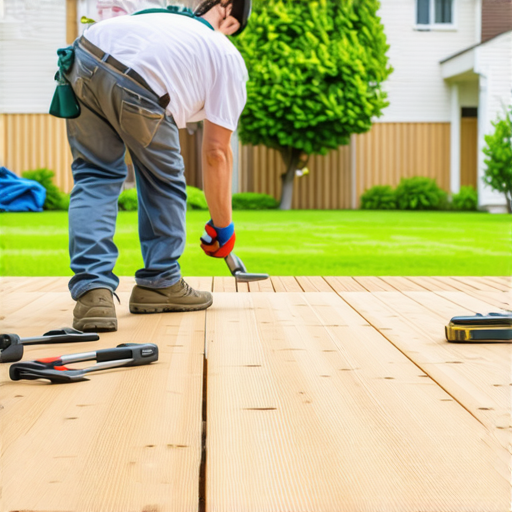
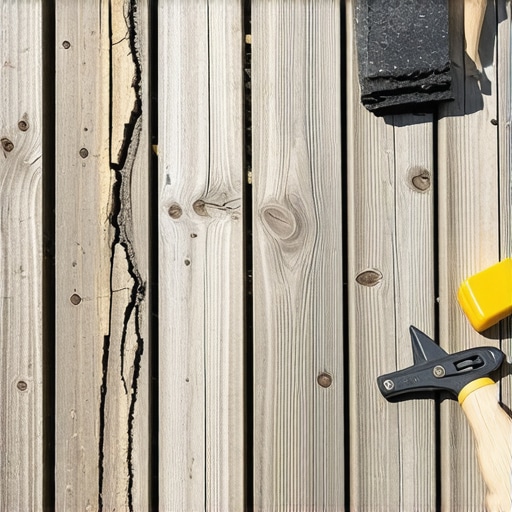
I remember the frustrating moment when I stepped onto my deck, only to hear that sudden, hollow crack from one of the planks under my feet. That unsettling sound was a wake-up call—my beloved outdoor space wasn’t as durable as I thought. It’s a feeling many homeowners share, and it’s often linked to an unexpected culprit: cracking deck boards.
Understanding why some deck boards crack isn’t just about aesthetics; it’s about preserving safety and the investment you’ve made in your backyard oasis. Today, I’m going to share my personal stories and insights, guiding you through the main reasons behind these cracks and, more importantly, how to prevent them from happening in your own space.
Cracks Aren’t Just Cosmetic—They Signal Underlying Problems
Have you ever wondered why your seemingly sturdy deck suddenly develops splits and fissures? The answer often lies in the material choices, environmental factors, and maintenance practices. Wood, the classic decking material, is especially prone to cracking due to its natural properties and how it interacts with the environment.
In my early days of deck ownership, I overlooked the importance of proper sealing and thought regular cleaning was enough. That mistake led to some visible cracks after just one harsh winter. An early mistake I made was neglecting to apply a high-quality sealant, which you can discover more about in my experience with sealing old decks. The freeze-thaw cycles in colder months cause wood to expand and contract, and without protection, those tiny movements become cracks over time.
Environmental exposure isn’t the only factor. Using inferior materials or skipping regular inspections can set the stage for cracks. I learned the hard way that even composite boards, touted for durability, can degrade if not properly maintained or if exposed to excessive moisture or UV rays. If you’re curious about the latest materials that resist cracking, check out wood-plastic composites for premium options.
So, why does this crack phenomenon matter right now? Because cracks weaken the structural integrity of your deck, creating safety hazards and diminishing its beauty. A cracked board could potentially lead to more severe damage if not addressed early.
Are you noticing small cracks or splinters on your deck? Don’t ignore them. These tiny imperfections may seem insignificant, but they can become larger issues if left untreated. Next, let’s explore the most common reasons behind deck board cracking and how you can proactively prevent them—saving time, money, and peace of mind.
Inspect Your Deck Regularly and Catch Early Signs
Start by visually examining your deck at least twice a year, especially after harsh weather. Look for tiny cracks, splinters, or signs of warping. Once, I noticed a small crack near the edge of a board and decided to investigate further. This early detection allowed me to catch and address the issue before it worsened, saving me from costly repairs later. Use a flashlight during evening checks to reveal hidden surface flaws. Remember, catching cracks early prevents them from propagating into bigger, dangerous splits.
Choose Durable Materials Designed to resist Cracking
Select high-quality wood or composite materials when building or renovating your deck. I opted for a composite board from a reputable brand, which significantly reduced the likelihood of cracking under Massachusetts’s variable climate. These materials are engineered to handle moisture, UV exposure, and temperature swings better. If you’re upgrading, explore options like wood-plastic composites known for their resilience. Remember, investing in the right material is the foundation for crack resistance.
Use Proper Sealants and Protective Coatings
Apply a high-quality sealant tailored for your deck material to create a protective barrier. During my DIY project, I applied an acrylic-based sealant, ensuring coverage on all surfaces. The difference was noticeable: the boards maintained their appearance and showed no new cracks even after a cold, wet winter. A good sealant minimizes moisture infiltration and reduces wood expansion and contraction cycles that cause cracks. Follow manufacturer instructions precisely—reapplication every 2–3 years maximizes protection.
Implement Effective Maintenance Practices
Consistent cleaning and sealing prolong your deck’s lifespan. I learned that merely sweeping isn’t enough; I used oxygen bleach to gently clean the surface without damaging the wood grains. This method removed moss, mold, and debris that accelerate deterioration. Additionally, re-staining or sealing your deck every couple of years restores the protective layer, preventing cracks caused by dehydration and weathering. Regularly inspect hardware and fasteners as loose or corroded parts can lead to uneven stresses that promote cracking.
Manage Environmental Factors Sensibly
Control exposure to moisture and temperature extremes. During winter, I covered vulnerable areas with tarps and added insulation where possible, which helped stabilize the boards. Avoid leaving puddles or water pooling on your deck, as prolonged dampness causes wood to swell and crack. If your deck is prone to temperature swings, consider installing under-deck insulation systems that buffer the impact of cold spells. Proper drainage and shading reduce stress on the boards, significantly lowering crack risks.
Upgrade and Reinforce When Needed
If cracks become prominent, reinforcing the affected areas is vital. I replaced a cracked board with a new one, ensuring it was adequately sealed. For larger issues, installing additional support beams or reinforcing joists improves load distribution. Check your deck’s weight limits before adding heavy furniture or equipment. Reinforcements prevent extra stress that leads to cracking, extending the lifespan of your deck considerably.
Many homeowners assume that hiring a deck builder in Needham is as straightforward as picking the first contractor with good reviews. However, this simplistic approach often leads to costly mistakes and subpar results. The common myth is that all deck builders are equally qualified and that their methods are interchangeable. In reality, expertise in local building codes, understanding of climate-specific materials, and a keen eye for structural nuances make a significant difference. For example, some contractors might overlook the importance of proper joist spacing or fail to recommend materials that withstand Massachusetts’s seasonal extremes, resulting in premature cracking or deterioration. It’s a trap to assume that the lowest bid guarantees quality; often, budget-focused projects compromise on essential details, leading to expensive repairs later.
A hidden nuance many miss is the significance of detailed craftsmanship over just the blueprint. Skilled deck builders pay close attention to subtle elements such as correct fastening techniques—like using hidden fasteners for a seamless look—and ensuring proper drainage to prevent water pooling that accelerates aging. Have you ever fallen into this trap? Let me know in the comments.
Another misconception is that DIY solutions or off-the-shelf plans can replace professional input. While DIY projects can be satisfying, they often lack the precision and experience needed for optimal longevity and safety. Experts suggest that a site-specific design considering unique environmental challenges—like managing runoff or shading—can extend your deck’s lifespan. Investing in a professionally designed plan, which may include features like corner deck seating ideas to maximize limited space, ensures durability and aesthetic appeal.
From my perspective, recognizing the specialized knowledge of local contractors prevents these common pitfalls. For Americans in Needham, understanding that expertise isn’t just about construction skills but also about navigating local building regulations and weather considerations is crucial. Research suggests that decks built with attention to these nuanced factors last longer and provide better safety performance (Source: Building Science Corporation). So, next time you’re planning a deck upgrade, go beyond the surface: ask about their experience with Massachusetts-specific designs and materials. This knowledge can save you from costly repairs and peace of mind in the long run.
Keeping Your Deck in Prime Condition: Tools I Trust
Maintaining a durable and beautiful deck requires the right equipment. I personally rely on a combination of professional-grade power tools and specialized hand tools, which ensure efficiency and precision. For example, I use a cordless oscillating multi-tool for detail sanding and scraping; it’s versatile for removing old sealants and preparing surfaces before resealing. My go-to for cleaning is an orbital deck sander, specifically the DeWalt DWE6411, which allows me to smooth out rough patches without damaging the grain, especially after sanding or preparing new boards.
When it comes to sealing or staining, I recommend using a sprayer like the Wagner Control Spray. It speeds up the application process and provides even coverage, which is crucial for avoiding streaks and ensuring long-term protection. For those who prefer hand application, a high-quality brush like the Wooster Shortcut guarantees thoroughness in tricky areas such as corners and seams, helping to prevent moisture intrusion and cracking over time.
Safety gear is just as vital. I always wear eye protection and a good dust mask when sanding or working with chemicals. Additionally, a heavy-duty tarp or plastic sheeting helps protect nearby areas from spills during staining or sealing, making cleanup faster and safer. Implementing a comprehensive maintenance plan with these tools has significantly extended the lifespan of my deck, saving me time and money.
How do I maintain my deck tools over time?
Proper maintenance of your tools is essential to keep them functioning optimally. Regularly clean your sprayers and brushes after each use to prevent buildup. Lubricate moving parts of power tools as per manufacturer instructions, usually every few months, to avoid rust and ensure smooth operation. Sharpen blades of hand tools periodically for clean cuts and efficient work. Storing your equipment in a dry, climate-controlled space also prevents corrosion and degradation, which is especially important in climates like Massachusetts where humidity can be high.
Looking ahead, advancements in cordless power tool battery technology and eco-friendly sealants are likely to make deck maintenance even easier and more sustainable. Investing in quality, versatile equipment now equips you for future trends and helps keep your deck looking its best year-round.
When planning your next deck project, try upgrading to a state-of-the-art sprayer or sander. These tools not only make your maintenance tasks faster but also produce superior results, reinforcing the long-term health of your deck. For ideas on creating a shaded oasis or lighting your deck for evening gatherings, explore modern lighting options. Investing in the right tools today ensures your outdoor space remains inviting and safe for years to come.
The Hidden Lessons Behind Cracked Boards That Changed My Approach
One of the most startling realizations I had was that even high-quality decking materials can fail if overlooked in maintenance. I learned that consistent inspections reveal small cracks early, turning potential hazards into manageable repairs, rather than costly replacements. Additionally, understanding the significance of local climate nuances encouraged me to select materials like composite decking, which resist Massachusetts’s seasonal stresses better. A crucial lesson was never to underestimate the power of quality protective coatings; a well-applied sealant can extend your deck’s lifespan significantly. Finally, partnering with experienced local contractors who understand our unique environment can make all the difference, preventing repair nightmares down the line.
The Tools That Transformed My Deck Maintenance Game
Investing in the right tools changed how I care for my deck. A cordless oscillating multi-tool helped me efficiently remove old sealants without damaging the wood, giving me a fresh surface for maintenance. My trusted orbital deck sander, like the DeWalt DWE6411, enabled smooth sanding that prepared boards seamlessly. For applying sealants, a Wagner Control Spray provided fast, even coverage, ensuring durability. Safety is essential—wearing protective gear, including safety glasses and masks, protects me during these projects. These tools reduce effort, improve results, and make deck upkeep a gratifying routine rather than a chore.
It’s Time to Elevate Your Decks and Your Confidence
Don’t let cracks and age undermine your outdoor haven. With the right knowledge, materials, and tools, you can significantly extend your deck’s vitality and enjoyment. Whether you’re contemplating upgrades or routine maintenance, take proactive steps today—your outdoor space deserves it. Remember, properly maintained decks not only look better but also keep your family safe. Now is the perfect time to begin or refine your deck care journey, harnessing lessons learned and embracing new techniques. Your future self will thank you for the effort you invest now to enjoy a beautiful, safe, and durable backyard in Needham for years to come.