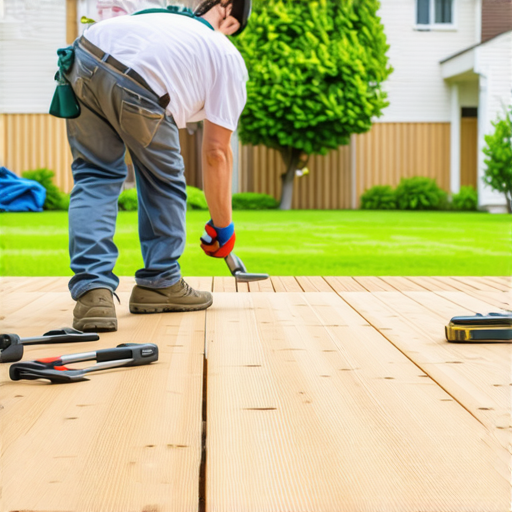
Walking barefoot on my deck after a long summer day, I was met with a surprising sensation—my boards felt uneven, warped, and in some spots, they cupped upward like a shallow bowl. It was a lightbulb moment that hit home: I had ignored the subtle signs of warping, and now my outdoor sanctuary was showing its age. If you’ve ever faced the frustrating sight of your deck boards curling or cupping, you know how disheartening it can be. But here’s the truth—this isn’t just a cosmetic nuisance; it can compromise safety and shorten your deck’s lifespan.
Today, we’re going to dive into practical, proven methods to prevent your deck boards from cupping and warping. Whether you’re planning a new build or trying to salvage an aged deck, these tips will help you maintain a flat, beautiful surface that lasts for years. Trust me, a bit of preventive care now can save you headache and money down the line.
Why Deck Warping Happens and What You Can Do About It
The root of cupping and warping often lies in moisture imbalance, improper installation, or subpar materials. Wood, being a natural material, reacts to changes in humidity and temperature—so a deck exposed to heavy rain, intense sun, or poor drainage can quickly start to deform. Early in my own projects, I made the mistake of choosing the cheapest wood and neglecting proper sealing—big mistake. The boards expanded and contracted unevenly, leading to cupping that was both ugly and dangerous.
Fortunately, understanding these natural tendencies can empower you to take control. For instance, selecting the right type of wood and ensuring proper sealing and drainage goes a long way toward minimizing moisture-related issues. Curious about how to protect your investment? Our in-depth article on [how to clean your deck safely](https://deckbuildersneedham.com/how-to-clean-your-deck-with-oxygen-bleach-safely) offers tips that overlap with preventing warping, especially when it comes to moisture management.
Have you faced this particular problem with your deck? If so, you’re not alone. Many homeowners are surprised to learn that common mistakes early on—like neglecting to leave proper gaps during installation or skipping on waterproofing—can set the stage for serious warping later. Recognizing these pitfalls is the first step to rectification.
Let’s explore some actionable steps to stop this problem before it starts, or to correct it if you’re already facing it. The goal is a level, durable surface that keeps your outdoor space inviting and safe.
Choose the Right Lumber and Prepare It Properly
Start with selecting high-quality, kiln-dried wood such as cedar or composite materials designed to resist moisture. When purchasing, inspect boards for warping or cupping and avoid flawed pieces. Before installation, outdoor wood should be acclimated in your climate for at least a week. I once bought a load of cedar that hadn’t acclimated; within months, half the boards cupped and warped. To prevent this, always store your lumber in a dry, shaded spot and let it adjust to your local humidity.
Apply Waterproof Sealants and Proper Coatings
Use a high-quality, waterproof sealant or stain designed for outdoor wood projects. Applying it evenly on all sides, including edges and ends, helps create a moisture barrier. I learned this the hard way after skipping sealant on the edges of some decking boards; months later, they cupped severely. Regular reapplication, especially before winter or rainy seasons, extends the lifespan and maintains flatness. For guidance, check out our sealing tips.
Ensure Proper Installation with Correct Spacing and Fastening
Proper spacing between boards is crucial to allow for expansion and contraction. A general rule is a 1/8 to 1/4 inch gap, which you can measure with a spacer tool. When fastening, use stainless steel or coated screws that won’t rust or seize, causing uneven tightening that may lead to cupping. I once used cheap nails that corroded and pulled out, leading to warped boards. Follow manufacturer instructions carefully, and consider hidden fasteners for a clean look and even tension. Don’t forget to leave gaps at the edges to allow for deck expansion.
Optimize Drainage and Ventilation Underneath
Proper drainage prevents standing water that soaks into wood, causing warping. Install a sloped deck frame with a slight incline toward drainage points. Incorporate open joist spaces or vents beneath your deck to promote airflow, which helps the wood dry out quickly after rain. I installed a drainage system with gravel and a slight slope, and within a year, I noticed less cupping among my boards. For a detailed plan, see our guide on deck drainage planning.
Maintain and Inspect Regularly
Routine checks can catch small issues before they turn into major warps. Look for signs of moisture retention, loose fasteners, or early cupping. Reapply sealant every 2-3 years, especially after harsh weather. During one maintenance session, I discovered a few loose screws; tightening them restored the board’s flatness and prevented further cupping. Regular cleaning with gentle, non-abrasive cleaners helps remove debris that traps moisture and accelerates warping. Visit our article on deck cleaning for best practices.
Many homeowners assume that selecting a local deck builder in Needham simply boils down to choosing the lowest quote or the most visible portfolio. However, this oversimplification can lead to costly mistakes. The common myth is that price and appearance are the only factors that matter, but in reality, the nuanced expertise of a seasoned professional makes all the difference in avoiding pitfalls such as improper framing, incorrect material choices, or overlooking local building codes. These advanced details ensure not only the aesthetic appeal but also the safety, durability, and longevity of your deck. For example, while many think composite decking requires no maintenance, improper installation or choosing subpar materials can lead to slippery surfaces or early deterioration, especially in New England’s climate. Experts suggest paying close attention to the contractor’s knowledge of specific regional challenges, such as moisture management and proper ventilation, which significantly influence your deck’s performance over time. An overlooked aspect is understanding the importance of tailored waterproofing strategies, which are often underestimated by DIYers or less experienced builders. According to a recent study from the Building Science Corporation, decks with proper drainage and waterproofing see an extension of lifespan by up to 30%. Failing to consider these advanced nuances can lead to structural failures or safety hazards. Do you know how to verify if your chosen Needham contractor truly masters these critical details? Make sure they can provide evidence of addressing complex issues like joist sizing for heavy loads or reinforcement against local weather extremes. Remember, your outdoor investment deserves more than just a basic approach; it benefits from a professional’s deep understanding of regional intricacies. If you’re planning your next deck project, pay attention to these hidden factors to prevent avoidable issues. Want a comprehensive guide on selecting a top-tier contractor who understands these finer points? Visit our article on choosing the right contractor in 2026 and ensure your deck stands the test of time. Have you ever fallen into this trap? Let me know in the comments.Maintaining a durable and flat deck surface requires more than just hardware and initial construction skills—it’s about employing the right tools combined with systematic care routines. When I first started working on decks, I realized that investing in specialized equipment and software not only accelerated my projects but also ensured precision and longevity. For example, I swear by a high-quality laser level, like the Bosch GLL 3-330, which provides pinpoint accuracy when measuring levels across expansive surfaces. The advantage is clear: with consistent leveling, you prevent uneven wear and cupping over time, especially crucial in Needham’s humid climate.
What’s the secret to keeping your deck in top shape over the years? Click here to learn how to optimize your maintenance routine.
Another indispensable tool is a moisture meter, such as the Wagner MMC220, which allows me to assess wood moisture content before sealing or sealing again. This step ensures optimal adhesion and prevents moisture entrapment—factors that contribute to warping. Additionally, using a digital app for project management, like Trello or Asana, helps me schedule seasonal inspections, reapplications of sealant, and repairs, streamlining long-term maintenance. Looking ahead, I predict that emerging smart sensors embedded in decking materials could revolutionize maintenance by providing real-time moisture or stress readings directly to your smartphone, alerting you before a problem develops.
How do I maintain my deck equipment over time? Keep these tools calibrated and store them properly—regularly check your laser level’s batteries and clean moisture meters after use to ensure lasting accuracy.
For sealing, I prefer advanced spray systems like the Wagner Control Pro 150, which distributes sealants evenly and quickly. This consistency is vital for preventing moisture infiltration that leads to warping. Regular reapplication—at least every 2-3 years—is essential, especially after harsh weather events. An often overlooked practice is the proper cleaning of deck surfaces; gentle techniques such as oxygen bleach cleaning preserve the wood’s integrity and prevent residue buildup that traps moisture. If you’re interested in learning how to clean your deck safely, our detailed guide can help you avoid damage while extending your deck’s life.
Embrace part of the future now: try out a laser level and a moisture meter during your next maintenance session. These tools are game-changers for achieving professional-quality results that last for years.
As the trend toward smarter, higher-tech maintenance continues, staying equipped with the best tools ensures you’re prepared for any challenges that come with caring for your deck. Regular, precise upkeep—supported by the right hardware and software—keeps your outdoor space safe, attractive, and functional. For more insights on reliable tools and maintenance practices, visit our comprehensive article on cleaning your deck effectively.
The Hardest Lesson I Learned About Deck Builders Needham
One key insight was realizing that quality materials and proactive maintenance often outweigh quick fixes and cheap alternatives. I once thought I could save money by skipping proper sealing, only to face costly repairs later. Now, I see the value in investing in the right tools, like a laser level and moisture meter, which can identify issues before they become visible problems.
3 Myths About Deck Builders Needham That Held Me Back
Many believe that all wood types warp equally or that sealing is a one-time task. In reality, choosing the right wood like cedar or composite, combined with regular reapplication of waterproof coatings, makes a massive difference. Also, trusting a contractor’s regional expertise—especially in needham’s humid climate—is crucial for longevity.
What Experts Won’t Tell You About Decks and Longevity
Few realize that proper drainage and ventilation are the unsung heroes in preventing warping. Simple additions like a slight deck slope or vented joists can drastically extend your deck’s lifespan. Still, these details are often overlooked in DIY projects, leading to premature wear and safety hazards.
Where to Go from Here
Now that you’re aware of the nuanced strategies to keep your deck flat and durable, start applying these insights. Regular inspections, quality materials, and regional expertise are your best bets against warping. Want a step-by-step guide tailored to Needham homes? Check out our article on why local homeowners choose natural wood.
The Best Tools to Keep Your Deck Calm and Flat
My essential toolkit includes a high-quality laser level for precise measurements and a moisture meter to track wood’s hydration levels. These tools have saved me countless headaches by catching issues early. For anyone serious about a lasting deck, investing in reliable gear is a game-changer.
Final Say: Elevate Your Deck Game Today
Protecting your outdoor sanctuary from warping isn’t just about aesthetics—it’s about safety and durability. With a mix of smart choices, proper maintenance, and regional knowledge, you can turn your deck into a lasting oasis. Ready to transform your outdoor space into something extraordinary? The effort now pays dividends in longevity and peace of mind.