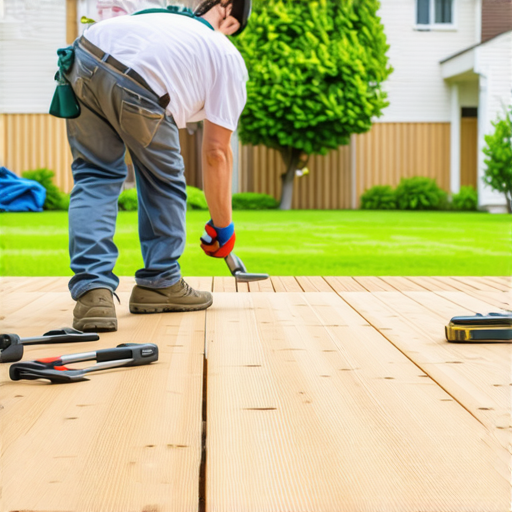
I vividly remember the moment I stepped onto my deck, only to realize that the transition to my garden felt abrupt and uninspired. It was a small, seemingly simple detail, but it nagged at me—how could I make this outdoor space flow effortlessly? That lightbulb moment made me realize just how vital a well-designed connection between deck and garden truly is. Not only does it enhance functionality, but it also transforms your backyard into a cohesive haven.
Creating a Smooth Garden Transition That Invites Relaxation and Usability
Having a seamless transition from your deck to your garden isn’t just about aesthetics. It’s about crafting an outdoor environment where movement feels natural, and every step invites you into a new realm of comfort and charm. A thoughtfully designed transition can turn your backyard into a sanctuary for entertaining, gardening, or simply unwinding after a long day. I’ve learned, through both trial and error, that small details—like a well-placed pathway or a custom step—can make all the difference.
If you’ve ever stumbled over uneven steps or felt that your backyard’s flow was interrupted by a mismatched threshold, you’re not alone. Many homeowners overlook this crucial detail until it becomes a noticeable obstacle. But here’s the good news: with a little planning and some practical strategies, you can craft a transition that’s both practical and inviting.
And trust me, I’ve made my fair share of mistakes early on—like underestimating the importance of proper drainage or choosing materials that didn’t withstand our New England weather. Early errors taught me the value of durable, weather-appropriate solutions. You can read more about avoiding these pitfalls in my experience with [installing under-deck storage ideas](https://deckbuildersneedham.com/installing-under-deck-storage-dry-space-ideas) or ensuring structural safety in [checking your deck staircase](https://deckbuildersneedham.com/is-your-deck-staircase-safe-check-these-4-warning-signs). Recognizing these common missteps is crucial for achieving a lasting, beautiful transition.
So, let’s dive into the practical steps to connect your deck smoothly to your garden—and avoid the trips, slips, and awkward pauses that can turn outdoor living into a chore rather than a pleasure. Are you ready to turn your backyard into a harmonious outdoor retreat? If you’ve faced those uneven, awkward transitions yourself, share your story below—you’re not alone, and a better design is within reach.
Choose Durable and Cohesive Materials
Start by selecting materials that withstand local weather conditions and complement your existing deck and garden aesthetic. I once used composite decking for the transition because of its durability, but I didn’t realize that some types can be slippery when wet. After research, I found that installing textured, slip-resistant boards enhanced safety and look. Consider options like [hardwood choices in Needham](https://deckbuildersneedham.com/the-best-hardwoods-for-needham-weather-in-2026) to match your deck’s style while ensuring longevity.
Create Clear Pathways with Strategic Layouts
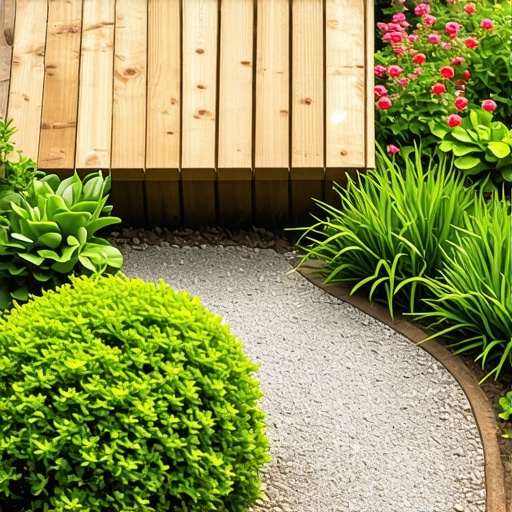
Design pathways that guide natural movement without abrupt stops. I experimented with different layouts, laying out stepping stones in a meandering pattern across the yard. The result felt more inviting and fluid, and I learned that winding paths soften the transition and add visual interest. Using materials like flagstone or gravel helps blend the spaces seamlessly, mimicking natural trails.
Implement Proper Drainage Solutions
Efficient drainage prevents water pooling and structural issues. In my own project, I installed a slight slope away from the deck to direct water runoff. I also added gravel-filled French drains beneath the pathway to facilitate water absorption. Avoid the mistake of neglecting drainage; it’s akin to having a leaky boat — eventually, everything else suffers. The right drainage system preserves your transition area and maintains safety during rain.
Incorporate Steps Judiciously
Use steps to bridge differences in elevation smoothly. I initially added a simple wooden step, but it wobbled. After reviewing [prefabricated deck steps](https://deckbuildersneedham.com/the-pros-of-prefabricated-deck-steps-for-quick-install), I replaced it with a sturdy, built-in concrete step that held up against seasons of quenching rains and snow. Properly constructed steps are the backbone of a safe transition and should be designed with attention to size, slip-resistance, and code compliance.
Harmonize Lighting and Landscaping
Enhance safety and ambiance with thoughtful lighting. I installed low-voltage landscape lights along the pathway and around the transition zone. It not only improved visibility at night but also created a welcoming atmosphere. Incorporating potted plants or garden beds alongside the pathway adds visual continuity and softens the transition further.
 While many recognize the importance of choosing the right materials or adhering to local codes, there’s a nuanced aspect of working with deck builders in Needham that often gets overlooked: understanding the technical intricacies behind quality craftsmanship. Many think that as long as a contractor provides a quote and sticks to a timeline, the job is done successfully. However, this overlooks critical details that can determine the longevity and safety of your deck.
Why Do Some Projects Fail Despite Hiring Professionals?
In my experience, common myths like “All deck builders deliver the same quality” can be dangerous. The truth is, subtle differences in expertise—such as knowing advanced framing techniques or optimizing drainage systems—can significantly affect the outcome. For instance, improper joist spacing or neglecting waterproofing measures are silent killers of deck durability. According to a study by the National Association of Realtors, decks that incorporate proper drainage and high-quality fasteners last nearly twice as long and require less maintenance. Incorporating these advanced practices isn’t just for show; they safeguard your investment.
Another mistake homeowners often make is selecting aesthetically pleasing but low-durability railing systems or neglecting to confirm whether the builder is licensed and insured. Trust me, the initial savings can turn into costly repairs down the line, especially if the project doesn’t meet Massachusetts building codes. It’s vital to verify credentials and past work, which you can do by reviewing [how to hire a licensed Needham contractor](https://deckbuildersneedham.com/how-to-hire-a-licensed-needham-contractor-for-repairs).
Understanding these finer points helps elevate your project from average to exceptional, ensuring safety, beauty, and longevity. Remember, a well-built deck isn’t just about looks; it’s about smart engineering and adherence to the highest standards. Don’t fall into the trap of thinking that “cheap” always means “cost-effective.” Instead, prioritize quality in materials and craftsmanship—your future self will thank you. Have you ever fallen into this trap? Let me know in the comments or in your next consultation process.Maintaining your deck’s appearance and safety over the long term requires more than occasional cleaning; it demands reliable tools and proactive strategies. I personally rely on a high-quality deck cleaner spray combined with a soft-bristle brush for routine maintenance. This approach effectively removes pollen and dirt without damaging the wood surface, which I’ve found to be far superior to harsh power washing that can erode the finish. Additionally, investing in a digital moisture meter allows me to monitor the wood’s humidity levels, preventing issues like warping or rot caused by trapped moisture—something many overlook until it’s too late. I recommend tools like a precision caulking gun for sealing gaps and a cordless orbital sander with fine-grit pads to keep the surface smooth and ready for staining or sealing, which extends the lifespan of the wood. Looking ahead, I believe that advancements in smart maintenance systems—integrating sensors with weather data—will soon offer automatic alerts when your deck requires attention, making upkeep more effortless and precise.
How do I maintain my deck over time?
Regular inspections, combined with timely cleaning, sealing, and hardware checks, are essential. For instance, checking fasteners and railings periodically ensures safety and structural integrity, especially considering Massachusetts’ seasonal weather shifts. I also recommend applying a weatherproof sealant every couple of years; I personally prefer products that incorporate UV protectants to shield against sun damage and fading. An effective waterproofing system, like those discussed in [waterproofing your deck for the 2026 season](https://deckbuildersneedham.com/3-ways-to-waterproof-your-deck-for-the-2026-season), can significantly reduce long-term maintenance costs and preserve the deck’s aesthetic appeal. Predictably, as materials evolve, composite and PVC decking options are becoming even more low-maintenance, resisting staining and warping, which makes routine upkeep easier. To stay ahead, I suggest scheduling bi-annual inspections and adopting these tools and practices to keep your deck not just looking new but also structurally sound for years of enjoyment.
Three Surprising Truths I Discovered About Deck Transitions
First, no two backyard spaces are exactly alike—what worked in my yard might need tweaking in yours. I learned that assessing your unique landscape and considering future growth can save time and money later. Second, over-investing in aesthetic details without considering functionality can backfire; balance beauty with safety and durability. Lastly, involving professionals early—even for small modifications—can prevent costly mistakes, as I found out with improper drainage that led to long-term rot. These lessons taught me that patience, research, and expert advice are your best allies.
Tools and Resources That Made a Difference
My favorite tool has been a reliable [digital moisture meter](https://deckbuildersneedham.com/creating-a-shaded-oasis-on-your-deck-with-modern-umbrellas), which helps me monitor wood health between sealings. I trust the comprehensive [building codes overview](https://deckbuildersneedham.com/choosing-a-contractor-who-understands-needham-building-codes) provided by local authorities, ensuring safety and compliance. For design inspiration, [Houzz](https://www.houzz.com) offered countless visual ideas, sparking creative pathways I hadn’t considered. Finally, connecting with seasoned Needham deck builders through [this contractor directory](https://deckbuildersneedham.com/how-to-hire-a-licensed-needham-contractor-for-repairs) saved me from common pitfalls, reinforcing the importance of licensing and experience. These resources not only guided my project but also empowered me to make informed choices.
Let Your Backyard Inspire New Possibilities
Transforming your outdoor space into a seamless, welcoming retreat is an achievable dream. Remember, every small adapted detail adds up to a bigger sense of harmony and safety. Whether it’s choosing the right materials, designing thoughtful pathways, or engaging experts, your dedication can turn an ordinary yard into a personal paradise. So, why wait to create that perfect outdoor haven? Share in the comments how you plan to enhance your deck and garden connection—your experience might inspire someone else’s journey towards backyard bliss.