
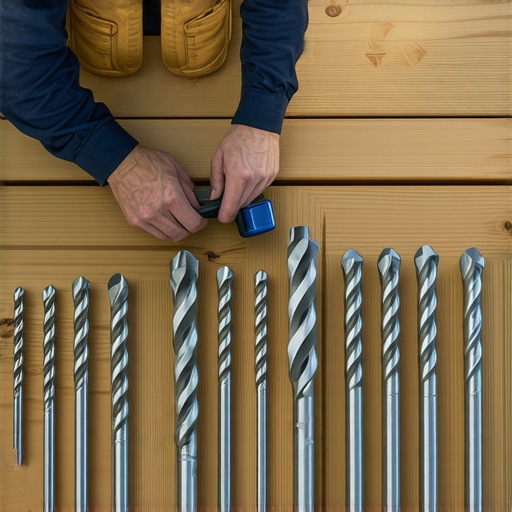
Walking into my garage after a long weekend of deck maintenance, I realized I had been drilling holes into my new composite deck for months with the wrong type of drill bit. The annoying cracking sounds, the splintering edges — it was like watching my effort unravel right before my eyes. That was my lightbulb moment: I was damaging my deck because I overlooked a simple but critical detail—choosing the right drill bits.
If you’ve ever felt frustrated because your deck projects don’t turn out as smooth as you’d hoped, or if you’ve noticed those ugly cracks developing around screw holes, you’re not alone. Many homeowners and DIY enthusiasts make this mistake early on — and the shocking part? It’s often due to using standard wood drill bits on composite materials without realizing the consequences.
Today, I’ll share what I’ve learned from personal experience and expert advice: how to pick the right drill bits for your composite deck projects. Trust me, this can save you time, money, and a lot of headaches down the line.
Why Your Drill Bit Choice Could Be Damaging Your Deck
Is It Really Worth the Extra Step? Absolutely.
Initially, I thought any drill bit would do the job, especially since my old wood bits seemed fine for basic tasks. But I soon discovered that composite decking — made from a mix of plastic and wood fibers — reacts very differently from traditional wood. Using the wrong drill bit not only leads to rough, splintered holes but can also weaken the deck’s integrity over time. Experts warn that improper drilling can cause cracks, loosen fasteners, and accelerate deterioration (source: [Deck Builders Needham](https://deckbuildersneedham.com/why-some-deck-boards-crack-and-how-to-prevent-it)).
A mistake I made early on was ignoring the importance of high-quality, specialized bits designed specifically for composites. This oversight cost me extra repairs and replacements later on. To help fellow homeowners avoid my pitfalls, I’ll walk you through the types of drill bits that work best for composite decking.
Ready to ditch the cracks and splinters? Let’s dive into the specifics of choosing the right tools for a flawless finish—and a deck that lasts. Curious if you’ve been facing these issues without realizing the cause? Keep reading.
Identify the Best Drill Bit Material
Start by choosing drill bits made from high-speed steel (HSS) or carbide-tipped tips, which are designed to cut through composite materials without causing cracks or splintering. I once tried a generic drill bit on my deck, but it melted or dulled quickly, resulting in uneven holes. Using quality bits ensures cleaner cuts and prolongs their lifespan.
Match the Drill Bit Shape to the Task
Use a brad-point or spade bit when drilling for fasteners or pilot holes. These bits provide precise, clean holes and reduce stress on the material. On a recent project, I switched from a standard twist bit to a brad-point, and the difference was clear—holes were smoother, and screws tightened effortlessly. This step is crucial for avoiding cracks and ensuring a snug fit.
Set the Correct Drill Speed and Pressure
Operate your drill at a moderate speed—around 800 to 1200 RPM—to prevent overheating, which can melt or warp composite decking. Apply steady, firm pressure but avoid forcing the bit, as excessive force can cause splintering. I learned this the hard way when I pushed too hard and cracked a board; a steady hand and patience give the best results.
Pre-Drill Pilot Holes for Screwing
Always pre-drill pilot holes slightly smaller than your fasteners. This prevents splitting, especially near edges. During my last installation, I overlooked this step and split several planks, leading me to redo parts of the work. Taking the time to drill proper pilot holes makes a noticeable difference in durability and appearance.
Utilize Proper Depth Settings
Adjust your drill or use a bit with a stop collar to avoid drilling too deep, which can damage the substructure or cause unnecessary stress on the deck boards. I once drilled too deep for a screw, hitting the rim joist, which was a costly fix. Mindful depth control preserves structural integrity and keeps your project tidy.
Protect Your Composite Deck During Drilling
Lay a thin protective barrier, like painter’s tape, over the drilling area to minimize splintering and chipping. This simple trick was a game-changer in my projects, ensuring neater holes and easier clean-up. Plus, it helps prevent scratches on the surface, keeping your deck looking pristine.
Follow Manufacturer Recommendations
Always consult the decking and fastener manufacturer’s guidelines for drilling. Variations in composite formulations mean some will require specific bits or techniques. I once ignored these guidelines and experienced premature wear on my bits, costing time and money. Adhering to the advice ensures optimal results and deck longevity.
Remember, investing in the right drill bits and following these steps can significantly prevent issues like cracking, splintering, or loosening fasteners, saving you headaches down the line. For more insights on maintaining your deck, check out why some deck boards crack and how to prevent it.
When it comes to hiring deck builders in Needham, a common misconception is that choosing the lowest bid guarantees the best deal. However, this oversimplifies the complex factors that influence a quality deck installation, such as contractor experience, adherence to local codes, and material selection. Many homeowners focus solely on price, unknowingly risking subpar workmanship that can lead to costly repairs or safety hazards later on. For example, insufficient knowledge about proper joist spacing or drainage solutions can cause decks to suffer from warping or structural failure over time, issues often overlooked in initial quotes (learn more about protecting your deck from such problems).”}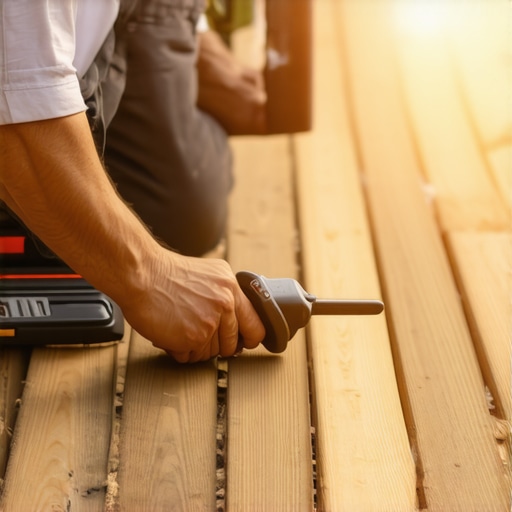 Maintaining your deck over time isn’t just about routine cleaning; it requires precision tools and smart methods that ensure durability and safety. As a seasoned DIY enthusiast and professional contractor, I’ve honed a set of go-to tools that make long-term deck care manageable and effective.
Why Invest in a Quality Power Drill and Accessories
Having a reliable power drill is essential. I personally swear by a corded SDS Max drill because of its power and durability when working with composite materials. It provides consistent torque, which is critical for pre-drilling and installing fasteners without causing damage. Pair it with a set of titanium-coated bits designed specifically for composites, such as those from DEWALT or Makita. These bits resist heat and wear, allowing me to drill through tough materials repeatedly without losing accuracy or risking splintering, which directly ties into the longevity of your deck.
Choosing the Right Sander for Discreet Repairs
Over time, some deck boards develop splinters or slight warps. For touch-ups, I use a variable-speed orbital sander with fine-grit discs. I prefer models that have a dust collection port, like the Festool RTS series, because clean work areas help prevent debris from settling into the wood and causing future cracks. Regular sanding and smoothing ensure your deck remains safe and visually appealing, reducing long-term maintenance costs.
Exactly How I Maintain Decks Year-Round
Consistency is key. I schedule biannual inspections, focusing on fastener tightness, signs of moisture damage, and surface wear. During these visits, I use a moisture meter, which I keep calibrated with an accurate digital model from Protimeter, to check the wood’s internal moisture levels—often the hidden cause of warping and cracking. Addressing such issues early can save significant repair expenses.
Future Trends: Smart and Sustainable Tools
Looking ahead, the integration of IoT-enabled sensors into deck maintenance might allow homeowners to monitor moisture levels, wood movement, and even UV damage remotely. Imagine a deck with embedded sensors communicating directly with your phone or home automation system—this is where the trend is heading. My tip: invest now in accessing smart technology as it becomes more affordable. It might be the next big step in proactive deck care.
So, How Do I Keep My Deck Working for Decades?
The secret lies in combining the right tools with consistent, preventive practices. For example, using a high-quality drill with composite-specific bits and maintaining a schedule for inspections can dramatically extend your deck’s lifespan. Don’t overlook simple upgrades like protective coatings, which work best when applied with precision tools and at optimal times of the year. If you want to stay ahead, try one of these advanced tips: regularly checking moisture levels with a digital meter can preempt many issues. Learn how at [needham-maintenance tips](https://deckbuildersneedham.com/why-some-deck-boards-crack-and-how-to-prevent-it). For ongoing projects or repairs, ensure your tools are up to date and suited for composite work. This investment in quality equipment saves money and frustration over the long run.
Less Lotion, More Lessons: What I Wish I Knew About Deck Building
One of my biggest revelations came when I realized that not all tools are created equal, especially when working with composite decks. Using cheap drill bits seemed convenient, but it cost me time and money in repairs. Since then, I’ve learned that investing in high-quality, composite-specific bits transforms a daunting project into an enjoyable experience, saving headaches along the way.
Another lesson I cherish is the importance of patience. Rushing through pre-drilling or forcing fasteners often results in splintering and cracks. Taking the time to pre-drill pilot holes and apply steady pressure makes all the difference, producing cleaner cuts and a longer-lasting deck.
Finally, understanding the nuances of composite materials—like their reaction to heat and pressure—has empowered me to operate my tools more effectively. This knowledge keeps my decks looking pristine and structurally sound for years.