
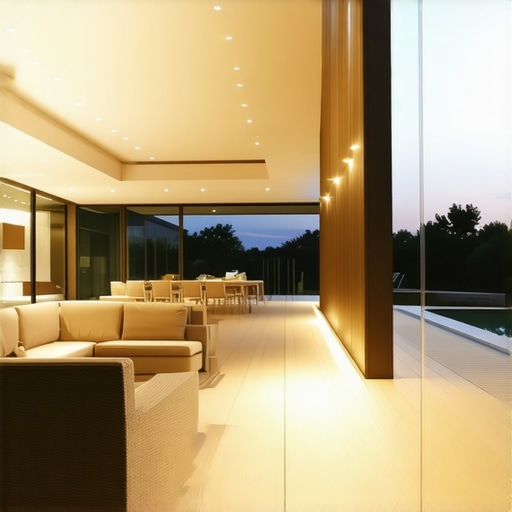
Have you ever stepped out onto your patio just after sunset, only to realize your deck feels dull and uninviting? Maybe you’ve struggled with uneven lighting that creates more shadows than ambiance, or you’ve hesitated to add illumination because you’re worried about complexity or cost. I remember facing this exact dilemma on my own deck—after investing in stylish furniture and a fresh coat of stain, the space still felt missing something. That “something” turned out to be the right lighting, and more specifically, recessed lighting that seamlessly blends into the architecture while illuminating the space beautifully.
Why Recessed Lighting Might Be the Game-Changer Your Deck Needs
Seating, dining, or just relaxing—if your deck isn’t well-lit, those moments can quickly become frustrating. Traditional string lights or lamp posts can be charming, but they often cast uneven light and can clutter the aesthetic. In my experience, recessed lighting offers a sleek, modern solution that elevates your outdoor space without overtaking it. By installing these lights into the deck’s structure, you create a gentle, inviting glow that highlights the craftsmanship of your deck and makes nighttime gatherings feel more intimate and sophisticated.
Moreover, recessed lighting is surprisingly straightforward to incorporate if you plan ahead. It’s an investment that pays off by increasing both the functionality and the perceived value of your home. According to recent studies, well-lit outdoor areas can boost home appeal and even resale value—sometimes by as much as 10% (source: National Association of Realtors).
But before diving into your project, let’s address some common concerns and guide you through the process. Are you worried that installing recessed lights will be complicated, or that it might damage your deck? Rest assured, with the right approach, it’s manageable for DIY enthusiasts and highly effective for achieving a sleek, modern look. Ready to see how simple upgrades can turn your deck into an outdoor oasis? Let’s get started.
Is recessed lighting really worth the hype?
Early on, I made the mistake of choosing subpar fixtures that flickered or burned out quickly. Over time, I learned that quality matters, especially for outdoor use. Using durable, weather-resistant fixtures ensures longevity and safety. If you’re contemplating this upgrade, consider factors like waterproofing, beam angle, and energy efficiency—the right choices will save you headaches down the line.
By understanding the basics and avoiding common pitfalls, you’ll be well-equipped to create a stunning, functional lighting setup. Want tips on selecting the best fixtures or guidance on wiring safely? I’ve got you covered as we explore the step-by-step process next.
Plan Your Lighting Layout Carefully
Start by sketching your deck and identifying areas where lighting will improve ambiance and safety. Consider paths, seating zones, and dining spots. Use a measuring tape to mark distances between fixture locations, ensuring even light distribution. During my recent project on my own deck, I used painter’s tape to mark where each light would go, which helped visualize the setup and avoid clutter. This planning phase prevents costly mistakes and makes installation smoother.
Choose the Right Fixtures and Tools
Select weatherproof, LED recessed lights designed for outdoor use, with appropriate beam angles for your space. Look for fixtures with a high IP (Ingress Protection) rating—IP65 or higher—to withstand weather conditions. Gather tools such as a drill, hole saw bits, wire strippers, a voltage tester, and outdoor electrical connectors. When I picked fixtures, I opted for energy-efficient models with adjustable angles, which allowed me to direct light precisely where needed. Proper equipment saves time and ensures safety.
Cut Openings with Precision
Use a hole saw attached to your drill—match the size to your fixture’s trim. Drill carefully through the deck surface at marked points, staying perpendicular to prevent uneven edges. During my installation, I encountered some decking material splintering; drilling at a steady speed and using painter’s tape around the cut prevented further damage. Clean out debris from the holes to ensure snug fits for the fixtures.
Safety Tip: Turn Off Power Before Cutting
Always shut off the circuit at your breaker box before working with electrical wiring. Use a voltage tester to confirm power is off. I learned this the hard way when I forgot to disable power and accidentally tripped a breaker—taking extra precautions beforehand saved me from electric shock and damage.
Wire the Fixtures Securely
Run outdoor-rated wiring from your power source to each hole, using conduit if necessary for extra protection. Strip wire ends with a wire stripper and connect them to the fixture’s wiring, matching colors (black to black, white to white, ground to ground). Secure connections with waterproof wire connectors and electrical tape. When I wired my deck lights, I labeled each wire to avoid confusion during testing, which streamlined the troubleshooting process.
Test Before Finalizing
Once wired, turn the power back on and test each fixture to confirm operation. Adjust angles if fixtures have directional features. If a light doesn’t work, double-check connections and power supply. During my trial run, I realized I had misconnected a wire and corrected it quickly, saving me from potential future issues.
Finish and Secure Your Fixtures
Install the trims or covers to give a clean, finished look. Secure fixtures with screws, ensuring they are flush with the deck surface. Seal around the fixtures with a weatherproof sealant if needed to prevent water ingress. When I finished my project, I applied a bead of sealant around each fixture, which significantly improved durability and prevented moisture damage over time.
Integrate Lighting with Your Deck Design
Coordinate fixture placement with existing design elements. For a seamless look, hide wiring beneath deck boards or within existing grooves, taking care not to compromise the deck’s structural integrity. If you’re unsure about hiding wiring, consult local regulations or professionals. You might also consider adding dimmers or smart controls for adjustable ambiance, similar to how I integrated dimming switches for flexibility during outdoor gatherings.
By following these steps, you can transform your deck into a cozy, modern retreat perfect for evening enjoyment. Proper planning and execution ensure safety, longevity, and a sleek appearance that complements your outdoor space beautifully.
When it comes to hiring deck builders in Needham, many homeowners operate under assumptions that can lead to costly mistakes. One common myth is that all deck contractors are equally skilled and trustworthy, but in reality, experience and specialization matter immensely. For instance, a contractor well-versed in composite decking installation will handle materials like the top-rated options in 2026 better than a general handyman. This nuance is critical, as choosing the wrong expert can result in durability issues or safety hazards, especially since deck safety standards are becoming increasingly strict, with new guidelines implemented in 2026.
Beyond the myth of equal skill, a notable oversight is underestimating the importance of local knowledge. The terrain and climate of Needham influence deck resilience and material choice, a detail often overlooked by out-of-town contractors. Local professionals understand these subtle environmental factors that impact your deck’s longevity, which can be critical if you want your investment to last decades.A
One trap many fall into is assuming that the lowest bid guarantees the best deal. However, in my experience, this is a classic mistake. A too-cheap quote often indicates shortcuts or inferior materials. For example, some homeowners donA
Ask yourself, why would a contractor cut corners? Are they using high-quality, weather-resistant fasteners and compliant framing techniques? An advanced mistake is neglecting to review references or inspect previous work, which could reveal inconsistent craftsmanship.A
The hidden nuance worth understanding involves the intricacies of building codes and warranties. Did you know that in Massachusetts, recent amendments to the 2026 code require specific flashing and anchoring techniques? A contractor unfamiliar with these updates might unknowingly omit crucial steps, risking future water damage or structural failure. Plus, professional-grade warranties can be complex, sometimes excluding coverage if certain installation protocols weren’t followed. This highlights why choosing a knowledgeable, local Needham crew—who stays updated with current regulations—is a smart move.A
Finally, let’s brush aside the myth that DIY is always cheaper. While doing some prep work yourself can save money, the complexity of structural integrity, electrical wiring for lighting, and water management makes professional expertise indispensable. For example, improperly installed drainage or inadequate support framing can lead to expensive repairs down the line or even safety hazards, which are best avoided by hiring experienced deck builders.A
I encourage you to think beyond surface-level assumptions about deck contractors. Delving into their experience, understanding local environmental factors, and being aware of updated codes will ensure your project isn’t just a quick fix but a long-term investment. Have you ever fallen into this trap? Let me know in the comments! For more insights on making your deck last, check out our guide on deck frame resurfacing and how material choices impact longevity.
Keeping Your Decks in Top Shape Over Time
Maintaining a deck isn’t just about a quick sweep or occasional cleaning; it requires a strategic approach with the right tools and practices. When I first started maintaining my Needham deck, I quickly realized that having high-quality, reliable equipment made all the difference in ensuring longevity and safety. Investing in the proper tools can save you time and prevent costly repairs down the line, especially as weather conditions in Massachusetts become more unpredictable with each season.
One tool I personally swear by is an **electric pressure washer with adjustable pressure settings**. This allows me to remove dirt, pollen, and algae without risking damage to the wood or composite material. For my composite deck, I use a soft-bristle brush attached to a power drill—this helps in cleaning grooves and textured surfaces more effectively than manual scrubbing. Regular cleaning with these tools maintains appearance and prevents the buildup of debris that can accelerate wear.
Beyond cleaning, inspecting your deck with a quality flashlight—preferably LED for bright, even illumination—helps identify early signs of rot, loose fasteners, or structural shifts. Catching issues early is critical; I recommend performing visual inspections after each season, especially before winter preparations. For those looking to upgrade their deck’s resilience against harsh weather, applying a professional-grade sealant periodically is a game changer. I suggest using products recommended by the local experts to ensure compatibility and effectiveness.
How do I maintain my deck’s future performance?
While routine cleaning and inspections form a solid foundation, thinking ahead about long-term solutions can preserve your deck’s value. For example, if you notice signs that your deck frame might be aging—such as warping or shifting—consider consulting a professional for a detailed assessment. In some cases, a simple resurface or reinforcement with composite materials can extend the lifespan without complete replacement. For instance, a careful assessment of your deck frame can determine if resurfacing is viable; details are available here.
Looking towards the future, advances in composite materials and automation will continue to simplify maintenance routines. Predictive maintenance—using sensors to monitor the condition of structural elements—may soon become a standard practice, much like smart home devices. For now, I suggest sticking with proven tools and maintenance schedules, such as annual inspections, deep cleans, and timely sealing.
One advanced tip I recommend trying is applying a weatherproofing treatment designed for high durability, especially if your deck faces frequent rain or snow. Expert-grade sealants, like those used in professional installations, can be applied as part of your seasonal maintenance routine to protect against moisture infiltration and UV damage. Remember, proper upkeep isn’t just about appearance—it’s about safety and the long-term value of your investment.
Don’t hesitate to get hands-on. Regularly test your deck’s structural integrity and seal all exposed surfaces. And for comprehensive guidance, consider consulting professionals or referencing trusted resources dedicated to deck preservation in Needham. Keeping it working is an ongoing process—but with the right tools and practices, your deck will remain a beautiful and safe space for years to come.

The Hidden Lessons That Shaped My Deck Lighting Journey
- Realizing the importance of quality fixtures early on saved me from repeated replacements and safety issues. Choosing weatherproof, LED recessed lights with high IP ratings is a game-changer that I didn’t initially grasp.
- I learned that meticulous planning of lighting layout—marking spots with painter’s tape and visualizing before drilling—prevented costly mistakes and gave my deck a professional look.
- Understanding local building codes and recent updates is crucial. My oversight almost led to non-compliance, emphasizing the value of staying informed, especially with evolving standards in Needham.
- Integrating lighting seamlessly into design, such as hiding wiring within deck grooves, transformed the space from ordinary to extraordinary, proving that small details make a big difference.
- The most profound lesson was patience—taking the time to test and adjust fixtures ensured perfect illumination and safety, avoiding future headaches or hazards.
Tools and Resources That Made a Difference in My Project
- Professional-grade weatherproof sealants—they protect fixtures and prolong their lifespan, a must-have based on my experience.
- High-quality LED recessed lights—investing in durability and energy efficiency pays off, especially given Massachusetts weather variations.
- A good hole saw kit tailored to fixture sizes—smooth cuts reduce debris and help fixtures sit flush, simplifying installation.
- Knowledge from local Needham experts—keeping up with codes ensures compliance and safety, preventing costly corrections later.
Your Next Steps: Embrace the Potential of Your Deck
Lighting your deck isn’t just about visibility; it’s about creating an ambiance that invites relaxation and social gatherings. The journey may seem daunting at first, but with understanding and patience, you can transform your outdoor space into a stunning oasis. Remember, each small step—meticulous planning, choosing quality materials, respecting codes—builds toward a beautiful result. Don’t hesitate to explore resources like deck frame resurfacing or to experiment with lighting options that elevate your home’s charm and value. Take the leap today—your perfect evening setting is within reach!