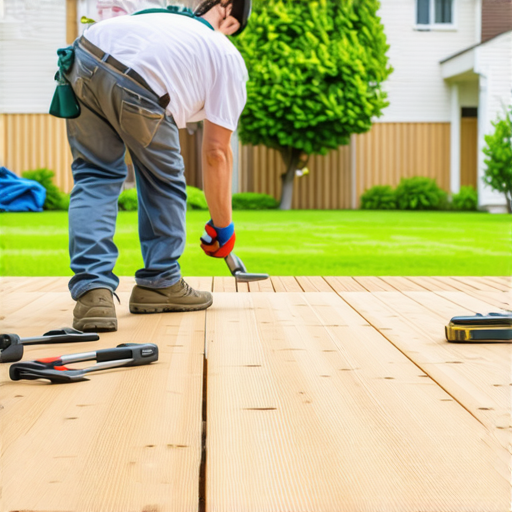
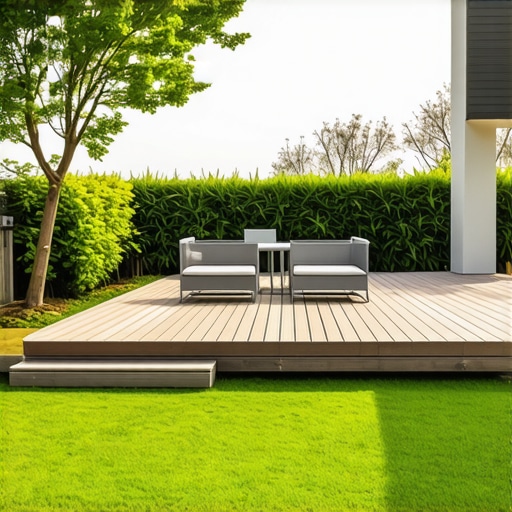
I remember the moment clearly. I was nervously eyeing my overgrown backyard, feeling overwhelmed by the sheer thought of transforming it into a welcoming outdoor space. Then, I stumbled upon the idea of installing a floating deck. At first, it seemed simple enough—just lay some boards and enjoy. But as I dug deeper, I faced a multitude of questions and doubts. Would it withstand Needham’s unpredictable weather? Was it the right choice for my specific yard? Or was I just falling for a fleeting trend?
Why Considering a Floating Deck Could Change Your Backyard Experience
Choosing the right deck style isn’t just about aesthetics; it’s about creating a durable, functional space that truly elevates your outdoor living. Floating decks, also known as freestanding decks, offer a unique possibility: they don’t require attaching to your house, making installation easier and less invasive. If your yard has uneven ground or tricky landscaping, a floating deck might be the perfect solution—allowing you to avoid significant ground modifications.
But before rushing into a decision, many Needham homeowners share my initial skepticism. Worrying if a floating deck can stand up to heavy rain, snow, or summer humidity. And I’ll admit, early on, I made a critical mistake—I overlooked the importance of proper drainage and soil preparation, which led to wobbling boards and uneven surfaces. That was a valuable lesson I want to pass along.
The good news? With careful planning and the right materials, a floating deck can become a long-lasting, beautiful feature of your backyard. Today, I’ll walk you through how to determine if this approach suits your needs and what pitfalls to avoid along the way. Still, if you’re wondering whether a floating deck holds up under Needham’s seasonal changes, stay tuned—next, we’ll tackle common concerns and set you on a path toward a successful backyard upgrade.
Assess Your Yard and Prepare for the Build
First, evaluate your yard’s terrain and sunlight exposure. Use a level and a measuring tape to identify uneven spots and determine the deck’s ideal location. During my project, I found a slightly sloped area that required extra leveling, which taught me the importance of soil assessment before starting. Clearing the area of debris and vegetation ensures a clean workspace and prevents future issues.
Gather Materials and Tools for a Lasting Structure
Select durable, weather-resistant materials suited for Needham’s climate. I opted for cedar because of its natural resistance and ease of installation. When choosing wood, consider the differences—see Needham deck builders insurance and licensing checklist to verify supplier credibility. Gather a circular saw, drill, level, stakes, and a concrete mixer if setting footings. Using quality materials and tools was crucial; I learned this when my initial picks led to wobbling boards, highlighting the need for proper planning.
Lay the Foundation and Frame Safely
Install Support Posts and Joists
Begin by setting concrete footings or pier blocks at checked intervals, ensuring they are level and solid—think of them as the deck’s backbone. I used adjustable post bases to fine-tune height. Secure support posts with galvanized fasteners, corresponding to local safety codes detailed in Needham deck safety codes. Properly anchoring these elements prevents future shifting or sagging, which I experienced when poorly secured supports led to uneven decking.
Choose and Install Decking Boards
Select boards that balance aesthetics and durability—either cedar, composite, or PVC. For instance, I compared mahogany vs cedar to decide which suited my needs. Lay the boards perpendicular to the joists, leaving consistent gaps for drainage. Use hidden fasteners for a sleek look; I found them easier and more secure, a tip from Needham homeowners’ fastener preferences. Ensuring even spacing and proper fastening prevents warping and wobbling over time, as I learned through trial and error.
Finish for Longevity and Appearance
Seal, stain, or paint your deck to protect against moisture and UV exposure. Regular maintenance extends your deck’s life—don’t forget to check signs your Needham wood deck needs sealing. In my case, I applied a solid stain after cleaning, which kept the wood looking vibrant through seasons. Be mindful of Needham’s winter conditions; selecting materials like composite decking or applying protective finishes can withstand harsh winters, as discussed in best composite options for winter. Proper finishing is the final step in creating a durable, beautiful floating deck.When it comes to hiring a deck builder in Needham, many homeowners assume that speed and low cost are the most critical factors. However, this common misconception can lead to costly mistakes and subpar results. As an expert who has navigated numerous projects, I can tell you that the real challenge lies in understanding the subtle nuances that distinguish a good contractor from a great one. One prevalent myth is that all deck builders are equally qualified if they have a license and insurance. In reality, the craftsmanship, attention to detail, and knowledge of local building codes—like those outlined in Needham deck safety codes—vary significantly among professionals. Overlooking these differences can result in decks that don’t meet safety standards or last as long as they should.
A common trap is rushing the planning stage. Many homeowners jump into construction without thoroughly assessing soil conditions or drainage patterns. Proper planning is essential because even minor oversights—such as ignoring Needham’s seasonal climate, which can cause wood to warp or rot—can compromise your deck’s integrity. I once saw a project where the contractor failed to account for typical winter moisture, leading to premature decay. This highlights why investing time in understanding the environmental nuances is vital.
Let’s consider the advanced question: What specific expertise should I look for in a Needham deck builder to ensure my project withstands harsh winters? The answer involves verifying their experience with weather-resistant materials like composite or treated cedar, and their familiarity with local installation techniques. For example, some contractors might not know that sealing and regular maintenance are critical, especially in Needham’s climate, and even less familiar with best practices such as those shared in why Hidden Fasteners are preferred in Needham. Remember, a builder’s knowledge about the subtle environmental factors and construction standards significantly influences your deck’s longevity.
Moreover, many overlook the importance of assessing a contractor’s reputation beyond online reviews. Ask for references of local projects similar in scope and climate, and review their past work meticulously. This due diligence helps avoid pitfalls like using inferior materials or rushing the installation, which can lead to uneven surfaces or wobbling rails—a safety concern requiring costly repairs later.
In conclusion, understanding these nuanced aspects—such as environmental considerations, craftsmanship expertise, and meticulous planning—sets the foundation for a successful deck project. Do you think you’ve fallen for some of these misconceptions? Share your experience in the comments! Remember, partnering with a knowledgeable, detail-oriented installer is the best way to ensure your deck in Needham endures for years to come.Maintaining your Needham deck over time is crucial to ensure its longevity, safety, and beauty. One of my personal go-to tools for regular upkeep is a high-quality power washer. I prefer models with adjustable pressure settings because they allow me to remove dirt and algae without damaging the wood. For instance, a pressure washer equipped with a wide-angle nozzle provides effective cleaning while being gentle on the surface, which is essential for cedar or composite decks. Regularly inspecting your deck with a good flashlight helps spot early signs of damage or decay, especially in hidden corners where moisture might accumulate. I also recommend getting a moisture meter—an invaluable device that measures the wood’s moisture content and helps determine when sealing or staining is needed to prevent rot, as explained in detail at this resource. When it comes to sealing, choosing the right protective finish is key; I tend to use solid stains for their durability, especially in Needham’s harsh winters, and reapply every 2-3 years. Additionally, applying a UV-resistant finish helps maintain the deck’s appearance over the long term. As for tools, a good orbital sander makes re-sanding small areas quick and easy, preventing the development of splinters. I’ve also incorporated digital moisture meters into my routine; they give precise readings that guide me on the optimal timing for sealing or staining your deck. As advancements in DIY technology develop, I predict more homeowners in Needham will adopt smart monitoring systems that connect to apps, alerting you when maintenance is needed—much like those available for home roofs but tailored for outdoor wood. This trend will simplify long-term upkeep, making it accessible even to busy homeowners.
### How do I maintain my deck over time?
Scheduling seasonal inspections is my top tip—spring is ideal for a thorough cleaning and re-sealing, especially before Needham’s hot summers and snowy winters. Reapplying protective finishes before harsh weather sets in helps shield your wood from moisture and UV damage, prolonging its lifespan. Remember to clean gutters and ensure proper drainage around your deck to prevent standing water—neglecting this can accelerate rot, as outlined in local safety codes. Also, keep an eye out for signs of deterioration such as loose nails, wobbly railings, or black spots indicating mold. Keeping your tools well-maintained and utilizing the right cleaning products makes a real difference in preserving your deck’s integrity and appearance. To take your maintenance routine to the next level, I highly recommend investing in a moisture meter—this small device provides peace of mind by ensuring your deck remains dry and less susceptible to long-term damage. Try implementing this tip from the start of your next seasonal maintenance to see visible benefits in the deck’s condition and durability over the years.
What I Wish I Knew Before Building My Needham Deck
One of the most eye-opening lessons I learned was the importance of thoroughly assessing my yard’s terrain and how it impacts deck durability. Initially, I overlooked the slope and drainage patterns, which later caused wobbling boards and uneven surfaces. This experience taught me that detailed site evaluation can prevent costly fixes down the line.
Secondly, choosing the right materials isn’t just about appearance—it’s about resilience. I discovered that cedar offers great natural resistance, but for harsh Needham winters, composite decking or treated wood might be more reliable. Consulting resources like comparisons between cedar and mahogany can help you make informed decisions tailored to your climate.
Third, the significance of local safety codes cannot be overstated. Many homeowners miss out on verifying whether their contractor understands these standards, which could compromise safety and longevity. Reviewing Needham’s safety codes ensures your deck is compliant and built to last.
Tools and Guides That Changed How I Tackle Deck Projects
My secret weapons include a moisture meter, which helps determine when sealing is necessary, and a quality pressure washer with adjustable settings that cleans without damaging the wood. For expertise, I always rely on trusted sources like the Needham homeowners’ guides on fasteners and composite decking options for winter, ensuring I stay ahead of environmental challenges.
Implementing these tools and resources turned my deck into a resilient outdoor retreat, inspiring confidence in my DIY journey and encouraging others to learn from these insights.
Your Next Step Toward a Dream Deck
Building or maintaining a Needham deck isn’t just about adding value—it’s about creating a personal sanctuary that withstands the test of time. Embrace the lessons learned, utilize trusted resources, and stay proactive with maintenance. Your outdoor haven is within reach, and every step you take brings it closer to reality.
Have you faced unexpected challenges with your deck? Share your experiences below, and let’s learn together how to build and preserve beautiful Needham decks that last!
I really appreciate this detailed walkthrough on building and maintaining a floating deck in Needham. My own experience with deck projects has shown me that proper soil preparation and drainage are often overlooked but critical steps, especially in areas with seasonal fluctuations like Needham. I remember a project where neglecting these elements led to warping and instability within just a year. It’s fascinating how using weather-resistant materials like cedar or composite can make such a difference in longevity, particularly through harsh winters. I’ve found that sealing and regular maintenance can extend the deck’s life significantly, which aligns with your advice. For those doing DIY work, a moisture meter has been a game changer—providing real data to determine the best time to seal. I’m curious, for those who have built floating decks themselves, what are some common pitfalls you’ve encountered, and how did you address them? It’s always great to hear practical tips from others who’ve been there.
This post really resonated with my experience building a floating deck in Needham. I agree that soil assessment and drainage are often underestimated, but they’re so crucial, especially with this area’s varying weather. I recall that I neglected proper drainage planning initially, which led to some wobbling and adjustments down the line. Choosing weather-resistant materials like composite or treated cedar has definitely helped improve durability through Needham’s harsh winters. I also found that periodic sealing and inspections make a huge difference in maintaining long-term stability and look. One thing I’d add is that local permits and safety codes should always be checked thoroughly before starting—sometimes we overlook these details, but they can save headaches later. Have others found specific brands or products that work best for sealing in cold climates? Would love to hear recommendations on that. It’s inspiring to see how careful planning and quality materials can turn an overgrown backyard into a lovely outdoor retreat.
Reading through this detailed guide on floating decks in Needham really resonated with me. I remember when I built my first deck, I underestimated the importance of soil preparation and proper drainage—big mistake that led to wobbling and uneven surfaces in the first year. Over time, I found that choosing weather-resistant materials, like composite decking, made such a difference, especially since Needham’s winters tend to be tough on outdoor wood structures. Regular sealing and inspections, as you mentioned, are vital in maintaining longevity. One tip I’ve picked up is to ensure your support posts are well-anchored using galvanized fasteners and to verify local safety codes beforehand. This helps prevent safety issues down the line. Have others experienced particular challenges with drainage or soil conditions? I’m curious as to how everyone has managed these aspects in similar climates. It’s amazing how careful planning and quality materials can turn an overgrown yard into a cozy outdoor space, and I’d love to hear more strategies for avoiding common pitfalls.