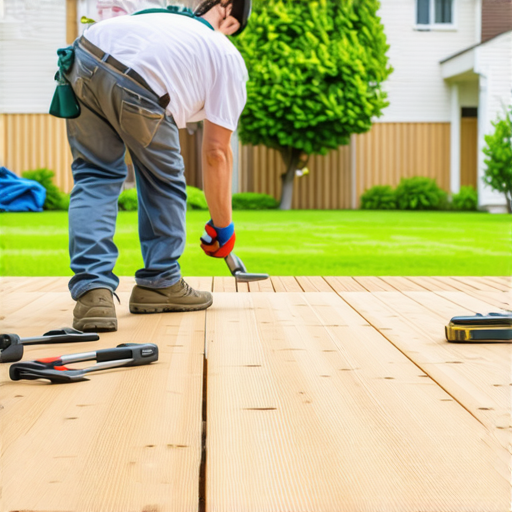
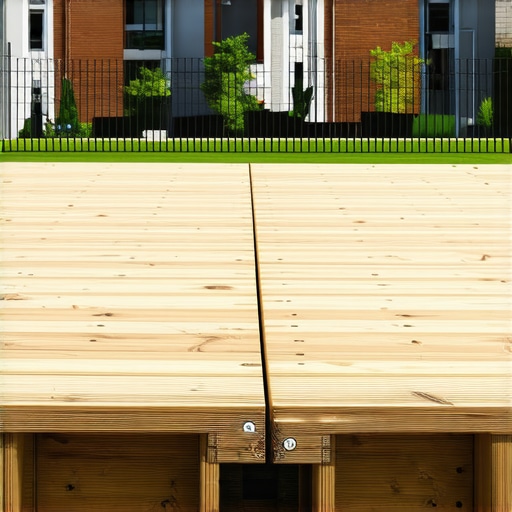
It was a warm spring afternoon when I stepped onto my backyard deck, only to feel it wobble under my feet. My stomach sank. A quick inspection revealed a wobbly post and uneven footing—something I had overlooked during my initial build. That moment was a wake-up call, highlighting how vital proper deck footing maintenance is, especially with the unpredictable shifts brought by Needham’s 2026 climate.
Why Your Deck Footings Could Be a Hidden Danger
In Needham, the climate is shifting—more frequent heavy rains, fluctuating temperatures, and freeze-thaw cycles are becoming the norm. These changes can compromise the stability of deck footings if not properly addressed. Early in my project, I made the mistake of assuming that a solid-looking footing would stay that way. Turns out, even minor cracks or settling can lead to dangerous structural issues over time. According to the Home Innovation Research Labs, poor footing stability is a leading cause of deck failures, which can cause injuries and costly repairs.
Are you wondering if your deck is truly safe? Have you noticed any wobbles, shifting, or cracks? If so, it’s time to take a closer look. Today, I’ll guide you through the practical steps to ensure your deck’s foundation withstands Needham’s changing environment.
But first, let’s tackle a common concern I hear from homeowners: “Is investing time and money into deck footing maintenance really worth it?” Well, let me tell you: neglecting this critical component can lead to expensive repairs or even total deck failure. Staying proactive not only keeps your family safe but also protects your investment.
To start, it’s essential to understand the typical signs of footing issues and the best practices for inspection and reinforcement. We’ll get into those next. But before diving into the how-to, let’s address the skepticism many have about the effectiveness of DIY inspections and repairs — because, trust me, I’ve been there.
Start with a Thorough Inspection
Begin by examining your deck for visible signs of instability, such as wobbling or unevenness. Use a level and a tape measure to assess whether the deck surface is flush or if there are noticeable tilts. Personally, I once climbed onto my deck during a windy day and noticed that it swayed slightly — a clear sign of underlying issues. Spotting these early signs can save you from costly repairs later.
Gather Essential Tools and Materials
Prepare a set of tools: a shovel, a pry bar, a concrete tester, and possibly a power jack if the footing needs to be adjusted. For materials, you’ll need gravel, concrete mix, and pressure-treated lumber if reconstruction is necessary. To help visualize the process, think of your deck’s foundation as a sturdy pair of shoes — it needs a solid base for ongoing stability.
Excavate Around the Footings Carefully
Dig around the existing posts to expose the concrete footings. Be cautious not to damage the post or surrounding structures. I once used a small hand pick to remove excess soil around a footing, which took patience but prevented accidental damage. Clearing soil exposes any cracks or signs of deterioration that may require repair or replacement.
Assess and Repair Damaged Footings
If you notice cracks, spalling, or sinking, it’s time to reinforce. Minor cracks can be sealed with hydraulic cement, but larger issues might require replacing the footing entirely. Remember, a cracked or compromised footing is like a loose foundation — it weakens the entire deck.
Reinforce or Replace Footings
For small repairs, pour concrete around the existing footing to fill gaps. Use a level to ensure the footing remains vertical. If a footing is too compromised, you’ll need to remove it and pour a new concrete base, possibly extending it deeper below the frost line—especially important in Needham’s climate where freeze-thaw cycles are common. Considering the local climate changes, proper depth and insulation are crucial—learn more about optimal footing design in modern-deck-joist-spacing-for-2026-needham-builds.
Backfill and Grade Properly
Fill the excavated area with gravel, sloping it away from the footing to promote drainage and prevent water pooling. Proper grading reduces the risk of frost heave, which can crack or lift your deck over time. I recommend checking local building codes or consulting Needham’s standards like deck-building-requirements-2026-needham-town-standards for guidelines on minimum depth and drainage.
Seal and Protect the Reinforced Foundation
Apply a high-quality sealant designed for concrete to prevent water infiltration and freeze-thaw damage. This extra step is vital for sustained durability, especially considering the climate shifts Needham faces. Don’t skimp on this step, or you may find yourself facing similar issues down the road.
Monitor Regularly and Schedule Future Checks
After reinforcement, set a schedule to inspect your deck every season. Look for new cracks or shifting and act promptly. Regular maintenance extends the lifespan and safety of your deck, ensuring you can enjoy it worry-free for years. For ongoing upkeep, check out how-to-spot-structural-deck-failure-in-2026.
Many homeowners believe that selecting a local deck builder is as simple as comparing prices or reading online reviews. However, in my experience, one of the biggest misunderstandings is assuming that all deck builders in Needham deliver the same quality and adherence to local standards. The truth is, many contractors may cut corners to maximize profits, especially if you’re not vigilant about specific nuances like proper joist spacing or material choices. For example, choosing the cheapest option without considering the long-term implications can lead to structural issues, as detailed in articles on modern-deck-joist-spacing-for-2026-needham-builds.
One widespread myth I encounter is that all pressure-treated wood is equal. In reality, only certain grades and wood types meet the durability and safety standards required for our climate, particularly in needham where freeze-thaw cycles are harsh. Picking subpar materials can result in warped or rotting decks within just a few years.
Another advanced mistake is overlooking the importance of proper deck drainage and ventilation. Many installers neglect these factors, which can trap moisture, accelerate rot, or cause frost damage. Experts stress that even minor oversights here can mean costly repairs down the line. According to industry research, decks built with inadequate drainage are up to 40% more likely to experience early failure.
So, what about the common trap of trusting free or overly cheap estimates? Often, these lack transparency about materials, permits, or warranties. An experienced Needham deck contractor will give you a detailed, transparent quote and explain the rationale behind material choices—like premium cedar or composite options—available at https://deckbuildersneedham.com/the-best-wood-types-for-a-luxury-deck-in-needham.
The key to avoiding these pitfalls lies in recognizing that the nuances of deck construction are subtle but critical. Have you ever fallen into this trap? Let me know in the comments. Remember, investing in a knowledgeable, detail-oriented contractor can save you thousands and ensure your deck stands strong for decades.Maintaining a durable and safe deck requires more than just a hammer and nails; it calls for precision tools and refined techniques. One tool I personally swear by is a digital moisture meter. This device helps me assess wood and concrete moisture levels accurately, which is crucial in Needham’s climate to prevent rot and frost damage. Using it regularly ensures my deck’s wood stays properly dried, extending its lifespan. Another essential piece is a high-quality steel pry bar, not just for removing old boards but for inspecting underlying structures without causing damage. I opt for one with a comfortable grip and a flared tip, making leverage easier and safer. For cleaning, I rely on a power pressure washer with adjustable nozzles—rigid enough to remove grime but gentle enough to avoid damaging the wood surface, especially when cleaning before staining or sealing. In fact, proper cleaning and staining techniques are vital for long-term maintenance, and having the right tools makes all the difference. Looking ahead, I anticipate the integration of smart monitoring systems into deck maintenance routines. Sensors embedded in footings and joists could alert homeowners to moisture intrusion or structural shifts early, saving time and preventing costly repairs. To get started today, try using a digital moisture meter before your next inspection—it’s a game-changer in proactive deck upkeep. How do I keep my deck functioning over time? Regular inspections combined with these targeted tools are the secret. For comprehensive safety tips and expert advice, visit the latest safety evaluations and make your maintenance routine smarter and more effective.
What the Toughest Lessons About Deck Stability Taught Me
One of the most profound insights I gained was that even small cracks in your deck’s footing can escalate into major failures if ignored. Watching my own deck wobble was a wake-up call, revealing that proactive monitoring is key—nothing beats catching issues early before they become costly disasters.
Another lesson was understanding the importance of proper grading and drainage. I realized that water pooling around footings doesn’t just cause minor damage; it accelerates frost heave, pushing my deck out of alignment. This underscored how critical attention to terrain and water flow is in Needham’s climate.
I also learned that material choices matter immensely. Subpar pressure-treated wood or inadequate concrete can significantly shorten your deck’s lifespan. Investing in quality materials and professional-grade sealants ensures resilience against aggressive freeze-thaw cycles, saving money in the long run.
Finally, I discovered that regular inspections and maintenance might seem tedious, but they are the best defense against unexpected failures. Using tools like a moisture meter and power washer regularly keeps my deck healthy and safe, reinforcing that prevention always beats repair.