
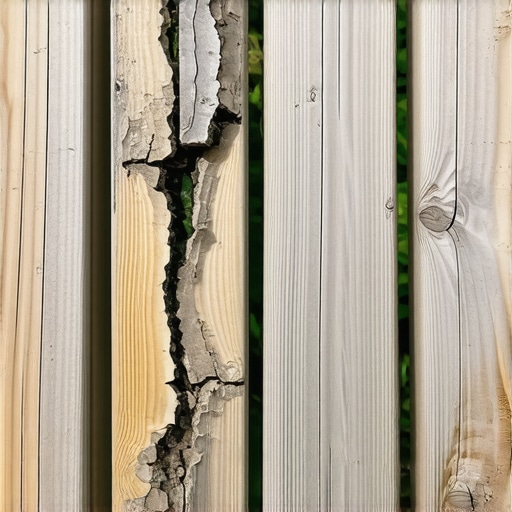
Ever stood on your deck and suddenly felt a shadow of doubt creep in? A loose board, a suspicious soft spot, or that telltale musty smell—those little signs can feel like the beginning of a nightmare. I learned this lesson the hard way when I ignored some warning signs on my own Needham backyard deck. One day, I stepped onto a seemingly solid surface and immediately felt it wobble—that unsettling sensation of underlying rot I wish I had recognized sooner. That lightbulb moment made me realize how critical regular inspections are, especially with the evolving materials and standards in 2026.
Why Recognizing Dry Rot Matters More Than Ever
The truth is, dry rot isn’t just a minor flaw—if left unchecked, it can threaten the entire structure of your deck. And with Needham’s damp climate in 2026, the risk has only amplified. Research shows that untreated wood deterioration can substantially compromise safety, leading to accidents or costly repairs (source: HomeInnovation). Yet, many homeowners overlook early signs, hoping it will just go away. Spoiler alert: it won’t. That’s why I want to share some straightforward, practical tips to help you identify the early warning signs before it’s too late. Whether you’re planning a new build or maintaining an existing deck, understanding what to look for can save you time, money, and potential hazards.
Is regular inspection really necessary with all these modern materials?
When I first started, I thought fancy new composite or treated woods were foolproof. But I learned that no material is immune to the effects of moisture and aging. A common mistake I made was relying solely on visual cues from afar, ignoring close-up details. Today, I’ll show you how to do those inspections right, so you don’t fall into the same trap. And if you’re curious about enhancing your deck’s safety, consider checking out how to hire a trustworthy local contractor for expert help. Knowing what to look for and when to call a pro can make all the difference in preserving your outdoor haven.
Start with a Close-Up Inspection
Recall a time I walked onto my deck and noticed a soft, spongy spot near the far corner. I grabbed a flashlight and a screwdriver, gently probing the wood surface. If your screwdriver sinks in easily or the wood crumbles, you’ve likely encountered early dry rot. Use a sturdy tool to poke suspect areas, focusing on joists, beams, and posts, since these are most vulnerable. Regular inspections like this, especially after storms, help catch problems before they escalate.
Check for Hidden Moisture
Dry rot thrives on moisture. I once used a handheld moisture meter on my deck’s underside, discovering dampness creeping in from poorly sealed flashing. For accurate results, invest in a moisture meter—these are inexpensive and reveal hidden moisture behind siding or beneath the deck boards. Addressing moisture leaks early prevents dry rot from establishing a foothold. Remember, sealing gaps and keeping gutters clean are simple steps with big impacts.
Identify Visual Clues Early
I learned that dry rot often presents as grayish, fuzzy patches or as crumbly wood that crumbles under pressure. On my deck, a fuzzy, whitish webbing appeared on a post—classic dry rot sign. Look for discoloration, mold, or musty smells, as these often accompany dry rot development. Regularly brushing and cleaning your deck helps spot subtle signs before they become major issues.
Test the Structural Integrity
During one inspection, I noticed a loose railing assembly. Using my hand, ITester gently wiggled the posts and beams; any excessive movement indicated compromised wood. For critical components like handrails and supports, apply a quick stability test—if it wiggles, it’s time for expert assessment. Don’t ignore these signs; securing or replacing affected parts immediately saves you from dangerous collapses later. Also, consider this quick safety test to keep your deck safe in 2026.
Examine the Under-Deck Space
From underneath, I checked for sagging or warped joists using a level and visual cues. Dark patches or crumbling wood beneath the deck aren’t visible from above but indicate advanced dry rot. Clean out debris regularly, and consider installing proper drainage and ventilation to prevent moisture buildup, which is vital in Needham’s damp climate. Proper ventilation, in particular, plays a role in drying out excess moisture and can be the difference in avoiding costly repairs later.
Remove and Replace Affected Wood
One time, I removed a sunken, soft railing post and replaced it with a new treated wood piece. I first cut out the compromised wood with a saw, then treated the remaining area with a preservative. When replacing, always use durable, rot-resistant material like cedar or composite, and apply a waterproof sealant—especially important for visible areas. If you’re unsure about the process, learn more about hiring honest professionals who can do the job safely and effectively.
Prevent Future Damage with Protective Measures
Applying a high-quality, eco-friendly stain can help protect your deck’s wood from moisture. I used a product like eco-friendly stain and noticed a significant decrease in moisture absorption. Keep your deck clean, reseal as needed, and trim nearby plants to improve airflow and sunlight exposure. Also, ensure any structural repairs meet local standards to maintain safety and longevity, especially as deck codes evolve in 2026. Regularly reviewing these aspects ensures your deck remains a safe, enjoyable space for years to come.
Many homeowners assume that hiring a deck builder in Needham boils down to selecting the lowest bid or choosing the most visible materials. However, this overlooks a crucial nuance: the importance of understanding the contractor’s approach to durability, code compliance, and long-term maintenance. Contrary to popular belief, not all deck builders prioritize these aspects, which can lead to significant issues down the line.
One common myth is that using premium materials automatically ensures a lasting deck. While high-quality materials like cedar or composite are beneficial, their true longevity depends on proper installation and ongoing maintenance strategies. For example, a deck built with the best wood can deteriorate rapidly if the builder neglects ventilation, flashing details, or correct joist spacing—factors often misunderstood or overlooked by untrained contractors.
In my experience, many homeowners fall into the trap of choosing a deck builder based solely on price or flashy portfolios, without assessing their mastery of local building codes or sustainable practices. This oversight can result in a deck that looks great initially but becomes a safety hazard in just a few years, especially in climate zones like Needham where moisture management is critical.
Are you aware of how a builder’s approach to dry rot prevention can save you thousands?
Advanced builders incorporate nuanced techniques such as installing proper venting, using corrosion-resistant hardware, and sealing vulnerable joints—methods backed by industry research to prevent dry rot and structural decay (Home Innovation Lab). Skipping these details is a common mistake that can turn an aesthetic upgrade into a dangerous liability.
Furthermore, some contractors cut corners on flashing or fail to address drainage issues, which exacerbates moisture retention—especially relevant in Needham’s damp climate. Overlooking these nuances isn’t just a technical oversight; it’s an invitation for future headaches and expenses.
Have you ever fallen into this trap? Let me know in the comments. The key takeaway is that a truly expert deck builder doesn’t just build beautiful decks—they engineer lasting solutions that consider climate, safety standards, and future-proofing. If you’re in need of a professional, ensure they understand the subtle art of moisture management and code adherence, which are often underestimated but critical in 2026 and beyond.
For more insights on choosing trustworthy providers, check out how to hire an honest deck contractor. Recognizing these hidden nuances can make all the difference in creating a deck that stands the test of time in Needham’s unique environment.
Maintaining a durable and beautiful deck requires more than just periodic inspections; it hinges on using the right tools and adopting effective maintenance practices. Over the years, I’ve refined my toolkit to ensure my decks remain safe, functional, and visually appealing, especially given Needham’s climate in 2026. Investing in high-quality equipment not only streamlines upkeep but also extends the lifespan of your outdoor space.
Invest in a Quality Moisture Meter
One of the most valuable tools in my maintenance arsenal is a digital moisture meter. It provides precise readings of moisture levels within wood structures, helping me identify dampness hidden behind siding or beneath deck boards. This early detection is crucial, as moisture is the primary culprit behind dry rot and structural decay. I personally prefer models that offer instant readings and hold data for multiple zones, allowing me to compare areas quickly and pinpoint trouble spots before they escalate. Regularly measuring moisture content, especially after storms or rainy periods, ensures my decks stay dry and healthy.
Use a Powerful Surface Cleaner and Soft Wash System
Cleaning your deck thoroughly is essential to prevent mold, algae, and mildew buildup. I recommend a commercial-grade soft wash system paired with eco-friendly cleaning solutions. Unlike pressure washing, which can damage wood fibers, a soft wash gently removes grime without etching or gouging the surface. This approach preserves the integrity of treated wood or composites while preparing the surface for sealing or staining. Over time, this routine minimizes the risk of moisture infiltration and extends the intervals between major repairs.
Maintain Precise Cutting and Drilling Equipment
When it’s time to replace or repair boards, I rely on a high-quality, cordless reciprocating saw combined with sharp, specialized blades designed for wood. Using the right blades speeds up work and ensures clean cuts that fit perfectly, reducing gaps where moisture can seep in. Additionally, a cordless drill with adjustable torque settings helps avoid overdriving screws and damaging the wood, maintaining the structural integrity of my deck.
Adopt an Advanced Lighting System
Enhancing your deck’s appearance and safety with tailored lighting is both functional and aesthetic. For instance, I install low-voltage LED fixtures in key areas, like steps and corners, which I control via smart switches. Not only does this improve nighttime usability, but it also aids in inspections—highlighting signs of damage or rot that might be less visible in daylight. To see innovative ideas, check out unique lighting options for your 2026 Needham deck.
Future Trends: Integrating Smart Maintenance Tech
Looking ahead, I predict that smart sensors and IoT devices will become standard in deck maintenance. Imagine sensors embedded beneath the surface or within joists that continuously monitor moisture, temperature, and structural stability, alerting you via smartphone apps if issues arise. Early adopters could prevent costly repairs and ensure safety proactively. Currently, some companies are experimenting with these innovations, and integrating them into your next deck project might be a smart move.
How do I keep my deck working over time?
The key is consistency combined with smart tooling. Regularly measuring moisture, cleaning thoroughly, and replacing worn components diligently helps maintain your deck’s long-term health. Also, staying updated on the latest materials and technological advances—like eco-friendly stains and smart sensors—can make your maintenance routine more efficient and effective. For practical guidance on sealing and staining, consider exploring eco-friendly stains tailored for Needham’s climate.
To get started, try implementing a moisture testing routine seasonally. This simple step can reveal lurking problems before they turn into costly repairs, ensuring your deck remains a safe and beautiful space for years to come. Remember, the right tools make all the difference in maintaining your deck effectively and efficiently.
The Little Signs I Ignored That Could Have Saved My Deck
One of the most valuable lessons I gained was recognizing that small, seemingly insignificant signs—like a faint musty smell or a slightly creaky board—could hint at deeper issues like dry rot. Ignoring these early clues almost led to a costly rebuild. Now, I know that paying attention to the details, such as fuzzy patches or subtle discoloration, makes all the difference in preserving my outdoor oasis.
Tools That Turn Inspection Into Prevention
Investing in a quality moisture meter and a soft wash system transformed my maintenance routine. These tools help catch problems early—before they become emergencies—and save money in the long run. My trusted moisture meter provides instant insights into hidden moisture behind siding or beneath boards, while eco-friendly cleaning solutions keep my deck looking fresh and healthy.
Beyond the Surface: The Real Cost of Cutting Corners
My biggest realization was understanding that material quality alone isn’t enough. Proper installation techniques—like correct joist spacing, effective flashing, and ventilation—are crucial for longevity, especially in moisture-prone areas like Needham. Learning to identify telltale signs of structural decay and understanding the importance of hiring professionals who prioritize safety and code compliance has made my outdoor space safer and more durable.
Curated Resources That Keep Me Ahead
- Eco-friendly stains: I rely on top-rated environmentally safe wood stains ([see more](https://deckbuildersneedham.com/eco-friendly-wood-stains-for-needham-decks-in-2026)) for protecting my deck against moisture and UV damage.
- Professional guidance: For expert help, I recommend consulting trusted contractors ([learn how to find honest professionals](https://deckbuildersneedham.com/how-to-hire-an-honest-deck-contractor-in-needham-this-year)).
- Design inspiration: Innovative deck lighting ideas ([see suggestions](https://deckbuildersneedham.com/unique-lighting-for-your-2026-needham-custom-deck)) help me create a warm, inviting ambiance for evening gatherings.
Your Next Step Starts Now
Taking proactive measures today—like seasonal moisture testing and routine cleaning—can extend your deck’s lifespan and keep your family safe. Remember, the key is consistency and using the right tools, like a moisture meter or eco-friendly cleaner. Whatever your project, make sure your deck stands strong against Needham’s climate in 2026 and beyond.