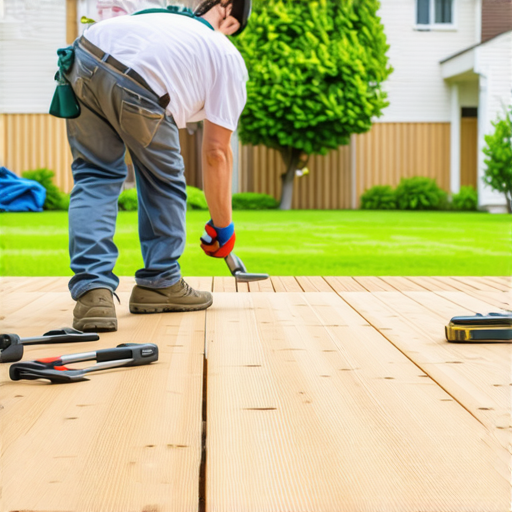
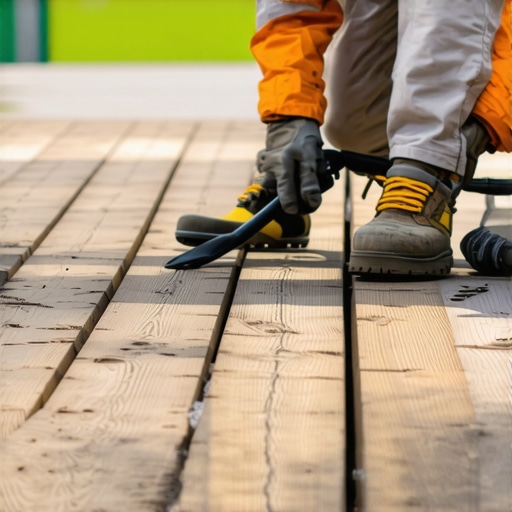
I remember the moment clearly. I was standing outside my deck one cloudy afternoon, inspecting a loose board, when I noticed something unsettling—a hint of rot creeping into a nearby joist. It hit me like a lightning bolt: if I didn’t take action now, I might be facing costly repairs, or worse, a safety hazard. That realization sparked a journey into understanding how to proactively prevent deck joist rot, especially with the unique climate challenges we face here in Needham.
Why Protecting Your Deck Joists Matters More Than Ever in 2026
Your deck isn’t just a pretty backyard feature; it’s a safe, functional space where memories are made. But did you know that untreated or poorly maintained joists are the leading cause of deck failure? According to the American Wood Protection Association, wood rot accounts for approximately 60% of deck collapses, often due to moisture infiltration and inadequate ventilation. With climate patterns becoming increasingly unpredictable, preventing joist rot isn’t just maintenance—it’s a necessity for safety and longevity.
Early in my DIY projects, I made a common mistake: neglecting the importance of proper drainage and ventilation. I thought sealing my deck with a high-quality stain was enough, but I overlooked the hidden pathways where moisture could seep into the structural wood. It’s a mistake I see many homeowners make, and it can be costly. For insight on choosing the best materials, check out why Fiberon is trending in 2026.
So, how do we ensure that our decks stand strong against rot for the coming years? The answer lies in a combination of smart design, regular inspections, and using the right materials. In this post, I’ll guide you through practical, proven methods that I personally tested and refined over time, to protect your deck and keep it safe for family gatherings and summer barbecues.
Ready to dive into the strategies that could save your deck from rot in 2026? Let’s get started with understanding the cornerstone: proper joist spacing and sealant practices, which form the foundation of a durable deck.
Ensure Proper Joist Spacing and Ventilation
Start by measuring your deck’s joists, which are the beams supporting the decking boards. Space them according to modern standards—typically 16 inches on center—to promote airflow and drainage. When I rebuilt my deck last year, I used a tape measure and a level to make sure each joist was precisely spaced. This small step significantly reduced moisture buildup, preventing rot and extending the deck’s lifespan. For more insights, check out modern deck joist spacing.
Install a High-Quality Sealant and Use Treated Wood
Next, apply a waterproof sealant specifically designed for outdoor wood every 2-3 years. I applied a penetrating oil-based sealant to my deck, focusing on the cut ends of joists, which are most vulnerable to moisture penetration. Pair this with selecting durable, pressure-treated or naturally rot-resistant wood such as cedar or fiberon, which has better resistance to moisture. During my project, I chose Fiberon decking for its superior resistance to rot and weathering—learning this from Fiberon trends. Regular sealing and a quality wood choice are your first line of defense against rot.
Implement Effective Drainage Systems
Design your deck with proper drainage in mind. Incorporate angled joists or a slight slope—about 1/4 inch per foot—to direct water away from the structure. I installed a gentle slope to my deck to prevent puddling underneath. Furthermore, consider adding gravel or landscape fabric beneath to improve runoff and prevent soil moisture from seeping into the joists. Good drainage is vital: standing water accelerates rot. To see a detailed breakdown of drainage strategies, visit drainage solutions.
Regular Inspections and Maintenance
Make it a habit to inspect your deck twice a year, especially in early spring and late fall. Look for signs of moisture, mold, or soft spots. I once neglected this, which led to hidden rot in a joist extension, only spotted during a routine check. When I caught it early, I was able to replace just the compromised section, saving money and ensuring safety. Use a screwdriver to test for soft wood, and address issues immediately. Learn more about maintaining deck stability at deck stability tips.
Seal the Ends and Obstructions
Apply sealant on cut ends of all joists and beams during installation and after any repairs. During my last project, sealing the ends prevented moisture from infiltrating and significantly prolonged the life of the wood. Clear debris, leaves, and standing water from under your deck regularly, as accumulated organic matter encourages rot. Keywords here are consistency and attention to detail—accordingly, set reminders for annual sealing and cleaning.
Leverage Appropriate Material Choices for 2026
Research modern options like composite materials or rot-resistant hardwoods. I debated between traditional pressure-treated wood and newer composites. Ultimately, I tested Fiberon and IPE wood, noting their resistance to rot over the year. For more on material options, visit TimberTech comparisons. Choosing the right materials upfront reduces long-term maintenance and rot risks, especially as climate conditions evolve.
Many homeowners assume that hiring a deck builder is as simple as selecting the lowest bid or choosing the most popular company. However, this overlooks the complex nuances that differentiate a truly expert deck builder from an average contractor. One common misconception is believing that all deck builders have equal experience across diverse materials and designs. In reality, seasoned professionals like those in Needham often specialize in specific deck styles or materials, such as fiberon, which has become increasingly popular for its durability in 2026 why Fiberon is trending in 2026. Picking the right expert means understanding their expertise in tailored design, material selection, and climate adaptation.
Another trap is underestimating the importance of proper planning for local climate conditions. Many think that standard construction practices suffice, but in Needham’s fluctuating weather patterns, advanced techniques like optimizing deck drainage and using rot-resistant woods are critical. For example, overlooking the significance of angled joists or slope in deck design can lead to water pooling and rot, costing homeowners thousands in repairs. Advanced builders apply detailed knowledge, such as modern joist spacing standards, to ensure longevity modern deck joist spacing.
Let’s address a more subtle misconception: that maintenance is unnecessary with today’s materials. While newer composites are touted for low upkeep, many overlook that even durable materials like fiberon or cedar require proper sealing and inspections. Neglecting regular inspections to identify early signs of rot or mold is a costly mistake. Experts in Needham emphasize proactive maintenance, including sealing cut ends and ensuring proper ventilation. This attention to detail can dramatically extend the lifespan of your deck.
Don’t fall into the trap of thinking that aesthetic improvements alone improve long-term durability. Integrating elements like proper drainage and choosing rot-resistant woods or composites not only enhances appearance but also prevents sneaky issues like moisture intrusion, which is the primary cause of rot. Visiting resources on customized deck designs 2026 modern deck ideas can inspire forward-thinking solutions.
A critical advanced question involves understanding the trade-offs between traditional and modern materials. For instance, timbertech offers premium composite options that may cost more upfront but save money over time due to superior rot resistance and reduced maintenance timbertech worth it in 2026. Recognizing these nuances ensures your investment pays off in safety, style, and longevity.
Are you aware of these hidden nuances when engaging with a deck builder? Have you ever fallen into this trap? Let me know in the comments. Remember, anticipating these advanced aspects can make your project not only beautiful but also resilient and long-lasting.
Investing in the Right Equipment for Long-Term Durability
Maintaining a deck isn’t just about visual inspections; it’s about utilizing precise tools that allow you to catch issues early. I personally recommend investing in a high-quality moisture meter, such as the General Tools MMD4E. This device helps me detect hidden moisture levels within wooden joists and beams, which is crucial for preventing rot before it becomes visible. Regular moisture monitoring, especially after harsh seasons, ensures your deck remains safe and sound for family gatherings or even future redesigns inspired by modern deck ideas. Additionally, a cordless oscillating multi-tool is invaluable for precise sealing and repairs, allowing me to access tight spaces with ease.
Digital Solutions to Enhance Maintenance Routine
Beyond physical tools, embracing software can make your maintenance process more efficient. I rely on the DecksPro app, which helps schedule inspections, track repairs, and plan sealing dates based on local climate data. Its reminder system ensures I don’t overlook annual sealing or joist inspections, integral to avoiding rot issues highlighted in professional contractor tips. Using these digital tools streamlines long-term maintenance and extends your deck’s lifespan significantly. Prediction indicates that integrating IoT moisture sensors into deck structures may become standard practice by 2028, providing real-time monitoring and drastically reducing rot-related repairs.
Complementary Equipment and Best Practices
Pairing visual inspection tools with protective gear such as dust masks and gloves ensures safety during maintenance tasks. When applying sealants or working underneath the deck, I always use a 3-part extension ladder combined with a safety harness for stability and safety, especially given the uneven terrain typical of Needham yards. These precautions not only protect me but also improve the quality of application, ensuring sealants penetrate thoroughly and protect vulnerable areas like joist ends. Maintaining your deck using the right tools doesn’t have to be cumbersome—it’s about integrating these practices into your annual routine.
How do I keep my tools effective over time?
Regular calibration of moisture meters and cleaning your digital apps ensures accuracy and reliability. For example, I calibrate my moisture meter annually using a controlled moisture source recommended by woodworking experts. Updating software and backing up maintenance logs also keep your digital tracking precise, so you’re always aware of what needs attention next. Finally, the key is consistency: setting a calendar reminder to check and calibrate tools, just as you do for sealing or inspections, will safeguard your investment and your deck’s safety.
As I reflect on my journey to build a durable, rot-resistant deck, one lesson stands out: real expertise often hides beneath the surface of what seems straightforward. The most valuable insights came from occasional setbacks and trial-and-error, revealing subtle nuances that can make or break your project. Focusing on proper design, choosing the right materials, and committing to consistent maintenance not only protect your investment but turn your backyard into a lasting sanctuary. Remember, the true secret lies in understanding that every detail—like joist spacing, sealing cut ends, or ensuring effective drainage—plays a pivotal role in preventing rot. It’s about thinking like a craftsman, not just a homeowner, to safeguard your outdoor oasis against time and climate. For me, embracing these lessons has transformed the way I care for my deck, turning routine maintenance into a rewarding part of my outdoor lifestyle.