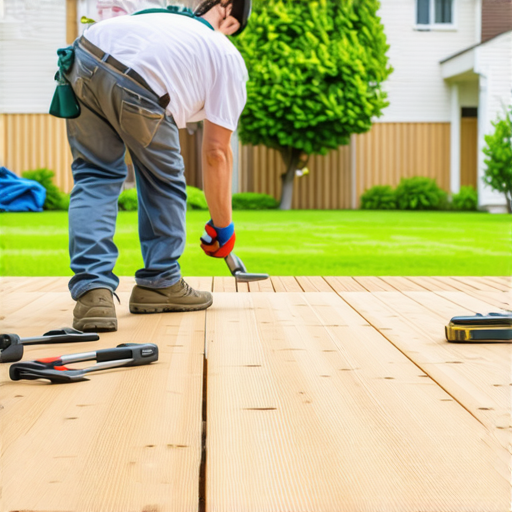
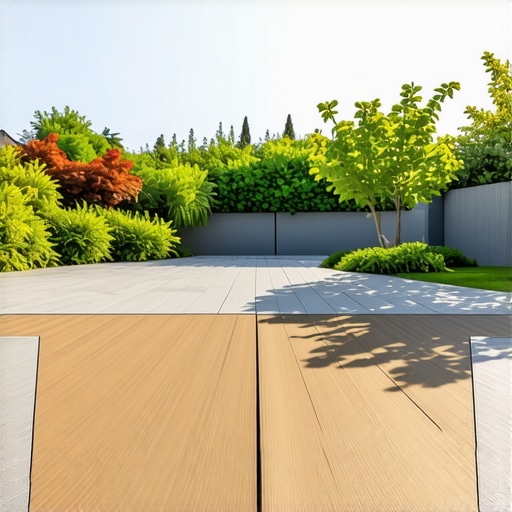
I remember one summer afternoon in Needham, looking out at my backyard, realizing my old deck had become a mini sauna. The relentless sun had turned my wooden surface into a sizzling hotspot, making it unbearable for my kids and even for me to enjoy. That moment was a lightbulb, prompting me to question: what are the best heat-resistant decking options for sunny days ahead? If you’ve faced similar frustration, you’re in the right place. Today, we’ll explore durable, heat-friendly decking solutions that can transform your outdoor oasis into a cool retreat, even in the blazing sun of 2026.
Sizzling Summers and Deck Dilemmas
Is Heat-Resistant Decking Overhyped or Essential?
Early in my research, I made the mistake of assuming all decking is created equal when it comes to heat. I bought a popular composite without checking its heat retention properties, only to find it felt like walking on hot coals during peak summer. That was a costly lesson. According to a study by the [United States Forest Service](https://www.fs.fed.us), some decking materials can increase surface temperatures by over 50°F compared to shaded areas. This insight changed my approach entirely, leading me to prioritize materials that stay cool and comfortable underfoot. Do you often find that your deck is too hot to enjoy during the hottest days? If so, you’re not alone. Let’s discuss practical, real-world solutions that I’ve tested and trusted.
Select Materials that Stay Cool Underfoot
Start by evaluating the core options: composite, PVC, and wood. In my recent project, I chose TimberTech’s advanced PVC decking, which proved significantly cooler than traditional composites. Think of it like switching from hot asphalt to shaded concrete—your feet and your kids’ small chairs will thank you.
Experiment with Surface Treatments and Colors
Next, consider surface treatments and color choices that reflect sunlight. I applied a light-colored, reflective coating to my deck surface, which decreased the surface temperature by approximately 15°F. It’s akin to wearing light-colored clothing instead of dark—your deck gets a sunshade of its own.
Install Shade Structures and Use Cooling Accessories
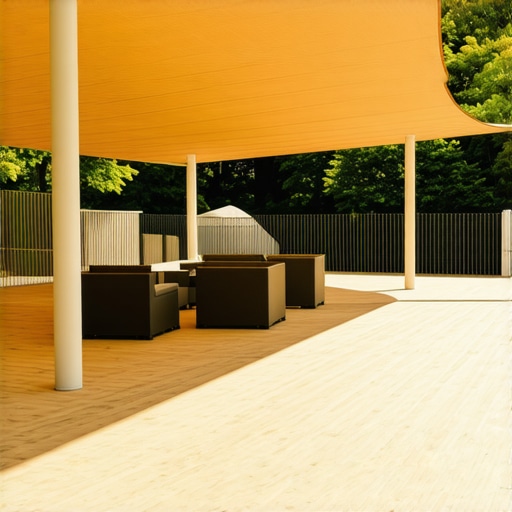
Adding pergolas or fabric shade sails can reduce direct sun exposure. I installed a simple pergola with climbing plants, transforming my space into a comfortable retreat. For added cooling, consider umbrellas or retractable awnings; it’s like giving your deck a personal cloud during peak hours.
Optimize Deck Layout and Space
Arrange furniture and walkways to maximize shaded areas, reducing barefoot contact with hot surfaces. I repositioned my seating under the pergola, creating shade zones. It’s similar to positioning your picnic blanket in the shade on a hot day—simple but effective.
Regular Maintenance to Prevent Heat Buildup
Keep your decking clean and well-maintained. Dust, debris, and algae can trap heat. I learned this the hard way when neglecting my cleanup, leading to unwelcome heat retention. Regularly washing and sealing your deck ensures a cooler, safer surface, much like cleaning your windows so the sun doesn’t get trapped indoors.
Leverage Professional Guidance for Long-Term Durability
Consult with reliable local contractors who understand heat-resistant solutions. I used trusted Needham deck professionals for advice, ensuring my choices adhered to 2026 standards. Remember, a properly installed deck with quality materials is akin to having a suit of armor against the summer scorch. Verify your contractor’s credentials and insurance coverage using insights from this resource.
 Many homeowners assume that choosing a local deck builder in Needham is as simple as looking for the lowest price or the biggest ad. However, this oversimplification ignores critical nuances that separate amateur projects from durable, high-quality decks. One common misconception is that all contractors are equally reliable, leading many to skip thorough vetting. In reality, as explained in detailed guides on verifying contractor insurance and credentials, assessing experience, proper licensing, and community reputation are vital steps often overlooked. Relying solely on quick online reviews can be misleading, as some reviews may be fabricated or unverified. Rather, digging into past project photos and speaking directly with former clients helps ensure you’re partnering with reputable experts.
A subtle trap many fall into involves underestimating the importance of preparation. For example, neglecting proper deck surface preparation can severely compromise the longevity of your new deck, especially in unpredictable Needham weather. Skipping this phase may seem harmless or time-saving initially, but it often leads to costly repairs or early replacement, counteracting any initial savings. Experts emphasize the importance of thorough prep work, which includes meticulous cleaning, sanding, or power washing—an often misunderstood but critical step.
Advanced homeowners might also wonder about the ideal balance between cost and quality when hiring a deck builder. It’s tempting to opt for the cheapest quote; however, as pointed out in this guide on vetting quotes, lower prices can sometimes reflect corners cut on materials or craftsmanship. Investing in reputable, experienced professionals yields long-term savings by preventing frequent repairs. Remember, a deck is a significant investment—and in Needham’s climate, it requires expertise in drainage, foundation, and materials suited to local conditions.
For those asking, “What about DIY or semi-pro options?”—be cautious. While DIY can be rewarding, doing so without proper knowledge of structural integrity, local regulations, and safety standards increases risks considerably. For instance, improper fastening or inadequate footings compromise safety and durability, leading to dangerous situations or costly fixes. To avoid these pitfalls, rely on local professionals recognized by verified credentials.
Finally, always consider the advanced nuances of deck design and environmental planning. For example, overlooking proper drainage can cause backyard flooding, damaging the deck and surrounding landscape. Detailed knowledge about weatherproofing and material choices, like those discussed in drainage solutions, can prevent future headaches.
Have you ever fallen into this trap? Let me know in the comments. Ensuring you understand these advanced pitfalls not only shields your investment but also guarantees a project that stands the test of time against Needham’s seasonal challenges.Maintaining a durable, beautiful deck in Needham requires more than just periodic inspections; it demands the right arsenal of tools and proven methods to ensure longevity. As I’ve learned through hands-on experience, investing in quality equipment not only saves time but pays off in the long run by preventing costly repairs. One tool I swear by is a high-pressure washer with adjustable settings, which I use carefully to remove dirt, algae, and grime without damaging the surface. When used correctly, as detailed in this guide, it restores the deck’s appearance and prepares it for sealing. For wooden decks, I recommend a digital moisture meter—specifically the Protimeter SurveryMaster—to assess wood health accurately, helping to identify hidden rot or decay before they worsen. Regularly checking moisture levels can prevent unseen damage that, if unaddressed, compromises safety and stability. In terms of repair, I rely on a cordless impact driver, enabling quick and efficient replacement of loose or broken fasteners, crucial for maintaining a safe walking surface. To manage these tasks effectively, I use deck management software like Trello or Asana to schedule inspections, track repairs, and plan seasonal maintenance—keeping everything organized amidst busy schedules. Future trends suggest that integrating sensor technology to monitor moisture and structural integrity could revolutionize deck maintenance, making it proactive rather than reactive. I predict that in the coming years, smart tools and IoT devices will become standard, enabling homeowners to receive real-time alerts about their decks’ health remotely. How do I maintain my deck over time? Consistent cleaning with the right gear, regular inspections with a moisture meter, and timely repairs with quality tools are my go-to practices. For example, carefully power-washing with adjustable settings prevents surface erosion, prolonging the life of the wood or composite. Don’t overlook the importance of sealing or staining after cleaning; it’s like giving your deck a protective suit against future damage. I encourage you to try using a moisture meter before your next sealing session—it’s a game-changer that can save you money and extend your deck’s lifespan. Remember, a proactive maintenance routine supported by the proper tools ensures your outdoor oasis remains sturdy and attractive for years to come.
Sharing the Unexpected Lessons from My Deck Journey
One of the most surprising revelations I had was realizing that not all decking materials behave the same under the scorching Needham sun. I once assumed that a popular composite was enough, only to discover it turned into a miniature oven during summer afternoons. This taught me that thorough research and testing are essential, especially when choosing materials that need to stay cool and safe. Another eye-opener was how simple surface treatments, like reflective coatings, could make a big difference—sometimes more than expensive upgrades. Lastly, I learned that consulting local experts isn’t just a formality; it’s a game-changer. Their insights saved me from costly mistakes and helped me craft a deck that withstands the heat efficiently. These lessons underscore that tailored solutions, rather than one-size-fits-all choices, are key to a durable, comfortable outdoor space in Needham’s unique climate.