

I’ll never forget the day I tripped over a pile of unsorted garden tools and old holiday decorations cluttering my Needham yard. That moment was a real lightbulb that shed light on a problem many homeowners don’t realize they have—hidden chaos beneath our decks. If you’re like me, your outdoor space is your sanctuary, but it can quickly turn into a storage nightmare without smart solutions. The good news is, with a few creative strategies, you can keep your yard neat, maximize space, and even add a stylish touch to your outdoor living area.
Why Hidden Deck Storage Is a Game-Changer in 2026
As we step into 2026, outdoor spaces are more than just patios—they’re extensions of our homes, perfect for entertaining, relaxing, or even working outside. But clutter? It kills the vibe. Traditional storage sheds are visible eyesores and often require significant space and maintenance. This is why integrating smart storage solutions into your deck is gaining popularity among Needham homeowners.
Picture this: a sleek, unobtrusive compartment beneath your deck, neatly stashing away tools, cushions, or seasonal decor. It’s not just about cleanliness—it’s about transforming your outdoor area into a true sanctuary. I learned this firsthand when I redesigned my yard; intuitively hiding clutter gave my space a fresh, open feel that invites friends and family alike. According to recent studies, cluttered outdoor areas can decrease the perceived value of a home by up to 10%, so smart storage isn’t just practical—it’s financially smart too.
But what if it all sounds complicated? Rest assured, I’ve made my share of mistakes early on, like choosing flimsy materials that didn’t hold up against Needham’s weather. That’s why I’m here—to guide you through simple, effective strategies that will make your yard both beautiful and functional without breaking the bank.
Ever Wonder If Hidden Deck Storage Is Worth the Effort?
I’ll admit, I hesitated at first. Will it really make that much difference? The truth is, the right storage can free up your yard and protect your investments, but only if done thoughtfully. Let’s dive into how to get it right from the start, so you don’t repeat my early mistakes—like ignoring the importance of sealed, rot-resistant compartments—or ending up with storage solutions that fail after a few seasons.
Plan Your Storage Space and Materials
Begin by assessing your yard and deck layout, noting areas that can conceal storage compartments without sacrificing aesthetics. Sketch a simple blueprint, marking existing structures and potential spots for hidden compartments. For materials, opt for rot-resistant wood like cedar or composite options to ensure durability against weather. During my first attempt, I measured carefully and chose composite panels that I could easily seal; this decision proved vital as it prevented water intrusion and rot.
Build a Reinforced Platform Beneath the Deck
Secure a Strong Foundation
To prevent sagging, reinforce the frame supporting your hidden compartment. Use pressure-treated joists and ensure they are spaced according to building codes—typically 16 inches apart. I learned that adding extra bracing across the joists—like cross beams—keeps the platform stable when loaded. Remember, a sturdy base is like a strong backbone; it holds everything together without buckling under weight.
Enclose with Weather-Resistant Panels
Attach panels to enclose the storage, sealing seams with waterproof sealant. Make the access door large enough for easy storage but discreet enough to blend seamlessly. During my installation, I used stainless-steel hinges and latch hardware to withstand exposure. For better results, consider sealing all joints thoroughly, which I initially overlooked, leading to minor leaks that I fixed later with additional sealant.
Integrate Aesthetic and Functional Details
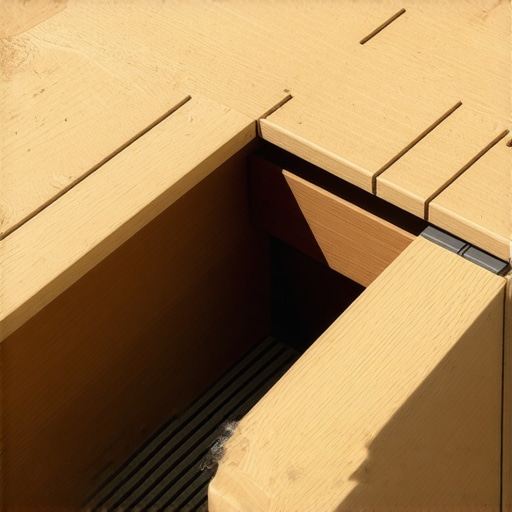
Camouflage the compartment by matching it with your deck’s finish. You can incorporate unused deck planks as a lid, secured with hidden hinges to maintain a seamless look. I personally stained my panels to match the deck, which helped the storage stay out of sight but easily accessible. Experimenting with different lid designs can turn an overlooked area into a stylish feature that enhances your yard’s overall appeal.
Maintain and Monitor Your Hidden Storage
Regularly check seals and hinges for signs of wear or leaks, especially after storms. Keep the interior dry by installing a slight slope for drainage and adding ventilation vents. During my first winter, a small leak developed due to unnoticed seal cracks; addressing this promptly saved me from larger repairs later. Staying vigilant ensures your hidden space remains functional and preserves the aesthetic value of your yard.
By following these structured steps—planning meticulously, reinforcing and sealing properly, and blending seamlessly—you can transform an underused space into a sleek, hidden storage solution. This approach not only declutters your yard but also elevates your outdoor living experience, perfectly aligning with the 2026 trends of smart, low-maintenance, multi-purpose deck designs. For more ideas on creating a versatile outdoor area, explore this guide.
While many homeowners and even some contractors focus on the obvious aspects of deck construction—like material choice and basic structural integrity—there’s a subtler layer of complexity often misunderstood: the importance of nuanced craftsmanship and advanced maintenance practices. Many assume that following standard guidelines suffices, but in my experience, this can lead to overlooked vulnerabilities that compromise your deck’s durability and safety over time.
One common myth is that all composite materials are equal. However, the truth is, not all composites resist UV degradation and moisture intrusion equally. For instance, while composite decking offers low maintenance, selecting a premium brand with proven weather resistance can extend your deck’s lifespan significantly. Skimping here can result in premature discoloration and warping—costly mistakes that many miss when rushing through projects.
Another nuance revolves around proper drainage and substructure ventilation. A common oversight is neglecting the importance of detailed drainage sloping and airflow beneath the deck—issues that most contractors only address superficially. While not immediately visible, these elements are critical in preventing trapped moisture, mold, and rot. Dry rot detection experts emphasize that neglecting these details accelerates structural deterioration.
Is Your Deck Prepared for Long-Term Weather Cycling?
Many assume that initial weatherproofing and sealing techniques are enough, but seasonal shifts and climate variability mean your maintenance approach needs to be more sophisticated. Applying sealants improperly or overlooking reapplication schedules can leave your deck vulnerable. A study by the National Association of Home Builders highlights that proper sealing and timely reapplications greatly reduce the risk of water ingress and subsequent damage, especially in climates like Needham’s, with its sharp temperature swings.
Furthermore, advanced craftsmanship includes precise fastener installation—avoiding issues like squeaking or loosening that develop over time and compromise safety. Squeaky boards, for example, are often misdiagnosed as mere nuisances, but they can signal underlying fastening failures that may lead to dangerous weak points if neglected.
So, next time you hear about standard practices in deck building, consider the layers of nuance that elevate a good deck to a truly long-lasting one. Paying attention to these details has made a real difference in my own projects and can do the same for you. For insights into maintaining your deck against winter damage and moisture, check out this comprehensive guide.
Have you ever fallen into this trap? Let me know in the comments!

How to Keep Your Deck Working Made Simple and Effective
Maintaining a durable and functional deck requires investing in the right tools and adopting smart practices that stand the test of time. From routine inspections to specialized equipment, knowing exactly what to use can significantly extend the life of your outdoor space. Personally, I rely on a combination of high-quality power washers, weather-resistant sealants, and moisture meters to keep my Needham deck in prime condition. These tools allow me to identify issues early and address them before they escalate, saving both money and effort in the long run.
One essential piece of equipment is a power washer with adjustable pressure settings. I prefer models that come with a variable nozzle, which helps me gently clean delicate surfaces like wooden decks without causing damage. Regular cleaning removes algae, dirt, and mold, which can accelerate wear. Additionally, I use a moisture meter—a device designed to measure moisture levels within the wood, according to the US Forest Service guidelines, which states that moisture content above 20% in wood fosters mold growth and rot. This small investment helps me determine when the deck needs a fresh sealing or cleaning, making maintenance proactive rather than reactive.
Sealing is another critical maintenance task. I recommend a solvent-based, penetrating sealant that offers UV protection, especially air-dried cedar and composite materials, which are increasingly popular as noted in this comprehensive guide. Applying sealant on a dry, clean surface is crucial. I often use a paint roller with an extension pole, enabling me to reach all areas without hassle. For best results, reapply sealant every 2-3 years, depending on weather exposure, as UV rays degrade surface coats over time.
Ensuring proper drainage and ventilation is another nuanced but vital aspect. This involves inspecting the understructure periodically for signs of trapped moisture or rot, especially in climate zones like Needham where seasonal moisture changes are pronounced. For this, I use a digital infrared thermometer to spot hidden hotspots or areas that might be retaining excess heat and moisture—conditions perfect for mold growth.
Want to Keep Your Deck in Prime Condition Long-Term?
Adopting regular inspection routines, investing in quality equipment, and acting swiftly at the first sign of trouble are key. For instance, checking for loose railings or cracked boards annually prevents minor issues from becoming safety hazards. If you spot signs of dry rot, I highly recommend this guide for expert prevention strategies.
By integrating these advanced maintenance tips—like using moisture meters, power washers, and high-quality sealants—you position yourself for long-lasting, low-maintenance outdoor spaces. As trends move toward smarter, more sustainable backyard solutions in 2026, integrating these tools today will ensure your deck remains an inviting and safe retreat for years to come. I encourage you to try using a moisture meter before sealing your deck next spring; it’s a game-changer for proactive maintenance.

The future of deck upkeep is leaning toward intelligent monitoring and eco-friendly products. As newer materials and techniques emerge, staying updated with industry-best practices will help preserve your investment and enjoy your outdoor area worry-free.
,
Three Lessons I Wish I Knew When I Started Building Decks in Needham
Looking back, the most valuable insights I gained stemmed from unexpected challenges and mistakes. First, I underestimated the importance of detailed planning—sketching out every detail before digging kept my project on track and avoided costly errors. Second, choosing weather-resistant materials like composite over traditional wood was a game-changer, extending the lifespan of my deck. Lastly, continuous maintenance, such as re-sealing and inspecting for rot, proved essential for long-term durability, especially given Needham’s seasonal weather swings.
My Top Picks for Deck Building Resources in Needham
For practical tools, I rely on a high-quality moisture meter to prevent future rot issues, available from trusted suppliers I’ve used for years. The book “The Complete Guide to Deck Building” offers comprehensive, easy-to-understand advice that’s perfect for both beginners and experienced builders. To stay updated on trends, the industry website Needham-specific deck trends has been invaluable for planning modern, efficient outdoor spaces. Lastly, engaging with local Needham contractor reviews ensures I work with trustworthy professionals when I need expert help.
Don’t Wait to Create Your Dream Outdoor Sanctuary
Every deck I’ve built or renovated has been an investment in my happiness and home value. With the right knowledge, tools, and curiosity, you can transform your outdoor space into a true sanctuary that combines beauty, function, and resilience. Take that first step today—start planning, researching, or reaching out to local experts. Your Needham deck is waiting to become your favorite retreat. Have you ever hesitated to undertake a deck project? Share your story below and let’s inspire each other to build smarter and stronger in 2026.