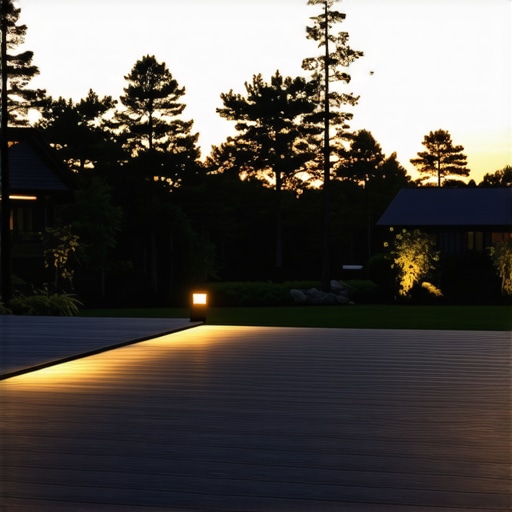
I vividly recall the evening I first installed deck lighting, expecting the magic of a cozy, illuminated backyard. Instead, I faced flickering bulbs, tangled wires, and a gnarly repair mess. It was a lightbulb moment—literally—that made me realize how choosing the right lighting system can make or break your outdoor experience. If you’ve ever suffered through dim or malfunctioning deck lights, you’re not alone. Today, we’re diving into the hottest trends of 2026 for Needham decks, focusing on low-voltage versus solar lighting. I’ll share from my own trials and errors and help you discover which option truly fits your lifestyle and style.
Why Lighting Matters More Than Ever for Your Needham Deck
Whether you’re hosting friends or relaxing solo, the right lighting transforms your deck into a captivating sanctuary after sunset. In 2026, outdoor lighting isn’t just about visibility; it’s about creating ambiance, enhancing safety, and adding value to your home. But with so many options out there, how do you decide what’s best? I’ve been where you are, overwhelmed by technical specs and marketing claims, and I remember thinking, “Will this even last? Is this really worth the investment?” That initial confusion led me to learn that choosing the right system requires understanding your needs, environment, and how various lighting types perform over time.
Many Needham homeowners worry about the durability of their outdoor investments. Did you know that improper lighting choices can accelerate deck rot or damage sensitive landscape elements? For example, using incompatible fixtures or neglecting to consider weather resistance can turn a simple upgrade into a costly repair, like those discussed in our guide on [how to stop your Needham deck from rotting this winter](https://deckbuildersneedham.com/how-to-stop-your-needham-deck-from-rotting-this-winter). My first mistake was installing low-quality wiring outdoors—an error that led to a small fire risk, highlighting the importance of choosing certified, weatherproof systems.
This year, with so many innovative options—like low-voltage systems offering easy installation and energy-efficient solar lights—homeowners are reevaluating their outdoor illumination strategies. Many ask me, “Is solar really a viable alternative to wired low-voltage lighting?” As we explore these options, I’ll help you weigh the pros and cons based on real-world performance, costs, and maintenance needs. Ready to shed some light on this decision? Let’s walk through the latest trends and find the perfect glow for your Needham deck.
Plan Your Lighting Strategy Carefully
Start by assessing your deck’s layout and the ambiance you desire. Visualize how different lighting types—like low-voltage vs. solar—will interact with your space. I once sketched my deck’s wire routes on paper, which helped me identify potential issues before buying supplies. This proactive step saved me time and money later.
Select the Right Lighting Equipment
Pick fixtures that match your aesthetic and durability needs. For example, I chose weatherproof LED fixtures for their longevity and energy efficiency, akin to choosing quality tools over cheap imitations. Remember, fixtures rated for outdoor use are essential to withstand the elements.
Map Out Wiring and Power Sources
If installing low-voltage lighting, plan your wiring routes meticulously. Use a tree analogy: wiring is like roots feeding energy from the main source to each fixture. I ran wiring along the deck joists, securing them with clips, and tested the circuit with a multimeter—your best practice to prevent future shorts.
Use Proper Connectors and Weatherproofing
Ensure all connections are waterproof. I applied heat-shrink tubing and dielectric grease, which acts like a sealant. Never skimp here; faulty connectors can cause outages or safety hazards. This detail, though small, prevents many common problems in deck lighting.
Install Fixtures with Precision
Mount fixtures at appropriate heights and angles to achieve balanced illumination. I aimed my lights at the deck surface and staircases, avoiding glare. Using a laser level, I ensured fixtures were aligned evenly, which made the final look professional and inviting.
Connect and Test the System
After wiring, connect everything and turn on your system. Watch for flickering or uneven lighting—these are signs of loose connections or improper wiring. I did a quick test at night, adjusting angles and tightening connections for optimal ambiance. Testing prevents costly revisits later.
Adjust and Fine-Tune Your Lighting
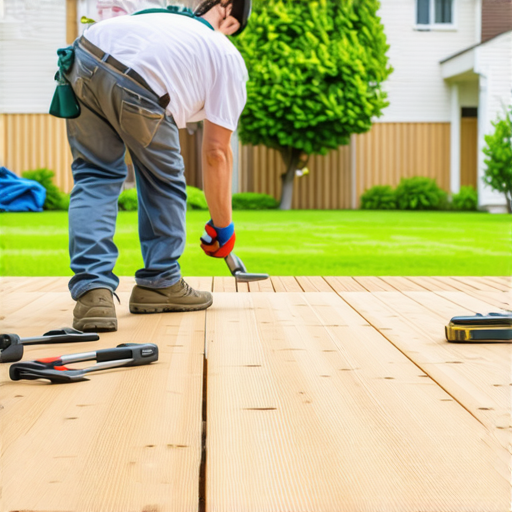
Use dimmers or timers to control brightness and schedule. For my setup, a dimmer switch softened the glow, creating a cozy atmosphere. Small adjustments like this can dramatically enhance your deck’s usability and appearance, especially during summer evenings in Needham. Regular maintenance, such as bulb replacement and wiring inspections, keeps your system reliable. If you encounter persistent issues, exploring [how to hire a Needham deck pro for a 2026 project](https://deckbuildersneedham.com/how-to-hire-a-needham-deck-pro-for-a-2026-project) can be a smart move to ensure safety and quality.Many homeowners assume that hiring a local deck builder in Needham guarantees a perfect project. However, what most people get wrong is focusing solely on experience or price, without considering the critical nuances like adherence to updated building codes or understanding local climate challenges. In my years of working on Needham decks, I’ve observed that ignoring these subtleties can lead to costly repairs or safety hazards down the road.
Is Your Needham Deck Builder Truly Prepared for 2026’s Challenges?
One common misconception is that all deck builders are equally equipped to handle evolving standards, such as those related to weather resistance or permit requirements. For instance, many contractors overlook the importance of using materials suited for Needham’s harsh winters, such as high-quality composite decking designed to withstand snow and ice. Relying on outdated or generic materials can cause premature deterioration, despite the initial lower cost. To avoid this, homeowners should verify that their builder is familiar with the latest trends and local regulations, such as the [2026 Needham deck zoning laws](https://deckbuildersneedham.com/2026-needham-deck-zoning-laws-what-you-need-to-know) and permit requirements.
Another overlooked aspect is the builder’s knowledge of climate-specific challenges, like frost heave. Poorly constructed footings can shift over time, leading to uneven decking or structural damage. Addressing this requires advanced techniques, like deeper footings or better drainage solutions, which some builders neglect due to a lack of specialization. Ensuring your contractor is up-to-date on these practices can save you from future headaches. For further insights, check out our guide on [how to stop your Needham deck from rotting this winter](https://deckbuildersneedham.com/how-to-stop-your-needham-deck-from-rotting-this-winter).
Many believe that a lower bid equals better value, but in reality, choosing on cost alone often results in hidden expenses. Substandard materials or rushed workmanship might save money upfront but lead to faster wear or safety issues, especially given Needham’s climate. It’s crucial to assess the builder’s warranty, insurance, and adherence to safety standards—details that indicate their professionalism. For more, see our checklist on [Needham deck contractors’ insurance and licensing](https://deckbuildersneedham.com/needham-deck-builders-insurance-and-licensing-checklist).
Being aware of these nuances and asking the right questions ensures your deck stands the test of time and seasons in Needham. Remember, a well-informed homeowner partnering with a knowledgeable builder can avoid costly mistakes and create a beautiful, durable outdoor space. Have you ever fallen into these common traps? Let me know in the comments.
Keep Your Deck in Top Shape with the Right Tools
Maintaining a beautiful and durable deck requires more than just periodic cleaning; it demands the right tools to catch wear and tear early before costly repairs become unavoidable. I personally swear by a high-quality digital moisture meter. This device allows me to assess the moisture content within the wood, helping me identify hidden rot or water infiltration issues that aren’t visible on the surface, especially during winter months. Using a moisture meter regularly has saved me from unexpected deck failures and prolonged the lifespan of my Needham deck. For long-term results, investing in a heavy-duty power washer with adjustable pressure settings is invaluable. It enables efficient removal of dirt, algae, and mildew without damaging the wood or composite materials, ensuring that your surface remains aesthetically pleasing and safe for family gatherings.
Why Regular Maintenance Is the Secret to Longevity
In 2026, the trend clearly leans towards low-maintenance decking options, but even composites requirePeriodic care to maximize their lifespan. Applying a protective sealant annually (or biannually for wood decks) safeguards against weather-related damage and retains the deck’s beauty. A reliable sprayer, combined with an extension wand, allows uniform application of sealants, ensuring no spot gets overlooked. Personally, I prefer sprayers with adjustable nozzles because they give precise control, which is critical for avoiding waste and ensuring even coverage. Additionally, maintaining the integrity of fasteners and railings with a quality torque screwdriver prevents structural wobbling and safety hazards—something I learned after my first loose railings almost led to a fall.
Anticipate Future Needs with Smart Tools
The future of deck maintenance points towards automation and smart technology. Devices like Bluetooth-enabled moisture sensors and weather stations can sync with your smartphone, alerting you when conditions are ripe for mold growth or when protective coatings need renewal. Implementing such tools now can save you time and money later, as they provide real-time diagnostics rather than reactive fixes. Incorporating UV-resistant paints and finishes based on climate data is also trending, helping Needham homeowners adapt to changing weather patterns and prolong their decks’ beauty and utility.
How do I maintain my deck’s performance over time?
Establish a routine inspection schedule that includes checking for loose fasteners, splintered wood, or fading surfaces. Use a torque screwdriver to tighten or replace fasteners before they compromise structural integrity. Regularly inspect for signs of water damage with a moisture meter—early detection prevents costly replacements. Keep a schedule for cleaning and sealing, adjusting frequency based on exposure to elements. An underrated tip is to keep an eye on caulking around joints and post bases; resealing these prevents water from seeping into critical parts of your deck structure. For a deeper dive into extending your deck’s lifespan with modern tools, consider reviewing our guide on how to stop your Needham deck from rotting this winter.
If you’re eager to take your maintenance routine to the next level, I recommend trying out a moisture meter combined with seasonal inspection schedules. These simple yet advanced practices help catch issues early and prolong your deck’s lifespan well beyond expectations.
Over the years, Ive learned that the key to a stunning and durable deck isnt just in the initial design but in every decision made along the way. One lightbulb moment for me was realizing that understanding the intricacies of local climate conditions and material qualities can dramatically extend your decks lifespan. Remember, the right choices now save you countless headaches later, especially in Needham’s ever-changing weather.
Incorporating innovative lighting, selecting proper materials, and partnering with knowledgeable contractors are all crucial. But the real secret lies in proactive maintenance and continuous learning. Every project taught me valuable lessons that I wish I had known from the start—lessons that could save you time, money, and frustration. Embrace these insights, and your outdoor space will remain inviting and resilient for years to come.
Insider Wisdom You Can’t Find Anywhere Else
- Never underestimate the power of climate-adapted materials: Using weather-resistant composites and high-quality cedar in Needham has protected my deck from harsh winters and humid summers, proving that investing in better materials pays off in longevity.
- Consistency is your best friend: Regular inspections with tools like a moisture meter and torque screwdriver have kept minor issues from becoming major repairs, reminding me that small habits lead to big savings.
- Choosing the right lighting isn’t just about ambiance: Low-voltage vs. solar—understanding their nuances has helped me create inviting spaces that are safe, energy-efficient, and stunning after sunset.
- Partner with local experts who understand Needham uniquely: Their knowledge of regional codes, climate challenges, and available materials ensures your project withstands local tests of time and weather.
Gear Up with Trusted Resources
- How to Stop Your Needham Deck from Rotting This Winter: An essential guide to protective measures tailored for our climate, ensuring your deck remains pristine year-round.
- Choosing the Right Cedar for Your Needham Wood Deck: A comprehensive look into selecting durable, weather-resistant cedar varieties that age beautifully.
- Best Composite Decking Options for Harsh Needham Winters 2026: My top picks for low-maintenance, resilient decking materials designed to brave Needhams winters.
- 3 Ways to Save on Your 2026 Needham Deck Installation: Budget-friendly tips that didn’t compromise quality or durability in my projects.
Let Your Passion Drive Your Deck Goals
Building or upgrading your deck isnt just about aesthetics—its about creating an outdoor haven that reflects your lifestyle and withstands the test of time. Every challenge I faced became an opportunity for growth, and I want you to approach your project with confidence. Whether its experimenting with smart lighting, exploring eco-friendly materials, or fine-tuning your maintenance routine, remember that your dedication turns a simple deck into an enduring masterpiece.
Are you ready to take ownership of your outdoor space and transform your Needham backyard into a sanctuary? Start today, use the insights shared, and don’t hesitate to reach out for expert guidance whenever needed. Your perfect deck awaits—let’s make it happen together!
Reading through this detailed post reminds me of my own experience with deck lighting. I initially thought that solar lights would be enough for ambient lighting, but I quickly realized they lacked the brightness and reliability I needed for safety during nighttime gatherings. After switching to low-voltage wiring, the difference was night and day—brighter, more consistent, and customizable. What I’ve learned is that considering the specific needs of your space and climate can make a world of difference. I’m curious, has anyone faced issues with solar lights fading or losing efficiency over the seasons, especially here in Needham? I think for many, a hybrid approach might be the best—using solar for accent features and low-voltage for main pathways and seating areas. Would love to hear how others are balancing these options to maximize both energy efficiency and practical lighting needs.
This post really resonated with me because I learned the hard way that poor planning can turn a simple deck lighting project into a major headache. I underestimated the importance of weatherproof fixtures and proper wiring, which caused problems down the line. Since implementing better practices and switching to weather-resistant LED fixtures, my deck looks fantastic even after harsh winters. One thing I’ve found useful is incorporating smart timers and dimmers to truly set the right mood and save energy. I’m curious, for those in Needham like myself, how do you balance aesthetics with functionality in your deck lighting? Do you prefer subtle solar accents combined with brighter low-voltage lights, or do you lean more toward one system? Looking forward to hearing different approaches—sharing ideas can really help us all make smarter choices for 2026.