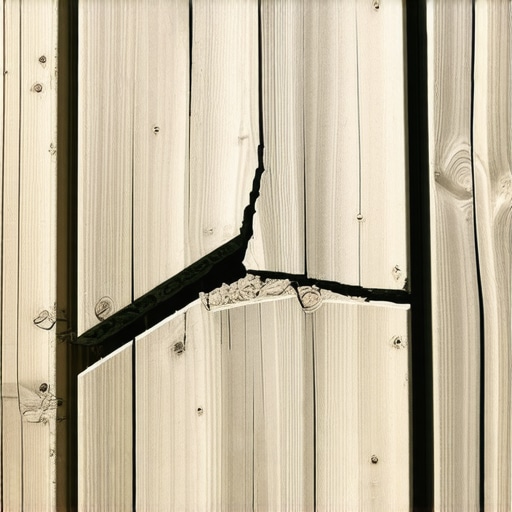
I remember the moment I realized my deck was Sending me a clear message—one that couldn’t be ignored. It was a sunny Saturday afternoon, and I stepped onto my backyard deck, expecting my usual relaxing vibe. Instead, I was met with a tiny, but alarming crunch underfoot. That subtle sound was a wake-up call—my deck boards were beginning to split, and if I didn’t act fast, I could be facing costly repairs or even safety hazards. It’s a situation every Needham homeowner dreads, but more importantly, it’s one that requires immediate attention.
How to Recognize if Your Deck Boards Are on the Verge of Splitting
The first step is knowing what to look for. Splitting or cracking decks aren’t always obvious at first glance. Sometimes, tiny fissures or grooved lines creep along the wood’s surface, signaling that the structural integrity might be compromised. Environmental factors like moisture or extreme temperature fluctuations, which are common in Needham’s climate, can accelerate this deterioration. As I learned early on, neglecting these signs can lead to bigger problems, including safety issues or costly replacements. To avoid this, regular inspections are key. Think of it as giving your deck a health check-up—something I failed to do initially, which turned into a costly lesson. Want to learn more about maintaining your deck’s longevity? Check out [Needham Deck Building managing expectations](https://deckbuildersneedham.com/needham-deck-builders-managing-your-2026-expectations) for expert advice on proactive care.
Is Fixing Splitting Deck Boards Worth the Hassle?
This is the skepticism I hear most often. Believe me, I wondered if patching up those cracks was just a temporary fix and whether replacing the boards entirely was a better route. The truth is, while some minor splits can be temporarily repaired with sealants or fillers, progressive splitting demands a more permanent solution. Neglecting it can lead to further damage, like loosening of fasteners or even structural failure. Investing in quality repairs now can save you from bigger headaches later. And yes, choosing the right materials and methods is crucial—like opting for [durable composite decking systems that withstand Needham’s unique environment](https://deckbuildersneedham.com/durable-composite-decking-for-2026-needham-environments) —which I wish I knew from the start. The next step? I’ll guide you through the practical steps to address splitting and prevent it from recurring.
Assess the Damage and Gather Tools
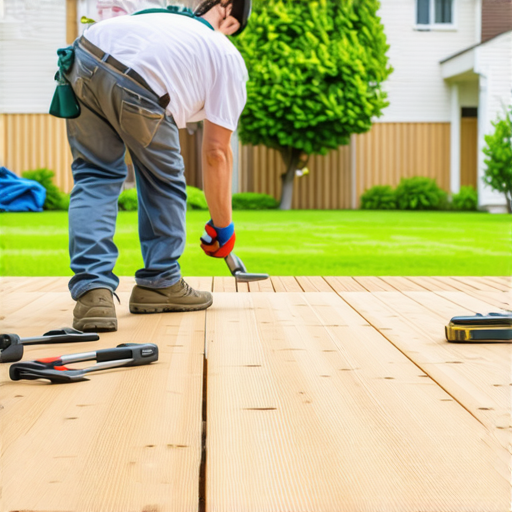
Start by thoroughly inspecting your deck to identify all areas of splitting or cracking. Use a good flashlight and a screwdriver to feel for soft spots. For my own deck, I used a putty knife to gently test the severity of cracks—this revealed some that were wider than they appeared. Gather necessary tools: a pry bar, replacement boards, fasteners, wood preservative, and safety gear. This preparation ensures you can work efficiently and safely.
Remove Damaged Boards Carefully
Use a pry bar to gently lift the splintered or cracked boards, taking care not to damage neighboring boards. For instance, when I replaced a warped board last summer, I slowly pried it up, avoiding undue pressure that could crack intact boards. Keep the old nails or screws if they’re in good condition, and clean the area thoroughly before installing new material. Remember, removing damaged boards promptly prevents further deterioration and potential safety hazards.
Choose the Right Replacement Material
Select boards made from durable, weather-resistant materials suited for Needham’s climate. I opted for composite decking, which I learned from this guide withstands moisture and temperature fluctuations better than traditional wood. When selecting boards, consider their grain orientation, thickness, and color to match your existing deck, creating a seamless appearance.
Install New Boards Correctly
Align the replacement board with adjacent planks, ensuring it sits flush. Use corrosion-resistant screws or hidden fasteners to secure it. To prevent future splitting, drill pilot holes slightly smaller than screws and avoid overtightening. I found that pre-drilling saved me from splitting delicate wood pieces during my last repair, making the process cleaner and more precise. Proper installation guarantees stability and extends your deck’s lifespan.
Seal and Protect the Repaired Area
Apply a high-quality sealant or stain compatible with your decking material to protect it from moisture and UV damage. For composite decks, use a cleaner and conditioner recommended by the manufacturer. I learned this lesson when I neglected resealing after repairs; my deck faded quickly. Regular maintenance, including sealing and cleaning, prevents further splitting and keeps your deck looking new longer.
Implement Preventive Measures to Stop Future Cracks
Enhanced durability begins with proactive steps. Ensure proper drainage around your deck to prevent water pooling, which accelerates wood rot. Consider installing a slip-resistant surface coating for added protection. For added safety, check that railing and fasteners are secure, as loose components can promote uneven stress that causes cracking. Incorporating these practices is like giving your deck a health boost—it reduces the chance of cracks reappearing.
Schedule Routine Inspections
Set a monthly reminder to walk your deck, looking for early signs of splitting or deterioration. During each inspection, clean debris that can trap moisture and perform minor touch-ups as needed. My own experience with routine checks highlighted small cracks before they worsened, saving me from full-board replacements. Consistent vigilance is your best defense against extensive damage and costly repairs.
By following these steps, you not only repair your split deck boards effectively but also extend your deck’s life. Regular maintenance and timely interventions are key to enjoying a safe and beautiful outdoor space for years to come.
Many homeowners assume that choosing any local deck builder guarantees quality results, but the reality is far more nuanced. A common myth is that all contractors are equally skilled and transparent; however, experienced professionals know that expertise varies dramatically and that seemingly minor details can make or break your project. For instance, some companies might focus solely on aesthetic aspects, neglecting fundamental structural integrity, leading to safety hazards down the line. It’s essential to understand that prioritizing craftsmanship and attention to nuance—like proper fastener installation or weather-resistant material selection—can drastically extend your deck’s lifespan. This is especially critical in Needham’s unpredictable climate, where environmental exposure accelerates wear if overlooked. An advanced mistake homeowners often make is relying solely on cost estimates without considering the quality of materials or the builder’s experience. This can result in costly repairs or replacements sooner than anticipated, undermining initial savings. To avoid falling into this trap, always verify your contractor’s credentials, their familiarity with local building codes, and their use of durable materials—such as composite decking systems suitable for Needham’s weather. Moreover, pay attention to nuanced aspects like proper joist spacing and appropriate railing heights, which are crucial for safety and code compliance. Myths aside, understanding these subtleties can significantly influence your deck’s performance and safety for years to come.
What advanced mistakes do homeowners overlook in selecting a deck builder?
One overlooked aspect is the contractor’s approach to project management, including scheduling, supply chain reliability, and post-build warranty service. Skimping on these can lead to delays or unaddressed issues after completion. According to industry expert sources, such as local Needham building standards, choosing a builder who communicates clearly and plans meticulously sustains project quality and peace of mind. Remember, a well-built deck isn’t just about looks—it’s about longevity, safety, and value. Have you ever fallen into this trap of trusting just the lowest bid? Let me know in the comments!
Keeping your deck in top shape over the years requires more than just occasional inspections. It involves using the right tools and adopting maintenance routines that prevent problems before they start. Over time, investing in quality equipment and understanding proper upkeep can significantly extend your deck’s lifespan, saving you money and ensuring safety.
Why I Rely on Specialized Power Tools for Deck Maintenance
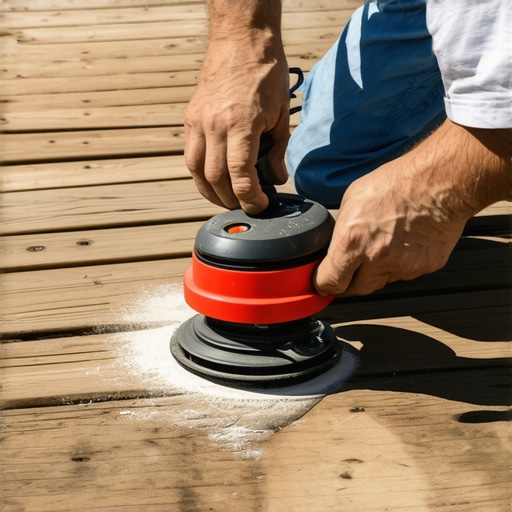
When it comes to removing old paint or stain, I swear by a high-quality power sander. I prefer a random orbital sander because it provides a smooth finish without gouging the wood. This tool makes the job faster and more consistent than manual sanding, which can be time-consuming and uneven. For cleaning decks, I recommend a deck-specific pressure washer with adjustable nozzles. According to industry experts, choosing a model with variable pressure settings helps avoid damaging the wood while effectively removing dirt and algae. This approach is especially vital in Needham, where moisture can promote mold growth. Regular use of a power washer, combined with eco-friendly cleaning solutions, keeps your deck looking fresh and resists premature splitting or rot.
Choosing the Right Sealant and Applying It Correctly
Proper sealing is crucial for long-term protection. I use a high-quality, breathable sealant that prevents water ingress while allowing the wood to breathe. Applying the sealant with a pump sprayer ensures even coverage, especially on textured surfaces. For eco-conscious homeowners, there are now low-VOC sealants that offer durability without harmful fumes. Remember, consistency is key—re-sealing your deck every 2-3 years can drastically reduce splitting and warping. Regular maintenance with the right products is a game-changer for longevity.
How do I maintain my deck over time?
Scheduling routine inspections is one of the simplest yet most effective practices. Setting a monthly reminder to check for loose boards, splitting, or signs of rot helps catch issues early. I also recommend investing in a good flashlight and a screw set to tighten any loose fasteners during your annual walkthrough. This proactive approach can prevent minor problems from escalating. Additionally, I suggest documenting your maintenance schedule and any repairs—this not only keeps the project organized but also adds value if you decide to sell your home later. In the future, I believe advancements in smart home technology may bring sensor-based deck monitoring systems that alert homeowners to early damage signs, further simplifying long-term maintenance.
Becoming familiar with these tools and routines will help you safeguard your investment. For instance, trying out an orbital sander on a small section of your deck can demonstrate how much easier maintenance becomes. Don’t overlook the importance of quality supplies—using durable composite systems, like those recommended for Needham’s environment, is another critical step in ensuring your deck remains safe and beautiful for many years. If you’re interested in exploring the best options, check out this guide to composite decking solutions.
< >
>
3 Lessons That Changed How I Trust Deck Builders Needham
- Never assume your local contractor has all the right answers—ask questions about weather-resistant materials like composite decking systems for 2026 that withstand Needham’s climate.
- Don’t overlook small cracks or signs of wear during routine inspections; catching issues early digs you out of costly repairs later.
- Understand that project management details—scheduling, supply chains, and warranties—are just as critical as the actual building process for a safe, durable deck.
Tools and Sources That Became My Go-To Guides
- Needham Deck Building Managing Expectations: This resource helped me grasp realistic timelines and material choices, saving me frustration and cash.
- Ultimate Guide to Composite Decking on deckbuildersneedham.com: It taught me how to select weather-resistant materials suited for Needham’s climate.
- Standard Deck Sizes for Needham Homes in 2026: Knowing standard dimensions streamlined my planning process for a seamless fit with my property.
Your Next Move Can Make a Difference
Taking proactive steps today empowers you to enjoy a safe, beautiful outdoor space for years to come. Whether it’s mastering routine inspections or choosing durable materials, small actions lead to long-term benefits. Remember, your deck is more than just a platform—it’s part of your home’s story. Ready to start your upgrade journey? Dive into the resources and tips shared here, and don’t hesitate to share your own deck stories below!