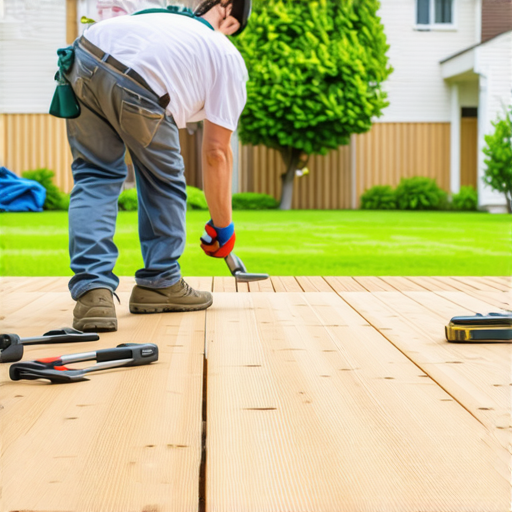

Have you ever stood on your deck, fully expecting a relaxing summer evening, only to notice a wobbly railing or a sagging board that reveals more than just cosmetic wear? I sure have. It was a humid July afternoon when I stepped out to enjoy a cold beverage, only to feel the wobble in the railing beneath my hand. That unsettling moment made me realize I had been overlooking the importance of a thorough, step-by-step inspection — a simple checklist could have saved me a lot of stress (and money).
Why Proper Deck Inspection Is More Critical Than Ever in 2026
In recent years, I’ve come to understand just how much a small oversight can turn into a costly and dangerous problem. The reality is, decks aren’t just for decoration — they’re vital structures that keep our outdoor spaces safe and enjoyable. As Needham homeowners, we’re facing new challenges with aging materials, evolving building codes, and increased weather extremes. These factors make regular inspections not just recommended but essential.
I’ve learned that many problems stem from neglect — early signs of rot, loose fasteners, or hidden damage can escalate quickly if not caught early. According to the CDC, structural failures from poorly maintained decks cause hundreds of preventable injuries each year. That statistic hit me like a ton of bricks, and I knew I couldn’t afford to ignore my deck’s health any longer.
Now, I approach my deck not just as an outdoor feature but as a structure that demands vigilance with a clear plan. The good news? With a proper checklist, I can identify potential issues early and keep my family safe. If you’ve ever faced similar doubts—wondering if your deck is still sound—you’re not alone. So, let’s dive into that checklist and explore how you can confidently maintain—or even improve—your Needham deck this year.
Facing Your Deck’s Hidden Problems? Here’s Why a Step-by-Step Checklist Is Your Best Friend
Before we get into the nitty-gritty, I want to assure you that inspecting your deck isn’t a daunting chore. It’s about being attentive and systematic, so you catch problems before they turn into costly repairs or safety hazards. If you’re wondering whether this is worth your time, I get it. I used to think, “How bad could it be?” But those small signs that I ignored ended up costing me much more than a simple inspection and some preventive maintenance. Don’t let that happen to you.
Stay tuned, because I’ll share my personal step-by-step guide that I wish I had when I first started. Moving forward, you’ll learn to spot the early warnings, understand what might be causing them, and decide whether professional help is necessary. Think of this as your friendly neighborhood advice—because no one wants a sudden deck disaster on a summer night. Ready to take control? Let’s get started!
Conduct a Visual Inspection of Your Deck
Begin by examining your entire deck surface for visible damage like rotting boards, cracks, or sagging areas. Walk around and look for loose or missing fasteners, nails, or screws. During a personal inspection, I noticed a cracked board near the back corner after a storm; addressing it early prevented further deterioration. Use a flashlight to check for mold or mildew that could indicate moisture retention, compromising the wood’s integrity.
Check the Structural Components
Inspect Support Posts and Beams
Focus on the posts, beams, and joists supporting your deck. Look for signs of rot, swelling, or insect damage like carpenter ants. In my experience, a support post showed minor rot at the base; treating it promptly avoided requiring a complete rebuild. Ensure all posts are securely anchored to prevent wobbling or collapse. For sloped yards, verify proper drainage to prevent water pooling that accelerates decay.
Test the Stability of Railings and Stairs
Ensure railings are firmly attached and don’t wobble. Push gently on the balusters and top rails; looseness suggests a need for tightening or replacement. Examine stair stringers and treads for cracks or loose steps. I once discovered a loose handrail that could have caused a fall; tightening the fasteners restored safety. Consider upgrading to modern railing styles that combine aesthetics with durability, like those highlighted in modern railing ideas.
Evaluate the Deck’s Surface and Fasteners
Assess the condition of the decking boards for splinters, warping, or decay. Use a screwdriver or nail puller to check for loose fasteners—screws are preferable over nails as they hold better over time. For a more detailed assessment, tap lightly on boards; hollow sounds can indicate rot underneath. Replacing damaged boards with treated or composite materials can extend your deck’s lifespan, especially given the value of pressure-treated lumber in 2026.
Test for Water Damage and Moisture
Use a moisture meter if available to measure the wood’s moisture content; high readings suggest water retention that could lead to rot. Check areas where water might pool, like beneath overhangs or in low spots. I discovered a hidden puddle beneath my deck after heavy rains, which accelerated wood decay in that section. Improving drainage and adding protective sealants can mitigate ongoing moisture issues.
Schedule Professional Evaluation if Necessary
If your inspection reveals significant damage or you’re unsure about certain aspects, hire a professional deck inspector or builder. A qualified expert can assess structural integrity beyond surface appearances. In my case, I contacted a local Needham contractor after noticing a wobbly railing; their detailed assessment confirmed minor repairs that prevented potential accidents and extended my deck’s lifespan. Regular inspections, at least once annually or after severe weather, are vital for maintaining safety and value. Think about how inspecting your deck now can save money later—investing in proactive maintenance makes all the difference.
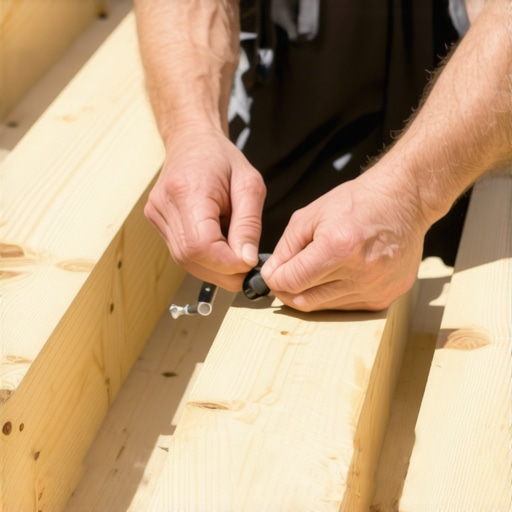 Many homeowners assume that choosing a deck builder in Needham is simply about comparing prices or picking the first contractor who answers the phone. However, this oversimplified view often leads to costly mistakes. The truth is, there are subtle but critical nuances that experienced homeowners and seasoned contractors understand deeply. These elements can make or break the longevity, safety, and aesthetic appeal of your deck over time.
A common myth is that all deck builders follow the same standards. In reality, expertise isn’t just about skills—it’s about understanding the specific challenges posed by the Needham climate, local building codes, and the latest trends in deck design. For example, many overlook the importance of proper drainage and insect-resistant materials tailored for our environment. This oversight can result in premature decay or infestations, leading to expensive repairs down the line.
One often-missed detail involves the quality of fasteners and hardware used during construction. While contractors may all use similar nails and screws, the type and corrosion resistance can vary widely. Using subpar fasteners in the damp Needham weather accelerates rust and weakens structural integrity over time. To avoid this, look for builders who specify stainless steel or coated fasteners—an extra step but crucial for durability.
Have you ever wondered why some decks age gracefully while others fall apart quickly? The answer lies in advanced construction techniques that focus on long-term resilience. For instance, proper post-anchoring and framing methods can prevent issues like frost heave or shifting foundations, especially relevant given our cold winters. Skilled Needham deck builders employ these nuanced strategies, which are often overlooked by less experienced contractors.
Additionally, many homeowners underestimate the significance of the choice of decking material. While pressure-treated wood remains popular, newer composite and high-performance options offer better resistance to moisture, pests, and UV damage. An expert Needshem builder doesn’t just pick the latest trend—they evaluates how materials will withstand our specific seasonal extremes. For instance, pressure-treated decks are still a viable choice, but understanding their limitations and pairing them with proper maintenance is key.
A critical mistake is neglecting permit and code compliance, which might seem like an administrative hurdle but is vital for safety and future resale value. Experienced local builders stay abreast of the latest regulations, ensuring your deck is compliant and safe. This vigilance can prevent costly renovations or legal issues later.
In essence, mastering these nuances elevates your project from a basic build to a durable, safe, and beautiful addition to your home. Don’t assume that all contractors are equal—ask questions about their familiarity with local codes, material choices, construction techniques, and ongoing maintenance recommendations.
Have you ever fallen into this trap? Let me know in the comments. For more insights, consider exploring how modern trends like color trends or innovative railing styles can further enhance your deck’s appearance and functionality in 2026.
Keeping your deck in top shape requires more than just visual inspections; it demands the right tools and a disciplined approach. Over the years, I’ve refined my maintenance routine by investing in specific equipment that makes the process both efficient and thorough. In this section, I’ll share the tools I personally recommend and explain why they’re indispensable for ongoing deck care.
Why a Quality Moisture Meter is Your Best Friend
One tool I never skip is a reliable moisture meter. I use the
Power Tools: Balancing Efficiency and Care
If you’re like me, power tools are essential for replacing damaged boards or tightening fasteners. I rely on a
Software and Digital Inspections for a Modern Approach
Beyond physical tools, I’ve integrated software like Deck Inspection Pro—a mobile app designed to log and schedule inspections, record problem areas, and set maintenance reminders. Keeping digital records simplifies tracking changes over time and planning repairs proactively. As technology advances, I expect AI-powered inspection apps will analyze images for signs of wear, making inspections even more accurate and less time-consuming.
How do I maintain my tools over time?
Proper care extends the lifespan of your investment. Regularly clean power tool blades and impact driver bits to prevent rust and ensure peak performance. Store moisture meters in controlled environments to avoid calibration issues. Updating software and firmware of digital tools ensures compatibility and access to the latest features, streamlining your maintenance workflow. Scheduling periodic tool checks—like inspecting batteries and replacing worn-out parts—can save you money and prevent sudden breakdowns.
Looking ahead, I believe smart technology will revolutionize deck maintenance, with sensors and predictive analytics providing real-time health reports. Embracing these innovations now allows you to stay ahead of problems, saving you time and money in the long run. So, I challenge you to try integrating a moisture meter into your routine or explore digital inspection tools—they could be game-changers for your deck’s longevity. Visit this resource to discover how modern materials and tools are shaping the future of deck maintenance.
Three Mistakes I Wish I Avoided with My Needham Deck
Looking back, I realize that skipping detailed inspections and neglecting proper materials nearly cost me thousands in repairs. A key lesson was understanding that every cracking board or wobbly railing isn’t just a minor issue—it’s a warning sign of deeper problems. These oversights taught me the importance of regular checks, especially after storms or harsh weather, reminding me that proactive maintenance saves effort and money in the long run.
Tools That Gave Me Confidence in Maintaining My Deck
Investing in a quality moisture meter like the Protimeter Aquant transformed how I assess my deck’s health. Pairing it with a cordless impact driver streamlined repairs, while digital apps helped me schedule inspections effectively. These tools, trusted through my personal experience, have become essential for any Needham homeowner eager to extend their deck’s lifespan and ensure safety.
Unlocking Deck Maintenance: My Unexpected Wisdom
- Patience is Key: It’s tempting to rush repairs, but taking the time to identify the root cause prevents recurring issues.
- Local Knowledge Matters: Working with Needham experts who understand our unique climate and codes makes a real difference, saving headaches later.
- Every Detail Counts: Small things like choosing stainless steel fasteners and sealing joints properly can dramatically improve durability over time.
- Stay Curious: Technologies like smart moisture sensors are the future, and early adoption can make maintenance less of a chore.
Resources That Boost My Deck Confidence
- Pressure-treated lumber insights: Understanding their evolving value in 2026 helps me make informed choices.
- Cost-saving tips: They empower me to budget smarter without sacrificing quality.
- Design inspiration: Personalizing my deck has become easier with modern railing ideas that blend safety and style.
- How to spot red flags: Recognizing early warning signs in contractors keeps me protected from subpar work.
Your Turn to Elevate Your Deck Mastery
The journey to a safe, beautiful deck in Needham isn’t about perfection—it’s about consistent care and proactive decisions. Remember, a well-maintained deck isn’t just an investment in your property; it’s a space where memories are made. Embrace the tools, knowledge, and local expertise that can transform your outdoor experience. Ready to take the next step? Share your biggest deck maintenance challenge below, and let’s get through it together!