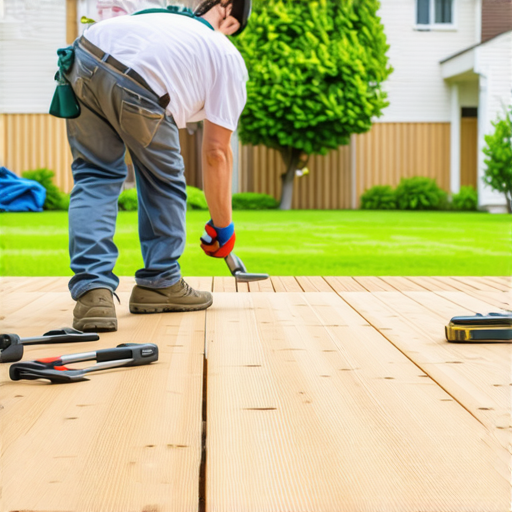

I remember the first time I built my deck, elbow-deep in pressure-treated lumber, convinced I was doing everything right. Fast forward a few years, and instead of a beautiful outdoor retreat, I was staring at warped, splintered boards that seemed to age faster than I expected. That lightbulb moment made me realize—pressure-treated wood isn’t just about buying the cheapest stuff; it’s about understanding how to make it last through the harsh New England seasons.
Why Your Pressure-Treated Wood Declares War on Unprepared Homeowners in Needham
Living in Needham means dealing with a mix of hot summers, freezing winters, and everything in between. Your outdoor wooden structures face continual assault from moisture, temperature swings, and pests. Without proper care, even the best pressure-treated lumber can succumb to rot, decay, and warping by 2026. I’ve seen too many decks sidelined with premature deterioration, more about neglect than the material itself. Luckily, with some tailored *pressure-treated wood longevity tips*, you can beat the odds. Today, I’ll show you what I learned—through trial, error, and some expert advice—to help your deck stand proud well into the next decade and beyond.
Is Pressure-Treated Wood Still Worth the Hassle?
I’ll admit, when I first started learning about this, I was skeptical. Is investing in high-quality pressure-treated lumber and maintenance really worth it? Early on, I made the mistake of assuming all pressure-treated wood was created equal, which is a common misconception. I used the cheapest options, skipped sealing, and didn’t pay attention to drainage—big mistakes. Studies show that proper maintenance can extend the life of pressure-treated wood by decades. For example, regular power washing helps prevent mold and algae buildup, as outlined in this handy guide on power washing your deck. Remember, the devil’s in the details, and neglecting them can turn your beautiful deck into an expensive eyesore long before 2026.
Am I asking you to spend all your weekends sealing and inspecting? Not necessarily. But a foundational understanding of what your wood needs—and what it doesn’t—can save you a lot of headaches and money. My goal is to equip you with realistic, actionable tips to ensure your outdoor space remains sturdy and inviting for years to come. Ready to discover the secrets to maximized longevity? Let’s dive in.
Common Mistakes That Shorten Your Deck’s Life and How to Avoid Them
Start by inspecting your deck thoroughly for any signs of damage or decay, paying close attention to joints and surfaces where moisture may collect. Remove any furniture, plants, or debris to access the entire surface, and then use a power washer aligned with the [best practices for deck cleaning](https://deckbuildersneedham.com/power-washing-your-deck-2026-dos-and-donts-for-needham) to eliminate mold, algae, and dirt—think of it as giving your deck a health check. Wear protective gear, keep the nozzle at a safe distance, and move in gentle, overlapping strokes to avoid splintering the wood. Once dry, apply a high-quality waterproof sealant, focusing on the end grains and joints, which are more susceptible to moisture intrusion. This process acts like a raincoat for your deck, preventing water from seeping in and causing rot. For an added layer of protection, consider sealing the underside of the deck with a breathable membrane, especially if your deck is exposed to frequent splashes or runoff. Regularly reapply sealant every 2-3 years, or as needed, to maintain that barrier. I experimented with sealing my own deck last summer; after removing the old stain, I noticed a significant reduction in surface splinters and a more vibrant appearance, which proved the value of proper sealing. Remember, just like tailoring a suit, a well-fitted protective coat can dramatically extend the lifespan of your pressure-treated wood.Many homeowners assume all deck builders operate under the same standards or that choosing the lowest bid guarantees the best value. However, in my experience, this is a dangerous misconception; quality craftsmanship, adherence to local codes, and proper material selection often require a nuanced understanding that isn’t immediately obvious. One common myth is that a cheaper builder will always save you money in the long run—yet, cutting corners during installation or neglecting proper flashing, such as detailed in [best practices for deck joist flashing](https://deckbuildersneedham.com/best-practices-for-deck-joist-flashing-in-2026-needham), can lead to costly repairs or even structural failure over time. This oversight is not just about financial cost but also safety; a deck that isn’t properly anchored and sealed might look sound but could pose serious risks, especially in climates like Needham’s, where moisture and temperature fluctuations accelerate wear. For advanced homeowners seeking reliability, understanding how to vet a contractor’s expertise through references, past projects, and certifications becomes essential—details often overlooked but critical, as highlighted in [how to find qualified Needham deck pros](https://deckbuildersneedham.com/finding-qualified-needham-deck-pros-for-a-2026-build). Accepting the status quo that any
Keep It Working: My Top Maintenance Tools and Techniques
Ensuring your deck remains sturdy and attractive over the years requires more than just initial construction; it involves regular upkeep using specialized tools and proven methods. Personally, I rely on a high-quality power washer set to a gentle pressure, typically around 500-600 PSI, with a fan tip to prevent damaging the wood surface. This setup effectively removes mold, algae, and dirt without causing splintering, as detailed in the power washing guide for Needham decks. For sealing, I prefer a sprayer with a bleed-off feature—this allows even application of waterproof sealants, ensuring full coverage of all wood surfaces and end grains, which are more vulnerable to moisture intrusion.
Maintaining your deck’s integrity over time also involves inspection tools. A reliable flashlight helps spot cracks or termite damage in shaded or hard-to-see areas. I recommend a digital moisture meter to detect hidden areas of excessive moisture that could lead to rot—this fast, non-invasive technique is essential before staining or sealing. Additionally, a sturdy ladder and a screwdriver are indispensable for checking joist connections and ensuring all fasteners remain tight, especially after harsh winters or storms.
As I look toward the future, new eco-friendly sealants and smart moisture monitoring devices are poised to revolutionize deck maintenance. Imagine sensors embedded in your wood that alert you when moisture levels rise to hazardous levels—no more guesswork, just proactive care. This trend could dramatically extend deck lifespans and reduce unexpected repairs.
How do I keep my Needham deck in top shape over the years?
Consistent maintenance starts with scheduled inspections—preferably every spring and fall. Use your moisture meter to check vulnerable areas, and reapply sealant to high-traffic zones or end grains every 2-3 years, following the manufacturer’s guidance. Power washing should be part of your routine, but never exceeding recommended PSI to avoid damaging the wood. To streamline this process, I upgraded to a sprayer with adjustable pressure and a wide fan nozzle, which saves time and minimizes errors.
Don’t forget to clean and inspect your flashing and ledger connections regularly, referencing the Needham deck safety inspection guide for specifics. Addressing minor issues early prevents costly repairs later, ultimately enhancing your deck’s durability. Also, consider investing in quality fasteners and hardware, like corrosion-resistant screws, that withstand Needham’s humidity better. Using these tools and strategies, you can enjoy your outdoor oasis year after year, with confidence in its structural integrity.
Beyond the Checklist: Lessons Only Experience Brings
One of the most unexpected lessons I learned was the importance of patience—waiting for the wood to dry thoroughly before sealing can mean the difference between a vibrant deck and a warped eyesore. I also discovered that addressing small issues promptly, like tightening loose fasteners or fixing minor splits, saves big money down the line. The biggest revelation? Even pressure-treated wood loves a little TLC—regular inspections and maintenance transform it from a ticking time bomb to a resilient structure that stands tall through every Needham season. These insights aren’t found in manuals; they come from personal trial, error, and that eureka moment where everything clicks.
Tools and Resources That Make the Difference
Over time, I’ve curated a set of tools that make maintenance both effective and efficient. A digital moisture meter helps me catch hidden dampness before it becomes a rot issue—trust me, it’s a game-changer. I favor a sprayer with adjustable pressure for even sealant application; it prevents splintering and ensures longevity. When it comes to learning more, keeping up with best practices for deck joist flashing has been essential. I also rely on updated guides for safety inspections, like checking ledger connections, which have helped me identify small issues before they become hazards. Combining the right set of tools with authoritative resources ensures my deck remains a safe and inviting space.
Your Next Adventure in Outdoor Living
You’re now equipped not just to maintain your deck but to truly elevate your outdoor experience. Imagine summer evenings spent hosting friends, confident that your deck can handle years of use and weather. With ongoing care, your outdoor space can become an extension of your home’s personality—a personal retreat or a lively gathering spot. Remember, the effort you put in now pays off in the freedom to enjoy your deck worry-free, knowing it’s built to last well into the future. So take that first step, schedule those inspections, and think about upgrades that align with your vision. The future of your outdoor haven starts today.