I remember the day vividly. My beloved wood deck, a favorite spot for summer barbecues and family gatherings, looked worse than ever—splintered, faded, and covered in mysterious stains. It was a sinking feeling, realizing that years of neglect might have sealed its fate. That was my wake-up call.
Ever since, I’ve become obsessed with figuring out how to extend my deck’s life well beyond 2026. I learned the hard way that a little proactive care can save a lot of money and heartache down the line. Today, I want to share what I’ve discovered about maintaining your wood deck for maximum longevity, especially with the upcoming building codes and trends that homeowners need to be aware of.
First, let’s be honest—many of us underestimate the importance of regular maintenance until our decks start to fall apart. But what if I told you that with proper prep and ongoing care, your deck can stay beautiful and functional for years to come? The good news is, I’ve broken down the most effective steps, backed by real experience and expert advice, to help your deck withstand the test of time. If you’re asking, “How can I prevent my deck from becoming a costly eyesore before 2026?” then keep reading.
Before diving into the solutions, let me share a mistake I made early on: I thought occasional cleaning was enough. I skipped sealing and didn’t pay attention to drainage issues. That oversight cost me dearly—rot, mold, and warped boards crept in. It’s a common trap, even among seasoned DIYers. That’s why I always recommend checking out reliable sources like [Needham building codes and regulations](https://deckbuildersneedham.com/needham-building-codes-2026-rules-for-floating-decks), so you can stay compliant and informed.
Now, if you’re tired of watching your deck deteriorate year after year and want practical guidance rooted in real-world experience, you’re in the right place. Next, let’s explore how to choose the best materials, sealers, and maintenance routines that will keep your deck looking and functioning great until at least 2026 and beyond.
Clean and Inspect Regularly
Remove Debris and Check for Damage
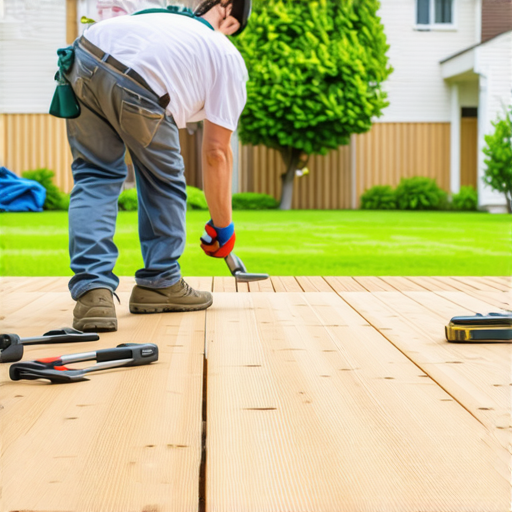
Start by sweeping off leaves, dirt, and debris with a stiff broom. Use a pressure washer on a low setting to remove grime without damaging the wood. During inspection, look for loose boards, protruding nails, or splinters. I once neglected this and discovered a loose board just before a big gathering; tightening it saved me from a early replacement.
Address Drainage to Prevent Rot
Ensure Proper Water Runoff
Water pooling is a common cause of rot. Examine the deck’s slope and drainage paths. You might need to add gravel or regrade the ground beneath the deck. I corrected drainage issues by installing a gravel bed under my deck, which diverted water effectively and extended its lifespan.
Apply Protective Sealers Correctly
Choose the Right Sealer and Follow Instructions
Select a high-quality, UV-resistant sealer compatible with your wood type. Clean the surface thoroughly before application, and follow manufacturer instructions precisely. I applied a sealer during a sunny morning, timing it carefully to avoid rain, which preserved the wood’s appearance for an extra season.
Replace Worn Components Promptly
Fix or Upgrade as Needed
Worn nails, cracked boards, or rotted posts should be replaced immediately. Use corrosion-resistant hardware to prevent future issues. During my project, I swapped out old nails for stainless steel screws, improving stability and appearance.
Maintain the Wood’s Natural Beauty
Consider Sanding and Staining
Lightly sanding surfaces removes splinters and renews the finish. Applying a stain can enhance color and provide additional protection. I found that a fresh stain application made my deck look brand new and helped resist weathering longer.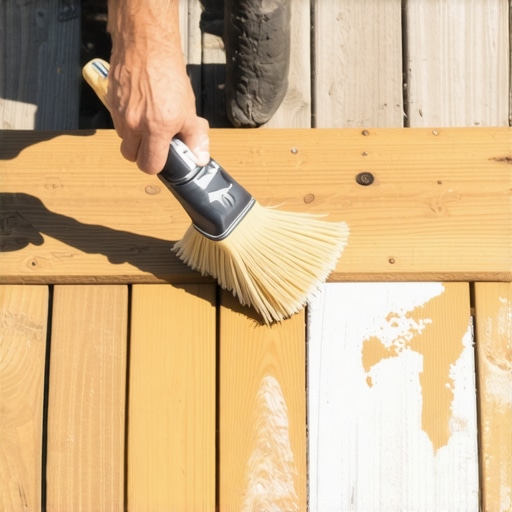
Remember, consistency in these steps keeps your deck in top shape and ready for years of enjoyment, even with upcoming building code updates. For example, exploring new railing materials or ensuring compliance with 2026 building codes can further extend your deck’s lifespan and safety.
Many homeowners assume that choosing a deck builder in Needham simply involves picking the lowest bid or the fastest contractor. However, this superficial approach often overlooks critical nuances that can determine the success and longevity of your project. One common misconception is believing that all decks built to code are safe and durable. In reality, some contractors may meet minimum requirements but still deliver subpar quality that deteriorates faster. It’s essential to understand that craftsmanship, material quality, and adherence to local regulations like the 2026 building codes are vital for a lasting deck. According to a study by the National Association of Home Builders, improperly installed decks are the leading cause of structural failures in residential properties. This underscores the importance of hiring experienced professionals who stay updated with the latest standards, such as those found at [needham building codes](https://deckbuildersneedham.com/needham-deck-builders-managing-2026-timeline). Another trap homeowners fall into is focusing solely on aesthetics, neglecting structural integrity. For instance, choosing trendy railing designs without considering their safety implications can lead to code violations, especially with the new [2026 railing rules](https://deckbuildersneedham.com/needham-deck-permits-3-new-2026-rules-for-homeowners). Advanced homeowners know that understanding the difference between traditional and modern materials can also impact durability. For example, fiberon composites are often misunderstood as maintenance-free; however, they require proper sealing and cleaning routines to prevent mold, as discussed in [composite deck maintenance](https://deckbuildersneedham.com/refurbishing-deck-railings-on-a-budget-needham-2026). Beware the mistake of underestimating drainage and ventilation, which can lead to rot and mold growth despite quality materials. Proper ventilation and drainage are often overlooked by DIYers assuming that standard installation suffices, but neglecting this can accelerate deterioration, as highlighted in recent trends and studies on deck longevity. Make sure you’re hiring professionals who prioritize these nuances. Consider the common myth that pressure-treated wood is always the best choice. While it’s widely used, newer materials like enhanced composite options can outperform traditional wood in terms of structural integrity over time with less maintenance. For a comprehensive comparison, check out [pros and cons of pressure-treated decks](https://deckbuildersneedham.com/pros-and-cons-of-pressure-treated-decks-in-2026-needham). To truly master deck building in Needham, you must look beyond the surface—and that means understanding the deeper factors that influence durability, safety, and compliance. Have you ever fallen into this trap or overlooked a critical detail in your projects? Let me know in the comments and share your experiences.
Keeping Your Deck Working with the Right Tools
Proper maintenance relies heavily on the selection of quality tools that deliver precision and efficiency. I personally swear by a high-quality power washer equipped with adjustable pressure settings. This allows me to clean decks thoroughly without risking damage to the wood or composite surfaces. When cleaning wood decks, I use a machine with a 25° nozzle—this provides enough pressure to remove grime but is gentle enough to avoid splintering. For tougher stains or mold, I turn to a biodegradable cleaner like oxy-based formulas, which are effective yet eco-friendly, helping me stay compliant with local environmental regulations.
For inspecting structural integrity, a moisture meter such as the Wagner Meters Orion 950 is invaluable. It helps detect hidden rot within the wood’s layers, which isn’t visible to the naked eye. This proactive step is crucial for extending the deck’s lifespan and avoiding costly repairs down the line. When replacing hardware or damaged boards, I prefer stainless steel or hot-dipped galvanized screws because they resist corrosion, especially important in humid climates like Needham’s.
Software and Planning Tools I Recommend
Beyond physical tools, I also rely on project management software like Trello to keep track of maintenance schedules, inspection dates, and repair deadlines. It helps me organize routine inspections—checking for loose bolts or splintering—for ongoing care. Additionally, digital apps like Home Depot’s project calculators allow me to estimate material needs accurately, reducing waste and saving money. Planning ahead with these tools ensures I don’t overlook crucial maintenance steps, especially when preparing for upcoming code updates like those in the 2026 Needham building regulations.
How do I maintain deck drainage and ventilation over time?
Maintaining proper drainage is essential for preventing rot and mold, especially as your deck ages. I recommend inspecting the deck’s slope regularly to ensure water drains away effectively. Installing under-deck drainage systems, like waterproof membranes and hidden gutters, can catch runoff and steer it away from the foundation. Ventilation is just as important; good airflow prevents trapped moisture that accelerates decay. Ventilated post sleeves and open risers facilitate airflow, which I found significantly prolongs the structure’s health. For more advanced solutions, consult resources like this guide on fixing drainage issues.

Using these precise tools and planning methods can dramatically improve your ability to keep your deck in top shape. I encourage you to try upgrading your cleaning arsenal with an adjustable power washer and see how it transforms your maintenance routine. Staying ahead with these methods will ensure your deck remains a beautiful and safe space, even as new standards come into effect in 2026. For example, integrating moisture meters into your regular inspections aligns with the latest safety standards for ledger connections, helping you identify issues before they become costly repairs.
From my own experience, I’ve realized that the key to a durable, beautiful deck isn’t just about choosing quality materials or following building codes—it’s about a mindset of consistent care and learning from each season. My biggest revelation? Even the most robust wood can falter without regular inspection, proactive repairs, and staying informed on emerging trends and regulations. In the world of deck maintenance, small, deliberate actions can dramatically extend your deck’s life, ensuring it remains a welcoming space for years to come. Embrace continuous learning, stay curious about innovative materials like those I’ve highlighted, and don’t shy away from consulting seasoned professionals. Your ongoing commitment is the ultimate secret to having a deck that truly stands the test of time, well past 2026.