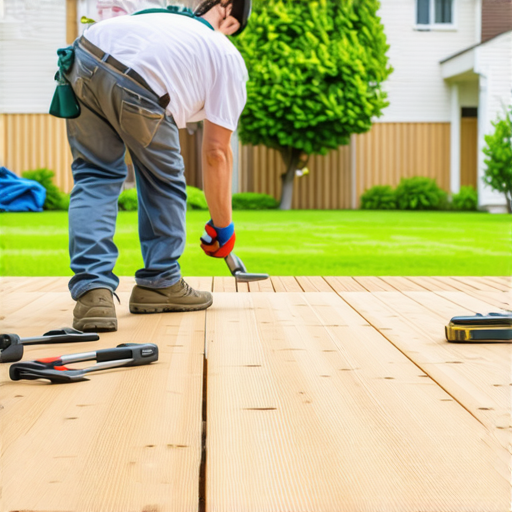

There was a breezy Saturday morning when I stepped onto my deck, only to be greeted by a patch of rough, faded wood and a gnawing realization: I’d ignored a crucial step in maintaining my outdoor oasis. That lightbulb moment hit hard—if I didn’t act now, my beautiful deck would suffer irreparable damage, turning into a costly eyesore. Perhaps you’ve felt that same pinch of regret, staring at your deck’s worn surface, wondering if there’s a way to restore and protect it effectively.
Why Choosing the Right Sealer Matters More Than Ever
In Needham, 2026 brings fresh challenges for wood deck owners. With more unpredictable weather patterns and increasing humidity levels, your deck’s surface takes a beating. The right sealer isn’t just about aesthetics; it’s your first line of defense against moisture intrusion, rot, and mold. I learned this the hard way early in my DIY journey—using a generic product that promised durability but failed to deliver. This mistake cost me both time and money, and I want you to avoid the same pitfalls.
Is the Hype Around Deck Sealants Actually Justified?
You might be skeptical, and rightly so. After all, there are countless products claiming to be the best. My own experimentation revealed that not all sealers are created equal, and selecting an inferior product can compromise your deck’s longevity. I once chose a cheap, water-based sealer, thinking it would save me money, only to find it washed away after just a few rainy months. Proper research and understanding the latest trends—like the advancements in synthetic sealers—can make all the difference. If you’re curious about emerging solutions, check out the latest color palettes that also suggest durable sealing options suitable for 2026’s climate.
Prep Your Deck for Sealing
Begin by clearing your deck thoroughly, removing all furniture, plants, and debris. Use a broom or blower to sweep away loose dirt and leaves, ensuring a clean surface. Next, inspect for surface damage such as cracks or splinters; repair these before proceeding. I once missed this step, and the sealer didn’t adhere well to damaged areas, leading to premature wear. So, take your time to prepare properly.
Choose the Right Time and Conditions
Sealing works best on dry, mild days—aim for temperatures between 50°F and 85°F with low humidity. Avoid sealing right before rain or excessive sun, which can cause uneven absorption. I scheduled my sealing project during a calm, cloudy afternoon, avoiding the afternoon heat. This patience paid off with even coverage and better durability.
Apply Primer if Necessary
Some sealers recommend a primer layer for optimal adhesion, especially on weathered surfaces. Check your product instructions—if I had used a primer on my old deck, the sealer would have lasted longer. Apply a thin, even coat with a roller or brush, working in small sections. Be mindful to not overapply, which can lead to drips or uneven finish.
Use Quality Sealer and Proper Application Technique
Opt for a synthetic, water-based sealer designed for outdoor decks in Needham’s climate, like the latest trends in synthetic materials. My experience with a generic water-based sealer showed it washed away after a heavy rain. For best results, use a pump sprayer or a roller with an extension pole for even coverage. Start at one end and work your way across, maintaining a wet edge to avoid lap marks. Overlap each stroke slightly to ensure complete coverage.
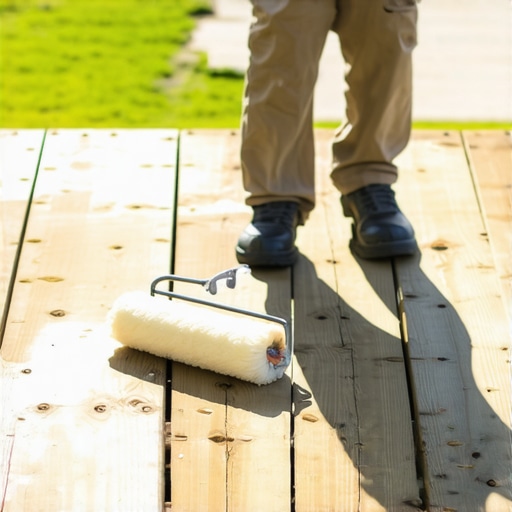
During my first sealing attempt, I used a roller with an extension pole, which made reaching all areas easier and reduced fatigue. This method provided a smooth, even coat, making my deck look professional and well-protected.
Pay Attention to Details
Special attention is needed around edges, joints, and nooks where moisture might hide. Use a brush for these areas to ensure full coverage. Also, note that multiple thin coats outperform one thick coat—apply subsequent layers after the first has dried as per the manufacturer’s recommendations.
Allow Proper Drying and Curing Time
Let the sealer dry completely, typically 24-48 hours, before walking on or replacing furniture. Avoid any contact that could mar the finish during this period. After curing, your deck will be more resistant to moisture, mold, and UV damage—crucial benefits for the needs of Needham homes in 2026.
Many homeowners assume that hiring a deck builder in Needham is just about picking the lowest quote or the most attractive design. However, this oversimplification often leads to costly mistakes. One common misconception is that all contractors deliver equally quality workmanship, but in my experience, the difference lies in nuanced skills such as understanding local building codes and sensorily assessing structural integrity, which are often overlooked. For example, some contractors neglect to properly inspect for hidden rot or structural weaknesses, assuming the visible surface is all that matters. This oversight can result in dangerous situations down the line, especially with the evolving codes for 2026, such as requirements for deck railing height and structural support. To avoid such pitfalls, always verify a builder’s familiarity with local safety standards and ask for detailed inspection reports before signing a contract.
Another secret that many miss is the importance of adapting designs to emerging trends. For instance, incorporating built-in planters or integrated lighting not only enhances aesthetic appeal but also ensures compliance with updated lighting safety and multi-functionality standards. Failing to discuss these features can leave you with a deck that quickly feels outdated or unfit for purpose.
Now, for the question that often trips up even knowledgeable homeowners—what are the risks of neglecting the planning phase? It turns out that rushing into construction without proper blueprinting or permit verification can cause legal issues or require costly modifications later. In Needham, 2026 regulations around permit-free upgrades have tightened, emphasizing the importance of preemptive planning. To get ahead, visit permit requirements early in your project.
The reality is that exemplary deck building combines craftsmanship with strategic insight. It’s about more than just aesthetics—it’s about creating a safe, durable, and stylish outdoor space that complies with all standards and meets evolving needs. Remember, selecting a contractor well-versed in these subtleties can save you from expensive repairs or safety hazards in the future.
Have you ever fallen into this trap? Let me know in the comments. Discover the latest in color trends that can elevate your deck’s look or explore structural safety tips to ensure your outdoor project stands the test of time.
Keeping your deck in top shape over time demands the right tools and a strategic approach. I personally rely on a combination of specialized equipment and software to monitor, maintain, and upgrade my outdoor space efficiently. One of my favorite staples is a digital moisture meter, which helps me identify areas prone to rot before visible damage appears. Regularly checking moisture levels in critical spots like joints and posts allows for proactive maintenance, extending the lifespan of the entire structure.
How do I maintain my deck’s integrity over the years?
Beyond basic cleaning, it’s vital to implement a schedule that includes annual inspections and targeted repairs. I use a cordless electric sander equipped with fine-grit sandpaper to gently remove surface grime during routine refreshes, ensuring a smooth surface for sealing or staining. When it comes to sealing, I prefer a high-quality sprayer—specifically, a professional-grade airless sprayer—because it ensures even coverage on large surfaces and hard-to-reach spots. This saves time and results in a more uniform finish, enhancing both appearance and protection.
For planning and tracking my maintenance tasks, I turn to a project management app with weather integration. By logging measurements, scheduling resealings, and setting reminders, I maintain an organized approach that keeps my deck performing optimally year after year. The future of deck maintenance points toward smart monitoring systems integrated with IoT devices, which can alert homeowners to issues like rising moisture or temperature fluctuations, making oversight even more effortless.
Utilizing proper cleaning and sealing tools makes a difference
Investing in durable tools not only makes the maintenance process easier but also produces more reliable results. For example, I always ensure my sprayer is cleaned thoroughly after each application to prevent clogging—a common issue with cheaper models. Moreover, I select sealers with UV inhibitors and water repellents, which are proven to resist the harsher weather patterns expected in Needham come 2026. These products are more cost-effective in the long run because they reduce the frequency of reapplication and repair.
It’s also wise to stay updated with industry advancements. The latest synthetic sealers incorporate nanotechnology for enhanced durability, making them ideal for Needham’s variable climate. Following expert advice from sources like the Waterproof Tips guide, I recommend trying their advanced sealing method involving multiple thin coats with a high-pressure sprayer to achieve an impermeable barrier—vital for the future resilience of your deck.
In planning your long-term maintenance, consider building a custom schedule with adjustable intervals based on seasonal weather variations. Regularly inspecting and promptly addressing minor issues like loose fasteners or surface splinters prevent costly repairs down the line and preserve your outdoor living space’s value and safety. With the right tools, a disciplined routine, and an eye on emerging trends like smart monitoring, your deck will stand strong for years to come.
Three Lessons That Changed My Approach to Deck Maintenance
One of my lightbulb moments was realizing that neglecting small repairs early on can exponentially increase costs later. Catching a loose board or a tiny crack now prevents major structure issues down the line. Another insight was understanding that not all sealers are created equal—investing in high-quality, modern synthetic sealants has drastically extended my deck’s lifespan. Finally, I learned that a consistent maintenance schedule, combined with smart tools like moisture meters and UV inhibitors, creates a protective shield that keeps my outdoor oasis looking pristine amidst Needham’s changing climate.
Tools and Resources I Trust for Deck Success
My essential toolkit includes a professional-grade airless sprayer, which guarantees an even coat of high-quality sealers. I rely heavily on the latest guides on color and sealing trends for 2026 to stay ahead of aesthetic and durability standards. Books like “Deck Durability and Design” have broadened my understanding of structural integrity, while reputable sources such as Needham safety standards ensure I meet all local codes. All these resources combine to empower me with knowledge and confidence for future projects.
Your Next Move Could Transform Your Outdoor Space
Embrace the journey to a resilient, beautiful Needham deck by applying what you’ve learned and staying proactive with maintenance. With smart planning, quality materials, and a dash of patience, your outdoor haven will be ready to host memories for years to come. Remember, the effort you put in today lay the foundation for a safe and stylish space tomorrow—so get started now and relish every step of creating your perfect outdoor retreat.