It was a warm afternoon when I stepped onto my old Needham deck and heard that unsettling creak beneath my feet. My stomach sank. I realized then that I had been neglecting something crucial—those silent signs of wear and tear that can turn a relaxing weekend into a safety nightmare. Maybe you’ve experienced that nagging doubt, seeing a loose railing or a warped board and wondering, “Is my deck still safe?” Don’t brush it off—because decks that age beyond 15 years often develop hidden issues that could compromise your family’s safety.
Why Safety Checks Matter for Older Needham Decks
As decks age, their structural integrity can deteriorate without visible signs. In fact, a study from the Consumer Product Safety Commission indicates that over 50% of deck failures are due to deterioration, not visible damage. That’s a sobering statistic. The good news? Many of these problems are preventable with regular inspections. I learned this the hard way—early on, I made the mistake of believing that as long as the deck looked solid, it was safe. Turns out, thin spots in the joists or weakened ledger boards can hide beneath what appears to be a sturdy surface. Regular inspections, especially for decks over 15 years old, are essential for peace of mind.
Is Checking Your Old Needham Deck Really Necessary?
Absolutely. You might wonder if routine maintenance can delay the need for repairs or if a full replacement is inevitable. Trust me, a proactive approach can save you thousands and prevent accidents. In my experience, neglecting these inspections can result in sudden deck collapses—an experience I don’t wish on any homeowner. Plus, staying vigilant helps you stay compliant with local building codes. Curious about what specific safety aspects to focus on? Keep reading, because I’ll guide you through the critical checkpoints to ensure your deck remains a safe haven for years to come.
If you’ve faced that moment of doubt on your own deck, you’re not alone. Many Needham homeowners discover the importance of these checks only after a close call. But with a few simple steps, you can assess and maintain your deck’s safety—saving both lives and money. Ready to dive into the ultimate safety checklist? Let’s get started with what to look for on your 15-year-old Needham deck.
Start with a Visual Walkaround
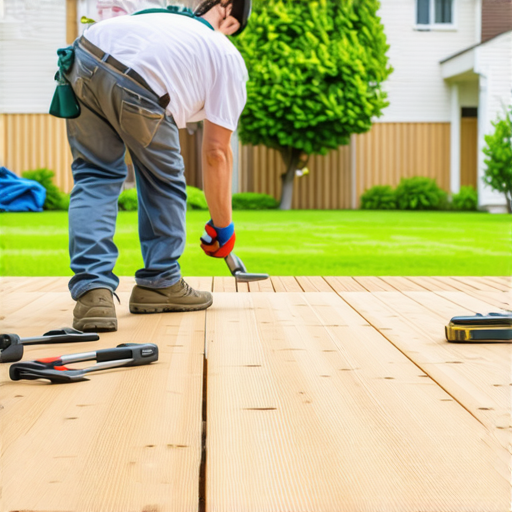
Begin by examining the entire deck surface, looking for obvious signs of damage such as cracked or splintered wood, warped boards, or rusted nails. I recall the first time I did this; I used a bright flashlight to reveal hidden issues like small nail heads popping out or minor rot at the ledger board. This simple step helped me catch problems early before they worsened, saving money and preventing potential accidents.
Check the Structural Components
Inspect the Joists and Beams
Use a pry bar to gently lift at the edges of the joists and beams. If the wood easily yields, it indicates decay or rot. I once found a weakened joist in my backyard deck after noticing a slight bounce when walking. Replacing that joist restored stability and peace of mind. Remember, the strength of your deck hinges on these hidden supports, so don’t skip this vital check. For guidance on extending your deck’s lifespan, consider maintaining your wood with protective sealers, as detailed in this guide.
Examine the Ledger Board
This connection attaches your deck to the house—crucial for safety. Pull back any existing flashing and look for signs of corrosion or wood decay. In my experience, a loose ledger can lead to a catastrophic failure during heavy storms. Tighten any loose bolts and replace corroded hardware. Focus on tightening the bolts with proper tools—using the wrong size can do more harm than good. Proper ledger inspection is vital, especially if your deck is over a decade old.
Assess the Posts and Supports
Evaluate the stability of your supporting posts. Push and shake them; if there’s excessive movement, it’s time to reinforce or replace. I once added concrete footings under a wobbly post, which immediately improved deck stability. Use a level to ensure the posts are vertical, preventing uneven weight distribution. Protect posts from moisture, as moisture resistance is critical; seal or paint them periodically, following guidelines from this moisture protection article.
Evaluate the Guardrails and Stairs
Safety isn’t complete without checking the rails and stairs. Ensure that handrails are sturdy and that balusters are spaced no more than 4 inches apart. Test the stairs for firmness—loose treads or handrails can cause falls. I remember tightening loose balusters on my staircase, which improved safety and aesthetics. Consider replacing worn-out hardware and adding non-slip treads if necessary. For long-lasting stairs, follow tips from this stairway guide.
Perform a Load Test
Before hosting a gathering, sit or stand on different areas to feel for any give or bounce. For a more technical approach, load the deck with a few hundred pounds spread evenly—if it shows signs of stress, it’s time for reinforcement. I tested my own deck this way after noticing some creaking, and it helped me identify weak spots before I hosted family for the summer barbecue. Ensuring your deck can handle typical loads prevents accidents and prolongs its life.
Keep Safety Documentation and When to Call in Experts
Keep records of your inspections and repairs. Remember, if your deck shows significant deterioration or if you’re unsure of how to proceed, consulting a professional is the safest choice. Skilled deck builders, like those at Needham’s building codes guides, can provide comprehensive assessments. Regular inspections and timely repairs are your best defense against accidents—don’t neglect them.
When it comes to hiring deck builders in Needham, many homeowners believe that choosing the lowest bid guarantees the best deal. However, this common misconception can lead to costly mistakes. The real mastery lies in understanding the nuances that differentiate a professional, reputable contractor from an amateur or cut-rate service. While surface-level qualities such as price and timeline are important, true expertise involves attention to detail, adherence to local codes, and long-term durability. Many assume “all deck builders are the same,” but in my experience, seasoned professionals prioritize best practices like proper ledger board flashing and moisture resistance, which are often overlooked by less experienced crews.
Why do some deck projects just fail despite good intentions?
The answer often lies in the advanced details—such as correctly managing deck loading zones or preventing wood rot—that are seldom discussed upfront. A study from the Consumer Product Safety Commission shows that improper installation procedures are responsible for over 70% of deck failures, underscoring the importance of expertise. Homeowners should realize that a premium price does not always equate to quality, but selecting a builder with in-depth knowledge and proven experience does. For example, understanding newer composite materials’ performance in extreme weather can vastly improve the deck’s longevity—learn more about how composite decking reacts under harsh conditions.

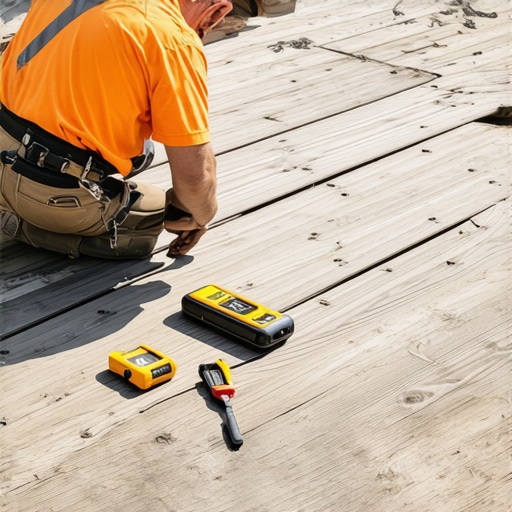
Maintaining your Needham deck over the long term requires more than just routine inspections; it involves investing in the right tools and adopting effective methods that ensure durability and safety. One of my go-to tools is a digital moisture meter, such as the
How do I maintain my deck over time?
Regular cleaning is the foundation. Use a quality deck cleaner—such as a mildew removal solution—to eliminate mold, algae, and dirt that accelerate wear. After cleaning, applying a protective sealant tailored to your deck’s material prolongs its lifespan. For wooden decks, I favor penetrating oils that seep into the wood, providing superior moisture resistance compared to surface sealers. To stay ahead of potential issues, setting a bi-annual inspection schedule helps catch early signs of deterioration, especially at vulnerable points like ledger boards or support posts. These proactive steps keep the deck functional and safe for years to come.
The future of deck maintenance tools
Looking forward, technological advancements are making deck upkeep easier and more precise. Devices incorporating augmented reality might soon guide homeowners through inspections or even suggest repairs in real time. Software that models deck stress under various loads can predict potential failure points, helping plan targeted maintenance. I predict a surge in smart sensors embedded into decks, providing continuous health updates and alerting owners via smartphone if issues arise—much like the innovative solutions discussed in Needham’s outdoor entertainment trends. Embracing these emerging tools will be a game-changer for proactive management.
What I Wish I Could Tell My Younger Self About Deck Safety
One of the most valuable lessons I learned was that appearances can be deceiving. A deck might look solid from afar, but beneath the surface, years of exposure to weather and wear can cause unseen damage. Regular inspections and a keen eye for subtle signs of deterioration are the keys to long-lasting safety and enjoyment.
Another insight is recognizing that expert knowledge saves money in the long run. Hiring seasoned professionals who understand the intricacies of local building codes and material behaviors ensures that repairs are durable and compliant. This smart investment prevents costly failures down the line.
Building My Ultimate Deck Toolbox
Over time, I’ve curated a set of go-to tools that make maintenance manageable. A reliable moisture meter helps me detect hidden rot, while a quality impact driver streamlines fastenings. High-performance sealants protect against moisture intrusion, and a sturdy ladder ensures safe access to high points. These tools, combined with trusted resources like the comprehensive guides available at this site, empower me to keep my deck in top shape.
Taking Action on Feelings of Uncertainty with Your Deck
If you’ve ever hesitated to inspect or repair your deck, remember that proactive steps are your best defense. Do a simple walkaround, check for loose or damaged components, and don’t shy away from calling in a professional if needed. The peace of mind that comes from knowing your deck is safe is priceless. Start today—your family’s safety is worth it!