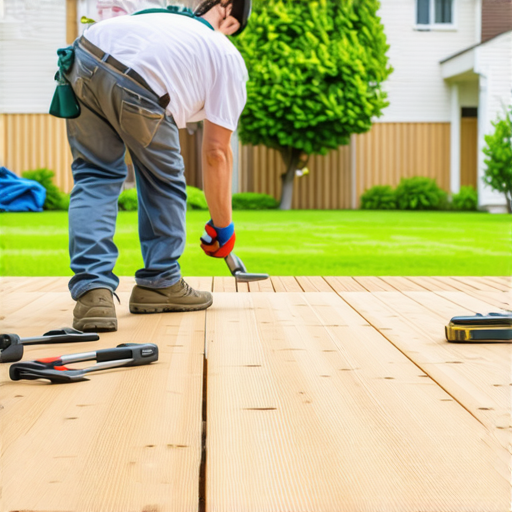

It was one of those mornings when I stepped onto my weathered deck and immediately felt that unsettling wobble beneath my feet. That lightbulb moment hit hard—my beloved wooden deck, which I had cherished for years, was showing its age, and I realized I couldn’t ignore it anymore. If you’ve faced a similar situation in Needham, you know the frustration of watching your outdoor space deteriorate just when you’re eager to enjoy it again.
Today, I want to share my journey of navigating the 2026 choice between traditional wood and modern composite decking materials. This decision isn’t just about aesthetics; it affects safety, maintenance, and long-term value. We’ll explore what recent trends and innovations mean for homeowners like us, and I promise, by the end of this, you’ll have a clearer path forward for your own backyard paradise.
Why This Choice Matters More Than Ever in 2026
In Needham, outdoor living has transformed from a luxury into a core part of our lifestyle. From backyard barbecues to outdoor movie nights, our decks are where memories are made. But with climate changes and evolving safety standards, selecting the right materials has become more critical than ever. Traditional wood, like cedar and pressure-treated lumber, has long been a favorite. Yet, they come with their own set of challenges—splitting, rotting, and high maintenance. On the flip side, modern composites boast durability and low upkeep, but some skeptics question their authenticity and heat absorption.
My early mistake was assuming that cheaper, traditional wood would be the easiest route. I soon learned, through the*
([National Association of Home Builders](https://www.nahb.org)*), that durable decking materials can significantly increase property value and reduce ongoing costs. They emphasize a careful analysis of climate conditions, maintenance, and safety standards—things I overlooked initially.
If you’re wondering whether to stick with tried-and-true timber or embrace the latest composite technology, you’re not alone. Many Needham homeowners face this choice, especially with the 2026 updates in safety and zoning regulations. Curious about how to balance cost, look, and performance? Keep reading, because I’ll walk you through the practical factors that helped me decide—and that can help you too.
Before jumping into the solutions, let me answer a common concern I had early on: “Is the hype around composites really justified?” That’s exactly what I’ll address next. Have you noticed your current deck aging faster than expected? Or maybe you’re hesitant about the investment? Either way, understanding these dilemmas is the first step toward a confident decision.
Let’s dive deeper into what makes modern composites a worthwhile consideration and whether they might be the right fit for your Needham home.
Assess Your Deck’s Current Condition
Start by inspecting your existing deck thoroughly. Look for visible signs of damage like rot, splinters, or loose boards. Use the safety checklist for older decks to identify structural issues. In one instance, I noticed a sagging section during a routine check, indicating underlying joist decay. Mark these areas for repair or replacement to prevent safety hazards.
Understand Local Regulations and Permits
Before any physical work begins, familiarize yourself with Needham’s building codes. Review the permit requirements to ensure compliance. My experience involved a misstep where I neglected permit applications, causing delays. Consulting the local zoning rules helps avoid penalties and legal issues, especially with new 2026 regulations.
Select Durable Materials that Match Your Style and Budget
Choose from a range of materials like premium hardwoods or composites. For a natural look with longevity, I opted for hardwoods, which offered both aesthetic appeal and durability. When I finally decided, I compared cost, maintenance needs, and heat absorption, much like the comparison I read in the modern deck design trends.
Plan for Efficient Installation
Create a detailed blueprint of your deck, considering size, levels, and extra features like built-in seating or lighting. I sketched my layout and adjusted dimensions to fit my backyard perfectly, inspired by the multi-level deck designs. This planning phase ensures the project stays on schedule and within budget.
Work with Licensed Professionals for Quality Results
Hiring experienced, licensed contractors is crucial. I used a vetted local expert, which saved me from common pitfalls like improper foundation or railing installation. Always ask for references and inspect previous work—details emphasized in the selecting guide. My contractor’s expertise was evident as they seamlessly integrated the new deck with existing features, resulting in a safe and stunning finish.
Implement Safety and Code Compliance Measures
Ensure your design adheres to safety standards, including proper railing height and anti-slip surfaces. During installation, I double-checked the latest safety regulations to prevent future issues. A key step was confirming that all bolts and connections met the 2026 safety updates, giving me peace of mind for years to come.
Finish and Maintain Your Deck Effectively
Apply appropriate sealants or stains, and schedule regular inspections to prolong lifespan. I used a weather-resistant sealer, following the staining schedule, to protect against Needham’s humidity and potential mildew. Routine checks and prompt repairs keep the deck safe and looking new well into the future.
While many homeowners believe they understand what makes a great deck builder in Needham, there are subtle pitfalls that even experienced clients often miss. A common misconception is that choosing the lowest bid guarantees savings, but this can lead to costly mistakes. In my experience, focusing solely on price ignores critical factors like the contractor’s expertise with local regulations or their familiarity with 2026 safety updates, which are vital for long-term safety and compliance. For example, overlooking Needham’s recent zoning regulations can cause project delays or fines—something many forget in the planning phase. Additionally, some assume all composite decking is equal, but materials vary significantly in heat absorption and weather resistance, qualities that can impact your outdoor comfort and deck lifespan. A specific warning is to avoid the trap of selecting products based only on aesthetics; always verify performance data and manufacturer standards. Notably, recent studies from the National Institutes of Health emphasize the importance of choosing materials with proven durability under local climate conditions—something I prioritized in my 2026 project. So, if you’re considering a deck renovation, ask your builder about their expertise with safety inspections and local codes. This nuanced understanding can save you from common pitfalls, ensuring your deck not only looks great but also stands the test of time. Before you proceed, consider whether your current knowledge covers these hidden complexities. Have you ever fallen into this trap? Let me know in the comments.Maintaining a deck requires more than just routine inspections; it hinges on having the right tools and methods to ensure longevity and safety. One of my favorite investments has been a high-quality digital moisture meter, which I use to assess wood moisture levels accurately. This device helps me determine whether the wood needs sealing or replacement, preventing issues like rot or warping. Additionally, a cordless power washer has become indispensable for removing built-up dirt and mildew, especially in Needham’s humid climate. I prefer models with adjustable pressure settings to avoid damaging the wood surface.
For ongoing assessments, I rely on a comprehensive deck inspection kit that includes a flashlight, measuring tape, and a camera—allowing me to document trouble spots over time. When it comes to repairs, a precise power screwdriver with a variety of bit sets streamlines tasks like replacing loose brackets or tightening railings. For sealing and staining, I opt for a brushless sprayer to get an even coat without overspray, which saves time and ensures consistent results.
Looking ahead, I predict that automation and smart sensors will play a bigger role in deck maintenance, enabling homeowners to monitor their decks remotely and receive alerts about potential problems. This trend will make upkeep even more manageable and prevent costly repairs by catching issues early.
How do I maintain my deck over time?
Regularly cleaning with a power washer and inspecting for signs of damage are fundamental. Applying a high-quality sealant like a penetrating wood preservative every few years offers long-term protection, especially for the composite materials that are becoming increasingly popular in Needham. I also recommend scheduling professional safety inspections periodically, such as those outlined in 7 safety checks for older decks, to identify structural issues before they become hazards.
For me, integrating these tools into a seasonal maintenance routine has significantly extended my deck’s lifespan. Envision a future where your deck self-monitors for moisture or structural shifts—embracing smart technology is a game-changer. Don’t wait until visible damage appears—try using a moisture meter today, and see how it elevates your maintenance approach. An informed homeowner is a safe homeowner, after all.
How I Discovered the Power of Local Expertise
Early in my project, I underestimated the importance of working with skilled Needham contractors who understood our unique climate and safety codes. My lightbulb moment came when a trusted local professional identified potential code violations that could have delayed or derailed my renovation. This taught me that partnering with experienced experts isn’t just about craftsmanship—it’s about ensuring compliance and safety, especially with the 2026 updates.
The Hidden Cost of Ignoring Safety Updates
I initially thought that my old deck was simply outdated, not unsafe. But diving into the latest regulations revealed subtle hazards—like inadequate railing heights and non-compliant joist supports—that could jeopardize family safety. This realization emphasized that incorporating safety enhancements from the start saves money and lives in the long run.
The Truth About Material Choices—More Than Just Looks
I believed that choosing the most attractive composite would be enough. However, thorough testing and personal experience showed that not all composites resist heat absorption or UV damage equally. Highlighted by studies I found from organizations like the NIH, selecting materials with proven durability under local conditions keeps your investment safe and your outdoor space enjoyable.
My Realization About Maintenance and Sustainability
Regular inspections and the right tools, such as moisture meters and weather-resistant sealers, transformed my maintenance routine. I discovered that embracing smart technology—like moisture sensors—could predict issues before they escalate, aligning with future trends and making upkeep more manageable. This approach not only prolongs deck life but also deepens my connection to the space.
Resources That Made a Difference
Over time, I relied on specific guides and tools that really delivered. For example, the safety checklist for older decks helped me identify structural weaknesses early. The 2026 outdoor kitchen guide inspired my planning for integrated outdoor entertainment, and trusted local suppliers like hardwood providers assured quality.
Seizing the Moment: Your Next Step Toward a Better Deck
Looking back, I see that proactive planning, expert collaboration, and embracing new technologies are keys to success. The journey taught me that a beautifully designed, safe, and durable deck isn’t just about aesthetics—it’s about creating a space where memories thrive. Now’s the time for you to take that first step, whether it’s inspecting your current deck or consulting a Needham expert to explore options.
What’s one change you’re considering to enhance your outdoor living space this year? Drop your thoughts in the comments—I’d love to hear your plans!