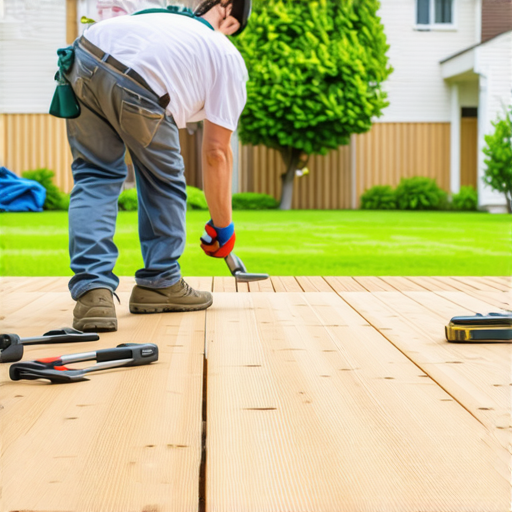

There was a morning not too long ago when I stepped onto my deck and immediately felt that unsettling wobble. A quick glance revealed some hidden cracks, and in that moment, I realized something crucial: I had overlooked the signs of structural weakness that could turn a relaxing outdoor space into a safety hazard. It was a lightbulb moment for me, and I bet you’ve experienced something similar—maybe a strange creak or a loose railing that makes you pause before sitting down.
Why Detecting Structural Flaws Early Matters More Than Ever
For us Needham homeowners, decks are more than just wooden platforms—they’re the stages of our outdoor gatherings, personal escapes, and family memories. But as 2026 approaches, understanding how to identify lurking weaknesses in your deck becomes essential. Ignoring these signs can lead to costly repairs or, worse, dangerous accidents. The truth is, decks that seem sturdy might be harboring hidden issues that, left unaddressed, could compromise safety and longevity. According to the Consumer Product Safety Commission, thousands of injuries occur each year due to deck failures, many of which could be prevented with regular inspections.
From my own experience, I learned that early detection isn’t just about avoiding accidents; it’s about saving money and maintaining that welcoming charm. When I failed to catch the first signs of erosion around my ledger board, I almost faced a complete rebuild—a process that could have been avoided with a few simple checks. This realization motivated me to develop a practical approach to identifying vulnerabilities in my deck before they became major problems.
If you’ve ever felt that nagging doubt about your deck’s stability, or if recent storms or seasonal shifts have caused concern, you’re not alone. Today, I’ll share the methods I’ve found effective, including tips on what to look for and how to assess your deck’s health confidently. And if you’re wondering whether it’s worth investing time in this process, trust me—early diagnosis is your best bet for peace of mind and long-term savings. Want to make sure your deck is safe and sound? Let’s dive into how you can spot those trouble signs before they escalate.
Protect Your Investment: Recognize the Signs of Weakness
Is Checking Your Deck Really Worth the Effort?
I understand the skepticism. It seems like a hassle, maybe even unnecessary. But honestly, the biggest mistake I made early on was assuming that my deck was fine because it looked okay from a distance. When I finally inspected closely, I found corrosion in the ledger bolts and subtle warping in the joists—problems that could have been caught sooner with more vigilance. Skipping detailed inspections can mask what’s truly happening beneath the surface. To learn more about common issues like this and how to avoid them, I recommend reviewing some key safety checks specific to Needham decks in 2026.
So, if you’re questioning whether inspection is worth your time, consider how much you value peace of mind and safety. A few quick checks can save you from costly repairs down the line and ensure you keep enjoying your outdoor space with family and friends. Now, let’s move on to practical steps you can take to assess your deck’s health effectively.
Start with a Visual Inspection
Before crawling under your deck, take a moment to look from a distance. Walk around and note any uneven surfaces, wobbly sections, or discolored wood. During my own check last spring, I noticed a sagging railing that seemed harmless at first—until I got closer and saw cracks forming at the joints. This initial visual cue prompted me to get a more detailed assessment.
Next, move closer and examine specific areas systematically. Focus on the ledger board where it attaches to the house, the support posts, and the floorboards. Using a flashlight helps reveal hidden issues like rot or rust that aren’t obvious in daylight. I found rusted ledger bolts behind a loose panel—an easy fix that prevented potential structural failure.
Check for Structural Stability and Signs of Damage
Test Joist and Beam Integrity
Use a pry bar or screwdriver to gently lift or press on the joists and beams. If you feel movement or hear creaking, it indicates weakness. During my test, I discovered a slightly loose beam near the stairs—tightening the brackets restored stability and saved me from an expensive rebuild.
Inspect for rot, warping, or splitting in the wood, especially in areas exposed to weather. Look for soft spots or discoloration. Once, I found a soft section in a support post—replacing just that piece prevented a catastrophic collapse.
Assess Fasteners and Connectors
Development of corrosion is common, especially in Needham climates. Check the condition of bolts, nails, and hangers visually. Tap suspicious fasteners with a hammer or screwdriver handle; a dull sound suggests corrosion or loosening. I replaced rusty ledger bolts after noticing they no longer held firm—a simple swap that reinforced the entire structure.
Evaluate Load Capacity and Utensils
Measure the weight your deck can safely support. Consider recent additions like heavy furniture or planters. To avoid surprises, I used a simple bathroom scale under support posts to gauge load capacity—helping me decide whether to reinforce or replace parts.
Understanding your deck’s capacity also involves considering local code updates. Checking the latest safety standards or consulting guides like Needham’s deck safety updates for 2026 can provide valuable benchmarks for inspection.
Perform a Soundness Test with a Professional
If the above checks indicate potential issues, or if you’re unsure, hire a deck specialist. During one professional inspection, I learned that a supporting post was slightly tilted—a sign that soil erosion was at play. Their expertise, combined with my observations, prevented a dangerous failure and saved costs. For trusted local contractors, see Needham deck contractors review.
Remember, regular, thorough inspections are your best defense against unexpected deck failures. Don’t wait until a wobble turns into a collapse—act early with these concrete steps, and your outdoor sanctuary stays safe and inviting.
When considering deck renovations or new builds, many assume that hiring a general contractor or even an inexperienced handyman will suffice. But in my experience, this approach often overlooks the subtle nuances that define truly skilled deck builders in Needham. For example, a common myth is that all contractors can handle complex design elements equally well. The truth is, expertise in local zoning regulations and understanding historic neighborhood aesthetics require specialized knowledge. Failing to recognize this can lead to costly revisions later on. Moreover, some believe that a low quote guarantees savings—yet often, these estimates cut corners on essential safety features like proper ledger attachment and support spacing. Advanced mistakes like these can compromise your deck’s structural integrity and safety. An insightful study by the National Association of Home Builders highlights that decks built without attention to these details are significantly more prone to failure within the first five years, emphasizing the importance of choosing experienced professionals. A clever trick I’ve learned is to request portfolios that showcase previous projects in Needham, ensuring familiarity with local building codes and climate considerations. Don’t fall for the trap of assuming that cheap means good; rather, focus on value and craftsmanship. Also, be cautious of contractors who avoid detailed quotes or skip inspection routines—they might save money upfront but could cost thousands in repairs or safety risks later. For example, some overlook the importance of inspecting ledger board flashing, which is critical in wet climates like Needham’s. To get a better sense of what to look for, check out guides on how to assess deck load capacity and fastener integrity. Remember, your outdoor space is an investment that deserves the best expertise available, not just the lowest bidder. Let’s dig deeper: why do so many people underestimate the importance of seasoned craftsmanship? The answer lies in the complexity of modern deck materials and designs that require a nuanced understanding of structural load, material longevity, and aesthetic integration. Professionals with local experience, such as those reviewed on trusted platforms, are your best bet for peace of mind. Have you ever fallen into this trap? Let me know in the comments. For more insights on ensuring your project’s success, explore how active ongoing maintenance can prolong your deck’s lifespan, and don’t forget to review resources like the latest safety regulations and innovative design ideas at [enhancing your outdoor lifestyle on your needham deck for 2026](https://deckbuildersneedham.com/enhancing-your-outdoor-lifestyle-on-your-needham-deck-2026). Choosing the right deck builder is more than just a matter of price; it’s about ensuring every detail aligns with your safety, budget, and style goals.
Investing in Quality Tools for Long-Term Care
Maintaining your deck’s integrity over time requires more than just a keen eye; it demands the right set of tools. I personally rely on a high-quality cordless electric drill equipped with various screwdriver bits to tighten loose fasteners efficiently without damaging the wood. For detailed inspections, a moisture meter such as the Moisture Probe Meters by Wagner helps me identify hidden rot in support posts or joists before it becomes visible or dangerous. Using a digital level is essential for checking that your deck remains perfectly horizontall, especially after any weather-related shifts. These tools not only save me time but also provide precise readings, ensuring I address issues proactively rather than reactively.
Streamlining Maintenance with Software and Apps
Beyond physical tools, I’ve found that digital reminder apps like Todoist help me schedule regular inspections and maintenance tasks. Creating quarterly checklists within such apps ensures I don’t overlook crucial safety routines. For instance, I set recurring reminders to inspect ledger bolts, support posts, and surface cracks, making maintenance part of my routine rather than an afterthought. Additionally, project management tools like Trello allow me to track repairs and upgrades step-by-step, ensuring nothing slips through the cracks.
How do I keep my deck working perfectly over time?
Consistent, scheduled inspections combined with the right equipment are my best strategies. Regularly testing fasteners with a screwdriver, monitoring moisture levels, and maintaining a cleaning routine significantly extend your deck’s lifespan. For example, I make it a point to clean my deck thoroughly at least twice a year, using a biodegradable cleaner designed for composite or wood surfaces—depending on the material. For more on maintaining your deck’s appearance and safety, check out my detailed guide on composite decking cleaning in Needham.
Future Trends in Deck Maintenance
Looking ahead, I believe automation will become a game-changer. The emergence of smart sensors embedded within decks that monitor structural health in real-time is promising. These devices can alert homeowners instantly if there’s shifting or rot—saving time, money, and potentially life. As technology advances, expect to see integrated apps that communicate with these sensors, providing step-by-step maintenance tips based on data trends. To prepare now, I recommend adopting proactive routines—using moisture meters, engaging with professional inspections, and leveraging smart tools to extend your deck’s life.
Why do I keep my deck working seamlessly over the years?
Because staying ahead of problems is far more cost-effective and satisfying than dealing with emergencies. Try integrating these advanced tools into your routine and notice how much more confident you become in your deck’s durability. For detailed steps on how to integrate ongoing maintenance, explore [the latest safety inspections for Needham decks](https://deckbuildersneedham.com/7-safety-checks-for-needham-decks-over-15-years-old). Taking these small but consistent actions will ensure your outdoor space remains a reliable haven for years to come.
The Hardest Lesson I Learned About Deck Builders Needham
One of my biggest surprises was realizing that overlooking small signs of wear—like a tiny crack or a loose bolt—can escalate into costly repairs. Ignoring these little details taught me that early intervention isn’t just about safety; it’s about preserving your investment and peace of mind. The more I paid attention, the more I appreciated the subtle cues that indicate when a deck needs attention—like a slight sway underfoot or discolored support beams—reminding me that proactive care makes all the difference.
Gems From My Handy Toolkit That Saved the Day
Over time, I discovered that having the right tools—such as a moisture meter to detect hidden rot or a good digital level—transformed my maintenance routine. These gadgets didn’t just save me time; they provided confidence that I was catching issues early. I also found that investing in quality fastener sets and rust remover made repairs more durable and less frustrating. These resources are invaluable for any homeowner looking to extend their deck’s lifespan and avoid unexpected failures.
Encouragement to Boost Your Deck Confidence
Remember, maintaining your deck is an ongoing journey, not a one-time task. Every inspection, small repair, or upgrade contributes to a safer, more beautiful outdoor space. Embrace the process, stay vigilant, and don’t hesitate to seek professional guidance when needed. Your efforts today will ensure your deck remains a cherished part of your home for years to come. Ready to take the next step? Your well-maintained deck awaits its next family gathering or quiet evening under the stars. Start with a simple inspection, and watch how confidence grows as you master the art of deck care.