
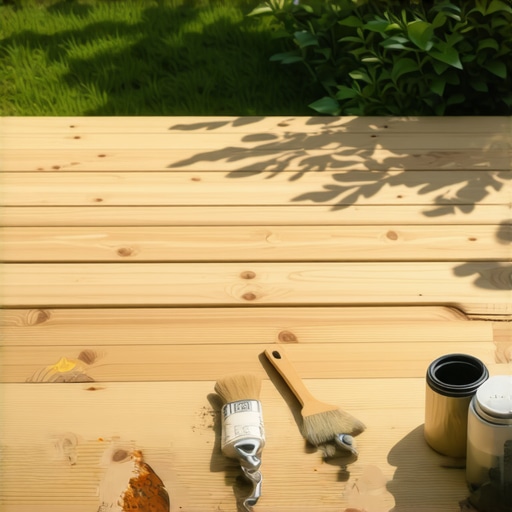
Ever stepped outside on your deck only to be greeted by splintered boards, faded stain, or worse—a soft spot that makes you think twice before setting foot on it? I know that sinking feeling all too well. My own backyard oasis had become a safety hazard and an eyesore, turning weekends from relaxing retreats into dreaded chores. That lightbulb moment hit me hard: my beloved deck needed more than just a quick patch—it needed a serious refresh.
Why Now Is the Perfect Time to Restore Your Deck in Needham
As a Needham resident, I often hear folks say, “It’s just a little wear—I’ll get to it later.” But neglecting your deck can turn small issues into costly disasters faster than you might think. According to the National Library of Medicine, untreated wooden structures can deteriorate by as much as 50% within just five years, especially in climates like ours. This is why prioritizing restoration now could save you a lot in repairs down the line—and keep your outdoor space safe and inviting. Plus, with the plethora of options available in 2026, restoring your deck has never been more rewarding and straightforward.
Are You Falling for the Hype or Facing Real Risks?
Early on, I made the mistake of thinking a quick sanding and spray-on stain would do the trick. Turns out, I overlooked underlying rot and detached boards—issues that only got worse over time. That experience taught me the importance of assessing the full scope before jumping into fixes. If you’re worried about wasting money on short-term fixes or if you’re skeptical about whether restoring an old deck is worth it, you’re not alone. The truth is, a well-done restoration can extend the life of your deck by years, saving you money and giving you peace of mind. Want to avoid my pitfalls? Let’s explore the essential steps to bring your old deck back to life confidently.
Assess the Damage Like a Pro
Start by thoroughly examining your deck for signs of rot, loose boards, and structural weakness. Use a screwdriver to poke at suspect wood—if it sizzles or falls apart easily, it’s compromised. I recall a time when I found soft spots that led me to replace over a dozen damaged boards, preventing further decay and ensuring safety. Document issues with photos to plan repairs efficiently.
Remove Old Finish and Prepare the Surface
Next, strip away peeling stain and paint using a deck stripper or a power washer set on low pressure. Think of this as sanding a rough gemstone—you’re revealing the fresh, clean surface beneath. Be sure to wear safety gear; I remember splashing stain into my eye once, a reminder to prioritize safety during this step. Proper cleaning ensures new coatings adhere well and last longer.
Repair Structural Components
Address foundational issues first. Replace rotten joists or beams and tighten loose screws and bolts. For instance, I replaced a sagging beam with a new pressure-treated support, tightening the frame and restoring stability. Use galvanized or stainless steel fasteners to prevent rust. Checking the integrity before proceeding avoids costly failures down the road.
Treat and Seal the Wood
Apply a wood preservative to prevent future decay. For example, I used a cedar-safe preservative that penetrated deep into the fibers, extending the deck’s lifespan. Follow this with a primer or bonding agent if you’re planning to stain. This step is like putting on a raincoat; it shields your deck from moisture, especially in climates like Needham’s.
Choose the Right Coating
Pick a high-quality stain or paint suited for decks. Consider fiberon composites for longevity and low maintenance, especially now that they’re a top choice for many Needham homes. If you opt for wood, check out the latest eco-conscious options to align with sustainable practices. For durability against weather and foot traffic, I favor semi-transparent stains that highlight natural wood grain while providing protection.
Apply in Controlled Conditions
Weather matters. Plan your project for a day when temperature and humidity are moderate, avoiding direct sunlight or rain. I once rushed a staining project during a heatwave, causing the finish to peel. Apply coats with a brush or roller, following manufacturer instructions. Multiple thin layers yield better results than one thick coat, preventing drips and ensuring even coverage.
Finish with Safety and Maintenance in Mind
Install non-slip textures for safety, especially if you have children or seniors. Check out options in the local Needham market to find textures that blend seamlessly with your style. Regular inspections and touch-ups extend the lifespan—set reminders to assess your deck seasonally, and clean it with gentle solutions to preserve the finish. Remember, a well-maintained deck not only looks great but keeps everyone safe and happy.
While many believe that hiring a local deck builder means simply selecting someone with the right tools and a friendly face, there’s a deeper layer of expertise often overlooked. The truth is, seasoned deck builders in Needham possess a nuanced understanding of environmental factors, material science, and project planning that go beyond basic carpentry skills.
Why Do Some Decks Fail Despite Hiring a Pro?
It’s a common myth that professional deck builders are infallible. In reality, minor misjudgments—like choosing the wrong sealant for our climate or miscalculating load capacities—can lead to premature failure. For example, using an outdated assessment technique might cause oversights in detecting hidden rot or structural weaknesses, which could result in costly repairs later. An expert understands the importance of tailored solutions—such as selecting Fiberon for durability and aesthetic appeal—that suit the unique needs of Needham backyards.
#IMAGE_PLACEHOLDER_C#
Additionally, many assume that all composite materials are alike. But, as discussed in [this comparison of Timbertech products](https://deckbuildersneedham.com/comparing-timbertech-pro-vs-edge-in-2026-needham), vendor differences can significantly impact longevity, heat retention, and slip resistance. Choosing the right material isn’t just about price; it involves understanding the subtle differences that affect long-term performance.
Have you ever fallen into this trap? Let me know in the comments.
Construction Oversights That Could Cost You
Advanced mistakes often involve overlooking ventilation, proper drainage, or load distribution—issues that aren’t apparent to the untrained eye. For instance, neglecting to incorporate adequate airflow beneath your deck can accelerate wood rot, especially during our damp Needham springs. An expert understands the significance of proper ventilation, which can be aided by strategic spacing and the use of breathable underlayers. Moreover, neglecting to verify adherence to local zoning codes—such as setbacks and height restrictions—can delay your project or lead to costly modifications post-build. To ensure your investment lasts, consider consulting with professionals who are well-versed in [Needham’s local regulations](https://deckbuildersneedham.com/needham-deck-zoning-avoiding-the-2026-property-line-trap).
Ultimately, the gap isn’t just in carpentry skills but in the ability to anticipate and mitigate environmental and regulatory nuances. Remember, a great deck isn’t just built; it’s engineered to last.
Thinking about your next project? Make sure your deck builder brings this level of expertise to the table.
Essential Tools for Deck Maintenance
Maintaining a deck that stands the test of time requires more than just elbow grease—it demands the right equipment. I personally rely on a high-quality power washer with adjustable pressure settings, particularly because in Needham’s humid climate, gentle yet effective cleaning preserves the deck surface without causing damage. An electric orbital sander equipped with 120-grit sandpaper helps smooth weathered wood and remove old finish, especially when refinishing cedar or other soft woods. For detail work around railings and corners, I prefer a handheld rotary tool with specialized bits, which allows precise control and reduces leakage risk. Recognizing the importance of proper tools, using equipment like a clamp-on level and laser distance meter ensures structural accuracy during repairs, saving time and preventing costly mistakes.
Software and Methodologies That Keep Projects Long-Lasting
In addition to physical tools, software solutions have become invaluable for planning and maintaining your deck over time. I recommend using design software such as SketchUp with custom deck templates; it helps visualize upgrades and plan maintenance routines. For scheduling regular inspections, setting automated reminders through apps like Todoist ensures you don’t overlook seasonal checks. These planning tools streamline long-term care, from reapplying sealants to structural assessments, and help anticipate upcoming needs based on weather patterns. Additionally, I utilize moisture meters from reputable brands like Protimeter, which provide accurate readings of wood moisture levels—crucial for preventing rot and ensuring optimal sealing intervals.
Steps to Keep It Working Effectively
Routine maintenance is the backbone of a durable deck. Regular power washing combined with strategic sealing extends the lifespan of your surface, especially when using products like Fiberon or eco-conscious woods. I recommend scheduling deep cleaning every two years, with minor touch-ups in between. Always inspect for signs of wear—loose fasteners, splinters, or fading—and address these issues promptly. Treating the wood with a preservative prior to sealing can prevent moisture ingress and insect damage. For ongoing protection, high-quality non-slip textures can be applied, particularly in high-traffic or damp areas, with products available through local Needham providers. These proactive steps ensure your deck remains safe and visually appealing for years to come, defying the natural wear-and-tear cycle.
Where will deck maintenance go in the future?
As technology advances, expect to see more integration of smart sensors and IoT devices that monitor deck integrity in real-time, alerting homeowners to issues before they escalate. Automated cleaning robots and environmentally friendly sealants that self-apply are also on the horizon, promising less manual effort and longer-lasting results. Custom apps might soon offer tailored maintenance schedules based on weather forecasts and usage patterns. Embracing these innovations now can keep your deck functioning optimally well into the next decade, minimizing downtime and repair costs.
How do I maintain my deck over time?
Regular inspections and timely interventions are key. Utilizing the right tools like moisture meters and power washers, combined with smart planning through apps and design software, allows you to stay ahead of potential problems. Incorporate gentle cleaning routines, proper sealing, and structural checks into your schedule, and you’ll safeguard your investment for years to come. Just remember, consistency beats intensity, so establishing seasonal maintenance routines is the way to go. For example, always check fasteners and surface integrity every spring and fall. Want to double your deck’s lifespan? Try applying a premium preservative like mahogany-based preservatives—they’re highly effective at preventing rot and decay, especially in our climate. Putting these practices into action today ensures your Needham deck remains the centerpiece of your outdoor living for years to come.
The Hardest Lesson I Learned About Deck Builders Needham
One of the most eye-opening realizations was that even seasoned professionals can mishandle critical details like ventilation or slide into complacency, leading to premature failures. I once watched a crew overlook a simple drainage solution, which resulted in trapped moisture and rot within just a couple of years. That taught me that expertise isn’t just about having tools but understanding every environmental nuance.
Why Personal Experiences Shape Better Decks in Needham
Having firsthand experience with the pitfalls of neglecting environmental factors in our climate, I now prioritize choosing materials like Fiberon and employing maintenance routines tailored specifically for Needham’s weather patterns. These choices, based on direct lessons learned, significantly improve longevity and safety. Trusting resources that delve into the subtleties of climate-resilient decking options has transformed my approach from reactive to proactive.
How Small Adjustments Can Save Big Time and Money
Sometimes, I found that simple tweaks—like adding breathable underlayments or upgrading fasteners—prove far more effective than extensive repairs. It’s like upgrading from a band-aid to a proper fix. It’s these small, informed changes that shield your deck from common issues such as moisture damage or structural erosion, which I experienced firsthand. Implementing minor improvements following expert advice can keep your deck safe and beautiful without breaking the bank.
Where Expertise Becomes Your Best Investment
In my journey, collaborating with reliable Needham deck contractors has underscored the importance of local knowledge—understanding zoning laws, choosing the right materials, and planning for long-term resilience. Learning to evaluate bids critically and asking the right questions, especially about material choices like those showcased in comparing Timbertech products, can prevent costly mistakes. Investing in experienced craftsmanship is the smartest way to ensure your deck withstands our unique climate challenges over time.
Inspiration to Start Your Deck Revival Today
Your deck can become everything you dream it to be—safe, stylish, and lasting—if you take informed steps inspired by real-world lessons. Don’t wait until minor issues grow into major repairs. Embrace the insights available, select high-quality materials suited for Needham, and partner with trusted local professionals. Building or restoring a deck is an adventure—one that brings beauty, safety, and value right to your doorstep.
What part of your deck needs the most attention right now? Share your thoughts below, and let’s build something amazing together!
}#}#}#}#}#}#}#}#}#}#}#}#}#}#}#}#}#}#}#}#}#}#}#}#}#}#}#}#}#}#}#}#}#}#}#}#}#}#}#}#}#}#}#}#}#}#}#}#}#}#}#}#}#}#}#}#}#}#}#}#}#}#}#}#}#}#}#}#}#}#}#}#}#}#}#}#}#}#}#}#}#}#}#}#}#}#}#}#}#}#}#}#}#}#}#}#}#}#}#}#}#}#}#}#}#}#}#}#}#}#}#}#}#}#}#}#}#}#}#}#}#}#}#}#}#}#}#}#}#}#}#}#}#}#}#}#}#}#}#}#}#}#}#}#}#}#}#}#}#}#}#}#}#}#}#}#}#}#}#}#}#}#}#}#}#}#}#}#}#}#}#}#}#}#}#}#}#}#}#}#}#}#}#}#}#}#}#}#}#}#}#}#}#}#}#}#}#}#}#}#}#}#}#}#}#}#}#}#}#}#}#}#}#}#}#}#}#}#}#}#}#}#}#}#}#}#}#}#}#}#}#}#}#}#}#}#}#}#}#}#}#}#}#}#}#}#}#}#}#}#}#}#}#}#}#}#}#}#}#}#}#}#}#}#}#}#}#}#}#}#}#}#}#}#}#}#}#}#}#}#}#}#}#}#}#}#}#}#}#}#}#}#}#}#}#}#}#}#}#}#}#}#}#}#}#}#}#}#}#}#}#}#}#}#}#}#}#}#}#}#}#}#}#}#}#}#}#}#}#}#}#}#}#}#}#}#}#}#}#}#}#}#}#}#}#}#}#}#}#}#}#}#}#}#}#}#}#}#}#}#}#}#}#}#}#}#}#}#}#}#}#}#}#}#}#}#}#}#}#}#}#}#}#}#}#}#}#}#}#}#}#}#}#}#}#}#}#}#}#}#}#}#}#}#}#}#}#}#}#}#}#}#}#}#}#}#}#}#}#}#}#}#}#}#}#}#}#}#}#}#}#}#}#}#}#}#}#}#}#}#}#}#}#}#}#}#}#}#}#}#}#}#}#}#}#}#}#}#}#}#}#}#}#}#}#}#}#}#}#}#}#}#}#}#}#}#}#}#}#}#}#}#}#}#}#}#}#}#}#}#}#}#}#}#}#}#}#}#}#}#}#}#}#}#}#}#}#}#}#}#}#}#}#}#}#}#}#}#}#}#}#}#}#}#}#}#}#}#}#}#}#}#}#}#}#}#}#}#}#}#}#}#}#}#}#}#}#}#}#}#}#}#}#}#}#}#}#}#}#}#}#}#}#}#}#}#}#}#}#}#}#}#}#}#}#}#}#}#}#}#}#}#}#}#}#}#}#}#}#}#}#}#}#}#}#}#}#}#}#}#}#}#}#}#}#}#}#}#}#}#}#}#}#}#}#}#}#}#}#}#}#}#}#}#}#}#}#}#}#}#}#}#}#}#}#}#}#}#}#}#}#}#}#}#}#}#}#}#}#}#}#}#}#}#}#}#}#}#}#}#}#}#}#}#}#}#}#}#}#}#}#}#}#}#}#}#}#}#}#}#}#}#}#}#}#}#}#}#}#}#}#}#}#}#}#}#}#}#}#}#}#}#}#}#}#}#}#}#}#}#}#}#}#}#}#}#}#}#}#}#}#}#}#}#}#}#}#}#}#}#}#}#}#}#}#}#}#}#}#}#}#}#}#}#}#}#}#}#}#}#}#}#}#}#}#}#}#}#}#}#}#}#}#}#}#}#}#}#}#}#}#}#}#}#}#}#}#}#}#}#}#}#}#}#}#}#}#}#}#}#}#}#}#}#}#}#}#}#}#}#}#}#}#}#}#}#}#}#}#}#}#}#}#}#}#}#}#}#}#}#}#}#}#}#}#}#}#}#}#}#}#}#}#}#}#}#}#}#}#}#}#}#}#}#}#}#}#}#}#}#}#}#}#}#}#}#}#}#}#}#}#}#}#}#}#}#}#}#}#}#}#}#}#}#}#}#}#}#}#}#}#}#}#}#}#}#}#}#}#}#}#}#}#}#}#}#}#}#}#}#}#}#}#}#}#}#}#}#}#}#}#}#}#}#}#}#}#}#}#}#}#}#}#}#}#}#}#}#}#}#}#}#}#}#}#}#}#}#}#}#}#}#}#}#}#}#}#}#}#}#}#}#}#}#}#}#}#}#}#}#}#}#}#}#}#}#}#}#}#}#}#}#}#}#}#}#}#}#}#}#}#}#}#}#}#}#}#}#}#}#}#}#}#}#}#}#}#}#}#}#}#}#}#}#}#}#}#}#}#}#}#}#}#}#}#}#}#}#}#}#}#}#}#}#}#}#}#}#}#}#}#}#}#}#}#}#}#}#}#}#}#}#}#}#}#}#}#}#}#}#}#}#}#}#}#}#}#}#}#}#}#}#}#}#}#}#}#}#}#}#}#}#}#}#}#}#}#}#}#}#}#}#}#}#}#}#}#}#}#}#}#}#}#}#}#}#}#}#}#}#}#}#}#}#}#}#}#}#}#}#}#}#}#}#}#}#}#}#}#}#}#}#}#}#}#}#}#}#}#}#}#}#}#}#}#}#}#}#}#}#}#}#}#}#}#}#}#}#}#}#}#}#}#}#}#}#}#}#}#}#}#}#}#}#}#}#}#}#}#}#}#}#}#}#}#}#}#}#}#}#}#}#}#}#}#}#}#}#}#}#}#}#}#}#}#}#}#}#}#}#}#}#}#}#}#}#}#}#}#}#}#}#}#}#}#}#}#}#}#}#}#}#}#}#}#}#}#}#}#}#}#}#}#}#}#}#}#}#}#}#}#}#}#}#}#}#}#}#}#}#}#}#}#}#}#}#}#}#}#}#}#}#}#}#}#}#}#}#}#}#}#}#}#}#}#}#}#}#}#}#}#}#}#}#}#}#}#}#}#}#}#}#}#}#}#}#}#}#}#}#}#}#}#}#}#}#}#}#}#}#}#}#}#}#}#}#}#}#}#}#}#}#}#}#}#}#}#}#}#}#}#}#}#}#}#}#}#}#}#}#}#}#}#}#}#}#}#}#}#}#}#}#}#}#}#}#}#}#}#}#}#}#}#}#}#}#}#}#}#}#}#}#}#}#}#}#}#}#}#}#}#}#}#}#}#}#}#}#}#}#}#}#}#}#}#}#}#}#}#}#}#}#}#}#}#}#}#}#}#}#}#}#}#}#}#}#}#}#}#}#}#}#}#}#}#}#}#}#}#}#}#}#}#}#}#}#}#}#}#}#}#}#}#}#}#}#}#}#}#}#}#}#}#}#}#}#}#}#}#}#}#}#}#}#}#}#}#}#}#}#}#}#}#}#}#}#}#}#}#}#}#}#}#}#}#}#}#}#}#}#}#}#}#}#}#}#}#}#}#}#}#}#}#}#}#}#}#}#}#}#}#}#}#}#}#}#}#}#}#}#}#}#}#}#}#}#}#}#}#}#}#}#}#}#}#}#}#}#}#}#}#}#}#}#}#}#}#}#}#}#}#}#}#}#}#}#}#}#}#}#}#}#}#}#}#}#}#}#}#}#}#}#}#}#}#}#}#}#}#}#}#}#}#}#}#}#}#}#}#}#}#}#}#}#}#}#}#}#}#}#}#}#}#}#}#}#}#}#}#}#}#}#}#}#}#}#}#}#}#}#}#}#}#}#}#}#}#}#}#}#}#}#}#}#}#}#}#}#}#}#}#}#}#}#}#}#}#}#}#}#}#}#}#}#}#}#}#}#}#}#}#}#}#}#}#}#}#}#}#}#}#}#}#}#}#}#}#}#}#}#}#}#}#}#}#}#}#}#}#}#}#}#}#}#}#}#}#}#}#}#}#}#}#}#}#}#}#}#}#}#}#}#}#}#}#}#}#}#}#}#}#}#}#}#}#}#}#}#}#}#}#}#}#}#}#}#}#}#}#}#}#}#}#}#}#}#}#}#}#}#}#}#}#}#}#}#}#}#}#}#}#}#}#}#}#}#}#}#}#}#}#}#}#}#}#}#}#}#}#}#}#}#}#}#}#}#}#}#}#}#}#}#}#}#}#}#}#}#}#}#}#}#}#}#}#}#}#}#}#}#}#}#}#}#}#}#}#}#}#}#}#}#}#}#}#}#}#}#}#}#}#}#}#}#}#}#}#}#}#}#}#}#}#}#}#}#}#}#}#}#}#}#}#}#}#}#}#}#}#}#}#}#}#}#}#}#}#}#}#}#}#}#}#}#}#}#}#}#}#}#}#}#}#}#}#}#}#}#}#}#}#}#}#}#}#}#}#}#}#}#}#}#}#}#}#}#}#}#}#}#}#}#}#}#}#}#}#}#}#}#}#}#}#}#}#}#}#}#}#}#}#}#}#}#}#}#}#}#}#}#}#}#}#}#}#}#}#}#}#}#}#}#}#}#}#}#}#}#}#}#}#}#}#}#}#}#}#}#}#}#}#}#}#}#}#}#}#}#}#}#}#}#}#}#}#}#}#}#}#}#}#}#}#}#}#}#}#}#}#}#}#}#}#}#}#}#}#}#}#}#}#}#}#}#}#}#}#}#}#}#}#}#}#}#}#}#}#}#}#}#}#}#}#}#}#}#}#}#}#}#}#}#}#}#}#}#}#}#}#}#}#}#}#}#}#}#}#}#}#}#}#}#}#}#}#}#}#}#}#}#}#}#}#}#}#}#}#}#}#}#}#}#}#}#}#}#}#}#}#}#}#}#}#}#}#}#}#}#}#}#}#}#}#}#}#}#}#}#}#}#}#}#}#}#}#}#}#}#}#}#}#}#}#}#}#}#}#}#}#}#}#}#}#}#}#}#}#}#}#}#}#}#}#}#}#}#}#}#}#}#}#}#}#}#}#}#}#}#}#}#}#}#}#}#}#}#}#}#}#}#}#}#}#}#}#}#}#}#}#}#}#}#}#}#}#}#}#}#}#}#}#}#}#}#}#}#}#}#}#}#}#}#}#}#}#}#}#}#}#}#}#}#}#}#}#}#}#}#}#}#}#}#}#}#}#}#}#}#}#}#}#}#}#}#}#}#}#}#}#}#}#}#}#}#}#}#}#}#}#}#}#}#}#}#}#}#}#}#}#}#}#}#}#}#}#}#}#}#}#}#}#}#}#}#}#}#}#}#}#}#}#}#}#}#}#}#}#}#}#}#}#}#}#}#}#}#}#}#}#}#}#}#}#}#}#}#}#}#}#}#}#}#}#}#}#}#}#}#}#}#}#}#}#}#}#}#}#}#}#}#}#}#}#}#}#}#}#}#}#}#}#}#}#}#}#}#}#}#}#}#}#}#}#}#}#}#}#}#}#}#}#}#}#}#}#}#}#}#}#}#}#}#}#}#}#}#}#}#}#}#}#}#}#}#}#}#}#}#}#}#}#}#}#}#}#}#}#}#}#}#}#}#}#}#}#}#}#}#}#}#}#}#}#}#}#}#}#}#}#}#}#}#}#}#}#}#}#}#}#}#}#}#}#}#}#}#}#}#}#}#}#}#}#}#}#}#}#}#}#}#}#}#}#}#}#}#}#}#}#}#}#}#}#}#}#}#}#}#}#}#}#}#}#}#}#}#}#}#}#}#}#}#}#}#}#}#}#}#}#}#}#}#}#}#}#}#}#}#}#}#}#}#}#}#}#}#}#}#}#}#}#}#}#}#}#}#}#}#}#}#}#}#}#}#}#}#}#}#}#}#}#}#}#}#}#}#}#}#}#}#}#}#}#}#}#}#}#}#}#}#}#}#}#}#}#}#}#}#}#}#}#}#}#}#}#}#}#}#}#}#}#}#}#}#}#}#}#}#}#}#}#}#}#}#}#}#}#}#}#}#}#}#}#}#}#}#}#}#}#}#}#}#}#}#}#}#}#}#}#}#}#}#}#}#}#}#}#}#}#}#}#}#}#}#}#}#}#}#}#}#}#}#}#}#}#}#}#}#}#}#}#}#}#}#}#}#}#}#}#}#}#}#}#}#}#}#}#}#}#}#}#}#}#}#}#}#}#}#}#}#}#}#}#}#}#}#}#}#}#}#}#}#}#}#}#}#}#}#}#}#}#}#}#}#}#}#}#}#}#}#}#}#}#}#}#}#}#}#}#}#}#}#}#}#}#}#}#}#}#}#}#}#}#}#}#}#}#}#}#}#}#}#}#}#}#}#}#}#}#}#}#}#}#}#}#}#}#}#}#}#}#}#}#}#}#}#}#}#}#}#}#}#}#}#}#}#}#}#}#}#}#}#}#}#}#}#}#}#}#}#}#}#}#}#}#}#}#}#}#}#}#}#}#}#}#}#}#}#}#}#}#}#}#}#}#}#}#}#}#}#}#}#}#}#}#}#}#}#}#}#}#}#}#}#}#}#}#}#}#}#}#}#}#}#}#}#}#}#}#}#}#}#}#}#}#}#}#}#}#}#}#}#}#}#}#}#}#}#}#}#}#}#}#}#}#}#}#}#}#}#}#}#}#}#}#}#}#}#}#}#}#}#}#}#}#}#}#}#}#}#}#}#}#}#}#}#}#}#}#}#}#}#}#}#}#}#}#}#}#}#}#}#}#}#}#}#}#}#}#}#}#}#}#}#}#}#}#}#}#}#}#}#}#}#}#}#}#}#}#}#}#}#}#}#}#}#}#}#}#}#}#}#}#}#}#}#}#}#}#}#}#}#}#}#}#}#}#}#}#}#}#}#}#}#}#}#}#}#}#}#}#}#}#}#}#}#}#}#}#}#}#}#}#}#}#}#}#}#}#}#}#}#}#}#}#}#}#}#}#}#}#}#}#}#}#}#}#}#}#}#}#}#}#}#}#}#}#}#}#}#}#}#}#}#}#}#}#}#}#}#}#}#}#}#}#}#}#}#}#}#}#}#}#}#}#}#}#}#}#}#}#}#}#}#}#}#}#}#}#}#}#}#}#}#}#}#}#}#}#}#}#}#}#}#}#}#}#}#}#}#}#}#}#}#}#}#}#}#}#}#}#}#}#}#}#}#}#}#}#}#}#}#}#}#}#}#}#}#}#}#}#}#}#}#}#}#}#}#}#}#}#}#}#}#}#}#}#}#}#}#}#}#}#}#}#}#}#}#}#}#}#}#}#}#}#}#}#}#}#}#}#}#}#}#}#}#}#}#}#}#}#}#}#}#}#}#}#}#}#}#}#}#}#}#}#}#}#}#}#}#}#}#}#}#}#}#}#}#}#}#}#}#}#}#}#}#}#}#}#}#}#}#}#}#}#}#}#}#}#}#}#}#}#}#}#}#}#}#}#}#}#}#}#}#}#}#}#}#}#}#}#}#}#}#}#}#}#}#}#}#}#}#}#}#}#}#}#}#}#}#}#}#}#}#}#}#}#}#}#}#}#}#}#}#}#}#}#}#}#}#}#}#}#}#}#}#}#}#}#}#}#}#}#}#}#}#}#}#}#}#}#}#}#}#}#}#}#}#}#}#}#}#}#}#}#}#}#}#}#}#}#}#}#}#}#}#}#}#}#}#}#}#}#}#}#}#}#}#}#}#}#}#}#}#}#}#}#}#}#}#}#}#}#}#}#}#}#}#}#}#}#}#}#}#}#}#}#}#}#}#}#}#}#}#}#}#}#}#}#}#}#}#}#}#}#}#}#}#}#}#}#}#}#}#}#}#}#}#}#}#}#}#}#}#}#}#}#}#}#}#}#}#}#}#}#}#}#}#}#}#}#}#}#}#}#}#}#}#}#}#}#}#}#}#}#}#}#}#}#}#}#}#}#}#}#}#}#}#}#}#}#}#}#}#}#}#}#}#}#}#}#}#}#}#}#}#}#}#}#}#}#}#}#}#}#}#}#}#}#}#}#}#}#}#}#}#}#}#}#}#}#}#}#}#}#}#}#}#}#}#}#}#}#}#}#}#}#}#}#}#}#}#}#}#}#}#}#}#}#}#}#}#}