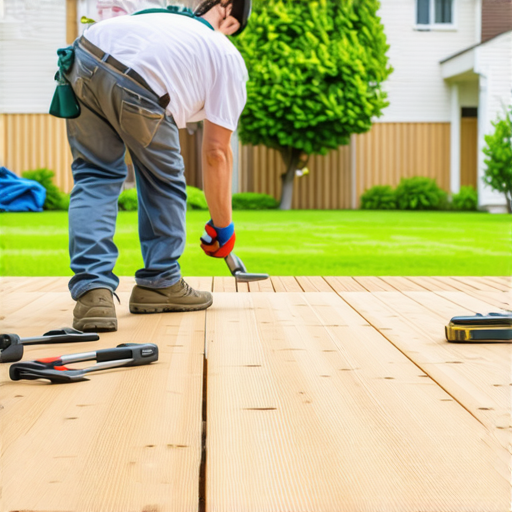
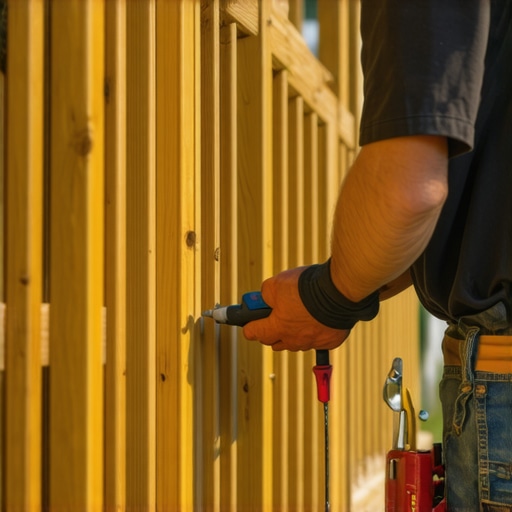
Ever step onto your deck only to feel that annoying wobble or see a loose baluster staring back at you? I know exactly how that feels—one minute, you’re relaxing with a cold drink, and the next, you’re balancing nervously as that wobbly railing threatens to give way. It was a lightbulb moment for me when I realized how common this problem is, and yet, so many homeowners struggle with a fix that seems more complicated than it needs to be. If you’ve ever wanted to fix loose deck railing balusters confidently and without calling in a pro, you’re in the right place.
The Secret to a Stable, Safe Deck Railing
Are quick fixes really worth the effort, or are they just a temporary patch?
When I first noticed my deck’s balusters wobbling, I thought a quick tightening would do the trick. Turns out, I overlooked common mistakes that could compromise safety—like using the wrong screws or neglecting to check for rotted posts. Quick fixes can be effective, but only if done correctly. Otherwise, you’re just delaying the inevitable, and worse, risking an accident, especially if you have kids or pets around. I’ll walk you through the simple steps I learned the hard way and show how effective DIY repairs can be, saving you money and giving you peace of mind.
According to home safety experts, loose railings are among the most overlooked hazards on residential decks, leading to preventable injuries every year. It’s surprising how a small wobble can turn into a major safety issue if ignored. That’s why I’m passionate about sharing these practical tips, so you can fix your deck and enjoy it fully, without worries. If you’re tired of feeling insecure about your railing or just want to extend its lifespan, read on!
Secure the Loose Balusters First
Start by inspecting each baluster to identify which ones are wobbly. Use a cordless drill with a screwdriver bit to remove the old screws or nails holding the balusters in place. Remember, over time, fasteners can loosen or corrode—think of it like a zipper gradually coming undone; fixing it requires removing and replacing the old, compromised parts.
Prepare New Fasteners for Stability
Choose galvanized or stainless-steel screws designed for outdoor use. These resist rust and keep your railing sturdy—it’s like giving your deck a pair of strong, weatherproof boots. When I replaced my balusters, I learned that using screws instead of nails made a significant difference in longevity and safety. Tighten each screw firmly, but avoid over-tightening to prevent splitting the wood.
Reattach Balusters with Precision
Align the baluster correctly before driving in the screws. Use a level to ensure they are perfectly vertical; imagine hanging pictures, where alignment makes all the difference. I once fastened a few at slightly crooked angles, which bothered me visually and felt insecure. To prevent this, I rest the baluster against a piece of scrap wood as a guide during screwing.
Strengthen the Base and Top Rail Connections
Check the top and bottom rails for looseness. Tighten any loose brackets or replace damaged ones. Think of these rails as the backbone of your railing system; reinforcing them ensures the entire structure remains safe. When I did this in my backyard, I noticed some rusted brackets. Replacing them was quick, and the stability improved dramatically.
Fill Gaps and Seal for Durability
If there are gaps between the baluster and the hole, drill slightly larger or sand the area for a snug fit. Apply a weatherproof sealant around the fasteners to protect against moisture ingress—much like sealing a Leaking roof to prevent water damage. I learned that sealing not only prolongs the lifespan of your repair but also enhances the appearance by preventing dirt accumulation.
Perform a Final Safety Check
Test each baluster by gently pushing and pulling. If any still wobble, repeat the tightening process or replace the fasteners entirely. As an extra measure, consider adding clip-on brackets or support blocks to prevent future loosening. I found that routine inspections every few months can catch problems early, saving you from bigger repairs later.
Explore Alternatives for Long-Term Stability
If your balusters continue to wobble despite repairs, it might be time to upgrade to more durable materials like composite or metal. For inspiration, check out options like modern Zen decks that use robust materials with low maintenance. Remember, a well-secured railing isn’t just about safety—it’s about peace of mind, so don’t hesitate to upgrade if needed.
When it comes to selecting a deck builder in Needham, many homeowners rely on perceptions shaped by common myths rather than facts. One widespread misconception is that all contractors use the same high-quality materials, leading clients to overlook crucial nuances that can influence durability and safety. In my experience, understanding these subtleties can mean the difference between a deck that lasts a decade and one that needs frequent repairs. For instance, not all wood species are equally resistant to the humid climate of Needham, and choosing the wrong type can result in premature rot or warping. Take IPE decking, for example; its dense, oily composition makes it remarkably resistant to moisture and pests—something often underestimated by homeowners unfamiliar with its benefits. You can discover more about the pros and cons of different decking materials on our detailed guide, which addresses the common pitfalls in material selection.
Another misconception is that cheap construction equals quick savings but ends up costing more over time. Many clients assume that an inexpensive quote from a less experienced builder is always the way to go. However, cutting corners initially often leads to frequent repairs and safety risks, especially when structural elements are involved. The importance of licensing and insurance in Needham is often overlooked, yet these factors ensure that your project adheres to safety standards and is protected against liabilities. Always verify that your builder complies with local regulations, which you can check through our comprehensive contractor inspection checklist.
*Why do some deck projects fail even after seemingly professional installation?* This question taps into the advanced considerations many overlook, such as proper drainage planning and code-compliant footings. Failing to account for seasonal ground movements or neglecting proper flashing can cause long-term damage that isn’t immediately visible. For example, ensuring your deck has a solid foundation is crucial—know the difference between helical piles and traditional concrete footings. Read more about the best foundation options suitable for Needham’s climate on our site.
Let’s not forget a common trap involving aesthetic choices. Many assume that trendy colors or materials like composite decking require less maintenance, but without proper finishing and sealing, even low-maintenance materials can deteriorate quickly. Moreover, some homeowners underestimate the importance of regular inspections and proactive repairs. Routine checks can catch issues like loose fasteners or minor wood rot before they become costly repairs. This proactive approach is supported by studies from the Home Safety Foundation, emphasizing preventive maintenance as a key safety measure.
Understanding these nuanced details means you’re not just hiring a contractor—you’re making an informed decision that impacts the longevity, safety, and beauty of your deck. Remember, a well-constructed deck isn’t just about appearance; it’s about pairing your aesthetic goals with structural integrity and safety. If you’re considering a new project or upgrading an existing one, don’t fall into the trap of superficial fixes or misconceptions. Instead, prioritize comprehensive planning and expert advice.
Have you ever fallen into this trap? Let me know in the comments. “}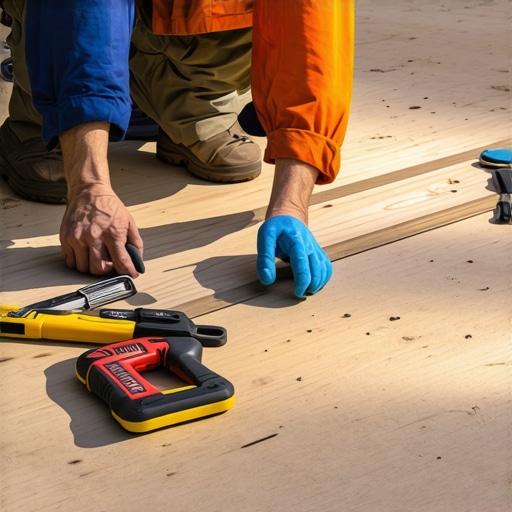 }
}
Keeping your deck in top shape over the years requires a combination of the right tools and consistent maintenance routines. From selecting durable hardware to utilizing advanced cleaning techniques, these strategies ensure your outdoor space remains safe and beautiful for seasons to come.
Invest in Quality Power Tools for Efficient Repairs
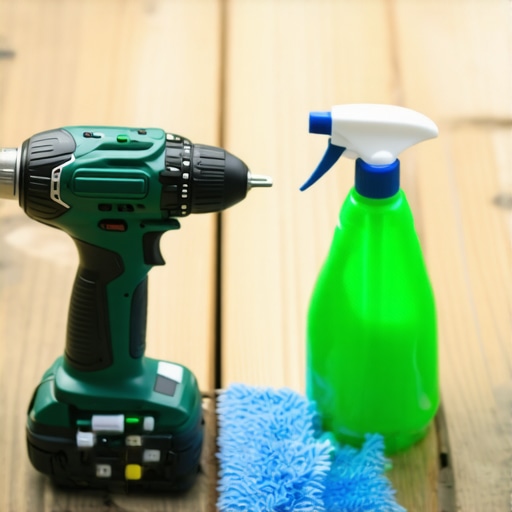
For any ongoing maintenance or repair work, having a reliable cordless drill is essential. I personally swear by the DeWalt DCD791D2 because of its lightweight design combined with powerful torque, making it perfect for tightening or replacing fasteners on deck railings or stairs. Its brushless motor extends battery life, which is a real timesaver when working on larger projects. Additionally, a splash-proof orbital sander like the Bosch ROS20VSC helps in smooth sanding of old wood or patched areas, ensuring a clean finish before applying sealants or stains. Investing in these tools not only saves time but also guarantees a professional look that lasts longer.
Use Specialized Cleaning Products for Long-Term Results
Regular cleaning preserves the integrity of your deck materials. For wooden decks, I prefer solutions containing eco-friendly preservatives that repel mold and mildew. I recommend a biodegradable deck cleaner like Simple Green, which effectively removes dirt and algae without damaging the wood or surrounding foliage. When followed by a power wash with a medium-pressure setting, this approach restores the deck’s appearance while preventing decay caused by moisture ingress. Consistency in cleaning prevents the buildup of debris and prolongs the lifespan of your decking.
Implement Routine Inspections and Preventive Measures
Periodic inspections are a key component of maintenance. I schedule a thorough check every spring, focusing on loose fasteners, rotted or damaged boards, and structural supports. A good habit is to carry a flashlight and a small pry bar during these inspections. According to the deck inspection checklist, looking for signs of rot and fastener corrosion prevents small issues from becoming costly repairs. Additionally, applying a high-quality deck sealant before winter helps prevent moisture damage, which is especially important in Needham’s humid climate.
Future Trends: Smart Maintenance Systems
Looking ahead, the integration of smart sensors into deck structures could revolutionize maintenance. These sensors can monitor moisture levels, structural shifts, and fastener integrity in real time, alerting homeowners to potential issues before they escalate. Companies are already developing such systems, which could become standard, making deck upkeep more proactive than reactive. Installing a basic moisture sensor now is a proactive step—tools like the best deck sealants combined with these sensors could significantly extend your deck’s lifespan.
To maximize your deck’s durability, I recommend trying out a power drill with brushless motors and maintaining a regular cleaning routine using eco-friendly products. Start by inspecting your deck at least twice a year, and consider investing in future-ready sensors. These small investments can pay off by safeguarding your outdoor living space for decades.
Lessons Only the Most Experienced Deck Builders Discover
Throughout my years working on decks in Needham, I’ve learned that the true challenge isn’t just fixing loose balusters—it’s recognizing the subtle signs that indicate deeper structural issues. One lightbulb moment was realizing that a wobble often hides rot inside the posts, making a quick tighten insufficient. This taught me the importance of thorough inspections beyond surface-level fixes, emphasizing that safety depends on catching problems early.
Another personal revelation was that choosing the right fasteners—like galvanized screws—makes a world of difference. I used to rely on nails, but I discovered that proper fasteners prevent loosening over time, especially in our humid climate. Understanding these nuances has empowered me to provide longer-lasting repairs and to advise homeowners on avoiding common pitfalls.
Lastly, I learned that routine maintenance, including sealing and inspection, isn’t just about appearance—it’s a vital safety measure. Regularly checking for minor issues has saved me from more extensive, costly repairs later. These lessons underscore that hands-on experience combined with attention to detail is essential for ensuring your deck remains secure and beautiful for years to come.
Tools and Resources I Can’t Live Without
For anyone serious about maintaining or repairing decks, investing in quality tools is indispensable. I swear by the DeWalt DCD791D2 drill. Its durability and lightweight design make all repair work smoother, reducing fatigue during those long weekends. Pair it with the Bosch ROS20VSC sander for prepping old wood; it’s efficient and helps achieve a professional finish. Additionally, I rely on eco-friendly deck cleaners like Simple Green for routine cleaning, which keeps my decks looking new without harming the environment. These tools and products have consistently improved my work and longevity of repairs, making them essentials in my toolkit.
For ongoing learning, I highly recommend checking out detailed guides like the deck inspection checklist. Staying informed about local regulations and best practices ensures every project I undertake is safe and compliant. Plus, browsing trusted sources such as the modern Zen deck designs inspires new ideas while adhering to durability standards.
Fuel Your Passion with a Bold Action Plan
Now is the perfect time to take action on your deck goals. Whether you’re planning a simple repair or a full redesign, remember that investing in quality materials and expert advice pays off in safety and aesthetics. Don’t let misconceptions hold you back—embrace the knowledge that proper maintenance and upgrades extend your deck’s lifespan dramatically. Your outdoor space isn’t just an area for relaxation; it’s a vital part of your home’s safety and beauty. Start today, and watch how your confidence in deck care transforms your entire property.
What steps are you planning to take next to improve your deck’s stability? Share your plans or questions below—I love hearing how fellow homeowners approach their projects!