
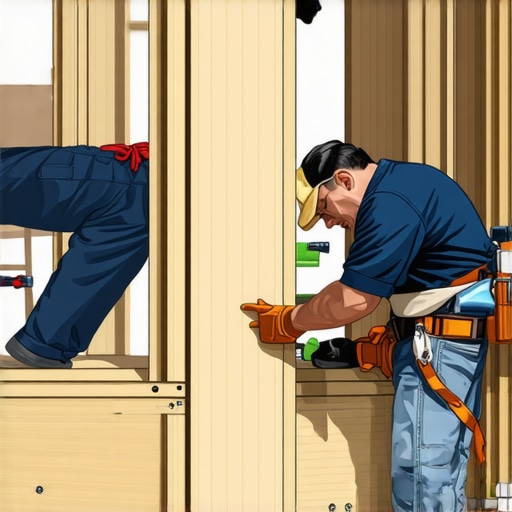
It was a chilly spring morning when I finally noticed it—water stains creeping along the side of my deck ledger, and a subtle wobble in one corner that sent a chill down my spine. That moment of realization hit hard; I had neglected a common yet often overlooked issue that could threaten the very foundation of my outdoor sanctuary. If you’re like me, you know how frustrating it is to invest in a beautiful deck only to watch it succumb to preventable damage.
Why Deck Ledger Failures Are More Than Just a Cosmetic Concern
Understanding the importance of a sturdy ledger board is crucial. This component attaches your deck to the house, acting as the backbone that supports your outdoor living space. When compromised, it can lead to costly repairs, safety hazards, and even structural failure. I learned the hard way that small signs of neglect can escalate rapidly. Early signs of problems—like rusted fasteners or mold growth—shouldn’t be ignored. Addressing these issues promptly can save you time, money, and a lot of stress.
Is Preventing Deco Failure Really Worth the Effort?
Honestly? Absolutely. I used to think deck maintenance was just about aesthetics, a quick sweep and a fresh coat of stain. But skipping regular inspections and proper flashing installation was a mistake I paid for dearly. Today, systematic checks and correct flashing techniques are part of my routine—something I wish I had picked up sooner. Interestingly, an external study highlights that proper ledger flashing and sealing can prevent up to 70% of deck failures (source: National Association of Home Builders). That’s a staggering number that underscores why proactive steps are essential.
If you’ve faced similar worries or concerns about your deck’s stability and longevity, you’re not alone. Many homeowners hesitate, unsure if their deck is truly safe or whether it’s worth the effort. But here’s the good news: tackling ledger-related issues early on can prevent most disasters. From inspecting flashing to ensuring proper drainage, there are practical, achievable steps I’ll share next to help you protect your outdoor haven. Ready to learn how to shield your deck from preventable failures? Let’s dive in.
Inspect Your Flashing with Precision
Start by carefully removing any debris or paint around the ledger to expose the flashing. Use a flashlight and mirror to look for rust or gaps. If you spot corrosion or loose flashing, it’s time to replace or reinforce it. I once found a small rusted corner during a routine check, which I cleaned and sealed with a high-quality waterproof sealant, preventing further damage.
Remove Damaged Components
Carefully detach any loose or rotted wood, fasteners, or flashing. Use a reciprocating saw or pry bar for stubborn pieces. Remember, cutting too deep can harm your siding or joists. I recall tackling a particularly challenging rotten board, which took patience but saved my entire deck’s stability.
Replace and Reinforce
Install new flashing that overlaps the house siding by at least 1 inch to direct water away. Use corrosion-resistant fasteners like galvanized or stainless steel screws. When I replaced a worn-out flashing, I used extra sealant around the edges for added waterproofing—an easy step that paid off in longevity. For more details, visiting resources like Needham deck builders insurance checklist can provide guidance on professional standards.
Seal and Protect the Ledger Edge
Apply a high-quality deck sealant or waterproof coating on all exposed wood parts, especially the ledger board edges. This prevents water ingress and wood rot. Remember, like coating a ship’s hull, sealing your ledger is crucial to resisting moisture. I used a breathable waterproof stain on my deck, which allowed the wood to expand and contract without cracking, extending its lifespan significantly. Explore color options that match your home’s aesthetics via 2026 deck color trends for inspiration.
Ensure Proper Drainage to Keep Water Away
Check that the gap between your ledger board and the siding allows water to escape naturally. Install flashing upside down or add marginal drainage to prevent pooling. A simple way I improved my deck’s drainage was adding a slight slope on the ledger to direct water away from the house, preventing leaks and rot. For tips on drainage management, see yard drainage solutions.
Verify Structural Stability Regularly
Set a schedule to inspect the ledger biannually, especially after storms or extreme weather. Look for signs of movement, cracking, or new water stains. I found that keeping a detailed log helped me track changes over time, catching issues early before they worsened. Use a level and measuring tape during inspections to detect shifts. Remember, proactive maintenance avoids costly repairs later. Dive deeper into inspection protocols at deck inspection checklist.When it comes to hiring deck builders in Needham, many homeowners operate under assumptions that can lead to costly mistakes. A prevalent misconception is that all deck contractors are equally experienced, but in reality, expertise varies significantly. Choosing a cheaper or less qualified builder might seem attractive initially, but it often results in compromised craftsmanship, delays, or subpar materials that don’t withstand Needham’s freeze-thaw cycles. For instance, professionals with comprehensive licensing and insurance, like those documented in Needham deck builders insurance and licensing checklist, are more likely to deliver durable results. Another myth is that pressure-treated wood is always the best choice; however, in 2026, alternative eco-friendly and rot-resistant options are rising in popularity, which can offer better longevity and sustainability, as discussed here.Maintaining a durable and attractive deck requires more than just good materials—it’s about using the right tools and methods that ensure longevity and performance. One of my go-to tools is the cordless impact driver. I prefer a model with adjustable torque settings because it gives me precise control when installing fasteners, reducing the risk of overdriving and damaging wood. For example, I often use the Milwaukee M18 Fuel Impact Driver, which provides ample power and battery life for large projects. Additionally, a high-quality moisture meter, like the Protimeter Surveymaster, becomes invaluable when inspecting existing decks, helping me detect hidden areas of moisture intrusion that can lead to rot if left unaddressed. This proactive approach saves me from larger repairs down the line.
For cleaning and prep, I rely on a professional-grade power washer, such as the Sun Joe SPX3000, equipped with adjustable pressure settings. I use the lower pressure for delicate surfaces like composite decking and higher pressure for wood, ensuring thorough cleaning without causing damage. When it comes to sealing and staining, I use a high-quality sprayer like the Wagner Control Pro 170, which provides even coverage and saves both time and effort. I avoid brushing and rolling for large surfaces because they tend to leave uneven coats, and a good sprayer guarantees a smooth, professional finish.
Predicting future trends, I believe that technology will continue to play a larger role in deck maintenance. Smart sensors embedded in decking or railings could monitor structural integrity and moisture levels in real-time, alerting homeowners to issues before they become serious. This integration of Internet of Things (IoT) devices might seem futuristic, but some advanced models are already in development, promising to make long-term care more manageable.
How do I ensure these tools keep performing over time? Regular calibration and maintenance are key. Impact drivers should be cleaned after each use—removing any debris from vents—and stored in a dry place to prevent corrosion. Power washers benefit from replacing their nozzle tips periodically and checking for leaks in hoses. With sprayers, thorough cleaning after each use prevents clogging and preserves optimal spray patterns. These simple steps extend the lifespan of my tools and keep them ready when I need them.
Investing in high-quality, reliable tools is essential. For homeowners in Needham looking to maintain or upgrade their decks, considering professional-grade equipment, as I do, can make a significant difference. Additionally, staying updated with the latest in decking technologies—like composite materials that resist moisture better than traditional wood—can help you plan more resilient projects. For expert insights into the best decks for Needham’s climate, check out the comprehensive guidance at [best-deck-brands-for-needhams-freeze-thaw-cycles](https://deckbuildersneedham.com/best-deck-brands-for-needhams-freeze-thaw-cycles).
Don’t forget: the right tools combined with consistent care will ensure your deck remains safe, beautiful, and functional for years to come. I encourage you to try using a moisture meter during your next inspection—it’s surprisingly straightforward and offers peace of mind knowing your deck’s health from the inside out.
Over the years, I’ve realized that the most valuable insights often come from the most unexpected places—mistakes, surprises, and moments of clarity during routine maintenance. Sharing these lessons can save you time, money, and a lot of frustration when caring for your deck in Needham.
Lessons From Unexpected Deck Disasters
One of my biggest lightbulb moments was discovering just how quickly neglecting a small water stain can lead to extensive rot and costly repairs. It taught me that proactive inspection is not just a good idea—it’s essential. Paying close attention to subtle signs, like minor wobbling or discoloration, has made all the difference in my maintenance routine.
Another realization was that not all flashing is created equal. When I replaced rusted or loose flashing, I understood the importance of choosing corrosion-resistant materials and proper overlaps. Small details like these can dramatically increase your deck’s lifespan, reaffirming that quality workmanship trumps shortcuts every time.
Lastly, I learned that the best tools aren’t just for professionals—they empower homeowners like us. Using moisture meters and impact drivers with care has helped me catch problems early and complete projects efficiently. Investing in reliable equipment truly pays off, especially when tackling unforeseen maintenance challenges.
Tools and Resources Make All the Difference
My toolbox is curated with trusted favorites that stand the test of time. For inspecting hidden damages or moisture intrusion, I trust the Protimeter Surveymaster; it’s simple and accurate. When sealing my deck, I reached for high-quality breathable stains—products that prevent moisture buildup while enhancing appearance—like those highlighted in this guide. To keep my tools in peak condition, I routinely service my impact driver with manufacturer tips, ensuring consistent performance. Expanding your toolkit with durable power washers and sprayers, like the Sun Joe SPX3000 and Wagner Control Pro 170, makes routine cleaning seamless and less time-consuming, reinforcing the importance of the right gear.
Becoming Your Own Deck Guardian
Empowering yourself with knowledge and skills is the most inspiring step you can take. Regular inspections, early repairs, and quality upgrades aren’t just chores—they’re investments in your outdoor sanctuary. Think of your deck as an extension of your home’s heart; nurturing it with patience and care enriches your everyday life and future memories.
Remember, you don’t have to face these challenges alone. The wealth of information and expert tips available—from choosing eco-friendly materials to designing a modern pergola—can guide you every step of the way. Keep learning, stay proactive, and enjoy the process of transforming your deck into a safe, beautiful retreat that stands strong for years to come.