I vividly remember the chilly spring morning I stepped onto my deck and immediately felt a unsettling bounce under my feet. My heart sank—the typical firmness was gone, replaced by a worrisome looseness I hadn’t noticed before. That moment was my lightbulb realization: I had overlooked crucial signs of wear and tear on my deck’s framing. Like many homeowners in Needham, I had assumed that as long as the boards looked okay, everything was safe. But the truth is, wood and framing components can hide damage and rot that aren’t visible at first glance, especially after harsh seasons or years of neglect.
This experience taught me a vital lesson: regular inspections are essential, and understanding how to assess your deck’s framing can prevent accidents and costly repairs down the line. If you’re like me, you might be wondering, “Is my deck still safe? How can I tell?” Well, today, I promise to share practical insights, personal tips, and resources to help you evaluate your deck’s safety before a small problem becomes a disaster.
Why Routine Checks Save More Than Just Money
Imagine this: a well-constructed deck, sturdy and beautiful, standing tall for years—until one day, a hidden rot or loose framing causes part of it to collapse. Shocking, isn’t it? But according to a recent study by the CDC, deck failures account for hundreds of injuries annually, many of which could be prevented with proper maintenance and inspections.
Now, I know what some of you might be thinking—”I don’t have the tools or experience to inspect my deck properly.” That’s completely understandable. I made the mistake early on of assuming that if the surface looked good, the rest was fine. I didn’t consider the unseen damage to joists, ledger boards, or supports. That oversight nearly cost me a lot more than a weekend of inspection. As cited by HomeAdvisor, regular visual checks can spot issues like rot, rusted fasteners, or cracking, all signs that your deck’s structural frame could be compromised. If left unaddressed, these problems can escalate quickly.
Best of all, inspecting your deck doesn’t mean you need to be a professional builder. Simple tests—like gently probing with a screwdriver or feeling for soft spots—can reveal a lot. Plus, knowing what to look for empowers you to catch potential problems early and even learn about repair options, perhaps even guiding your decisions when considering upgrades like hidden fasteners or eco-friendly materials.
If you’re unsure about where to start or worried about missing something, I highly recommend consulting a licensed Needham deck builder for a professional assessment. They can identify issues that might be invisible to the untrained eye and help plan future improvements, like adding reliable safety features or updating old railings. I also discovered that specific components, like the ledger board, are common weak points if not installed or maintained correctly—something I learned the hard way when a small leak on my home’s side led to hidden rot.
Ready to jump into the practical side of things? In the following sections, I’ll guide you through straightforward steps to evaluate your deck’s framing, spot potential hazards, and know when it’s time to call in the pros. Whether you’ve just noticed some wobbliness or you’re doing a routine check, this guide will help you ensure your outdoor haven stays safe, beautiful, and ready for making memories.
Gather Your Tools and Set the Stage
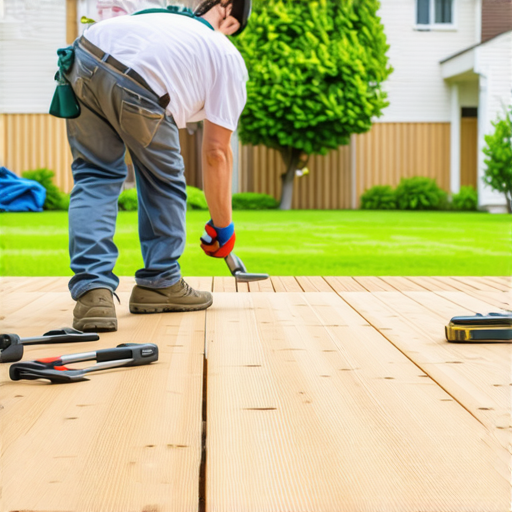
Start by assembling a few basic tools: a sturdy flashlight, a screwdriver, a measuring tape, and work gloves. For my experience, I laid out my tools on the deck itself, making it easier to move seamlessly from one check to the next. This simple prep makes the inspection process more efficient and helps you stay organized.
Conduct a Visual Inspection from Ground Level
Walk around your deck, observing the entire structure for obvious issues like warped or cracked boards, rusted fasteners, or sagging areas. I noticed a slight wobble in my deck corner, which prompted me to look closer. Look for signs of water damage, mold, or discoloration—these often hint at underlying rot that isn’t immediately visible.
Check the Support Posts and Footings
Using your measuring tape, verify that support posts are plumb (straight vertically). Look for signs of shifting, sinking, or leaning. For a personal check, I pressed gently on the posts—any movement told me that the base might be unstable. If you notice any unevenness, it’s wise to consult a professional to assess foundation stability.
Assess Joist Conditions
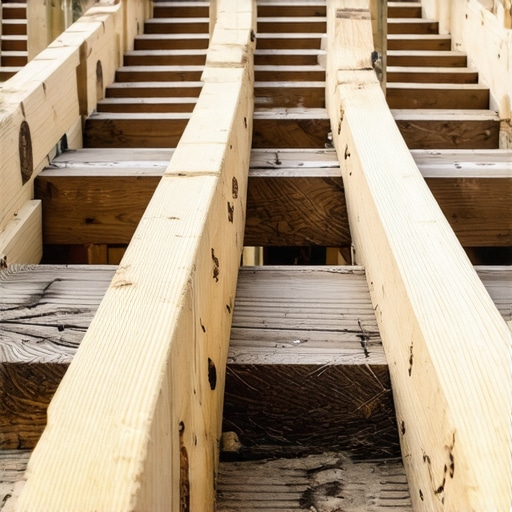
Locate the joists supporting the deck surface. Using your screwdriver, gently probe the edges—soft spots or crumbling wood indicate decay. In my case, I crawled underneath and tapped the joists with a hammer; hollow or dull sounds signaled potential rot. If you find compromised areas, replacing or reinforcing those joists should be a priority.
Inspect the Ledger Board Connection
The ledger board attaches your deck to the house. Examine the area for signs of water intrusion, rust, or wood rot. I used a flashlight to peer behind the siding—any visible cracks or stains could be an indicator of damage. For added confidence, consider reading up on preventing ledger board failures for preventive tips.
Test Fasteners and Hardware
Gently shake railing posts, stairs, and deck boards. Use your screwdriver to tighten any loose screws or bolts you encounter. I discovered a loose railing post during my inspection, which I fixed immediately to prevent future wobbliness. Remember, hidden fasteners play a vital role in safety and aesthetics.
Look for Signs of Moisture and Mold
Inspect all wood surfaces for mold, mildew, or soft spots. Moisture can seep into unnoticed areas, accelerating rot. I used a bright flashlight at night to spot hidden dampness behind the railing. Addressing moisture issues promptly can save you from extensive repairs.
Document and Plan Repairs
Take photos of any issues and make notes. For minor problems like loose railings or small cracks, quick fixes such as tightening balusters can suffice. Major issues—rot in support posts or compromised joists—require professional intervention. Don’t skip this documentation; it helps when discussing repairs or upgrades.
Know When to Call Professionals
If your inspection uncovers extensive damage or uncertainty about the severity, connecting with experienced Needham deck builders is essential. They can provide a detailed assessment and ensure your deck remains a safe and valued part of your home.
Many homeowners assume that choosing a local deck builder in Needham means you’ll automatically get quality work, but this common misconception can be costly. The truth is, not all deck builders have the same level of expertise, especially when it comes to complex projects like integrating advanced safety features or eco-friendly materials. One hidden nuance is that some contractors might specialize only in basic framing or surface installations, overlooking critical structural details like ledger board connections, which are prone to failure if not properly installed. This oversight can lead to serious safety hazards, a trap I warn homeowners about based on my experience and extensive research. According to industry experts, proper attachment methods, like those discussed in the “hidden ledger board mistakes” article, are fundamental for long-term safety but often overlooked by less experienced builders. Moreover, many people underestimate the importance of hiring a licensed and insured professional. That’s a crucial mistake because a reputable Needham deck builder will adhere to local zoning laws and building codes, saving you from potential legal issues. When evaluating contractors, don’t just look at price or availability; dig into their past projects, ask for references, and verify credentials. A common trap is believing that all materials are equally durable; in reality, choosing high-quality, eco-friendly decking options, as discussed on best eco-friendly decking materials, can significantly extend your deck’s lifespan and reduce maintenance costs. Also, beware of contractors who promise rapid completion without appropriate quality checks; shortcuts on structural integrity can be perilous. The misconception that DIY fixes can substitute professional assessments also needs to be challenged. Simple repairs like tightening fasteners or replacing rotted boards might seem straightforward, but issues like hidden rot or insufficient framing require expert attention to avoid future failures. In summary, engaging a competent, licensed Needham deck builder involves more than just a quick call—it’s about understanding the complexities behind safe, durable designs. Want to avoid costly mistakes and ensure your deck remains a safe haven? I invite you to explore our guide on how to hire the right deck artisan and make informed decisions. Have you ever fallen into this trap? Let me know in the comments.Maintaining your deck’s functionality over time requires the right tools and a proactive approach. One of my favorite tools is a digital moisture meter, which I use to detect hidden water infiltration behind boards or supports, preventing rot before it becomes visible. I personally rely on a cordless impact driver with adjustable torque settings, making fastener tightening effortless and avoiding overdriving, which can damage wood or compromise fastener integrity. These tools have been invaluable for me in diagnosing issues early and doing small repairs myself, ultimately extending my deck’s lifespan.
Another essential is a high-quality wood cleaner and brightener, which I apply seasonally. Regular cleaning removes dirt and mildew, while brightening restores wood’s natural appearance and prepares surfaces for sealing. I prefer environmentally friendly cleaning products, aligning with my goal of eco-conscious maintenance. For sealing, I opt for a water-based, deep-penetrating sealant that guards against moisture ingress, a key factor in preventing rot and decay.
Looking ahead, technology is advancing with smart sensors capable of monitoring structural integrity in real time. These devices can alert you to shifts or moisture accumulation, allowing for immediate action even before visible signs emerge. While still emerging, integrating such sensors into your deck setup represents the future of proactive maintenance, helping you catch problems early and plan repairs efficiently.
How do I keep my deck functioning smoothly over time?
First, establish a seasonal inspection routine, focusing on signs of water damage, loose fasteners, or soft spots. During inspections, use a moisture meter to check hidden areas, much like I do with my impact driver to ensure tight fastenings. Address small issues immediately—tighten bolts, replace damaged boards, or reapply sealant—to prevent escalation. Incorporate regular cleaning and sealing into your annual maintenance plan; doing so significantly extends your deck’s durability and appearance. I also recommend considering modern solutions—like smart moisture sensors—to stay ahead of potential failures. These proactive measures save you money and keep your outdoor space safe.

For example, I recently installed a smart moisture sensor system at my Needham home, which sends alerts directly to my phone whenever moisture levels spike in critical areas. This tech-savvy approach has given me peace of mind and reduced the need for frequent manual inspections. If you’d like to explore how to upgrade your deck’s maintenance routines with advanced tools, try integrating a moisture meter or impact driver into your toolkit today. Taking small, targeted steps now can make a big difference in your deck’s long-term performance and safety.
When I Thought I Knew It All About Decks
One of my biggest mistakes was assuming that appearance equated to safety. I overlooked subtle signs of wear, trusting visual cues over structural integrity. That lesson taught me to look beyond the surface and understand what hidden damage can lurk within wooden framing components.
How a Simple Tip Changed My Deck’s Future
Using a screwdriver to gently probe questionable areas revealed rot that wasn’t visible to the naked eye. This easy step became a game-changer, allowing me to address problems early and avoid costly repairs. It’s a reminder that sometimes, the simplest tools can provide the deepest insights.
The Myth That All Deck Builders Are the Same
I used to believe that hiring any local contractor would guarantee quality. Turns out, experience, professionalism, and adherence to safety standards make a huge difference. When choosing a Needham deck builder, verify their credentials and past work—this small extra step can prevent future headaches.
My Go-To Resources for Staying Ahead
I personally rely on high-quality impact drivers and moisture meters. These tools help me perform quick inspections and minor repairs myself, saving time and money. For detailed guidance, I recommend reviewing tutorials on hidden screw installation and keeping updated with preventive maintenance tips.
Where Your Passion Meets Practical Action
Taking the initiative to properly inspect, maintain, and repair your deck transforms it from a potential hazard into a safe outdoor oasis. The real reward lies in enjoying your beautiful space confidently, knowing you’ve done your part to keep it secure. Don’t wait until problems escalate—start your inspection routine today!