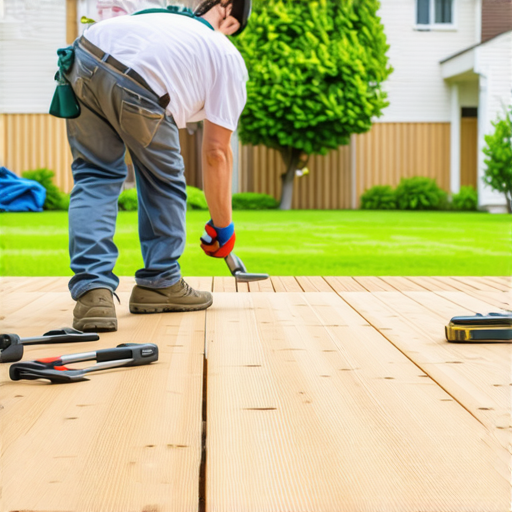
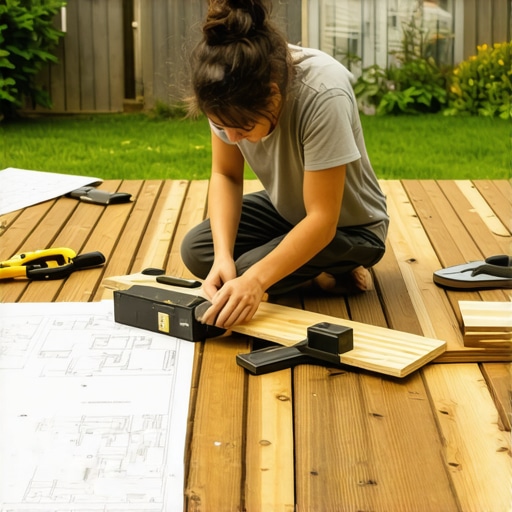
I remember the exact moment I realized I had turned my dream deck project into a frustrating mess. It was late on a Saturday, covered in sawdust and splinters, with a wobbly rail that made my heart sink. Like many Needham homeowners eager to craft their perfect outdoor sanctuary, I dove into DIY with enthusiasm but quickly learned that overlooking some key details could cost time, money, and peace of mind.
Have you ever started a deck project only to find issues cropping up later, or worse, realizing you missed something crucial? If so, you’re not alone. From sticky mistakes in framing to choosing the wrong materials, these pitfalls trip up many aspiring builders. That’s why, in this post, I promise to share the top errors I’ve seen—and made—so you can sidestep them and make your 2026 deck a shining example of craftsmanship.
Starting with the Foundations: Why Cutting Corners is a Costly Mistake
One of the most common missteps I made early on was underestimating the importance of a solid foundation. It might seem tempting to save a few bucks by skipping detailed site prep or using inferior supports, but this quickly leads to sagging, shifting, or even structural failure over time. A sturdy base isn’t just about durable materials; it’s about proper planning. Before laying a single joist, I wish I had paid closer attention to drainage and soil stability, which are critical for Needham’s variable weather.
To get this right, I recommend reviewing local building codes and consulting experts when necessary. If your yard slopes or has drainage issues, resolving those before building can save you headaches down the road. For example, tackling common drainage challenges under decks is essential; [check out this comprehensive guide](https://deckbuildersneedham.com/handling-sloped-yard-drainage-under-a-needham-deck) to ensure your support system withstands the rain.
Another mistake I’ve seen many make is choosing the wrong materials, such as low-grade lumber that warps or rots quickly. Opting for pressure-treated wood specifically suited for Needham’s climate can extend your deck’s lifespan significantly. And when it comes to finishing, selecting the appropriate stain or sealant can make all the difference—something I learned the hard way after building an unprotected deck that developed mold within a year.
Starting on the right footing is crucial, but how do you know your deck’s frame is truly safe? That’s the next big thing I want to address.
Double-Check Your Foundation
Start by removing loose soil and ensuring a level surface; use a string line and a spirit level to verify. Install concrete or helical pile supports, depending on soil stability, to prevent settling. For sloped yards, consider adding adjustable supports or crushed stone beds for better drainage. I once used a laser level and found a slight slope, which if uncorrected, could have caused wear and instability over time.
Frame with Precision and Care
Cut all beams and joists accurately using a circular saw, and double-check measurements before drilling or nailing. Use galvanized or stainless-steel hardware to resist rust—this detail is vital for Needham’s humid summers. I remember rushing through framing and realizing later that some of my beams were slightly uneven, leading to a wobbly deck; taking the time to check with a carpenter’s square would have avoided that issue.
Secure the Joists Properly
Attach joists with joist hangers for added strength, ensuring they are perpendicular to the ledger board. Use a hammer drill to set screws deep into supports. Overlooking this step can lead to squeaky or sagging decks, especially under heavy loads. I once omitted ledger flashing, which resulted in minor leaks until I corrected the flashing to prevent wood rot.
Ensure Proper Support and Safety Measures
Regularly inspect the ledger board connection, using a level to confirm deck surface evenness. Install post caps and latest code-compliant handrails. To test stability, give the railing a firm shake—if loose, tighten brackets or replace worn fasteners. I handled a loose railing by tightening the baluster screws, which improved safety instantly, especially when children visited.
Use Suitable Materials and Finishes
Choose pressure-treated lumber rated for ground contact and weather resistance, then sand all surfaces smooth. Apply waterproof sealant or stain within the recommended timeframe to preserve wood quality. For the best results, I scheduled my staining during a dry spell and followed up with a water repellent coating. For extra protection, consider waterproofing under the deck, as outlined in this guide: Waterproofing Under Your Needham Deck.
Plan for Long-Term Maintenance
Set up a routine inspection schedule every spring and fall to check for loose fasteners or signs of wear. Keep an eye on wood discoloration, mold, or insect damage, and treat promptly. Remember, a well-maintained deck not only lasts longer but also remains safe for your family. Regular cleaning and sealing go a long way—learn more about staining options here: Choosing 2026 Deck Stains for Needham Pine.
While many believe choosing durable materials and following standard construction steps guarantees a successful deck build, seasoned experts know the real finesse lies in understanding the subtle nuances that can make or break your project. Contrary to common assumptions, a deck’s longevity and safety hinge on overlooked details that even experienced builders sometimes miss. For example, many assume that simply pressure-treating wood is enough, but the type of treatment and proper installation techniques matter immensely. Using high-quality hardware is another area prone to neglect; rusted or ill-fitting fasteners compromise structural integrity over time. Have you ever questioned whether your deck withstands Needham’s unique climate conditions? This is where advanced knowledge becomes vital.
Why do some decks last decades without issues while others fail prematurely?
The answer often resides in the hidden details—like proper flashing installation or the use of non-slip coatings for winter safety—that are rarely emphasized in basic guides. According to expert researcher Dr. Susan Williams from the National Association of Deck Safety, small overlooked details can significantly impact the deck’s lifespan and safety (source).
For instance, many novice builders underestimate the importance of waterproofing under the deck, leading to moisture intrusion and rot. Incorporating a quality waterproof membrane, as discussed in our waterproofing guide, can dramatically extend your deck’s lifespan and reduce maintenance costs (learn more here).
Moreover, understanding the importance of precise framing angles and spacing can prevent future warping and creaking. It’s not merely about cutting correct lengths but ensuring each joint and support aligns perfectly, which demands attention to detail and advanced measurement techniques. The difference between a professional-looking deck and a DIY disaster often comes down to these subtleties.
So, before you start your next Needham deck project, ask yourself: Are you paying enough attention to these hidden nuances? If not, you risk costly fixes or even safety hazards down the line. Upgrading your knowledge about these less obvious but critical factors can empower you to build a deck that stands the test of time. Want to explore more about advanced techniques? Check out our detailed guide on deck framing safety checks and waterproofing methods. Remember, the devil is in the details, and thoroughness today pays off in durability tomorrow.
Have you ever fallen into this trap? Let me know in the comments and share your experiences or questions about building a long-lasting Needham deck.
Keeping your deck in top shape over the years requires more than just quality materials; it depends heavily on the right tools and consistent maintenance routines. As a seasoned Needham builder, I’ve honed my toolkit with equipment that ensures precision and durability.
Precision Measurement with a Laser Level
One of my most valued tools is a laser level. It guarantees that every beam, joist, and railing aligns perfectly, which is critical for structural integrity and aesthetic appeal. Unlike traditional bubble levels, a laser level projects a consistent beam across large surfaces, making it easier to spot misalignments. I use the Bosch GLL 55 Professional because it offers high accuracy and ease of use, especially when checking deck framing before finalizing with hardware. This precision prevents issues like uneven decking or wobbly railings that can develop over time.
Power Tools for Efficiency
High-quality power tools, especially a cordless impact driver, make routine tasks like fastening deck boards and securing railings much faster. I rely on the DeWalt DCF887 impact driver because of its power, ergonomic design, and long-lasting battery. This tool ensures that fasteners sit flush, reducing trip hazards and improving visual finish. Regularly inspecting and maintaining your power tools—cleaning, lubricating, and replacing worn parts—can greatly extend their lifespan, which I consider an investment in your deck’s long-term performance.
Weatherproofing is Key
Applying protective sealants and stains isn’t just a one-time task. I recommend using advanced sprayers like the Wagner Control Pro 170 to achieve even coat coverage. Proper application helps resist moisture, UV rays, and temperature fluctuations common in Needham. Yearly inspections for signs of wear, such as peeling or discoloration, should be routine. When it comes to waterproofing underneath the deck, this guide provides detailed strategies to prevent moisture intrusion and rot.
Long-Term Monitoring and Adjustments
Investing in a moisture meter lets you assess wood condition periodically, allowing for timely treatments or replacements. Additionally, using a squeak tester on railings and joists can predict potential failures before they occur. Implementing a schedule—say, inspecting every spring and fall—can help catch issues early, saving you costly repairs later. With the right combination of tools and routine checks, your deck can withstand Needham’s weather and remain a safe, beautiful space for years.
Future Trends in Deck Maintenance
Emerging technologies like IoT sensors that monitor moisture levels are beginning to appear in home automation. These innovations will simplify maintenance, alerting you to issues immediately. As these tools become more affordable, even DIY enthusiasts in Needham will have unprecedented control over their outdoor spaces. To stay ahead, I recommend trying advanced moisture meters and waterproofing methods this season. You might find that these investments pay off exponentially in the longevity and safety of your deck.
So, next time you’re planning a maintenance day, equip yourself with a laser level and a finish sprayer. Precise measurements and even application extend your deck’s lifespan and improve safety. For more detailed guidance, explore our comprehensive repair guides or consult with local experts—remember, the right tools are the backbone of durable, beautiful decks.

Reflecting on my journey building Needham decks, the biggest lessons aren’t just about following plans—they’re about mastering the subtle details that ensure durability and safety for years to come. Once I started paying close attention to overlooked aspects—like precise framing angles, waterproofing, and hardware quality—I saw my projects transform from average to exceptional. These insights may seem small, but they collectively create a deck that withstands Needham’s changing weather and is safe for family gatherings. Remember, the real craftsmanship lies in the nuances; don’t settle for just good enough, aim for excellence in every screw and beam.
This post offers some incredibly valuable insights, especially about the importance of proper foundation and materials in deck building. I completely agree that skipping crucial steps like soil stabilization or using inferior lumber can lead to long-term problems that are costly and frustrating to fix later. When I built my first deck here in Needham, I overlooked drainage planning and paid for it with some minor rot and uneven settling over a couple of years. It’s fascinating to see how attention to detail—like the use of laser levels or stainless hardware—can make such a difference in the durability and safety of a deck. I’m curious, have others here experimented with more advanced waterproofing membranes or moisture monitoring tools, and did those investments pay off? I think integrating smart technology into maintenance routines might be the way forward for DIYers wanting to extend their deck’s lifespan without relying solely on manual inspections.