

I vividly remember the chilly spring morning when I finally stepped onto my deck after a long winter. The air was crisp, but within seconds, I noticed something unsettling — a slight wobble in a corner post. At that moment, I realized I’d completely neglected my deck’s health during the harsh season. That lightbulb moment made me wonder: Could I have caught potential problems earlier and saved myself the headache and expense?
Why Your Needham Deck’s Safety Depends on Spring Inspection
Decks in Needham are exposed to diverse weather patterns, especially during the winter months. Snow and freezing temperatures can compromise the structural integrity of your posts, joists, and fasteners. Overlooking these signs can lead to costly repairs—or worse, safety hazards. Regular inspections are your best safeguard for keeping your outdoor space both beautiful and secure. When I first started inspecting my deck, I made the mistake of only looking for obvious rot or cracks. But I soon learned that the devil is in the details, and early detection can prevent disaster.
Are You Wasting Time or Missing Critical Signs?
Many homeowners assume their deck is fine as long as it looks okay. But structural issues often hide beneath the surface. For instance, I once ignored a tiny crack in a post, only to find it had worsened over the summer—highlighting the importance of thorough inspections. It’s not just about aesthetics; it’s about safety and protecting your investment. Regular checks can reveal hidden hazards such as pest damage, loose fasteners, or wood rot, especially after winter’s toll. For guidance on comprehensive inspection techniques, I recommend checking out how to screen your deck for pests in Needham to spot less obvious issues.
Now, let’s dive into the practical steps to inspect your deck thoroughly. Whether you’re a seasoned DIYer or just want to be informed, understanding what to look for can save you a bundle and keep your family safe. Ready to get started? Let’s ensure your deck remains a trusted part of your home this season and beyond.
,
Inspect the Deck Posts and Supports
Start by examining each post and supporting beam for signs of wood rot, cracking, or splitting. I once ignored a slight crack in my front porch post, assuming it was cosmetic. Over the next few months, moisture seeped in, worsening the crack. When I finally replaced that post, I was relieved that I caught it early—saving me money and avoiding potential collapse. Use a sturdy stick or screwdriver to probe suspect areas—soft spots indicate decay. Replace any compromised posts immediately before scheduling a more extensive repair.
Check Fasteners and Connections
Next, focus on the hardware—screws, bolts, and joist hangers. I learned the hard way that rusted or loose fasteners cause instability. During my inspection, I used a wrench to tighten loose bolts and replaced rusted nails with high-quality deck screws from deck screws. Regularly tightening these connections prevents sagging and wobbling. Pay particular attention to areas where the deck abuts your house or stairs; these are stress points prone to weakening over time.
Assess Wood and Composite Material Condition
Visually inspect the surface for peeling stain, discoloration, or mold. I noticed some grayish patches on my deck boards that suggested mold growth. To confirm, I used a scraper to gently peel a small section; if the wood underneath is soft or fuzzy, replacement or cleaning is warranted. For wood decks, applying the best stain can protect against moisture intrusion. For composite decks, verify that the surface isn’t delaminating or showing signs of cracking.
Inspect Joists and Ledger Boards
Look underneath the deck for sagging areas or loose joists. Climb underneath with a flashlight—any bouncing or creaking indicates structural weakness. I once discovered a loose joist that required re-nailing and additional support brackets. Verify that the ledger board is securely attached to your house with proper flashing to prevent leaks. If your deck is in a humid climate like Needham, consider using joist tape to prevent rot.
Look for Pest Damage
Inspect wood surfaces for evidence of insects, such as small holes or sawdust. I found tiny holes in a deck post, which turned out to be signs of wood-boring beetles. Use a magnifying glass to check thoroughly, especially in less visible areas. If pests are present, treat the wood with an appropriate insecticide or replace damaged sections. Regular pest management is key to maintaining deck integrity.
Evaluate Deck Drainage and Levelness
Standing water or uneven surfaces can accelerate decay. Use a level to confirm that the deck surface is flat—any sags or tilts need addressing. I once experienced pooling water after heavy rain because a section of my deck was slightly tilted due to shifting supports. Installing proper drainage enhancements or shimming supports can remedy these issues. Proper drainage prevents moisture buildup that leads to rot and mold growth.
Even seasoned homeowners and DIY enthusiasts often assume that choosing a local deck builder means simply hiring the one with the lowest quote or the quickest turnaround. However, this oversimplification neglects the complex nuances that distinguish truly expert deck craftsmanship from mere surface-level work. Many believe that all deck builders in Needham are interchangeable, but in my experience, there’s a significant difference rooted in deeper expertise and attention to critical details. Bypassing this nuance can lead to costly mistakes, especially when it comes to long-term durability and safety.
A common myth is that the cheapest contractor will save you money in the end. In reality, cutting corners on materials or proper installation can drastically reduce a deck’s lifespan, requiring premature repairs or replacements. For example, using subpar fasteners or neglecting proper flashing, particularly in Needham’s humid climate, can cause fastener corrosion and ledger board leaks—issues that a knowledgeable builder will prevent through correct techniques, such as installing high-quality deck screws and ensuring proper flashing details.
The trap many fall into is thinking that a finished-looking deck guarantees structural integrity. This is a dangerous misconception, as some problems are hidden beneath the surface. Structural issues like loose joists or compromised ledger boards can go unnoticed until they cause a failure. Advanced inspections may involve probing for soft spots or examining the ledger attachment—an area prone to leaks and rot—especially in Needham’s rainy seasons. Expertise in these nuances often separates top-tier builders from amateurs.
What Should an Informed Homeowner Focus On To Avoid Fad Repairs?
Priority should be placed on understanding the materials and techniques used by your deck builder. For instance, opting for modern railing systems not only enhances aesthetics but can also improve safety and durability. Furthermore, choosing appropriate stain or sealant, like the best stain for pine decks, extends your deck’s life and resists weathering.
Additionally, some builders might claim that maintaining a wood deck is just about routine cleaning, but neglecting proper protection can lead to rapid decay. A professional’s nuanced understanding of climate-specific treatments and future-proofing strategies, such as using joist tape to prevent rot, elevates an ordinary project to a reliable outdoor fixture.
Let’s remember, the industry evolution points toward multi-material designs and innovative safety features. As I discovered in my own upgrades, combining zen-inspired modern decks with practical safety modifications can create spaces that are not only stunning but also resilient.
Next time you consider a deck project in Needham, question the common assumptions and seek a builder who understands these nuanced practices—your safety and investment depend on it. Have you ever fallen into this trap? Let me know in the comments.
Keep Your Deck Working Year-Round with Precision Tools
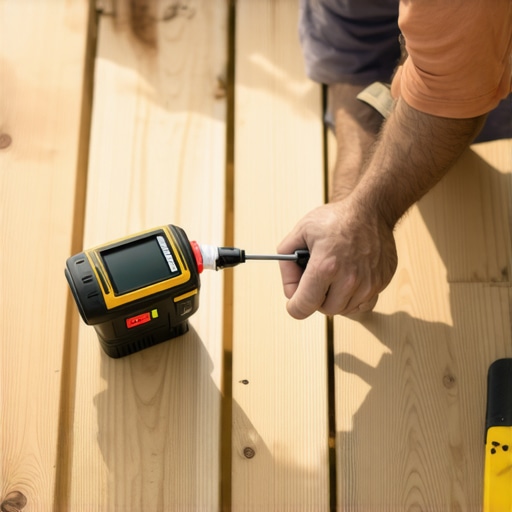
Maintaining a deck isn’t just about visual inspections; it requires specific tools that provide accurate assessments and efficient repairs. Personally, I rely on a digital moisture meter to detect hidden decay within wood structures—particularly critical in Needham’s humid climate. These devices help identify areas that look sound but harbor unseen rot, preventing costly surprises down the line. For tightening fasteners and checking structural stability, I prefer using a cordless impact driver equipped with hex bits for quick, secure fastening, especially when replacing loose screws or installing new hardware. Investing in quality tools like these ensures durable maintenance and extends your deck’s lifespan.
How do I maintain the deck over time with reliable techniques?
Implementing a regular maintenance schedule is key. I schedule bi-annual inspections, focusing on hardware integrity, surface condition, and support structures. Using a schedule helps catch issues early and plan repairs proactively. Applying high-quality sealants like the best stain or sealant protects against moisture intrusion, which is vital in Needham’s seasonal climate shifts. The future of deck maintenance seems to trend toward smart monitoring systems that can alert homeowners to changes in moisture levels or structural movements remotely, promising even more peace of mind and efficiency.
Embrace Long-Term Monitoring with Advanced Solutions
Beyond manual inspections, consider integrating sensors that track moisture and strain levels in your deck’s critical components. These systems, connected via smartphone apps, can send real-time alerts if abnormal readings are detected, enabling immediate action. I’ve started using a couple of these sensors in my own deck, and the peace of mind they offer is invaluable, especially during seasons with heavy rainfall or freeze-thaw cycles. As technology advances, I predict these smart solutions will become standard practice for homeowners aiming for effortless, long-term deck health management.
Next-level maintenance tips include
By combining periodic manual inspections with consistent application of protective treatments and embracing technological monitoring, you’re setting yourself up for a deck that stays safe and beautiful longer. For example, using a moisture meter regularly helps confirm that your protective sealants are doing their job, and early detection of issues can prevent costly repairs. Try integrating a moisture sensor system into your maintenance routine—it’s a game-changer for peace of mind and efficiency and aligns with emerging trends in smart home integration.
Over the years, I’ve learned that the true secret to a resilient deck isn’t just in the initial build but in the diligent attention paid long after the project is complete. The lightbulb moment that led me to this realization came during a regular spring inspection, revealing hidden issues I had previously overlooked. This journey taught me invaluable lessons about proactive care, helping me avoid costly repairs and ensuring my family’s safety. Now, I want to share these insights so you can avoid my pitfalls and enjoy a durable, beautiful outdoor space for years to come.
What I Wish I Knew About Deck Maintenance Before Starting
- Trusting surface appearances can be misleading; always probe for softness or decay, especially in high-humidity climates like Needham. Using a simple screwdriver or stick can reveal problems lurking beneath the surface.
- Fasteners aren’t just hardware—they’re your deck’s backbone. Regularly tightening or replacing rusted screws and bolts, especially in areas prone to moisture, prevents wobbles and structural degradation.
- Every material has its quirks. Wood invites pests and rot, but recognizing early signs and applying proper treatments—like joist tape—can extend its lifespan dramatically.
- Visual checks are only part of the puzzle; integrating tools like moisture meters empowers you to detect hidden decay before it becomes visible or dangerous.
The Bare Minimum Won’t Cut It: How I Learned True Deck Care
My biggest mistake was assuming that a deck looking good from afar didn’t need frequent inspection. That misconception cost me in repairs, but each mistake became a lesson. Now, I schedule bi-annual inspections, focusing on hardware, surface integrity, and support structures. Combining manual checks with modern tools and technologies—like smart moisture sensors—has revolutionized my approach. This proactive mindset doesn’t just save money; it keeps my loved ones safe and my outdoor haven resilient against Boston’s demanding weather.
Keep Your Deck Safe and Stunning for Seasons to Come
Remember, the health of your deck hinges on consistent, informed attention. From choosing the right materials and hardware to leveraging innovative monitoring systems, you can create a space that endures the test of time—much like the custom modern decks I admire on modern Zen-inspired designs. Building knowledge is the first step; maintaining your deck is an ongoing journey. With dedication and the right tools, you’ll safeguard your investment and craft an outdoor retreat that invites memories and comfort year-round.