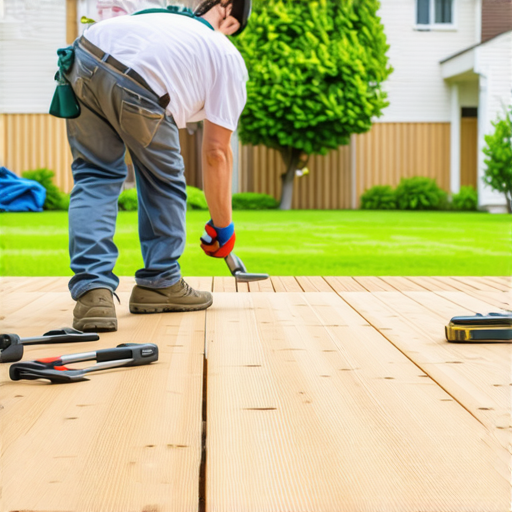
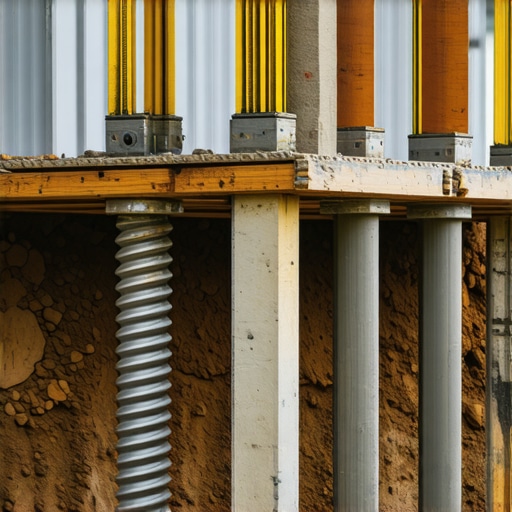
I remember once standing in my backyard, staring up at my old, sagging deck, a sinking feeling creeping in. It was a sunny Saturday, and instead of enjoying the weather, I was mentally kicking myself for ignoring the warning signs of instability. That moment was a lightbulb for me—understanding when traditional methods fail and innovative solutions like helical piles can make all the difference.
Decoding the Foundation Dilemma
For years, I trusted the standard concrete footings without giving much thought to the soil or the long-term stability of my deck. But as seasons changed, so did the ground beneath. I learned that in Needham, certain soil conditions—like clay or loose soil—can cause traditional footings to settle or shift over time, leading to dangerous structural issues. It was then I realized: knowing when to consider alternative foundation options could save not only money but also prevent potential accidents.
This blog aims to shed light on that very question—*When is it time to consider helical piles for my Needham deck?*—based on my personal journey and thorough research. Whether you’re a DIY enthusiast or a homeowner contemplating repairs, understanding the right moments to switch can be transformative.
Is Helical Piling Overhyped or a Game-Changer?
Early in my experience, I made the mistake of assuming all foundations are created equal. I underestimated the importance of soil analysis and opted for traditional concrete footings, only to face unforeseen settlement issues. That was a costly lesson that taught me to always research the soil conditions and consult with professionals. As experts suggest, “In poor soil conditions, helical piles can provide superior stability compared to conventional solutions” (source: Needham Deck Builders).
Today, I want to guide you through recognizing the signals that indicate it’s time to consider helical piles. Ready to explore how this innovative approach can save your project from future headaches? Stay tuned—what follows will turn this complex decision into a manageable, even enjoyable, process.
Start with Soil Analysis
My first step was identifying the soil beneath my deck. I rented a soil test kit and collected samples from different points around the structure, similar to how a gardener tests for nutrients before planting. This helped me understand whether my ground had clay, loose soil, or other conditions that weaken traditional footings. Once I knew the soil type, I compared it with guidelines from local experts, which is crucial before making foundation decisions.
Inspect Existing Deck Stability
Next, I checked my deck for signs of instability. I used a level to see if the surface was even and a tape measure to assess any vertical movement. I also examined the support posts and looked for creaking or wobbling. If your deck shows signs of sinking or shifting, such as unevenly spaced gaps or noticeable tilting, it’s time to consider more robust solutions like helical piles.
Evaluate Material and Age
After examining stability, I looked at the age and materials of my deck. Older decks with wooden supports might be more prone to deterioration, especially if exposed to moisture or pests. If your deck is over 15 years old or has rotten posts, replacing or upgrading the foundation with innovative solutions can prevent future failures. For instance, if your deck is built with cedar, proper reinforcement can extend its lifespan; learn more about restaining cedar decks.
Consult with Professionals
Rather than guesswork, I contacted local Needham specialists who assess soil conditions on-site. They used equipment to drive helical piles into the ground, which are like giant screws anchoring your deck securely. During my consultation, I learned that these piles can be installed with minimal disruption and are ideal for poor soil conditions. Their expertise confirmed whether my specific case warranted helical piles, saving me from costly misjudgments.
Review Building Codes and Permits
To avoid future headaches, I reviewed Needham building codes for deck reinforcement. I found that upgrades often require permits, and working with certified contractors ensures compliance. This step also includes understanding safety standards, which protect your investment and loved ones. When I was ready to proceed, I scheduled inspections and checked reviews for trusted contractors—an essential move before installation.
Monitor for Future Shifts
Finally, after installing helical piles, I set reminders to periodically check my deck’s stability. This ongoing vigilance is like scheduling regular health check-ups, catching issues early. Small signs like new cracks or unevenness should prompt re-inspection. Staying proactive ensures your deck remains safe and functional for years.
Many homeowners and novice builders assume that choosing the right materials or following standard procedures is enough for a durable, safe deck. However, this oversimplification often masks deeper nuances that can make or break your project. In my experience working with Needham decks, there’s a prevalent misconception: that all wood and foundation options are equally suitable regardless of soil conditions, climate, or usage patterns.
For instance, the myth that pressure-treated wood is inherently maintenance-free can lead to neglect, resulting in faster deterioration. In reality, understanding thespecific characteristics of your chosen species, like how restaining cedar affects longevity, is crucial. Many overlook this, which is a costly oversight. Furthermore, assuming that standard fasteners are sufficient in all environments ignores the importance of high-quality hardware; for example, premium fasteners can prevent future rust and structural failure.
What Does Experts Say About Foundation Choices?
Advanced homeowners often wonder if exploring options like helical piles is worth the extra investment. In fact, specialized foundation solutions are sometimes dismissed as overkill. But according to geotechnical research, ignoring soil variability—like needing to account for clay or loose fill—can lead to uneven settling, cracking, or even collapse over time. A study in Foundation Engineering journals emphasizes that selecting the right foundation hinges on comprehensive site analysis, not just cost considerations.
Failing to assess soil properties thoroughly is a trap many fall into, leading to expensive retrofits or repairs. It highlights the importance of consulting with reputable Needham experts before embarking on any significant restoration or new build.
Another often-missed aspect is the maintenance schedule that matches your deck’s use and environment. Homeowners tend to underestimate how regional weather variations—like winter salt exposure or high humidity—accelerate material wear. Regularly inspecting and updating your maintenance practices, such as using the best stains and sealants, can dramatically prolong lifespan.
In conclusion, the hidden nuance lies in understanding that every detail, from foundation to finishing touches, interacts with your local environment. Recognizing these subtleties can prevent costly mistakes and extend your deck’s service life. Don’t fall into the trap of oversimplification—equipped with this awareness, you’ll craft safer, more enduring outdoor spaces. Have you ever fallen into this trap? Let me know in the comments.
How do I keep my Needham deck functioning flawlessly over time? The secret lies in using the right tools and adopting effective maintenance routines. Personally, I rely on a combination of specialized equipment and smart practices that ensure longevity and safety for my outdoor space. For instance, a high-quality pressure washer, like the Simpson Cleaning MegaShot, has become my go-to for periodic cleaning, removing dirt, algae, and grime without damaging the wood surface. Regular cleaning prevents buildup that can accelerate rot or deterioration, especially in humid climates.
In addition to cleaning, inspecting and maintaining fasteners and hardware is crucial. I use a torque wrench, such as the TEKTON 24335, to check and tighten screws and bolts to manufacturer specifications. This simple step helps prevent loose components that can compromise stability. For more detailed assessments, a moisture meter like the Wagner Meters Orion 960 provides accurate readings of wood moisture content, guiding me on when to apply sealants or stains effectively.
Speaking of stain and sealant application, I highly recommend a high-quality brush or spray system, depending on the decking material. I prefer a sprayer like the Wagner Control Spray Max, which ensures uniform coverage and minimizes manual effort. Reapplying sealants and stains regularly—typically every 2-3 years—helps guard against water damage and UV wear. For cedar decks, I follow expert recommendations, such as those in this guide, to maintain the wood’s appearance and integrity.
As technology advances, I see a promising trend towards smart monitoring systems integrated into decks. Future innovations may include sensors that track moisture levels, structural strain, or even pest activity, alerting homeowners before issues become severe. Embracing such tech could revolutionize long-term deck management.
When maintaining your Needham deck, always prioritize safety. Use proper protective gear—gloves, goggles, and masks—and ensure tools are well-maintained. Regular inspections and timely interventions can save money and extend your deck’s lifespan significantly.
If you’re wondering how to effectively keep your deck in top shape, start with these tools and routines. For a comprehensive maintenance plan, consider reviewing this seasonal guide. Don’t hesitate to invest in quality equipment—trust me, it pays off in durability and peace of mind. Ready to try my favorite pressure washer or moisture meter? Your deck will thank you!
The Hardest Lesson I Learned About Deck Builders Needham
One of the biggest revelations during my deck renovation journey was realizing that shortcuts in foundation decisions can cost more than time—they can compromise safety. Trust me, overlooking soil analysis or dismissing alternative solutions like helical piles might seem easier upfront but can lead to costly repairs down the line. Embracing thorough assessments early on transformed my approach to deck stability and longevity.
Tools That Saved My Deck—and My Budget
Investing in the right equipment made a real difference. A moisture meter like the Wagner Orion 960 helped me detect hidden damp spots, guiding precise sealant application. My pressure washer, the Simpson MegaShot, kept my deck looking fresh without damaging the wood. These tools empowered me to extend my deck’s life without frequent costly repairs, and I encourage every homeowner to do the same.