I remember the first time I walked onto an old wooden deck in Needham, feeling that unsettling wobble under my feet, realizing it was a warning sign I almost ignored. Like many homeowners, I didn’t notice the subtle signs of decay until one day, a board snapped beneath me. That lightbulb moment taught me a simple but crucial lesson: understanding how to recognize structural decay can save your safety—and your wallet.
Why Recognizing Decay Early Is a Game Changer
Older decks hold charm and memories, but they also carry hidden risks if you aren’t vigilant. Structural decay doesn’t scream for attention; it sneaks in slowly—rot, rust, and wear disguised behind paint or nestled in dark corners. My experience proved that catching these signs early means avoiding costly repairs or dangerous accidents. Plus, knowing what to look for empowers you to make informed decisions, whether you plan to repair, restore, or replace.
Question Header: Is Your Deck Really Safe or Just Busy Covering Up Problems?
It’s easy to brush off a few loose boards or peeling paint as minor issues, but early signs of decay can be deceptively subtle. I once ignored a slightly uneven footing and thought it was just age—until a sagging beam told me otherwise. The truth is, many homeowners make the mistake of overlooking these warning signs until it’s too late, risking structural failure. Recognizing these early indicators isn’t just smart; it’s essential for your safety.
According to the CDC, untreated wood decay can compromise the entire framework of your deck, leading to collapses or injuries. That’s why, in this guide, I’ll share practical tips to help you identify the signs of decay before they become hazards. Ready to protect your investment and loved ones? Let’s dive into what to look for—and how to keep your deck standing strong for years to come.
In the upcoming sections, we’ll discuss common problem areas, how to inspect your deck, and when to call in the pros. Trust me, a little proactive care goes a long way—and it’s easier than you think!
.
Thorough Visual Inspection
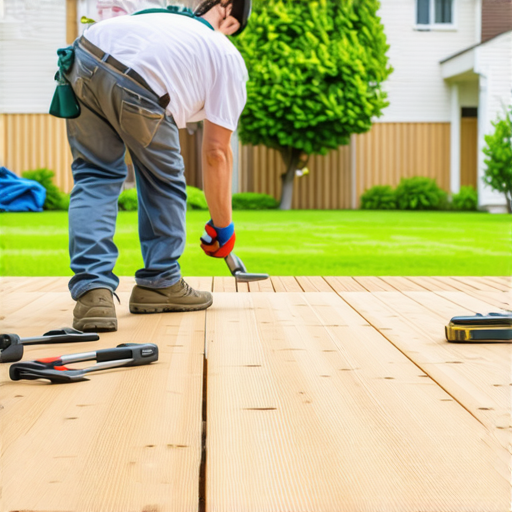
Start by examining all deck components, focusing on areas prone to decay like beams, joists, and post connections. Look for discolored, softened, or cracked wood—these signs indicate moisture damage or rot. Remember, rot sometimes hides behind paint or stain, so check underneath surfaces and at joints.
Use a screwdriver or a putty knife to gently probe suspect areas; if the tool sinks in easily, that wood has compromised strength. I once discovered a soft spot beneath a seemingly sound deck board—removing that board revealed a hidden rotted joist, which, if unnoticed, could have led to failure.
Assess Moisture Levels
Invest in a moisture meter to measure wood humidity—anything above 15% suggests ongoing moisture issues fostering decay. Moisture can be trapped in hidden corners, so test multiple spots, especially where boards meet posts or at the bottom of beams. I used a moisture meter during a repair, and the readings pinpointed areas needing replacement that looked perfectly fine externally.
Check Structural Connections
Loose or rusted hardware often signals decay or fatigue. Inspect nails, screws, bolts, and brackets for corrosion or deformation. Tighten loose fasteners and replace rusted components—failure in these parts can accelerate deterioration. I once replaced a rusted joist hanger, which greatly improved stability and gave me confidence in the deck’s integrity.
Evaluate Surface and Paint Conditions
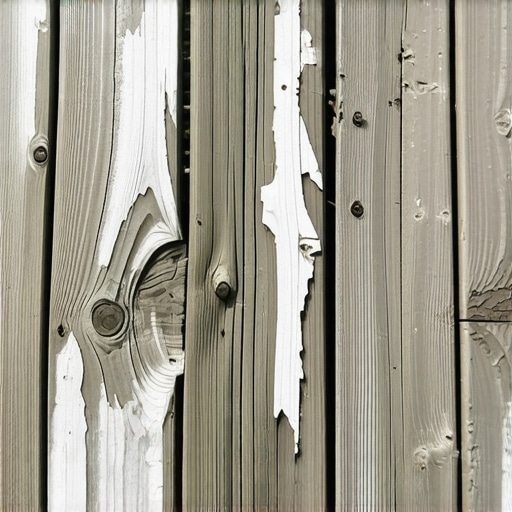
Peeling paint or stain indicates prolonged exposure and potential moisture infiltration. Removing these layers in suspect areas can reveal underlying rot or mold. Remember, paint can mask decay; peeling paint in one spot warrants further investigation.
Inspect for Insect Damage
Look for small holes, sawdust, or frayed wood—evidence of termites or other pests. These insects weaken structural wood, making early detection critical. If you notice signs, consult a pest control professional before proceeding with repairs.
Document and Prioritize Repairs
Take photos of damaged areas to plan your repair sequence. Focus on areas with compromised wood or hardware, considering replacement or reinforcement. In my experience, addressing the most critical decay first prevents further damage and ensures safety.
Consult Professional Help When Needed
If inspections reveal extensive decay or if you’re unsure about your findings, don’t hesitate to contact a qualified deck builder or structural engineer. They can provide a comprehensive assessment and guide you on necessary repairs or rebuilds. For example, after my inspection, a professional advised me to replace a sizable section of joists, which I had overlooked, ensuring long-term safety.
While many homeowners assume that hiring a deck builder in Needham is simply about selecting a contractor with the lowest bid or biggest advertisement, this common misconception overlooks a crucial aspect: the importance of nuanced expertise that goes beyond basic credentials. In my experience, many clients underestimate the value of a builder’s understanding of local regulations, material science, and long-term maintenance requirements. These factors are vital for ensuring the durability and safety of your deck, and neglecting them can lead to costly mistakes. For instance, choosing a contractor unfamiliar with Needham’s specific building permits and code updates can result in future legal or safety issues that might have been avoided with proper knowledge. Did you know that the actual cost of a deck isn’t just the initial build but also includes maintenance and potential repairs over time? An experienced Needham deck builder understands this balance and can advise on materials like composite versus IPE or mahogany, considering both aesthetics and longevity. A common myth is that all deck builders are equally capable; however, expertise in the latest trends—such as eco-friendly composites or safety features like advanced railings—can significantly impact your project’s outcome. For example, I advise clients to look for builders who stay updated with industry advances, such as new color trends or innovative drainage systems, which can add both beauty and functionality to your deck. Regarding safety, many assume that once a deck is built, it doesn’t require further inspection. But regular assessments for signs of decay, hardware integrity, and compliance with recent codes—like needham-deck-stair-code-requirements-2026—are essential for long-term safety.
Have you ever wondered how advanced technological insights, such as material fatigue analysis, influence deck durability? Consulting experts who integrate these nuances can prevent disasters before they happen. You can find more on emerging trends and professional tips by exploring our guides on composite decking or permit hacks on [Needham building permits](https://deckbuildersneedham.com/needham-building-permits-3-hacks-to-speed-up-your-project), ensuring your project isn’t just well-built but also future-proof. Remember, a well-informed choice leads to peace of mind—so when selecting a Needham deck builder, prioritize those with deep expertise, ongoing education, and local experience. Ready to make an informed decision? Share your experiences or questions below, and let’s ensure your deck stands strong for years to come.
Maintaining a deck effectively over the years requires more than just a routine sweep and occasional repairs. Having the right tools and a systematic approach can save you time, money, and ensure your outdoor space remains safe and beautiful. I personally swear by specific equipment that has proven invaluable during my projects, and I recommend integrating these into your maintenance regimen.
Invest in Quality Inspection Tools
A digital moisture meter is essential for detecting hidden moisture pockets that foster decay. I use the Extech MO290 because it provides quick, accurate readings and helps me identify areas where water might be trapped—especially in joints and beneath decking boards. Regular moisture assessments prevent rot from progressing unnoticed. Additionally, a high-resolution flashlight allows me to inspect shaded or hard-to-see corners thoroughly, ensuring no decay signs go unchecked. Precision in inspection is the first step to long-term durability.
Software for Planning and Records
Documenting every inspection with a dedicated app like Evernote or specialized project management software keeps track of repairs, recurring issues, and maintenance schedules. I find that maintaining detailed logs helps me analyze trends—for instance, if certain parts of the deck deteriorate faster, I can plan proactive treatments or reinforcements. Digital records also streamline communication if I need to consult professionals or order replacement parts, ensuring no critical detail is overlooked.
Power Tools for Efficiency and Precision
When it’s time for repairs, a cordless drill with various bits becomes indispensable. I rely on models like the DeWalt DCD791D2 for their durability and variable speed controls, which help prevent overdriving fasteners or damaging treated wood. For larger replacements or structural work, a reciprocating saw enables quick removal of rotted sections, minimizing disruption. Utilizing these tools not only accelerates repairs but also enhances the quality of work, ensuring stability and longevity.
How do I maintain my deck over time?
Establishing a seasonal maintenance schedule is key. Start with visual inspections in spring and fall, assessing for signs of wear or pest damage. Use your moisture meter to check for trapped moisture after heavy rains or snowmelt, especially beneath joists or in corners. Keep hardware tight and replace rusted components promptly—consider applying hardware coatings like zinc-based primers for added longevity. Regularly cleaning the surface with a gentle, composite-friendly cleaner prolongs its aesthetic and structural integrity. Incorporating these tools and habits ensures your deck remains not just attractive but safe for years to come.
Looking ahead, technological advances like remote moisture sensors and AI-driven inspection apps are poised to revolutionize deck maintenance, offering real-time health monitoring. Embracing these innovations now can prepare you for effortless long-term care. If you’re eager to start, try integrating a moisture meter into your routine today—it’s a simple yet powerful step towards protecting your investment and loved ones.
For more detailed guidance on maintaining your Needham deck, check out our seasonal maintenance guide.
Through my years of decking experience, one thing became crystal clear: vigilance and expert insights turn a good-looking deck into a long-lasting masterpiece. It’s not just about fixing what breaks but understanding the subtle signals of decay that most overlook. By sharing my journey, I hope to inspire you to look beyond the surface and truly protect your outdoor haven from hidden threats.
The Hardest Lesson I Learned About Deck Maintenance in Needham
- Patience is key—ignoring early signs of decay can lead to costly repairs or dangerous collapses later. Once, I dismissed a few loose railing screws, only to find rot had set into the post beneath. Catching it early saved me hundreds and prevented potential accidents.
- Using the right tools empowers you. A moisture meter, for example, is invaluable for detecting hidden moisture pockets that foster decay, as I discovered on a rainy spring day. It’s a small investment for peace of mind.
- Never underestimate the importance of hardware inspection. Rusted nails or loose brackets might seem minor but can accelerate structural failure. Regular tightening and replacement kept my deck safe through seasons of weather extremes.
- Professional help complements your efforts. If you notice extensive damage, consulting a Needham deck expert ensures thorough repairs and long-term safety, preventing temporary fixes from turning into future hazards.
- Material choice matters just as much as maintenance. Understanding the latest trends in composite and sustainable woods helps you make smarter decisions for durability and environmental impact, ensuring your deck remains stunning and safe for years to come.
My Custom Toolbox for Deck Safety in Needham
- Seasonal maintenance guide: Keeps my routine organized and ensures I don’t miss critical inspections.
- Extech MO290 moisture meter: Detects unseen moisture issues, saving me from surprise rot.
- DeWalt DCD791D2 cordless drill: Speeds up repairs with precision and power, making projects manageable even on busy weekends.
- Evernote app: Keeps my inspection logs and project plans in one place, helping me track progress and plan ahead.
- Quality hardware and fasteners: Choosing zinc-coated or stainless steel components prolongs the lifespan of my deck’s connections, especially in Needham’s fluctuating climate.
Step Into Action to Safeguard Your Deck
Remember, a strong, beautiful deck isn’t a one-and-done project—it’s an ongoing commitment. Regular inspections, smart tool investment, and expert consultations form the trifecta of long-lasting outdoor living spaces. Whether you’re planning a new build or restoring an aging structure, I encourage you to start today. Your future self will thank you for the effort and care you invest now.
What’s the first step you’ll take to check your deck’s health this season? Share your plans or questions below, and let’s keep our decks safe and stunning together!