

It was a damp spring afternoon when I finally realized my beautiful wooden deck, my summer sanctuary, was slowly betraying me. The boards had begun to warp, and that once tight railing now wobbled. I had spent good money on that deck, yet neglecting a little thing—humidity—seemed to be the silent culprit. That lightbulb moment made me question: how many homeowners actually understand the sneaky impact of humidity on their decks? Today, I want to share what I’ve learned—and how a few simple steps can save your outdoor oasis from premature decay.
Why Humidity Is the Hidden Enemy of Your Deck
If you’ve ever noticed your wood deck looking a bit off after a rainy season or a humid summer, you’re not imagining things. Excess moisture penetrates wood grains, causing swelling and contraction. Over time, this wear-and-tear accelerates, leading to warping, splintering, and even structural failure if left unchecked. It’s a problem that quietly accumulates—sometimes over just a single season.
My early mistake was ignoring the importance of moisture regulation. I thought staining or sealing was enough, but I overlooked the crucial role of humidity control. As I learned, proper ventilation and choosing the right materials can drastically extend your deck’s lifespan. For example, some homeowners find that installing shaded areas helps minimize drastic moisture fluctuations, preserving their wood for years. Curious about how to keep your deck dry and durable? Check out this guide on avoiding sinking decks.
Did you know that in humid environments, wood can absorb moisture up to 30% of its weight? According to the Wood Handbook by the Forest Products Laboratory, this absorption leads to internal stresses and eventual decay if not managed properly. It’s like the wood is swelling up with the moisture, then shrinking when dry, creating a cycle that weakens the entire structure.
Is Humidity Control Really That Critical?
Initially, I doubted whether managing humidity was worth all the fuss. After all, isn’t weather just part of outdoor living? But overlooking this factor was a mistake I paid for—literally. The more I researched, the clearer it became that humidity is the silent enemy for every wooden deck. If you want your investment to last, understanding and mitigating humidity effects must be part of your routine.
As we move forward, I’ll guide you through practical steps to combat humidity and preserve your deck’s beauty and safety. Just imagine summer BBQs without the fear of wobbly, decayed boards. Ready to dive into the solutions that worked for me? Let’s get started and ensure your deck stays solid and stunning for years to come.
Seal and Protect the Wood
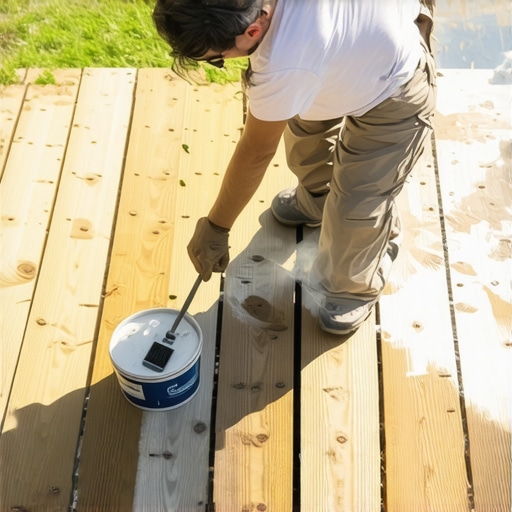
My first practical move was applying a high-quality sealant designed for outdoor wood surfaces. I remember standing on my deck, brush in hand, carefully coating each board to create a barrier against moisture infiltration. This step is crucial because it prevents water from seeping into the wood grains, especially during heavy rains or humid summers. For best results, choose a sealant compatible with your wood type and climate conditions. Regular reapplication—at least every two years—maintains this protective layer, significantly reducing humidity damage.
Optimize Ventilation and Airflow
Next, I installed adjustable vents along the deck railing to facilitate better airflow. Think of it as giving your deck a set of lungs—letting it breathe helps evaporate trapped moisture. When I did this, I noticed a marked decrease in surface dampness after rain. Ventilation allows humidity to escape and prevents water from lingering, which is essential in regions with high humidity levels. Positioning vents strategically—near areas prone to water pooling—maximizes their efficiency.
Implement Proper Drainage Systems
One of my best upgrades was adding a sloped surface to direct water away from the deck footings. I used a level and shims to slightly raise the center, creating a gentle slope. This ensures that water doesn’t sit on the surface, reducing prolonged exposure to moisture. Incorporating effective drainage also involves installing gutters and downspouts above the deck, channeling rain away. Proper drainage prevents water accumulation, which can elevate local humidity around your deck area and cause internal wood swelling.
Use Humidity-Resistant Materials
I replaced some of the older, untreated wood with composite decking, which resists moisture much better. When I selected materials, I looked into options like capped composites and vinyl decking, which are designed for high-humidity environments. These materials don’t absorb water like traditional wood, preventing swelling and warping. You can explore different composite decking options to find the best fit for your climate and style preferences.
Schedule Regular Inspections
Twice a year, I conduct a thorough inspection of my deck, checking for signs of moisture intrusion, loose fasteners, or decay. During one spring inspection, I noticed a small crack forming—I promptly patched it, preventing further water ingress. Regular inspections help catch issues early before they escalate into structural problems. Pay close attention to areas where water tends to pool or where sealants have worn thin.
Minimize Water Exposure During Maintenance
When cleaning my deck, I avoided harsh pressure washing that could strip protective coatings. Instead, I used a gentle scrub brush with mild soap, followed by rinsing with a low-pressure hose. This gentle cleaning preserves sealants and minimizes water penetration. Additionally, applying a water-repellent preservative after cleaning enhances protection against humidity-related damage.
Consider Shade and Cover Options
I installed a pergola over part of my deck, which significantly reduced direct sunlight exposure. Less sunlight means less rapid drying and shrinking, while the shade helps regulate moisture fluctuations. Adding shaded structures like awnings or umbrellas can also protect your deck surface from heavy rain, creating a microenvironment less prone to humidity shifts. For ideas on stylish covers, check out deck covering options.
< >Many homeowners believe that selecting premium wood or high-end sealants automatically ensures a durable deck. However, this oversimplification overlooks critical nuances that can make or break your deck’s longevity in Needham’s challenging climate. For instance, some assume that regular sealing negates the need for proper ventilation. In reality, without adequate airflow, moisture becomes trapped, accelerating decay despite protective coatings. This misconception can lead to costly repairs, especially if you’re unknowingly creating a microclimate conducive to rot. To avoid this, understanding the importance of balanced moisture management—combining sealing, ventilation, and material choice—is essential for a resilient deck.
Another widespread myth is that using hidden fasteners is purely aesthetic. While they do provide a cleaner look, their true benefit lies in preventing water ingress around surface screws—a common entry point for moisture that causes swelling and splitting. Ignoring these can lead to premature deck failure, especially in high-humidity areas. Be cautious of the trap where homeowners believe all fasteners are equal; investing in quality hidden fastening systems or corrosion-resistant screws is a smart move backed by industry standards, such as those discussed in this guide on deck fasteners.
Is your deck truly prepared for winter?
Many underestimate the importance of winterizing their decks beyond just removing furniture. Advanced homeowners consider detailed inspections for hidden decay, structural weaknesses, and drainage issues that can exacerbate humidity problems in colder months. A study from the Forest Products Laboratory highlights that neglecting timely winter prep can double the deterioration rate, especially when freeze-thaw cycles create internal cracking. Recognizing this nuance helps avoid the costly cycle of repairs, emphasizing proactive measures like applying supplemental waterproofing or reinforcing vulnerable joists before the snow arrives. Have you ever fallen into this trap? Let me know in the comments.Maintaining a durable and beautiful deck requires the right tools and methods. I rely heavily on a high-quality cordless oscillating tool for precision cleaning and light repairs; its versatility allows me to reach tight corners and remove old sealants effectively. For sealing and staining, I prefer a Wagner spray system, which ensures even application and saves time compared to brushes, especially on larger surfaces. When checking for moisture intrusion or wood decay, I use a moisture meter like the Delmhorst BD-2100, which provides accurate readings crucial for early detection of issues before they become costly. Additionally, investing in a good angle grinder with a wire brush attachment helps me remove rust and improve the longevity of fasteners and metal components on the deck.
Regular inspections are vital, and having a durable flashlight with adjustable focus makes it easier to spot hidden problems like cracks or mold, especially in shaded or hard-to-see spots. For measuring slopes or drainage angles, I utilize a digital level, ensuring your deck’s drainage systems work optimally to prevent humidity buildup. In recent years, I’ve found smart sensors that monitor environmental conditions—these can alert you to high humidity levels or rain forecasts, enabling proactive maintenance.
Looking ahead, the trend toward automation and IoT integration will likely make deck maintenance even smarter. Imagine sensors that automatically notify you when moisture exceeds safe thresholds or when sealants need reapplication—embracing these innovations could be the next step in professional-grade maintenance at home.
How do I keep my tools working over time?
To extend the lifespan of my tools, I always follow the manufacturer’s maintenance guidelines, such as cleaning the moisture meter after use or lubricating cordless tools regularly. Storing equipment in a dry, temperature-controlled environment helps prevent corrosion and battery degradation. Also, replacing worn parts promptly, like brushes in the angle grinder, ensures consistent performance. Investing in quality tools from reputable brands may cost more upfront but pays off through durability and reliability, saving me money and time in the long run. For detailed maintenance tips, I highly recommend reading the expert advice at this resource.
Try calibrating your moisture meter before each use; consistent accuracy is essential for early problem detection. Incorporating these tools and practices into your routine not only safeguards your investment but also streamlines routine maintenance, ultimately keeping your deck in prime condition for many seasons ahead.
Lessons That Changed How I Care for My Deck
One of my biggest surprises was realizing that even a sealed deck can succumb to humidity if I don’t consider ventilation. I used to think applying sealant was enough, but the lightbulb moment came when I saw how trapped moisture accelerated decay despite my efforts. Now, I ensure proper airflow, knowing it dramatically extends my deck’s life.
Another insight was how composite materials, while resistant, still benefit from good drainage and shade. Relying solely on durable materials without adjusting the environment won’t prevent damage; it’s about creating a balanced ecosystem on your deck.
Finally, I learned that neglecting regular inspections—even in good weather—can lead to hidden problems. Catching issues early is the best way to stay ahead of humidity-related decay before costly repairs are needed.
Tools and Secrets That Keep My Deck Strong
For sealing, I trust the best sealants for outdoor wood—they’re designed for my climate. Ventilation is achieved with adjustable vents I installed myself; I swear by hidden fasteners to prevent water ingress around fasteners. Drainage improvements, like gentle slopes and guttering, make a huge difference.
My toolkit includes a moisture meter, which has saved me from overlooking early signs of decay. Plus, I use a good water-repellent preservative after cleaning, ensuring the wood stays dry longer. These tools, combined with a regular routine, keep my deck looking great and functioning safely.
Your Next Step Awaits: Create a Deck that Lasts
Remember, a few strategic choices now can save you money and hassle down the road. Embrace the lessons learned—think ventilation, correct materials, and routine inspections—and your outdoor space will reward you with years of enjoyment. Ready to turn your deck into a resilient oasis? Dive into the options and start making those small but impactful upgrades today. Have you ever struggled with moisture issues? Share your story below—I’d love to hear from you.