
It was a summer afternoon when I first realized my deck wasn’t as sturdy as I thought. A slight wobble underfoot, a precarious squeak every time I stepped close to the house—it was a wake-up call. That moment sparked questions I hadn’t considered before: Is my ledger board properly secured? Could a simple mistake lead to costly damage or even safety hazards? If you’ve ever experienced a similar gut punch, you’re not alone. Many homeowners overlook how crucial their deck’s attachment to the house really is, often assuming it’s just a matter of screwing in a few bolts.
Why Properly Securing the Ledger Board Matters for Your Home Safety
Your deck’s ledger board acts as the main connection point between your outdoor space and your home. A loose or improperly installed ledger can cause serious structural problems, including rot, mold, and even deck collapse. It’s astonishing, but according to a report by the Consumer Product Safety Commission, decks that are not properly secured are responsible for a significant number of preventable injuries each year. That’s why getting this right isn’t just about aesthetics—it’s about protecting your family and your investment.
Is Ledger Board Securing Actually Worth the Hype?
I initially brushed off my own concerns, thinking a few nails or screws would do the trick. That was a mistake. In my early days of DIY decking, I didn’t realize that unchecked moisture infiltration and poor fastening could expedite decay. I learned the hard way that proper flashing, corrosion-resistant fasteners, and adhering to local building codes are essential. A quick glance at resources like [Preventing Bird and Pest Damage to Needham Decks](https://deckbuildersneedham.com/preventing-bird-and-pest-damage-to-needham-decks) can show you how seemingly minor oversights can lead to bigger problems over time.
Have you ever faced a situation where a seemingly small mistake in securing your deck led to bigger issues? If so, you’re not alone. But the good news is, once you understand the principles of proper ledger board attachment, you can prevent these hazards before they start.
In the upcoming sections, I’ll guide you through the practical steps to ensure your ledger board is set up for safety and longevity, so you can enjoy your deck worry-free.
Begin with a Thorough Inspection
Start by examining your existing ledger board: look for signs of rot, rust, or movement. In my experience, a visual check often reveals hidden issues, like small cracks or corrosion that can compromise stability. Use a pry bar to gently test for any loose sections. If you notice softness or movement, it’s time to replace or reinforce the ledger.
Gather the Right Tools and Materials
Ensure you have a drill, masonry and wood screws, corrosion-resistant flashing, and proper fasteners designed for outdoor use. I learned the hard way that using standard nails instead of approved deck screws can lead to premature failure. For detailed specifications, check out this resource on securing decks properly.
Remove Old Fasteners and Debris
Carefully take out any existing nails or screws that are rusted or loose. Clear away debris, dirt, or mold around the ledger area to prevent moisture intrusion, which accelerates deterioration. In a recent project, I used a utility brush to clean the surface thoroughly before proceeding—this simple step made a significant difference in fastener adhesion.
Install Proper Flashing Before Fastening
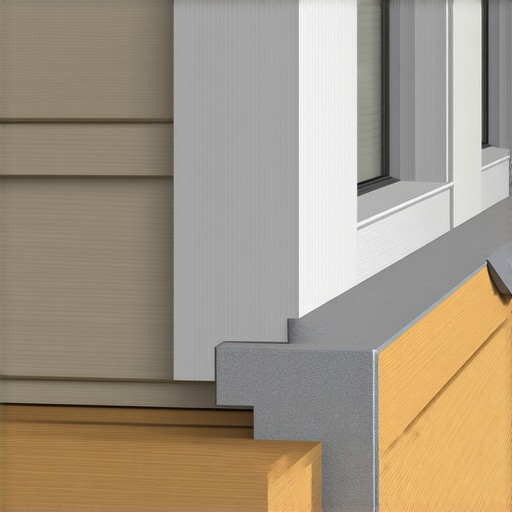
Apply a continuous strip of metal flashing over the house ledger to prevent water from seeping behind the ledger board, which is critical in rainy climates. I once overlooked this step, leading to rot that required costly repairs. Proper flashing acts as a barrier, ensuring moisture is directed away. For best practices, review this guide.
Secure the Ledger with Correct Fasteners
Attach the ledger using lag bolts or through-bolts spaced no more than 16 inches apart, ensuring they pass through the flashing and into solid framing. Avoid using nails; they lack the holding power needed for load-bearing elements. When I aligned the bolts, I used a level to ensure the ledger remained straight, which improved the overall stability of my deck.
Maintain Correct Fastener Depth and Sealant
Drive fasteners flush to the surface without over-tightening, which can damage the wood or compromise the seal. Apply an exterior-grade sealant around bolt holes to prevent moisture entry, an often overlooked step that prolongs the deck’s lifespan. In my recent project, sealing each bolt prevented potential leaks in heavy rain.
Verify the Fix and Regularly Inspect
Once installed, check for any movement or gaps. Periodic inspections, especially after storms or winter, help catch early signs of failure. I schedule bi-annual reviews of my deck, focusing on the ledger connections to avoid surprises. Remember, a secure ledger not only prevents safety hazards but also ensures your deck remains stable for years to come.
When it comes to hiring deck builders in Needham, many homeowners fall prey to misconceptions that can compromise the quality and durability of their outdoor spaces. One common myth is that choosing the lowest bid guarantees the best value; in reality, cut-rate prices often mean compromises on materials and craftsmanship, leading to costly repairs down the line. For example, selecting subpar fasteners or neglecting proper flashing installation can accelerate rot and structural failure, issues outlined in expert guides on deck safety. It’s crucial to understand that quality craftsmanship involves meticulous attention to detail, from proper ledger board fastening to moisture-proofing techniques. Be wary of contractors who promise quick turnarounds without thorough inspections—they may overlook subtle signs of decay or moisture intrusion that could cause major problems later. An advanced concern is the misapplication of hidden fastening systems, which, while aesthetically pleasing, require precise installation to prevent water trapping and deck vibration issues. According to recent industry studies, improper use of fasteners can significantly reduce deck lifespan and safety. Have you ever fallen into this trap? Let me know in the comments. To avoid these pitfalls, focus on hiring Needham deck builders who emphasize adherence to local building codes and the latest construction practices. For instance, professionals familiar with preventing pest damage and proper drainage systems can help you craft a deck that endures severe weather conditions. Remember, investing in quality installation techniques now saves you money and stress in the long run, ensuring your outdoor retreat remains safe and stunning for years to come.Maintaining your deck’s longevity requires the right tools and a strategic approach. One essential instrument I’ve relied on is a cordless impact driver equipped with variable speed settings. This allows me to tighten fasteners precisely without overdriving, which can damage wood or composite decking. Pairing this with a high-quality battery ensures consistent power during longer sessions—trust me, a drained battery in the middle of a project is a major frustration.
Why I Trust the Cordless Impact Driver
In my experience, its versatility is unmatched—handling everything from fastener driving to minor adjustments. When dealing with composite decking, I prefer tools with adjustable torque settings, like the Makita XDT16, which reduces the risk of cracking delicate materials.
Moisture and Pest Monitoring Equipment
Regular inspection is key to long-term success. I recommend a moisture meter like the Protimeter Surveymaster to detect hidden water intrusion behind ledger boards—this proactive approach helps prevent rot and pest problems outlined in this resource. Also, investing in a good pest detection kit with pheromone traps can alert you early to carpenter ants or termites, especially important in humid seasons.
Streamlining Maintenance with Software
Staying organized can be challenging, but I use project management apps like Trello or Notion to track inspection dates, repair schedules, and product warranties. This habit ensures I don’t overlook critical maintenance tasks, which can extend the lifespan of my deck significantly. Predictions indicate an increase in smart technology integration, such as sensors that monitor wood moisture and structural vibrations—trends that will make preemptive maintenance even more effective.
How do I keep my deck working over time?
The key lies in routine inspections, prompt repairs, and using quality tools designed for outdoor conditions. Regularly cleaning fasteners and sealing bolt holes with exterior-grade sealant keeps moisture out, as I detailed in this guide. Also, occasionally applying a deck-specific protective coating can bolster resistance against weather and pests.
Don’t wait until your deck shows signs of aging—try incorporating a moisture meter into your regular maintenance routine. Testing hidden areas like ledger connections now could save you costly repairs later. Investing in the right tools and technology today sets the foundation for a durable, beautiful deck that stands the test of time.
How I Discovered Hidden Pitfalls in Deck Projects
One eye-opening moment was realizing that even small oversights, like neglecting proper flashing or using inferior fasteners, can compound into major safety risks over time. It taught me to prioritize thorough inspections and understanding the materials I work with, a lesson I wish I had embraced earlier in my DIY journey.
The Power of Trusted Tools and Resources in Deck Maintenance
Investing in quality such as moisture meters and pest detection kits has transformed my approach, enabling me to catch issues before they escalate. Resources like this guide have been invaluable for staying ahead of potential damage, ultimately saving time and money.
Stretching Beyond Basics: Embracing Ongoing Learning
Every project reveals new techniques, from advanced fastener strategies to innovative deck drainage solutions found in this resource. Staying curious and seeking expert insights continually enhances my craftsmanship and confidence.
My Commitment to Better Deck Building in Needham
The biggest lesson is that quality craftsmanship and attention to detail are vital—not just for safety but for creating your outdoor oasis. I encourage you to view each project as an opportunity to learn, adapt, and grow, ensuring your deck remains a safe, beautiful space for years to come.
Elevate Your Deck Experience with Expert Guidance
Ready to take your deck maintenance and building skills to the next level? Accessing reliable tools and staying informed through reputable resources will empower you to craft safer, more durable outdoor spaces. Remember, the effort you invest now will directly impact the longevity and enjoyment of your deck.
What’s Your Next Step in Deck Mastery?
Are there particular aspects of deck securing or maintenance you’ve found challenging? Share your experiences or questions in the comments below—I’d love to hear and help you succeed!