
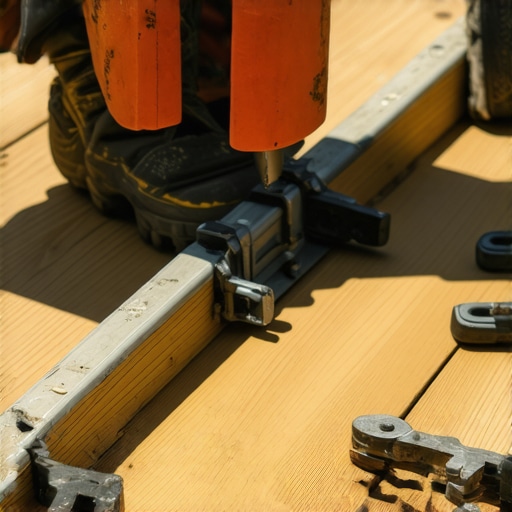
I vividly remember the moment I stepped onto my deck after a harsh New England winter. The squeak of loose boards and a sudden wobble sent a shiver down my spine. That’s when I realized I had neglected a crucial aspect of deck maintenance: inspecting my joist hangers for signs of corrosion. It was a wake-up call that made me question how many homeowners overlook this silent threat. Protecting your investment and loved ones means understanding the importance of regularly checking these small but vital components.
Why Regular Checks Can Save You Big in the Long Run
Deck joist hangers are the unsung heroes holding your outdoor oasis together. Over time, exposure to moisture, temperature changes, and sometimes even salt in the air can lead to corrosion or rust. If left unchecked, these issues can compromise your deck’s structural integrity, risking expensive repairs or accidents. Honestly, I made the mistake early on of assuming that a quick visual glance was enough. It wasn’t. This oversight nearly resulted in costly repairs, but I caught the signs early. That’s why I now swear by routine inspections, especially before and after each season.
Is Inspecting Joist Hangers Really Worth the Effort?
Absolutely. The fact is, research shows that the leading cause of deck failure is deterioration of connectors like joist hangers. In fact, the Consumer Product Safety Commission reports that properly maintained decks are significantly safer and more durable. Many homeowners dismiss minor rust or discoloration, thinking it’s cosmetic. But early signs often include tiny rust spots, flaking paint, or slight warping — clues that can’t be ignored. In my experience, neglecting these signs accelerates deterioration, leading to larger problems down the line.
During my initial inspections, I also discovered that I’ve been making a common mistake: using the wrong fasteners for my environment. For a high-salt area like Needham, choosing corrosion-resistant fasteners is essential. If you’re unsure, [checking your deck connection](https://deckbuildersneedham.com/checking-your-deck-connection-for-signs-of-sagging) should be part of your regular maintenance routine.
So, if checking your joist hangers sounds overwhelming or if you’ve been putting it off, don’t worry. The good news is, with a simple routine, you can catch potential issues early and extend your deck’s lifespan. Ready to dive into the practical steps on how to assess and address corrosion? Let’s get started and ensure your outdoor space remains safe and beautiful for years to come.
Gather Your Tools and Prepare for Inspection
Start by assembling a sturdy ladder, a flashlight, a screwdriver or pry bar, and safety gloves. Wear appropriate footwear to prevent slips. As I did during my first inspection, securing the ladder firmly and setting aside ample time ensures a thorough assessment without rush.
Visual Inspection of Joist Hangers
Climb onto your deck cautiously, using the ladder for elevation. Examine each joist hanger closely. Look for rust spots, flaking paint, corrosion, warping, or signs of looseness. Think of it like checking the bones of a building; tiny cracks or rust can indicate bigger issues ahead. During my check, I discovered a small rust patch on a hanger near the corner, which initially seemed minor but revealed deeper corrosion upon closer look.
Identify Signs of Corrosion
- Tiny rust spots or stains
- Discoloration or flaking metal
- Slight warping or bending of the hanger
- Loose fitting or movement of the joint
Make notes of the affected hangers, matching them with their locations for easier repairs later. Don’t forget to inspect fasteners; corrosion here can be as critical as on the hangers themselves.
Assess the Damage Severity
Compare what you see with the extent of deterioration. Surface rust might be superficial, but deep pitting indicates compromised metal strength. Testing looseness involves gently prying with your screwdriver; if the hanger moves easily or if the wood feels soft around fasteners, repair is urgent. In my experience, quick fixes like tightening screws aren’t enough when corrosion is extensive—consult a professional if unsure.
Decide on Repair or Replacement
If corrosion is minor, cleaning and applying protective coatings can extend lifespan. For more severe issues, replacing the affected hangers is essential. For instance, after discovering a heavily rusted hanger, I chose to remove and replace it with a high-quality, corrosion-resistant model, which significantly improved the deck’s stability. When replacing, ensure compatibility with your existing structure and use fasteners rated for your environment, especially in high-salt areas like Needham. Check out [repairing rusted deck connectors](https://deckbuildersneedham.com/repairing-rusting-deck-connectors-in-needham) for detailed guidance.
Remove and Replace Damaged Components
Use your screwdriver or pry bar to detach compromised hangers safely. For stubborn fasteners, applying penetrating oil can ease removal. Install new hangers, ensuring they sit flush against the joists. Fasten tightly with corrosion-resistant screws or nails. I recall struggling with a stubborn bolt, but patience and proper tools made the task smoother. Proper installation prevents future issues and maintains structural integrity.
Protect and Maintain Future Durability
After repair, apply a protective coating or corrosion-inhibiting primer. Periodic inspections, especially before and after harsh seasons, are key. Regularly check for early signs of deterioration to avoid extensive repairs down the line. As a preventative measure, consider [upgrading your fasteners](https://deckbuildersneedham.com/best-deck-fasteners-for-high-salt-environments-in-2026) to corrosion-resistant options suited for your climate.
Review and Document Your Inspection Routine
Set a schedule to inspect your deck at least twice a year—preferably in spring and fall. Keep a maintenance log noting any issues found and actions taken. This habit can save you from costly repairs and ensure safety. During my routine, I found that consistency helped catch small problems before they became serious threats, prolonging my deck’s lifespan significantly.
Many homeowners believe that hiring a deck builder simply involves choosing someone with the lowest quote or the most attractive portfolio, but this approach overlooks critical nuances that can make or break your project. In my experience, a frequent mistake is assuming that all contractors are equally equipped to handle complex needs, which isn’t always true. Some clients are surprised to learn that a builder’s familiarity with specific local challenges, like Needham’s climate or soil conditions, significantly impacts durability and safety.
Why Do Some Assumptions About Deck Building Fail?
Many believe that a standard deck design suits every home, yet the truth is that customization based on environmental factors—such as moisture levels and ground stability—is essential for longevity. For instance, installing a deck over a poorly prepared foundation can lead to sinking or structural failure, a pitfall I’ve seen first-hand. A common myth is that a quick DIY fix can replace professional expertise; however, especially in areas prone to frost heaving, specialized knowledge like understanding when to use helical piles can save you thousands in repairs. For detailed insights on foundations, visit [Needham deck foundations](https://deckbuildersneedham.com/needham-deck-foundations-when-to-use-helical-piles).
Are There Hidden Risks with Local Contractors?
Absolutely. Not all local builders have the same quality standards or experience with high-salt environments, which can accelerate rust and corrosion. It’s tempting to select a contractor based solely on price, but neglecting their familiarity with correct fastener selection—like choosing corrosion-resistant screws for Needham’s coastal air—can compromise your deck’s safety.
Furthermore, some homeowners overlook the importance of reviewing a builder’s insurance coverage and warranty policies. An expert contractor will typically offer comprehensive warranties and ensure their team adheres to safety regulations. This could mean the difference between a minor repair and a costly rebuild. To ensure your project aligns with best practices, see [top mistakes in Needham deck DIY builds for 2026](https://deckbuildersneedham.com/top-mistakes-in-needham-deck-diy-builds-for-2026), which outlines common oversights.
Another advanced nuance is understanding the latest trends and materials. For example, selecting a composite deck with high UV resistance and low fading characteristics is vital in Needham’s variable weather. Many assume that all composites are equal, but research shows performance varies widely; I recommend exploring [best composite brands for pet-friendly decks](https://deckbuildersneedham.com/best-composite-brands-for-pet-friendly-needham-decks) to make an informed choice.
Have you ever fallen into this trap? Let me know in the comments.
In conclusion, knowing what most people get wrong about deck builders in Needham involves recognizing that expertise, environmental understanding, and material knowledge aren’t optional—they’re essential. Choosing a contractor who understands these nuances ensures your investment stands the test of time, climate, and use.Maintaining a beautiful and safe deck requires the right tools and a disciplined approach. I personally rely on a combination of high-quality equipment and methodical routines to ensure my deck remains in excellent condition year-round. One of my favorite tools is a cordless angle grinder fitted with a wire brush attachment, which makes quick work of removing rust from joist hangers and fasteners—saving me money and preventing early deterioration. Paired with a digital moisture meter, I can easily detect subtle changes in wood dampness, helping me decide when to address drainage or sealing issues before they become costly repairs.
How do I keep my deck operational over time?
Developing a regular maintenance routine means auditing key components like fasteners, wood integrity, and drainage systems. I use a detailed inspection checklist that emphasizes critical areas prone to wear and tear, including connection points and vulnerable surfaces. Implementing a schedule—biannual inspections aligned with seasonal changes—ensures early detection of corrosion or rot. For more advanced inspections, I recommend using a borescope camera to look inside concealed areas, which helps identify hidden decay without dismantling the deck. Investing in these tools might seem like an upfront cost, but their ability to catch issues early can extend your deck’s lifespan by years. As I look to the future, I believe smart technology like IoT moisture sensors could revolutionize deck maintenance, providing real-time alerts directly to your phone and minimizing the guesswork. To stay ahead, exploring these innovations now can prepare you for a smarter, more proactive maintenance approach. You might consider upgrading your routine with a high-quality moisture meter—mine from [Extech](https://www.extech.com/) has proven invaluable in detecting early-stage wood decay, especially in moisture-prone areas. Additionally, cleaning and sealing your deck using eco-friendly, long-lasting products can dramatically improve durability. I recommend using a combination of mechanical brushing with eco-solvent cleaners, followed by applying a high-performance sealant like Sikkens Cetol Deck and Siding Stain, which resists UV damage and moisture penetration. Regularly reapplying these coatings keeps your deck looking vibrant and extends its functional life. When it comes to drainage, installing a properly designed under-deck drainage system ensures that water doesn’t accumulate or seep into wooden joints, preventing rot and corrosion. I’ve personally found that adding a reliable drainage system, as detailed in this guide, drastically reduces maintenance efforts over time—allowing me to enjoy my outdoor space without constant worry. In the coming years, I predict a shift toward integrated, IoT-connected maintenance tools that monitor humidity and structural integrity remotely. A future where your deck’s health is constantly tracked will make upkeep more manageable and cost-effective. So, why not start today? Try integrating a moisture meter into your regular inspections and see how early detection transforms your maintenance routine. For more insights into comprehensive deck upkeep, check out [here](https://deckbuildersneedham.com/maintaining-your-needham-deck-warranty-in-2026), which offers detailed strategies tailored for Needham homeowners.
What I Learned the Hard Way About Deck Maintenance
One unexpected insight was how vulnerable even well-built decks are to environmental stressors; ignoring small signs of corrosion early led me to costly repairs. Now, I keep a keen eye on the tiniest rust spots, knowing they can signal bigger issues down the line.
Why Overconfidence Can Cost You in Deck Care
I once believed that a superficial check was enough before winter, but experienced firsthand how unseen corrosion can weaken joist hangers over time. This taught me that thorough inspections using proper tools are essential, especially in high-salt environments like Needham.
How a Small Inspection Saved My Deck
During a routine check, I caught a loose fastener on a joist hanger just in time to prevent future sagging. It reaffirmed that regular, deliberate inspections—twice a year—are an investment in safety and durability. Don’t wait until you see visible damage to act.
Proceed with Caution When Replacing Components
Replacing corroded hangers isn’t just swapping parts; it’s about understanding the environment and selecting the right, corrosion-resistant materials. I learned that using the proper fasteners, like marine-grade stainless steel, prolongs the life of repairs, especially in salt air regions.
Future-Proof Your Deck with Smarter Maintenance
Incorporating moisture meters and protective coatings into my routine has dramatically extended my deck’s lifespan. The key takeaway? Preventative measures—like sealing and drainage improvements—save money and preserve the structure’s integrity long-term.
Your Personal Edge in Deck Care
Remember, small proactive steps—regular inspections, choosing quality materials, and understanding environmental challenges—are what set apart a good deck from a great one. Take the time now; your future self will thank you. Want to get more insights? Check out [repairs for rusted deck connectors](https://deckbuildersneedham.com/repairing-rusting-deck-connectors-in-needham) to stay ahead of corrosion issues.