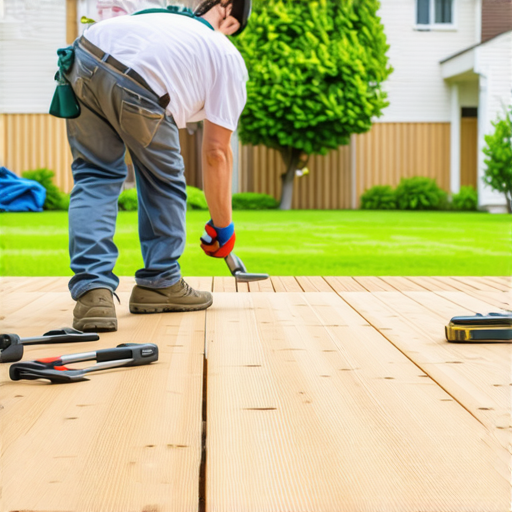

It was a sunny Saturday afternoon when I finally looked around my backyard and had that uncomfortable realization—my deck, built years ago, was more of an eyesore than a sanctuary. The bulky wooden structure felt overwhelming in my tiny yard, making the space seem even smaller. I remember thinking, “How did I let it get so out of control?” That moment sparked a lightbulb: my deck needed a serious makeover, one that matched my small yard’s personality.
Embracing Simplicity with a Low-Profile Deck
For homeowners like us with limited outdoor space, a sprawling, towering deck can often do more harm than good. Overly large decks can dominate the yard, block views, and even make the space feel cluttered. That’s when I started exploring the idea of a low-profile deck—one that sits closer to the ground, maintaining functionality without sacrificing aesthetics. Surprisingly, I learned that such decks can maximize the usability of small yards, making them feel more open and inviting. They also tend to require less material and are easier to maintain over time.
If you’re like me and want to optimize your small yard without resorting to a complete overhaul, understanding the true benefits of a low-profile deck is essential. From easier construction and cost savings to a more elegant look, this approach might be exactly what your outdoor space needs.
Is a Low-Profile Deck Really Worth the Hype?
Initially, I was skeptical. Would it be sturdy enough? Would it still serve my entertaining needs? My early mistake was underestimating the importance of proper fastening techniques. I didn’t realize that a hidden deck fastening system could dramatically improve the look and durability of a low-profile setup. For insights on how to ensure your deck remains safe and beautiful, I recommend checking out this helpful guide on [hidden fasteners](https://deckbuildersneedham.com/why-hidden-clips-are-the-future-of-composite-decking).
Deciding on a low-profile deck isn’t just about aesthetics; it’s about creating a space that blends seamlessly into your yard while fulfilling your needs—whether that’s relaxing with family or hosting friends. But I know firsthand that rushing into any project without planning can lead to costly mistakes. So, let’s talk about what you should consider before building your perfect, low-slung backyard retreat.
Planning Your Deck Dimensions and Layout
Begin by measuring your available space accurately using a tape measure. Sketch a simple plan emphasizing the size that complements your yard without overwhelming it. Use stakes and string to visualize your layout physically. This tangible step prevents miscalculations and helps you see how the deck fits into your yard, similar to setting a foundation for a puzzle piece. Once your plan feels right, confirm measurements and mark the ground with spray paint or stakes. Precise planning saves you from costly adjustments later and ensures your deck’s size enhances your outdoor experience.
Preparing the Site Properly
Clear the area of grass, weeds, and debris using a shovel or a powered tiller for larger patches. Level the ground by removing high spots and filling low areas with compacted gravel or soil. Think of this as creating a solid stage for your deck—stability is key. For small yards with softer soil, consider adding a layer of crushed stone for drainage. Accurate site prep reduces future settling problems and extends the life of your deck. As I found in my project, skipping this step led to unevenness that required extra support later, complicating the build.
Building the Foundation with Support Posts
Lay out your support posts at the marked corners and along the perimeter at appropriate intervals—generally every 6-8 feet. Dig post holes at least 12 inches deep using a post-hole digger, ensuring a stable anchoring. Insert pressure-treated posts into the holes, fill with concrete, and brace until set. This process anchors your deck securely, preventing shifting or sinking. Think of it as anchoring a ship—solid support keeps everything stable. Remember, for optimal durability, check [how to protect your new deck during construction](https://deckbuildersneedham.com/how-to-protect-your-new-deck-during-construction) to avoid moisture damage during this phase.
Installing the Frame and Ledger
Attach the ledger board to your house using corrosion-resistant lag bolts, making sure to match levelness across all points. Construct the perimeter frame with pressure-treated joists, connecting support beams securely with joist hangers. Use a level and square to keep everything aligned—you’re building the skeleton that supports your entire deck. I once rushed this step and ended up with a wobbly frame, which underscored how vital proper alignment is. For added safety and longevity, consider [checking for deck board loose fasteners](https://deckbuildersneedham.com/checking-for-deck-board-loose-fasteners-a-safety-routine) periodically.
Choosing and Installing Decking Material
Select a low-profile, durable material such as composite decking or pressure-treated wood designed for close-to-ground placement. Lay the boards perpendicular to the support joists, leaving a slight gap for ventilation. Secure each board with hidden fasteners—these distribute weight evenly and give your deck a sleek appearance. For the best results, review [why you should consider a hidden deck fastening system](https://deckbuildersneedham.com/why-you-should-consider-a-hidden-deck-fastening-system). I found that using hidden fasteners not only improved aesthetics but also reduced wear over time, making maintenance easier.
Final Touches and Safety Measures
Install durable railing systems suitable for low-profile decks, such as aluminum or composite rails that won’t detract from the sleek look. Add steps or stairs if necessary, ensuring they are securely anchored. Finish with a coat of weatherproof sealant if you used wood, or a protective coating for composite materials. Regularly inspect your deck—checking [for signs of loose fasteners](https://deckbuildersneedham.com/checking-for-deck-board-loose-fasteners-a-safety-routine) and structural integrity—to maintain safety. My experience taught me that doing these checks twice a year keeps the deck safe and looking fresh for years to come.Many homeowners believe that choosing materials or following basic steps is enough to build a durable deck, but veteran builders know there’s much more beneath the surface. A common misconception is that cost is always the primary factor; however, focusing solely on price can lead to significant long-term issues. For example, opting for cheaper fasteners without considering their corrosion resistance may result in rust and structural failure over time, a mistake I’ve seen many repeat. Experts suggest paying attention to the quality of hidden fasteners, like those discussed [here](https://deckbuildersneedham.com/why-hidden-clips-are-the-future-of-composite-decking), to ensure longevity. Another nuance is neglecting proper site inspection—failing to identify soil conditions or water drainage problems can cause uneven settling or rot, which might not be apparent initially. An advanced mistake is underestimating the importance of regular inspection routines; checklists such as [this one](https://deckbuildersneedham.com/7-checklist-items-for-your-2026-needham-deck-inspection) emphasize that safety and durability depend heavily on maintenance habits. When building, many think that a good plan is sufficient, but detailed knowledge of the materials’ properties—like moisture resistance and thermal expansion—is crucial for stressing the structure appropriately. Rushing this phase can result in warped boards or loose connections over time. Integrating these advanced considerations and avoiding common pitfalls will help ensure your deck remains sturdy and beautiful for years to come. For more insights on safety and maintenance, see [how to check your deck connections for signs of wear](https://deckbuildersneedham.com/checking-your-deck-connection-for-signs-of-sagging). Have you ever fallen into this trap? Let me know in the comments.Maintaining your deck’s performance over time requires the right tools and a commitment to regular upkeep. Personally, I swear by a few specialized pieces of equipment that make inspections and repairs more accurate and less time-consuming. One of my favorites is a digital moisture meter, like the [Delmhorst BD-2100](https://delmhorst.com/products/bd-2100), which helps me identify hidden moisture issues within wood components before they become visible problems. This device is invaluable in climates like Needham’s, where humidity can quietly damage decks beneath the surface. Using such tools allows for proactive maintenance, reducing costly repairs down the line and extending your deck’s lifespan. Additionally, a cordless power drill with a selection of driver bits becomes an extension of your hand, enabling quick tightening of loose fasteners during routine checks, such as inspecting joist hangers for corrosion. I also rely on a high-quality leveling laser, which ensures your deck remains perfectly aligned after weather shifts or minor ground settling—major factors in long-term durability. Looking ahead, I predict that emerging smart inspection tools, incorporating ultrasonic sensors and IoT connectivity, will revolutionize deck maintenance by providing real-time damage alerts.
How do I maintain my deck components over time?
Regular inspections are crucial. I recommend scheduling a thorough multi-point check at least twice a year. Focus on areas prone to moisture accumulation, such as the ledger board connection and support posts, and verify fasteners and joist hangers—[checking for corrosion](https://deckbuildersneedham.com/checking-for-deck-board-loose-fasteners-a-safety-routine). Remember, early detection of issues like wood rot or rust can save you significant money and prevent safety hazards. Incorporate minor repairs immediately: tightening loose screws, resealing gaps, or replacing damaged support brackets. For example, addressing rusted connectors promptly prevents structural failure, a topic we explored in detail [here](https://deckbuildersneedham.com/repairing-rusting-deck-connectors-in-needham). To facilitate these ongoing checks, maintaining a well-organized toolkit that includes a cordless impact driver, a moisture meter, a level, and a set of protective gloves can make routine maintenance more manageable and effective. I urge you to try integrating a moisture meter into your routine; it was a game-changer for me and significantly increased my confidence in the deck’s integrity. Regular, vigilant care with the right tools ensures your outdoor space remains safe, beautiful, and ready for years of enjoyment.
Over the course of my project, I learned that sometimes, the best upgrades come from embracing simplicity and trusting your intuition. Building a low-profile deck transformed not only my backyard aesthetics but also my appreciation for thoughtful design. The unexpected takeaway? Less truly can be more—especially when it comes to creating a functional, inviting outdoor space in a small yard.
The Hardest Lesson I Learned About Deck Builders Needham
Never underestimate the importance of proper site preparation. Skipping this step might seem harmless at first, but I experienced firsthand how uneven ground can lead to long-term stability issues. Now, I make it a point to invest extra time in leveling and compacting the foundation, knowing it pays off in durability and safety.
3 Common Mistakes That Could Sabotage Your Deck
- Choosing the Wrong Material: Not all decking materials are suited for close-to-ground setups. I recommend considering composite or pressure-treated wood designed for low-profile decks, which resist warping and rot.
- Neglecting Hidden Fasteners: My initial build used visible screws, which marred the sleek look. Switching to hidden fastening systems was transformative, providing a clean appearance and greater stability. For insights, check out the [benefits of hidden clips](https://deckbuildersneedham.com/why-hidden-clips-are-the-future-of-composite-decking).
- Overlooking Maintenance Routine: Regular inspections have kept my deck safe and looking new. Implementing a biannual check-up, focusing on fasteners and supports, is a game-changer. For maintenance tips, see [deck connection safety](https://deckbuildersneedham.com/checking-for-deck-board-loose-fasteners-a-safety-routine).
My Secret Weapon for Lasting Durability
Investing in a digital moisture meter was a turning point. It helped me detect hidden issues before they became safety hazards. I personally use the [Delmhorst BD-2100](https://delmhorst.com/products/bd-2100), which offers peace of mind and prolongs the lifespan of my deck. Pairing this with a high-quality impact driver keeps maintenance quick and efficient, empowering me to catch problems early and tackle repairs confidently.
Keep Your Deck a Sanctuary, Not a Hassle
Remember, building a low-profile deck isn’t just about appearances; it’s about creating a space that functions effortlessly and endures over time. With thoughtful planning, proper site prep, quality materials, and regular upkeep, your backyard retreat can become a cherished part of your home for years to come. So why not take that first step today? Your small yard deserves a deck that reflects your style and your commitment to quality.
What was the most surprising lesson you learned when tackling a backyard project? Share your story in the comments below!