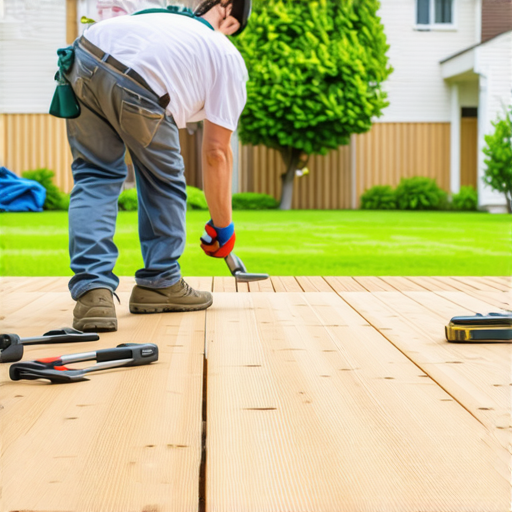

It was a crisp spring morning when I stepped onto my deck and immediately noticed the squeak. A few loose fasteners, I thought. No big deal, right? But as I examined further, I realized that neglecting proper maintenance had already begun to take its toll. My heart sank. Just a year earlier, I had dismissed the idea of regularly checking my deck, thinking I’d get around to it someday. That lazy assumption almost cost me a lot more than I bargained for.
Stay One Step Ahead Before It’s Too Late
Imagine hosting a backyard barbecue, only to have part of your deck wobble dangerously underfoot. Or worse, a fall that could have been prevented had I only caught the loose board earlier. That’s when I realized the crucial importance of a proactive deck maintenance plan. And that’s exactly what I want to share with you today.
Because the truth is, taking a few simple steps now can save you hundreds—and avoid hazardous situations down the line. I learned the hard way that ignoring routine inspection and upkeep can lead to expensive repairs, or even, a safety disaster. It’s not just about keeping your deck looking good; it’s about protecting your family, your investment, and your peace of mind.
But here’s the kicker: many homeowners underestimate this part of homeownership until it’s too late. Did you know that according to the Consumer Product Safety Commission, approximately 40,000 injuries annually are related to deck failures? That’s more than enough reason to start thinking about maintenance now, not later.
Have you ever faced a moment where a small problem on your deck grew into a costly fix? If so, you’re not alone. And the good news is, I’ll guide you through a straightforward, effective maintenance routine that keeps your deck in top shape for 2026—and beyond.
Is Deck Maintenance Overrated or Absolutely Essential?
Early on, I made the mistake of assuming a quick power wash was enough to keep my deck pristine. I ignored signs of corrosion around the joist hangers and skipped regular tightening checks, which later led to wobbly rails and compromised safety. That oversight taught me a valuable lesson: routine inspections are not optional, they’re essential. Discover how to spot warning signs early before they escalate, by checking out helpful tips like this [checking for deck board loose fasteners](https://deckbuildersneedham.com/checking-for-deck-board-loose-fasteners-a-safety-routine). Now, I schedule inspections at least twice a year—spring and fall—so I catch issues early.
This practical approach not only preserves the quality of my outdoor space but also prevents costly repairs. Now, I’m committed to maintaining my deck with a clear plan—something every homeowner should adopt. Ready to take your deck’s health seriously? Let’s explore what a solid maintenance routine looks like for 2026, so you don’t fall into the same traps I did.
Regularly Inspect Your Deck for Hidden Problems
Start by establishing a routine inspection schedule, aiming for at least twice a year, preferably in spring and fall. During these inspections, check for loose or rusted fasteners, damaged or rotting wood, and any signs of swelling or splitting. For example, I once noticed a wobbly railing that seemed minor but was actually a sign of underlying corrosion in the fasteners—addressing it early saved me from a costly replacement later.
Check Fasteners and Joints
Use a screwdriver or a drill to tighten loose bolts and screws. Pay special attention to joist hangers and ledger board connections. This step is crucial—loose fasteners can cause wobbling and potential structural failure over time. I recommend looking into checking for deck board loose fasteners to ensure safety and stability.
Examine the Wood for Decay
Inspect the wood for discoloration, soft spots, or mold. Rotted or damaged boards should be replaced promptly to prevent further deterioration. When I discovered a soft board beneath a plant pot, I realized it was a ticking time bomb that could have caused a serious accident if left unchecked.
Clean Your Deck Effectively
Cleanliness extends the lifespan of your deck. Use a deck-safe cleaner and a soft-bristle brush to remove dirt and algae without damaging the surface. I learned that avoiding harsh pressure washing speeds up decay, so I switched to a gentle cleaning routine. For stubborn stains, consider a specialized cleaner from top wood deck stains.
Address Sun and Moisture Damage
Apply a high-quality sealant to protect the wood from sun exposure and moisture. The right stain can also add a layer of defense while enhancing your deck’s appearance. For the Massachusetts climate, I chose a stain that resisted peeling despite the harsh winters, which you can explore more at top stains for MA weather.
Plan Your Seasonal Upkeep
Align maintenance tasks with seasonal changes. Before winter, ensure all boards are sealed and secure. During spring, perform a thorough inspection and clean. This approach helps catch problems early, avoiding emergency repairs. I once waited until spring for my inspection, only to find minor cracks that worsened over winter—and could have been prevented with an earlier check.
Upgrade with Functional Features
Consider adding features like deck heaters or lighting to enhance usability and safety. These additions make your deck more enjoyable year-round. I installed lighting and a heater last fall, which transformed my deck into a cozy space, proving that maintenance is also an opportunity to upgrade.
Keep Safety a Priority
Always adhere to safety guidelines. Regularly inspect for any structural issues that could compromise stability. Replace rusted or damaged components immediately. Remember, safety isn’t a one-and-done task—it’s a continuous process that protects your loved ones. Regular checks have become second nature after I learned how critical they are to preventing accidents.
Many homeowners assume that choosing a deck builder in Needham is simply a matter of comparing prices or browsing portfolios. However, this overlooks several nuanced factors that can significantly impact your project’s success. One common myth is that all deck builders use the same quality standards, but in reality, their expertise in handling complex designs or selecting durable materials varies widely. For instance, an advanced issue many fail to recognize is how certain builders neglect to evaluate the specific environmental conditions—like sun exposure and humidity—that directly influence the longevity of your deck, as discussed in the impact of sun exposure. Another misconception is that DIY solutions or quick fixes can substitute professional work for structural safety; this is dangerous because improper fastening or overlooked decay can cause hazards, a mistake I once made when ignoring signs of corrosion in joist hangers.
Keeping your deck in peak condition over time requires the right equipment and a strategic approach. One of the most valuable tools I personally rely on is a cordless impact driver paired with a set of precision screwdriver bits. This combo makes tightening or replacing fasteners quick and effortless, especially when dealing with hard-to-reach corners. I particularly recommend the Milwaukee M18 Impact Driver because of its compact size and powerful torque, which allows me to handle extensive inspections without fatigue.
Another must-have is a moisture meter. Different from a standard hygrometer, a moisture meter provides specific readings of wood’s moisture content, helping me identify early signs of rot or decay—before visible damage occurs. I use the Wagner Meters Orion 950 for its accuracy and ability to scan large areas swiftly, enabling me to focus my efforts intelligently.
In addition, I swear by a programmable laser level for ensuring decks are perfectly aligned during any repair or upgrade. It saves time and ensures aesthetic consistency, especially when installing new features or adjusting existing structures. The Bosch GLL 3-80 is reliable and easy to operate, making it a staple in my deck maintenance toolkit.
To keep track of inspection dates and schedule preventive maintenance, I leverage project management software like Trello. Creating checklists and setting reminders ensures routine checks aren’t overlooked, prolonging the lifespan of my deck. Regular maintenance, supported by these tools, can significantly reduce long-term costs and safety risks.
Looking ahead, I predict that technological integration will become more prevalent—think IoT sensors embedded in decks for real-time monitoring of structural health. As this trend develops, staying updated on the latest tools and methods will be key to maintaining resilient, beautiful decks long into the future.
Wondering how to keep your deck safe and functional? I recommend starting with proper fastener maintenance. Using a high-quality impact driver to check and tighten loose screws periodically can prevent bigger issues. For a deeper dive into this, check out how to check deck fasteners effectively. And don’t hesitate to try out a moisture meter—early detection of wood decay can save hundreds on repairs, as highlighted in expert studies on deck longevity. Discover more tools and techniques that can revolutionize your maintenance routine by exploring additional resources today.
Lessons from the Unexpected Challenges of Deck Care
One of my most revealing lessons was understanding that routine isn’t just a guideline—it’s your line of defense against costly repairs and safety hazards. I once thought a quick inspection was enough, only to discover hidden rust and decay that could have been caught early, saving me time and money. This experience taught me that proactivity in deck maintenance often reveals issues before they escalate, turning potential disasters into manageable fixes.
Another lightbulb moment was realizing that DIY solutions can’t entirely replace professional expertise when it comes to structural integrity. Attempting to tighten loose fasteners or replace rotted boards without proper tools and knowledge can inadvertently compromise safety. Enlisting skilled deck contractors in Needham ensures that every bolt and beam is secured to the highest standards, something I now prioritize for peace of mind.
A surprising lesson involved the importance of seasonal timing. Waiting until spring to inspect after winter’s harsh conditions often leads to discovering worsening issues. I’ve found that early inspections in late winter allow me to address minor problems before the heavy use season, extending my deck’s lifespan and maintaining its beauty year-round.
Your Next Move with the Right Tools Will Transform Deck Upkeep
Investing in quality tools has revolutionized my maintenance routine. A cordless impact driver like the Milwaukee M18 significantly speeds up fastener checks and replacements, reducing fatigue and increasing precision. Paired with a moisture meter such as the Wagner Orion 950, I can detect early signs of rot before visual cues appear, preventing small issues from becoming large repairs. Additionally, a laser level like the Bosch GLL 3-80 ensures my deck projects are perfectly aligned, saving time and enhancing aesthetics.
Using project management apps like Trello to track inspection schedules helps me stay organized, ensuring I never miss a preventive check. These tools collectively empower me to maintain my deck proactively, saving money and extending its life. As technology advances, I believe integrated IoT sensors could soon alert homeowners instantly about structural changes—an exciting development for future deck safety and longevity.
Challenge the Norms and Shape Your Outdoor Space Attentively
Stepping into the future of deck maintenance requires curiosity and willingness to adapt. Think about adding features like custom-built planters or integrated lighting—these upgrades aren’t just decorative but also reinforce your commitment to safety and style. I encourage you to explore innovative materials and methods, such as low-profile decking options or eco-friendly stains, which can truly elevate your outdoor experience.
Ultimately, your deck reflects your personality and lifestyle. By investing time and care into routine inspections, proper tool use, and thoughtful upgrades, you create a space that’s not only beautiful but also safe and durable for years to come. Remember, the effort you put in today paves the way for joyful gatherings and peace of mind tomorrow.