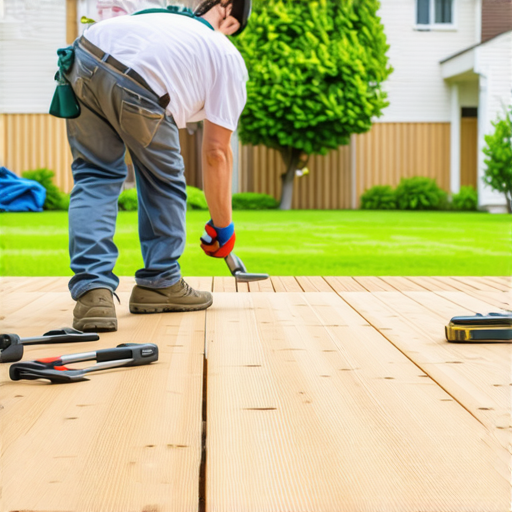
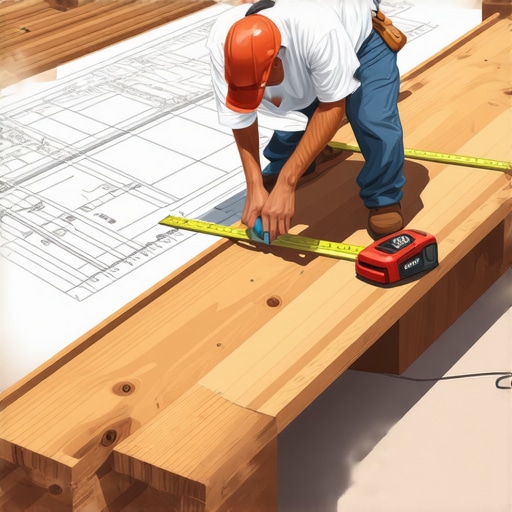
Ever spent hours building a deck only to realize it’s wobbling or, worse, sagging under weight? I remember my first big project; I was all excited until I laid down the joists and suddenly felt a wave of doubt. Was I using the right size? Would it hold up? That lightbulb moment hit hard — I was underestimating how critical the choice of joist size is for a safe, sturdy deck.
Why Getting Your Joist Size Right Matters More Than You Think
When I first dove into deck building, I thought, "A little extra wood won’t hurt." But I quickly learned that choosing the correct joist size based on span isn’t just about structural integrity; it’s also about safety, longevity, and even saving money in the long run. An undersized joist can lead to sagging, cracking, and, in worst cases, dangerous collapses. Conversely, using larger-than-necessary joists might look like overkill and blow your budget. Finding that sweet spot is essential.
According to the Federal Highway Administration, proper joist sizing ensures your deck can handle not only current loads but also unexpected stresses. That’s why I’m here to share what I’ve learned from my journey and how you can avoid the costly mistakes I made early on.
What If You Get It Wrong? The Risks Are Real
Right from the start, I made the mistake of assuming that all joists are created equal and that span wasn’t a big deal. Turns out, I was wrong. Not only did I have to reinforce parts of my deck after a season of use, but I also faced safety concerns I hadn’t initially envisioned. Over time, I realized that a miscalculation could compromise the entire structure—something I don’t want anyone else to experience.
If you’re wondering whether this is just building paranoia or an actual concern, consider recent data showing that improper joist sizing accounts for a notable percentage of deck failures nationally. That’s why it’s worth taking the time to get this right, and I’ll guide you through it step-by-step.
Are you facing this dilemma now? If so, let’s dive into how to determine the right joist size for your deck span — so you can sit back and enjoy that new backyard oasis without worry.
How to Choose the Right Joist Size for Your Deck Span
Calculate the Correct Span Before Picking Your Joist
My first real world test was tackling a 16-foot span in my backyard deck. I grabbed a tape measure, a calculator, and started sketching out my plan. Remember, the span is the distance between two load-bearing points. To determine your joist size accurately, you need to measure this span precisely. Think of it like choosing the right size of foundation stones for a building — if they’re too small, everything shifts.
Use Spans and Load Charts to Choose Joist Dimensions
Next, consult span tables — these are your deck-building GPS, guiding you based on wood type, load, and span. For example, a 2×8 pressure-treated joist can typically span about 12-15 feet with standard residential loads. I once made the mistake of assuming a 2×6 would suffice for my 14-foot span; after a season, I noticed slight sagging. That experience taught me to double-check with the charts rigorously.
Factor in the Load and Usage Patterns
Are you planning a hot tub or heavy outdoor furniture on your deck? These will add to your load calculations. I had a heavy grill and multiple chairs, so I increased my joist size accordingly. For heavier loads, moving up to a 2×10 or 2×12 might be necessary. Use load tables to see what your planned usage demands, and don’t forget to account for snow or wind loads if relevant.
Choose Your Wood Species Wisely
Not all wood types are equal when it comes to strength. I initially went with standard pine, but after reading about pressure-treated wood, I switched to cedar for durability. For maximum strength, species like IPE or mahogany are excellent, though they come at a premium. Cross-reference your span and load requirements with the species’ allowable span capacity to make an informed choice.
Mind Your Joist Spacing for Stability
Spacing also affects how large your joists need to be. Typical spacing is 16 inches on center, but closer spacing or larger joists can improve load distribution. I found that reducing spacing from 16 to 12 inches gave my deck a sturdier feel, especially when hosting friends for gatherings. If you want to explore more on deck features, check out these must-have features.
Double-Check Building Codes and Permits
Before finalizing your joist size, always verify local building codes — they set minimum standards for safety. I learned this the hard way when my initial design lacked the required joist capacity, leading to revisions. For guidance specific to Needham, review building permit tips and ensure compliance.
Confirm with a Structural Engineer if Necessary
If you’re unsure, consulting a structural engineer can save you from costly mistakes. I did a quick consultation for my larger project, which provided peace of mind. Their expertise ensures your deck can handle future loads, such as adding new furniture or features later down the line.
Applying these steps enabled me to confidently select properly sized joists, resulting in a deck that’s both safe and lasting. Take your time to measure, consult tables, and respect codes — it’s worth every effort for a sturdy, worry-free backyard retreat.
 While many homeowners assume that hiring a local deck builder is simply about finding someone affordable and reliable, the reality is far more nuanced. In my experience, a common misconception is that all deck builders in Needham follow the same standards and practices. However, this couldn’t be further from the truth. Skilled professionals often have distinct approaches, certifications, and methods that greatly influence the longevity and safety of your deck. For instance, those who understand the importance of proper attachment to your home’s existing structure will address ledger board issues with greater precision, preventing future rot or collapse. Overlooking this nuance can lead to costly repairs down the line, such as replacing a rotted ledger, which you can learn to avoid by visiting this guide.
Another widespread myth is that pricing is the most important consideration. While budget matters, choosing the lowest bid often results in subpar materials or rushing through critical steps like ensuring correct joist spacing, which might cause your deck to wobble or sag prematurely. Advanced homeowners understand that investing in quality craftsmanship and materials time pays off in durability. According to a recent study by the National Association of Home Inspectors, improper installation practices contribute to over 70% of deck failures. This statistic highlights the importance of selecting a contractor who prioritizes proper techniques over just low-cost estimates.
Have you ever fallen into this trap? Let me know in the comments.
So, what advanced mistakes should you be on the lookout for? One is neglecting to verify if your builder is familiar with the latest code requirements for 2026, which include specific safety features and materials standards. For example, certain fire safety codes now mandate non-combustible barriers in decks near wooded areas, an often overlooked yet crucial detail. Failing to address these updates can lead to fines or unsafe structures. Ensuring your contractor is up-to-date and compliant is essential.
Additionally, many believe that invasive structural assessments are unnecessary until warning signs appear, but proactive evaluations can save thousands. Regular inspections can detect early signs of decay or incorrect load pathways, especially in older homes or after severe weather events. This approach is backed by experts from the Needham Deck Builders Spring Guide, emphasizing that preventive measures outperform reactive repairs.
Building a deck that stands the test of time requires awareness of these hidden nuances. Selecting a contractor who understands these advanced facets ensures your investment is secure and your outdoor space remains a source of pride. Don’t fall into the trap of oversimplifying your choice—look beyond the surface. Want more insider tips? Check out negotiation strategies for working with expert builders or explore eco-friendly decking options to make your project sustainable.
Keep It Working: Tools I Recommend for Deck Maintenance
Ensuring your deck remains safe, durable, and visually appealing requires the right tools and a consistent maintenance routine. Over the years, I’ve refined my toolkit, selecting equipment that not only simplifies tasks but also enhances precision. One indispensable item is a high-quality cordless drill with a variable speed setting, which I use for tightening fasteners and installing new elements. Its portability allows me to work efficiently across different sections of the deck without the hassle of cords. For checking the integrity of joist hangers and fasteners, I rely on a durable digital torque wrench, ensuring each component is secured to manufacturer specifications, which helps prevent future issues like corrosion or loosening see examples here.
Cleaning and sealing are vital to prolong your deck’s lifespan. I personally recommend a power washer with adjustable pressure settings to remove debris without damaging the wood surface, followed by a high-quality brush-on stain gun for even application of protectants. For me, a stain sprayer with a nozzle specifically designed for wood ensures an even coat, reducing waste and mess. These tools save time and help achieve a professional look, especially when working on larger surfaces.
How do I maintain my deck over time?
Regular inspections are crucial. I schedule seasonal checks to identify loose boards, rusted fasteners, or signs of rot early. Using a moisture meter is an excellent way to monitor wood health beneath the surface, especially in humid seasons. Additionally, applying a suitable wood sealant every 2-3 years, based on
pressure-treated wood guidelines, preserves the wood against moisture and UV damage. For long-term results, I advocate adopting a preventive maintenance routine that combines these tools and checks, ensuring your deck remains a safe and inviting space for years to come.
Looking ahead, the trend points towards smart maintenance solutions. Innovations like sensor-integrated systems that monitor moisture levels or structural shifts could revolutionize deck care. Imagine receiving alerts on your smartphone when joints loosen or moisture gets trapped—making proactive care more manageable than ever. As technology advances, integrating these tools into your maintenance plan will become standard practice, significantly extending your deck’s lifespan.
Start implementing periodic inspections and upgrading your toolkit today. For instance, investing in a reliable moisture meter or adopting a professional-grade stain sprayer can make a tangible difference. Taking these proactive steps now will save you time, money, and headaches down the line, ensuring your Needham deck remains the envy of the neighborhood.
By embracing the right tools and maintenance routines, you’ll keep your deck in top shape for the long haul. Regular upkeep combined with smart technology is shaping the future of deck care in Needham and beyond. Don’t wait until minor issues become costly repairs—act today to protect your investment and enjoy your outdoor space for years to come.
The Hardest Lesson I Learned About Deck Builders Needham
One of the most eye-opening lessons I encountered was realizing how small oversights in joist sizing can lead to costly repairs or safety hazards. Early in my deck-building journey, I ignored some basic span calculations, and it wasn’t until I experienced slight sagging that I understood the true importance of precise measurements. This taught me to always double-check span tables and load requirements before cutting a single piece of wood, ensuring each component’s safety and durability.
3 Myths About Deck Builders Needham That Held Me Back
Before diving deep, I believed that all deck builders followed strict standards, and choosing the cheapest quote was enough. I was mistaken. Over time, I learned that craftsmanship varies greatly, and investing in experienced professionals pays off—preventing issues like improper ledger attachment or inadequate joist support. This myth about affordability over quality can be dangerous; always prioritize quality for lasting safety.
What Experts Won’t Tell You About Deck Builders Needham
Many overlook the significance of updated codes and safety regulations, especially with new standards rolling out for 2026. I discovered that a contractor unaware of recent amendments risks non-compliance and future liability. Staying informed and demanding that your builder incorporates the latest safety features, like fire-safe barriers or non-combustible materials, protect your investment and loved ones.
My Essential Toolkit for Deck Maintenance
Over the years, I’ve relied on a few trusted tools to keep my deck in top shape. A quality digital torque wrench ensures fasteners stay tight, preventing loosening and wobbling. An adjustable power washer removes grime without damaging the wood surface, while a professional-grade stain sprayer offers even coating to protect against the elements. These tools are worth every penny for enhancing safety and appearance.
Where to Go from Here
Embracing proactive maintenance and continuous learning will extend your deck’s lifespan and safety. Consider exploring informative resources like Needham’s spring project guide to stay ahead of the latest trends and code updates. Regular inspections, proper tool use, and informed decisions now will reward you with a beautiful, safe outdoor space for years to come.
Your Turn to Try
Have you faced unexpected challenges in your deck projects or maintenance routines? Share your experiences below—your insights could help a fellow Needham homeowner avoid costly mistakes and build the deck of their dreams with confidence.