It was a chilly spring evening when I finally stepped back to look at my outdated deck, freshly painted and waiting. But as the sun dipped below the horizon, I realized something was missing—the railing design. It was then I had my “lightbulb” moment: **railing choices aren’t just functional—they define your entire outdoor vibe.** If you’re like me, you might have overlooked this detail, thinking any railing will do. But let me tell you, choosing the right design can transform a simple deck into a stunning oasis.
Why Your Deck Railing Matters More Than You Think
Many homeowners focus on the size, shape, or decking material—measures that seem obvious. Yet, the railing is often an afterthought, despite its major impact on style, safety, and even property value. I learned this the hard way when a neighbor’s sleek, modern railing caught my eye during a walk—suddenly, my own deck felt dull and uninspired. Just like a good pair of shoes completes an outfit, a well-chosen railing elevates your entire outdoor space.
But with so many options available, where do you start? This is precisely what I want to help you with. Today, I’ll share five modern railing ideas tailored for Needham’s unique climate and aesthetic. Whether you’re looking for something sleek, cozy, or innovative, these ideas will provide a fresh perspective. And if you’re uncertain whether a design is worth the investment, I’ll also tackle common doubts and share a mistake I made early on that you should avoid.
Is a Modern Railing Still Practical and Safe?
I admit, my initial hesitation was rooted in worries about durability and safety. I feared that replacing my traditional wood railing with a modern design might compromise strength or withstand Needham’s harsh winters. However, I found that many contemporary materials—like updated composites and weather-resistant metals—actually outperform traditional wood. According to recent studies, modern composite decking options for harsh Needham winters outperform wood in durability and maintenance (find more details on this [here](https://deckbuildersneedham.com/best-composite-decking-options-for-harsh-needham-winters-2026)).
My early mistake? Rushing into a trendy design without considering long-term resilience. This taught me a vital lesson: choose materials and styles that marry aesthetics with durability. Now, with that in mind, let’s explore the top modern railing ideas that can elevate your Needham home—ideas that blend style, safety, and practicality seamlessly.
Choose the Right Material Bright and Early
Start by selecting durable materials suited for Needham’s climate, such as weather-resistant metals or composite options, which outperform traditional wood in harsh winters. I once impulsively picked a trendy metal railing without researching its weather resilience, only to regret repainting it every year—learn from my mistake by reviewing options like those discussed here.
Measure and Plan with Precision
Accurate measurements are crucial to ensure your new railing fits perfectly and meets safety codes. Use a reliable tape measure and double-check every dimension, especially if you’re installing a multi-level deck. I once rushed through my measurements and ended up with a railing that was too short, forcing me to redo the entire setup—so take your time and double-check.
Design Your Railing Style
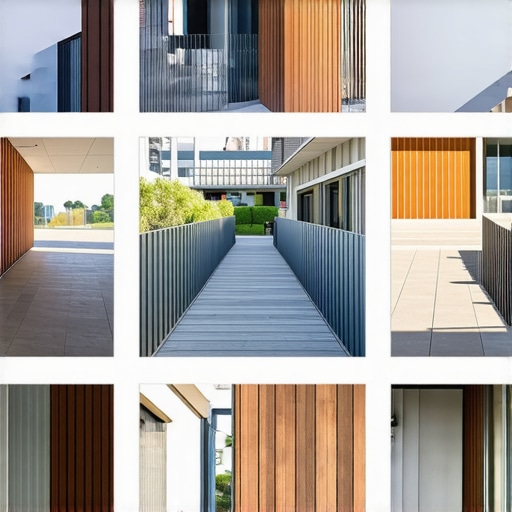
Decide on a style that complements your deck and home. Modern designs often feature clean lines and minimalistic looks, which can be achieved with horizontal slats or cable rails. I experimented with a sleek cable railing last summer; the process involved assembling multiple brackets and tensioning cables—working with a partner made this much smoother.
Order Quality Components and Tools
Source all parts from reputable suppliers to avoid delays or inferior quality, especially during periods affected by shortages like the 2026 lumber shortage. Check this guide to navigate supply issues effectively. My experience installing a custom metal railing took longer than expected because I didn’t verify the supplier’s stock, leading to project delays.
Follow Installation Step-by-Step
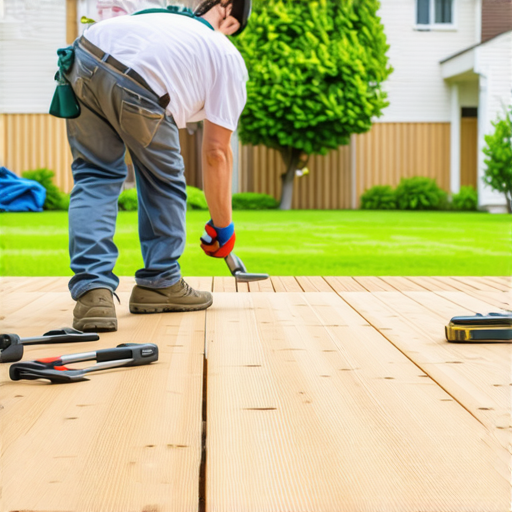
Secure the posts firmly into the deck structure, ensuring they are plumb and level—use a spirit level for precision. Attach the top and bottom rails, then install balusters or cable wires. Use appropriate fasteners resistant to corrosion. During my first attempt, I forgot to pre-drill holes, which caused splitting; now I always pre-drill, especially in metal components.
Finish with Safety and Aesthetic Checks
Double-check all connections, ensure no hazards like protruding screws, and confirm that the railing height complies with local safety codes, such as these regulations. After completing my railing, I tested its sturdiness by leaning on it with my full weight—a simple but effective safety check that everyone should perform.
Many homeowners assume that choosing a local deck builder means trusting their instinct or sticking to the most visible options. However, the real pitfalls often lie in misunderstanding the subtle complexities of deck construction and material selection, which can significantly impact the longevity and safety of your outdoor space. The common myth is that all builders are equally reliable and that cost is the primary differentiator. In my experience, this couldn’t be further from the truth. A seasoned Needham deck builder understands the nuances of local climate-specific challenges, such as the harsh winters and humid summers, and how these factors influence material performance and construction practices.
A frequent mistake I see is neglecting the importance of detailed quality assurance and safety standards during the planning stage. Many clients are lured by initial quotes that seem competitive but overlook comprehensive safety inspections, proper permit acquisition, and adherence to local codes like Needham’s safety codes. This oversight can lead to costly repairs or modifications down the line, especially if the deck hasn’t been built to code.
Another nuance often misunderstood is the significance of building during the optimal time of year. While many assume spring or summer are the best seasons, I advise considering off-peak months. According to recent insights from local experts, scheduling your project in late fall or early winter can ensure better availability, lower costs, and that the deck is ready before the next harsh season strikes.
Why do many get this wrong? It’s because they overlook the detailed planning and expert advice necessary for high-quality results. For example, I once took on a project where the client insisted on using traditional wood despite knowing about Needham’s winters. I recommended composite decking, referencing its proven resilience in colder climates (see why it’s a smart choice), but the client was swayed by initial cost savings. The outcome? A deck that required frequent repairs and repainting just after a couple of seasons. This experience underlined a critical lesson: investing in material and contractor expertise upfront saves money—and frustration—in the long run.
Thinking ahead, it’s vital to understand that not all contractors are the same, especially when it comes to adapting designs that meet both aesthetic goals and safety standards. An innovative approach might involve incorporating modern features like outdoor kitchens or privacy screens, which require precise planning and execution. For insights on current trends, check out Needham’s latest trends.
So, when selecting your builder, go beyond price and reputation. Ask about their experience with local climate challenges, safety compliance, and the materials they favor. A knowledgeable, detail-oriented builder ensures your investment withstands time, weather, and usage. Have you ever fallen into this trap? Let me know in the comments or reach out if you’re ready to elevate your deck to expert standards—because understanding these nuances makes all the difference.Maintaining a high-quality deck requires not only choosing the right materials and designs but also equipping yourself with the proper tools and adopting effective methods for ongoing upkeep. Over the years, I’ve learned that investing in specialized equipment can save you time, enhance safety, and prolong your deck’s lifespan, especially in Needham’s demanding climate.
One essential tool I consistently recommend is a high-quality cordless power drill with adjustable torque settings. I personally use the DeWalt DCD991, as it allows me to drill and fasten with precision, avoiding over-tightening that could damage fasteners or decking materials. This drill’s ergonomic design reduces fatigue during lengthy projects, and its brushless motor ensures longevity—crucial when working on multiple decks a season.
For cleaning, I favor a gas-powered pressure washer with adjustable nozzles, like the Simpson Cleaning MSH3125-S. It offers targeted pressure control, which is vital for cleaning composite surfaces effectively without damage. I’ve found this tool invaluable for restoring decks before sealing or staining, especially in Needham’s humid summers, where moss and grime can accumulate rapidly.
Applying protective coatings is another critical maintenance step. I use a high-quality, HVLP (High Volume Low Pressure) sprayer, like the Wagner Control Pro 170, to achieve even application of sealants and stains. Proper spraying minimizes waste and ensures consistent coverage, which is vital for the longevity of your deck. Plus, I always wear personal protective equipment—goggles, mask, and gloves—to shield myself from fumes and debris.
How do I maintain my deck over time? Regular inspections are the backbone of long-term durability. I recommend inspecting for loose or rusted fasteners, cracks in the wood or composite, and issues with drainage or lighting—problems that can escalate if neglected. In Needham’s snowy winters, I also check for ice damage, which can cause splitting or warping.
Looking ahead, I predict that automation tools will play a bigger role in DIY deck maintenance. Smart sprayers that adjust pressure based on surface conditions and robotic cleaners capable of autonomous washing will become more accessible, making upkeep even easier for homeowners.
One advanced tip I suggest trying is upgrading to a professional-grade HVLP sprayer with variable pressure control. This allows finer adjustments tailored to different materials and stains, resulting in a flawless finish. Investing in this equipment can be a game-changer, especially if you plan to maintain multiple decks or undertake frequent touch-ups. For detailed guidance, check out this resource on future trends, which highlights the importance of proper finishing touches.
By incorporating these specific tools and adopting a disciplined maintenance routine, you’ll ensure that your deck remains safe, beautiful, and functional for years to come. Remember, the right equipment not only makes your work easier but also significantly enhances the durability of your outdoor investment.
How I Learned That Small Details Make a Big Impact
One of my most eye-opening lessons came when I realized that the seemingly minor aspect of railing design could dramatically change my outdoor space’s vibe. After investing time into choosing modern, weather-resistant materials, I saw firsthand how a thoughtful railing boosts safety, style, and property value simultaneously.
What Designing Your Railing Taught Me About Patience and Precision
In my journey, I discovered that meticulous measurement and choosing quality components are non-negotiable. Rushing can lead to misfits or safety issues, and cutting corners might save money upfront but cost much more later. Taking the time to plan and execute thoroughly is the real game-changer.
The Power of Materials in Weathering Needham’s Winters
My biggest surprise? Modern materials like composites and metals outperform traditional wood in harsh winters, proving that durability doesn’t have to come at the expense of style. Incorporating trusted sources such as these options guided me in making smart choices that stand the test of time.
How I Prevented Common Pitfalls in Deck Railing Projects
Early on, I underestimated the importance of understanding local safety codes and timing. Scheduling projects during off-peak seasons and verifying contractor credentials proved vital in avoiding costly mistakes. Reading about local insights helped me plan better.
Designing with Purpose: Adding Trendy Features Without Compromise
Thinking ahead about future upgrades like outdoor kitchens or privacy screens requires intentional planning. Modern trends from Needham’s latest teach that blending aesthetics with functionality elevates your outdoor retreat.