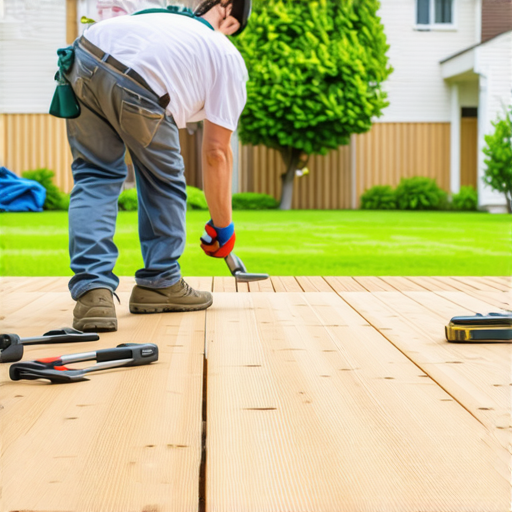
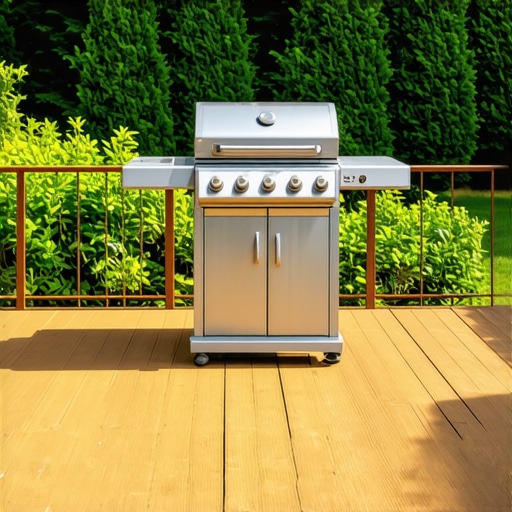
It was a warm summer evening when I finally invited friends over for a barbecue on my deck. Everything looked perfect—until I noticed a faint smell of scorch. Turns out, my careless grill placement nearly ignited my backyard paradise. That lightbulb moment made me realize how overlooked safety can become a hazard without proper precautions.
Since then, I’ve dedicated myself to understanding how to keep our decks safe from fire risks, especially with the changes and updates in 2026 building codes. Today, I want to share with you the crucial tips I’ve learned about preventing deck fires by choosing the right spots for your grill. Because, trust me, a small misstep can turn a cozy gathering into a disaster.
Why Safe Grill Placement is More Critical Than Ever in 2026
Deck fires are more common than many homeowners realize. According to the National Fire Protection Association, roughly 10% of home fires start on decks or patios, often linked to grilling mishaps. The good news? Most of these incidents can be avoided with simple precautions. But first, let me confess a mistake I made early on: I thought placing my grill next to the deck railing was convenient. That tiny oversight almost cost me my entire backyard.
Proper placement isn’t just about comfort; it’s about safety and compliance with the latest standards. In 2026, new regulations emphasize maintaining safe clearances and using fire-resistant materials around grilling areas. This means double-checking the distance between your grill and flammable surfaces, and knowing which spots to avoid entirely.
If you’re wondering whether your current setup is safe, or if you’ve faced that unsettling smell of smoke and worry, then keep reading. We’re going to go through the exact steps to ensure your outdoor cooking area minimizes fire risks. And for additional safety tips, you might find the [Needham deck fire safety checklist for 2026](https://deckbuildersneedham.com/needham-deck-fire-safety-checklist-for-2026) particularly helpful.
Now, let’s dive into how to choose the safest spot for your grill that keeps your deck beautiful and your family protected.
Assess Your Current Setup Carefully
Start by visualizing your current grill location. Walk around your deck and check the distance between your grill and all flammable elements like railings, furniture, and overhanging branches. For example, I once placed my grill too close to a cedar railing, which almost led to sparks igniting the surface. That experience underscored the importance of measuring every potential hazard before proceeding.
Calculate the Correct Clearance Distances
In accordance with 2026 building codes, the minimum safe distance from combustible materials is typically 24 inches for most grills. Use a tape measure and mark the spot where the grill will sit, ensuring it’s at least this distance from any flammable surface. Think of it like creating a safety buffer zone—much like a buffer around a dangerous machine in a factory—enough space to prevent accidental ignition. Remember, some materials are more fire-resistant than others, so reviewing safety features can guide your placement choices.
Choose a Fire-Resistant Surface
Place your grill on a non-combustible base — concrete, stone, or specially designed fire-resistant mats. I once borrowed a friend’s patio stove and set it on a wooden deck, which risked disaster. Afterward, I installed a stone pad, drastically reducing fire risk. If your deck’s surface is wooden, consider replacing or overlaying it with durable, fireproof materials. Check out options for replacing deck railings with fire-resistant upgrades, or explore composite decking profiles suited for fire safety.
Position Away from Overhangs and Vents
Avoid placing your grill beneath eaves, overhangs, or near vents that could direct heat or flames upward. I made this mistake when I placed my grill under a low-hanging roof overhang; the heat build-up became intense, and I had to relocate it promptly. Use a simple visual check: ensure there’s a clear vertical and horizontal buffer from any overhead structures. This reduces the risk of heat transfer and accidental ignitions.
Check for Proper Ventilation and Accessibility
Ensure the grilling area is well-ventilated, allowing heat and smoke to dissipate safely. Keep pathways clear for quick access and emergency exits. For example, when I redirected my grill to a corner with better airflow, I noticed a significant drop in smoke accumulation, making grilling safer and more enjoyable. This also aligns with proper deck design principles for safety and airflow.
Implement Regular Inspection and Adjustments
Periodic checks are crucial. Inspect your grill placement before each use—look for signs of heat damage, fire hazards, or shifts in positioning. Keep fire extinguishers nearby, and ensure your family knows the safety protocols. Years ago, I found my grill was slightly shifted after strong winds, which moved it closer to the deck’s edge. Repositioning it correctly afterward prevented potential hazards.
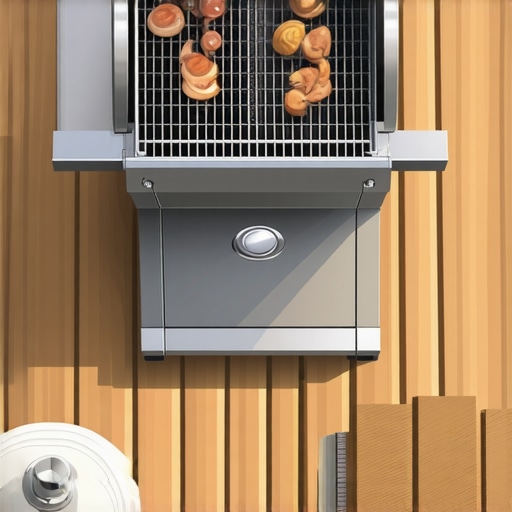
An illustrative diagram showing proper grill placement relative to deck structures and flammable surfaces.
While many believe selecting popular decking materials or following basic safety guidelines suffices, the truth is the deepest pitfalls lie in nuanced details that even seasoned homeowners can easily miss. One common myth is that all composite decking brands perform equally well in high-traffic or humid conditions—yet, studies show significant variations in moisture resistance and longevity among brands, emphasizing the importance of choosing the right profile, such as the latest composite decking options for 2026. Often, homeowners underestimate the criticality of proper joist spacing; an overlooked mistake that can lead to premature sagging or failure, especially if you opt for the more affordable joist sizing guidelines. Moreover, there’s a widespread assumption that a standard permit isn’t always necessary, but local regulations in Needham have become more stringent—getting it wrong can lead to costly delays or legal issues, so consulting professional advice is more valuable than ever. And let’s not forget the trap of selecting materials based solely on price; investing in high-quality, low-maintenance options like top-rated decking brands for 2026 fosters durability and saves money long-term. Beyond these, a common mistake is neglecting the aesthetic integration of your deck with your home’s architecture—choosing replacement railings can update your look without a full overhaul. Finally, be wary of the misconception that standard fasteners and clips are sufficient; advanced hidden fastening systems not only improve appearance but also extend deck lifespan, aligning with the latest decking innovations for 2026. So, next time you plan your project, focus on these nuanced details to avoid costly pitfalls and create a deck that truly lasts. Got any experiences or revelations about overlooked details? Share your story below—it’s fun and educational! The key is recognizing that every detail, from material choice to structural considerations, plays a role in your deck’s success, especially in the evolving needs of 2026. Remember, strategic planning guided by expert insights like those from pro tips for finding top Needham contractors can make all the difference.Investing in quality tools is essential for every Needham deck builder aiming for durability and precision. Personally, I rely on a a digital measurement system like the Bosch GLM 50 C laser distance measurer because it offers quick, highly accurate readings even under challenging lighting conditions, which saves me hours on-site. To keep my power tools in top shape, I use a dedicated maintenance routine: cleaning blades and bits after each use, lubricating moving parts monthly, and storing them in climate-controlled environments. This approach prevents rust and wear, ensuring my tools perform reliably project after project. Software-wise, I recommend using 3D design platforms such as SketchUp Pro; it allows me to visualize complex deck layouts beforehand, minimizing costly mistakes during construction. Over time, these plans help track progress and adapt designs to updates in building codes, like the recent 2026 updates for composite decking profiles, which I review regularly to stay compliant and innovative.On that warm summer evening, my backyard came alive with the aroma of grilled favorites and the laughter of friends, but an overlooked detail nearly turned a perfect gathering into a disaster—a faint smell of scorch revealed an improperly placed grill. This lightbulb moment prompted me to learn how to keep our decks fire-safe, especially with the updated 2026 building codes. Today, I want to share the crucial lessons learned about choosing the safest grill spots to protect your outdoor oasis.
Secrets Only Insiders Know About Deck Fire Risks in 2026
– The biggest hazard isn’t just carelessness; it’s misunderstanding how close your grill can be to combustible materials. A common mistake is placing the grill under low-hanging eaves or next to wooden railings, which can ignite unexpectedly. I realized early on that compliance with new regulations, emphasizing a minimum 24-inch clearance and fire-resistant surface installation, isn’t optional but essential. – Many homeowners underestimate the subtle cues of heat transfer. For example, placing a grill on a wooden deck without a proper fire-resistant pad invites disaster, a lesson I learned after an accidental spark nearly caught my railings ablaze. – Proven safety upgrades like installing stone bases or using fire-resistant mats make a huge difference. Replacing my wooden surface with concrete significantly boosted safety and peace of mind. – Overhangs and vents, if too close, act like heat conveyors, increasing fire risk. Relocating my grill away from overhangs decreased smoke buildup and enhanced safety. – Regular inspections before each cook-up—checking for heat damage, shifting positions, and ensuring clear pathways—are key practices I now never skip, especially given local updates like the Needham deck fire safety checklist.
Gear Up with Tools and Resources That Make It Easy
– The Bosch GLM 50 C laser distance measurer has become my go-to for ensuring proper distances, saving time and preventing accidental proximity. – For surface safety, I trust FireStone’s fire-resistant mats, which I’ve found durable and effective in real-world conditions. – Keeping a small, accessible fire extinguisher rated for kitchen and outdoor fires is non-negotiable; I keep mine within arm’s reach during every grilling session. – To plan my deck layout, SketchUp Pro allows me to visualize potential hazards and optimize placement, especially important after reviewing the latest composite decking trends for 2026.
Your Next Move for a Safer, Smarter Deck in 2026
Creating a fire-safe outdoor space isn’t just about following rules—it’s about confidently enjoying your backyard without worry. The next time you set up your grill, remember that thoughtful placement can prevent a disaster and prolong the life of your deck. Safety, quality, and smart planning are the pillars of a perfect summer—making every gathering memorable for the right reasons. Ready to give your deck a safety upgrade? Share your experiences or ask questions below—I’d love to hear your stories. Do you have a safety tip that saved you from a potential hazard? Let me know in the comments.