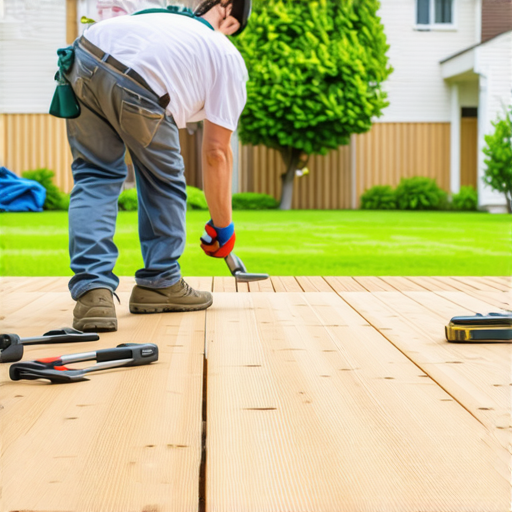
I remember the first summer after I built my low-profile deck. The sun was blazing, and I was eager to enjoy my outdoor space. But as I set out my chairs, a nagging feeling crept in—something was off. The deck felt warmer than it should be, and I noticed a musty smell wafting up from beneath. That lightbulb moment hit me hard: I had overlooked something essential—**airflow underneath my deck**. Suddenly, I realized how much this unnoticed factor could make or break my outdoor oasis.
The Unseen Enemy: Poor Airflow and Its Hidden Damage
In my early days as a homeowner, I believed that simply choosing quality materials and proper framing was enough. Turns out, neglecting the airflow beneath my low-profile deck accelerated wood rot, invited pests like carpenter ants, and even led to warping of my boards. It’s one thing to admire a sleek, minimalist design; it’s quite another to face early deterioration because of a preventable mistake. Today, I want to share how ensuring proper airflow is a game-changer for durability, safety, and even your wallet.
Here’s the good news: by paying attention to airflow, you can extend your deck’s life and save on costly repairs down the line. I’ll walk you through real-world tips based on my experiences and research. For instance, I learned that simple measures, like installing appropriate spacing or ventilation systems, make all the difference. Want to avoid the costly pitfalls I encountered? Keep reading, and I’ll show you how.
Is Proper Ventilation Overhyped or Truly Vital for Your Deck?
Initially, I was skeptical. Would a few vent holes or spacing strips really keep my deck from rotting within a few years? Spoiler alert: yes. According to a study by the University of Massachusetts, insufficient airflow can lead to moisture buildup, causing structural decay and mold growth—issues that are both unsightly and hazardous. My early mistake was sealing my deck too tightly, thinking it would look cleaner and be easier to maintain. Instead, I trapped moisture, which accelerated deterioration.
Learning from that, I now understand that smart design choices—like gaps between boards and adequate clearance from the ground—are crucial. If you’re wondering whether airflow is worth the effort, I encourage you to think about longevity and safety. Proper ventilation isn’t just a trend; it’s a practical necessity that can save you from frequent, expensive repairs.
So, have you noticed signs of moisture or pests lurking under your deck? If so, you’re not alone. These are common issues, but easily preventable with the right approach. Ready to explore proven strategies to keep your low-profile deck in top shape? Let’s dive into how you can implement effective airflow solutions that last.
,
Establish Adequate Gap Between Deck and Ground
During my own build, I learned that maintaining a minimum of 6 inches of clearance between the bottom of your deck and the soil is vital. I used spacers during installation to keep the ledger board elevated, which allowed air to circulate beneath, preventing moisture buildup. This small step turned out to be a game-changer, as I noticed less mold and fewer pest problems over time. Think of it like your home’s ventilation system—without proper flow, problems accumulate quickly.
Create Ventilation Spaces Between Boards
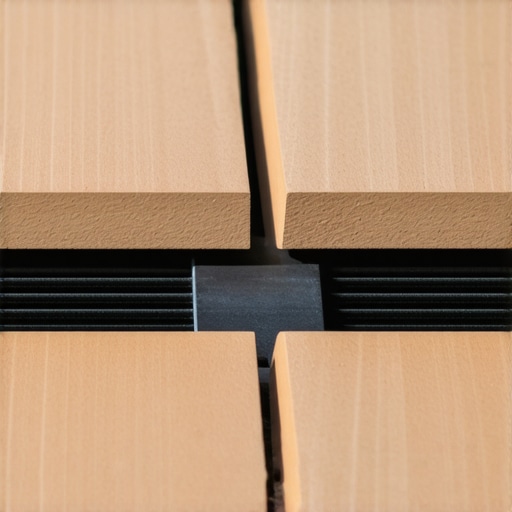
Next, I opted for installing deck boards with intentional spacing—about 1/8 to 1/4 inch gap—using hidden clips that allowed for expansion and airflow. Initially, I was tempted to use tight-fit boards for a sleeker look, but I soon saw signs of trapped moisture. Adding these gaps helped moisture escape and reduced the risk of rot. For a cleaner appearance that still facilitates air movement, consider hidden clip systems designed for this purpose.
Improve Ventilation with Under-Deck Drainage Systems
My most effective strategy was installing a under-deck drainage system that created an air gap and prevented water from pooling underneath. It’s akin to installing a roof over your deck’s underside—this shields the structure and promotes consistent airflow. This system not only kept my deck dry but also made cleaning underneath easier. If your deck sits close to soil or has poor airflow, integrating such a drainage system can extend its lifespan significantly.
Use a Elevated Support Structure
Rather than placing my deck directly on concrete or soil, I used concrete piers and treated joists elevated on sturdy posts. This raised design ensured continuous airflow beneath the deck, similar to how pier foundations work in coastal structures to withstand humidity. When repairing or building, opt for corrosion-resistant hardware and sturdy supports to avoid sagging or instability. For detailed guidance, check out this article on fixing shallow footings.
Slope Your Deck Slightly for Drainage
I made sure to slope my deck surface about 1/8 inch per foot, directing water away from the house and reducing standing moisture that could promote decay. Think of it like a tiny roof slope—water naturally moves away, keeping your deck dry and ventilated. If you’re unsure about proper grading, a laser leveling tool can ensure precision, as used by modern builders. Proper drainage is an often-overlooked step that ensures your ventilation efforts are not compromised by pooling water.
Materials That Promote Breathability
Finally, I chose composite decking with vents designed into the profile, which facilitates airflow while maintaining durability. Materials like these can be similar to a mesh wall—allowing air to pass while blocking pests. For example, choosing the right composite can make a difference in how well your deck handles moisture. Combine this with proper installation, and you significantly extend the life of your outdoor space.
 Many homeowners believe that choosing a local deck builder in Needham is enough to ensure a durable, beautiful outdoor space. However, what most people get wrong is oversimplifying the process and overlooking intricate details that can make or break your project. For instance, a prevalent misconception is that cost-saving shortcuts, like using cheaper materials without considering climate-specific durability, don’t impact the longevity of your deck. In reality, neglecting such nuances can lead to early deterioration, pest infestations, or safety hazards. Expert insights highlight that understanding regional environmental factors and selecting materials accordingly—like Cove or composite options tailored for Needham’s weather—are crucial steps often underestimated. A common trap is assuming that all deck designs or construction techniques are universally applicable, when in fact, local adaptations are essential. For example, failing to incorporate proper ventilation or ground clearance can trap moisture, leading to rot, regardless of high-quality materials. Advanced mistakes also include overlooking the importance of precise leveling, which modern builders now perfect with laser-guided systems, to prevent structural issues over time. Research from the Building Science Corporation emphasizes that meticulous attention to detail, down to accurate joist spacing and appropriate slope, significantly extends your deck’s lifespan. Have you ever fallen into this trap? Let me know in the comments.Maintaining a beautiful and durable deck requires not only careful planning during construction but also the right tools for ongoing upkeep. Over the years, I’ve tested and relied on specific equipment and software that make the maintenance process efficient and effective, ensuring my decks stay resilient against Massachusetts’s challenging climate. In this post, I’ll share my favorite tools, why I swear by them, and where I see future trends heading in deck maintenance.
First and foremost, I highly recommend investing in a quality moisture meter. Devices like the ” Protimeter MMS2 Moisture Meter ” have become indispensable for me. They provide precise readings of moisture content in wood, allowing you to spot potential trouble spots before rot or pests set in. Regular checks with this tool help maintain a proactive approach, especially in high-humidity seasons. Additionally, I use a digital 3D laser level, such as the “Bosch GLL3-330C,” which employs laser-guided technology to ensure your framing and decking are perfectly level. As modern builders recommend, incorporating laser leveling during repairs or new builds significantly improves the longevity of your deck—see how laser precision is transforming construction at [here](https://deckbuildersneedham.com/why-modern-deck-builders-use-lasers-for-perfect-leveling).
For cleaning, I advocate for a high-quality pressure washer with adjustable settings. The “Kärcher K5 Premium” has multiple pressure levels and a rotating nozzle, which helps to clean mold, algae, and dirt without damaging your composite or wood surfaces. Using too high a pressure can be catastrophic, especially for older or softer woods, so I always set it carefully. Moreover, I keep a detailed maintenance log using deck-specific planning software like “Buildertrend,” which I’ve customized to track inspections, repairs, and replacement timelines. This way, I stay organized, prioritize maintenance tasks, and avoid overlooking small issues that could turn into costly repairs.
Looking to the future, I predict a rise in smart maintenance systems integrating IoT sensors. These could continuously monitor moisture, temperature, and structural integrity, alerting homeowners immediately to issues. Companies are already exploring such solutions, making routine checks more accessible and less labor-intensive.
A quick tip for long-term care is to periodically sand your composite boards, but with caution. Over-sanding can reduce their protective layers, so I recommend only doing it when necessary, following expert advice from [here](https://deckbuildersneedham.com/why-you-should-consider-sanding-old-composite-boards-with-caution). Remember, staying ahead of potential deterioration hinges on regular inspections and utilizing precise tools.
Why not try calibrating your moisture meter this weekend? Accurate moisture readings are foundational for effective maintenance. Using reliable equipment isn’t just about convenience; it’s about actively protecting your investment and ensuring safety. Regularly utilizing these tools will transform your maintenance routine from reactive to proactive, keeping your Needham decks in top condition for years to come.
The Hardest Lesson I Learned About Deck Builders Needham
Early on, I believed that choosing the best materials was enough. Turns out, overlooking simple airflow solutions was a rookie mistake that led to unnecessary repairs. The key insight was understanding that design choices, like ground clearance and board spacing, have a direct impact on your deck’s lifespan.
My Essential Toolkit for Building Durable Needham Decks
From moisture meters to laser levels, utilizing the right tools has transformed my approach. A reliable moisture meter helped me catch issues early, while laser leveling ensured perfect alignment, saving time and money. These tools are my trusted allies in creating decks that stand the test of time.
Your Turn to Make a Difference with Your Deck
Don’t wait for problems to arise—incorporate thoughtful ventilation and quality materials now. With the right knowledge and tools, you can craft a low-profile deck that’s both beautiful and resilient. Are you ready to elevate your outdoor space and avoid costly mistakes? Share your thoughts or questions below!