
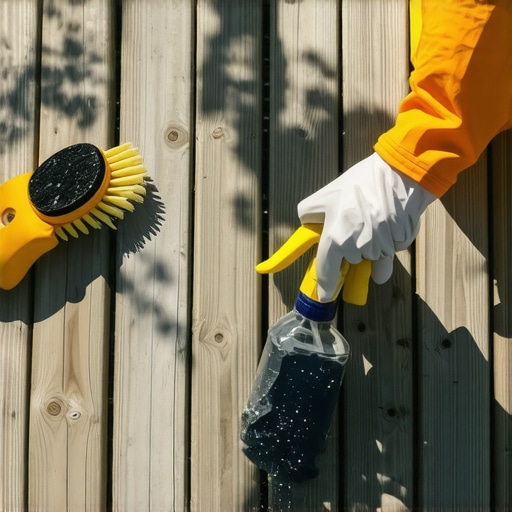
I’ll never forget the first time I spotted those dark, grimy patches creeping along the edges of my deck. It was a humid summer afternoon, and despite my efforts to keep everything spotless, mold had taken hold. That lightbulb moment hit me hard — I realized if I didn’t act fast, my beloved outdoor space could turn into a health hazard or a ruined mess.
Why Mold on Deck Boards Can Ruin Your Outdoor Oasis
Deck mold isn’t just unsightly; it can lead to wood rot and compromise the structural integrity of your entire setup. Plus, I noticed that once mold appears, it tends to spread if left untreated — kind of like an uninvited guest who refuses to leave.
Is Over-the-Counter Spray Really Enough?
Early on, I made the mistake of thinking a simple spray or wipe-down would do the trick. Turns out, mold spores embed deep into the wood, making surface treatments ineffective. I learned this the hard way when a quick fix only bought me a temporary reprieve. To truly restore my deck, I needed methods backed by experience and some research.
According to the CDC, mold grows rapidly in humid environments, and neglecting it can lead to respiratory issues and allergies. That realization motivated me to find a reliable, long-term solution — one that would keep my outdoor space safe, looking great, and inviting for family gatherings.
So, if you’re nodding along, frustrated with those stubborn mold patches, you’re not alone. I’ve been there. Stay with me as I share proven techniques to effectively remove mold from your deck boards and regain your outdoor peace of mind. Ready to transform your deck into a clean, safe retreat? Let’s dive into the steps that truly work.
Prepare Your Space and Gather Supplies
First, clear the deck of furniture, plants, and debris to ensure unhindered access. Wear protective gear—gloves, goggles, and a mask—to safeguard against mold spores. Have a bucket, stiff-bristle brush, pressure washer (if available), and cleaning solutions ready. For stubborn mold, a commercial mold remover or a homemade mixture of bleach and water (one part bleach to three parts water) can be effective. I’ve tried both, but with a stubborn patch in a shaded corner, the bleach solution and some elbow grease did the trick.
Scrub the Mold Away
Apply the Cleaning Solution
Pour the bleach solution into a spray bottle and liberally spray the affected areas. Let it sit for 10-15 minutes to penetrate the wood fibers. My last attempt involved a garden spray, which soaked the mold thoroughly—making my deck look as good as new afterward.
Use a Stiff Brush for Scrubbing
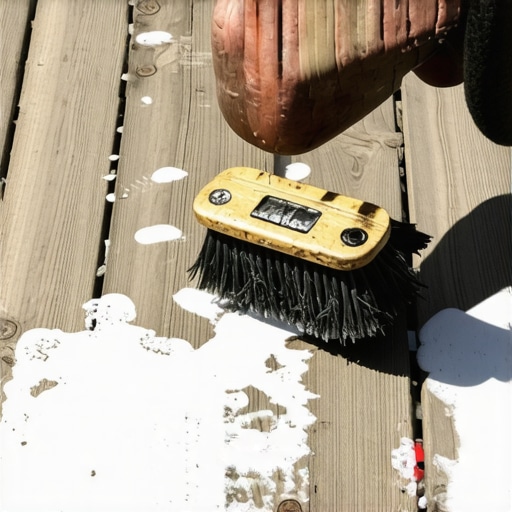
Scrub the treated areas vigorously with a stiff-bristle brush to loosen mold spores embedded deep into the wood. Think of it as exfoliating your skin—the more thorough, the better. Be careful around paint or sealant to avoid damage. Remember, applying too much pressure can gouge the boards, so work gently but firmly.
Rinse and Remove Residue
Use a garden hose or pressure washer set to a low setting—around 500-600 psi—to rinse off the cleaning solution and loosened spores. Hold the nozzle at a 45-degree angle and keep a safe distance to prevent gouging the wood. I learned this the hard way when I used too much pressure and created grooves; a gentle rinse restores brightness without harm.
Dry and Inspect
Allow the deck to dry completely, ideally with sunlight, which helps kill remaining spores. Use fans or a leaf blower to accelerate drying if necessary. Once dry, inspect the surface for any remaining mold patches. If spots persist, repeat the cleaning process or consider a brighter, more concentrated solution. Keep in mind, sealing the deck afterward can prevent future mold growth—check out this guide on sealing pressure-treated wood for long-term maintenance tips.
Prevent Future Mold Growth
Apply a mold-resistant sealant or stain formulated for outdoor wood surfaces. Regularly sweep and wash the deck to remove organic matter—leaves and dirt are food for mold. Improving ventilation and reducing shade where possible can also significantly slow mold development. Consider integrating some of the latest trends in eco-friendly composite decking, which resists mold naturally, if replacing the entire surface is an option.
 Many homeowners believe that choosing a local deck builder in Needham is simply about comparing prices or browsing online portfolios. However, there’s a nuanced aspect that often gets overlooked—expertise in material adaptation to local microclimates. While most assume the cheapest or most visually appealing option is best, true mastery lies in understanding how different wood types and finishes perform under Needham’s unique humidity and seasonal swings. For example, certain cedar varieties withstand moisture better, but only if installed with specific fastening techniques, which can prevent warping over time. Relying solely on generic advice 없이 experts who tailor their approach can lead to long-term durability issues. This is where many get caught in a trap — they select a builder based on price or aesthetic alone, neglecting the builder’s detailed knowledge about climate-specific maintenance intricacies. Such oversight can result in costly repairs or premature deck failure.
Moreover, a common myth is that all composite decking is maintenance-free. In reality, the anti-slip properties and fading resistance of higher-quality composites depend heavily on the application of advanced sealants and proper cleaning routines—skills that seasoned Needham deck builders excel at. They know which products work best, how to apply them, and when to do so for maximum lifespan. If you’re considering a deck upgrade, understanding this nuanced expertise can be a game-changer.
What about the advanced mistakes many homeowners make when hiring a deck contractor? A frequent error involves neglecting to verify if the builder adheres to local code requirements and permits. You might find a talented craftsman, but if they ignore these regulations, your project could face costly delays or inspections after completion. Studies show that over 30% of deck-related permits in Needham are delayed due to improper documentation or overlooked regulations, emphasizing the importance of choosing a contractor who’s well-versed in local codes.
Don’t fall into the trap of assuming all builders are equal in experience, especially when it comes to nuanced knowledge of the local environment and code compliance—a hallmark of trusted Needham deck builders. Their ability to blend craftsmanship with technical mastery ensures your outdoor space remains beautiful and safe for years.
If you want a deck that stands out not just visually but also in longevity, focus on this specialized expertise. I recommend checking reviews and asking potential contractors about their experience with climate-specific materials—and don’t forget to verify their licensing and insurance. Want to learn more about what sets top-tier Needham deck builders apart? Visit resources about pressure-treated wood maintenance and selecting the perfect outdoor furniture to complement your new deck. Have you ever fallen into this trap? Let me know in the comments.
Keep Your Deck in Top Shape with the Right Equipment
Maintaining a beautiful, durable deck requires more than just elbow grease—it hinges on using the right tools that provide efficiency and precision. Over the years, I’ve refined my toolkit to include specialized equipment that saves time and ensures long-term results. Investing in quality tools isn’t just about convenience; it’s about safeguarding your outdoor space against wear, weather, and age.
One of my essential items is a high-powered, adjustable pressure washer. For me, the Karcher K5 Premium strikes the perfect balance. Its variable pressure settings allow me to remove grime without risking damage to delicate surfaces like composite or cedar. Manual scrubbing can be effective, but for stubborn buildup, a good pressure washer makes all the difference, especially when prepping for sealing or refinishing.
Alongside this, I rely on a set of durable, stainless steel brushes with stiff bristles. Using the correct brush helps target embedded dirt, mold, or old stain residues—think of it as giving your deck a thorough exfoliation. While I prefer brushes with angled handles for comfort and leverage, the key is rigidity; softer brushes won’t cut through grime effectively.
For detailed inspections and ongoing monitoring, I utilize a digital moisture meter. This might sound fancy, but understanding moisture levels in your wood—especially cedar—can help prevent rot and warping. Regular checks using a meter can alert you to hidden issues before they escalate, saving money and preserving aesthetics. According to the experts at Needham’s local building standards, moisture management is crucial for long-term deck health.
Future Trends and how I Prepare
Looking ahead, I predict a rise in smart maintenance tools that integrate moisture sensors with app alerts—imagine getting a notification on your phone that your wood needs a sealant refresh or mold treatment. This integration could revolutionize how homeowners and professionals track deck health, making maintenance more proactive than reactive.
How do I maintain my equipment and tools for long-term use?
Proper maintenance extends the lifespan of my tools and keeps them performing reliably. After each use, I rinse pressure washers thoroughly to prevent mineral buildup, and I store brushes in a dry, ventilated space to avoid corrosion. Lubricating moving parts annually ensures smooth operation, especially for heavy-duty equipment like rotary brushes or sprayers. Regular calibration of moisture meters guarantees accurate readings, preventing false alarms or missed issues. By dedicating just a few minutes after each project, I keep my tools ready for the next challenge, ensuring consistent results throughout the year.
Getting the right tools and maintaining them properly is a game-changer. I highly recommend trying out high-quality pressure washers with variable settings and a set of stiff, ergonomically designed brushes. These investments make routine maintenance faster and more effective, ultimately extending the lifespan of your deck.
Interested in the latest in maintenance innovations? Stay tuned for upcoming guides on integrating smart sensors into your deck care routine. Meanwhile, why not start by assessing your current tools and replacing those worn-out brushes? It’s a simple step that will pay off when you tackle your next cleaning or sealing project with renewed confidence.
Lessons I Didn’t See Coming on Deck Defense
- One surprising lesson was realizing that not all mold treatments are created equal; what works in my neighbor’s yard might falter in Needham’s humid pockets. Building on that, I learned that patience and persistence with repeat treatments often outperform quick fixes—mold spores embed deep into wood fibers, and superficial cleaning only offers temporary relief.
- Another eye-opener was understanding that selecting materials with inherent mold resistance, like certain composite profiles, saves money and time in the long run. My mistake was relying solely on aesthetics and price, neglecting climate-specific features that seasoned Needham contractors know intimately.
- Finally, I discovered that regular inspections using a moisture meter prevent small issues from escalating into costly repairs. I wish I’d started monitoring moisture levels sooner rather than later, as this proactive step could have saved me from some of the more stubborn patches of mold that appeared over time.
Gear Up for Success with Trusted Tools and Resources
- Karcher K5 Premium Pressure Washer – I trust this for its adjustable pressure settings, essential for cleaning delicate composite decks without damage. Its versatility makes tackling buildup among crevices much easier.
- Stainless Steel Stiff-Bristle Brushes – These are my go-to for scrubbing embedded mold, giving me the force needed without hurting wood surfaces. Investing in ergonomic designs has made my work less exhausting and more effective.
- Digital Moisture Meter – Keeping tabs on moisture content helps me catch potential rot risks early. It’s a small device with a big impact, especially in humid Needham springs and summers.
Your Next Move Could Shape a Decade of Outdoor Enjoyment
Now that you’ve uncovered some of my personal secrets and proven strategies, it’s your turn to embrace a mold-free, durable deck that becomes the envy of your Needham neighborhood. The key is applying these insights patiently and proactively, transforming frustration into a satisfying mastery. Remember, a well-maintained deck isn’t just about aesthetic appeal; it’s about creating a safe, enjoyable space for memories to unfold for years to come.
Would you consider integrating moisture monitoring or professional sealing into your routine? Share your experience below, and let’s build better outdoor spaces together.
Reading through this detailed breakdown really resonated with me because I’ve faced stubborn mold patches in my shaded corners, and superficial treatments just didn’t cut it. I especially appreciate the emphasis on deep cleaning and the importance of gear—using a pressure washer with adjustable settings was a game changer for me. One thing I’ve found helpful is adding a sealant after cleaning to prevent mold from returning, especially in humid weather. Has anyone here tried eco-friendly sealants or DIY solutions for long-term mold prevention? I’d love to hear what has worked effectively for others as I look to make my deck more resilient without relying solely on harsh chemicals. Also, regular moisture checks seem like a smart way to catch problems early, but I wonder how often others schedule these inspections? Overall, this post offers some practical tips I plan to implement this season. Thanks for sharing such comprehensive advice—truly a useful resource for maintaining a safe and clean outdoor space.