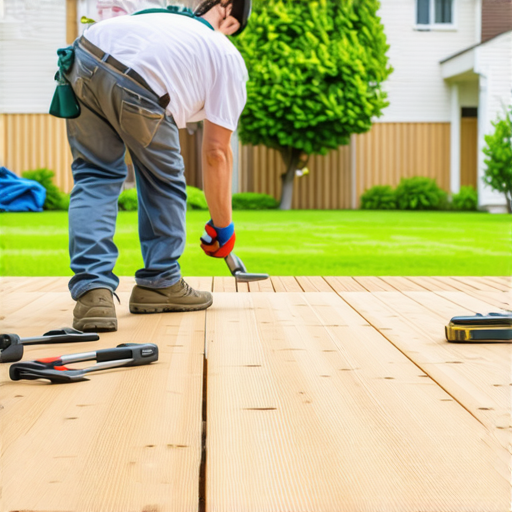

I remember the first time I opened a new can of deck stain and immediately wondered about its impact on the environment. It was a warm spring Saturday, and I was eager to refresh my backyard haven. But as I stood there, staring at the chemical-laden formula, a lightbulb moment struck me — what if I could find a way to beautify my deck without harming the earth? That thought stuck with me, especially as I learned about the new eco-friendly options emerging for 2026.
Embracing the Green Revolution in Deck Staining
Today, more than ever, deck staining isn’t just about aesthetics or protection; it’s about making consciously green choices. Thanks to advances in formulations, the best deck stains for 2026 now boast lower volatile organic compounds (VOCs), which significantly reduce air pollution and health risks. As someone who loves spending sunny weekends on my deck, I want products that keep my family safe and the environment happy. Let me share my journey towards discovering these innovations and how they’ve transformed my approach.
Is Eco-Friendly Deck Staining Just Hype?
I’ll admit, I was skeptical at first. I’d used standard stains for years, thinking all were created equal. My early mistake was neglecting to read labels thoroughly, which led to a few less-than-pleasant surprises — like staining my clothes with harsh chemicals or noticing the smell lingering for days. That was a wake-up call. Now, I always check for products that emphasize environmental benefits and health safety. Interestingly, research reveals that eco-friendly stains can perform just as well, if not better, in protecting wood against weathering and decay (source: EPA), dispelling many doubts I once harbored. If you’ve faced similar frustrations or doubts, you’re not alone; but I assure you, the landscape is shifting toward safer, greener options that don’t compromise quality.
So, how do these eco-friendly stains actually compare in everyday use? And what should you consider when choosing the right product for your project? That’s what we’ll explore next. Whether you’re planning a new deck or refreshing an existing one, understanding these advances will help you make smarter, more sustainable decisions. Ready to dive into the details? Let’s start with what makes the 2026 stains stand out and how they can benefit your home and the planet alike.
,
Start with Proper Surface Preparation
Before applying any stain, ensure your deck surface is clean and dry. Remove dirt, mold, and old finishes using a deck-specific cleaner or gentle power washing. I once rushed into staining my weathered pressure-treated deck without cleaning, which resulted in uneven absorption and dull appearance. Now, I always scrub thoroughly, akin to preparing a canvas for painting, to guarantee optimal adhesion and longevity.
Eliminate Old Finish and Repair Damages
Use a chemical stripper or sanding to remove previous stains, especially if peeling or cracking exists. After removing old layers, inspect for rot, loose boards, or wobbly railings. Fix these issues with quick repairs [like tightening loose balusters](https://deckbuildersneedham.com/quick-fixes-for-loose-deck-railings-and-wobbly-balusters) to prevent future problems. This step ensures an even surface and avoids trapping moisture under the new finish, extending its lifespan.
Select the Right Eco-Friendly Stain
Research and choose a low-VOC, water-based stain that emphasizes sustainability. Compare products based on durability, UV resistance, and finish type. I recommend visiting [Best Deck Stains for 2026](https://deckbuildersneedham.com/best-deck-refinishing-products-in-needham-for-2026) to find options suited for your climate. When I opted for a soy-based stain, it was easier to apply and had less odor, making the project more pleasant.
Consider Durability and Application Conditions
Apply the stain when weather conditions are favorable — typically dry, moderate temperatures, and low humidity. Avoid applying during peak sunlight hours to prevent quick drying or uneven absorption. I once attempted staining during a humid afternoon, leading to sticky patches; learning from that, I now schedule my projects early in the morning or over several days.
Apply Stain Correctly for Lasting Results
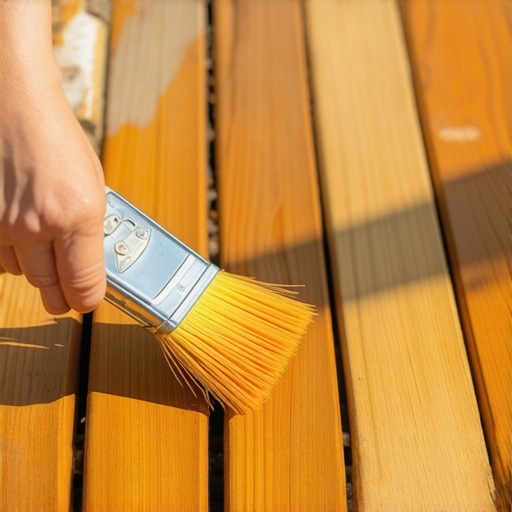
Use a brush, roller, or low-pressure sprayer to evenly coat the surface, following the product’s instructions. Thin coats are better — multiple light layers ensure better penetration and durability. I remember attempting a single thick coat, which caused drips and uneven color. Now, I prefer methodical, consistent strokes, like painting a wall, to achieve professional results.
Maintain and Reapply as Needed
Regular inspections and touch-ups extend your deck’s life. Clean the surface annually and reapply stain every 2-3 years, depending on wear and weather exposure. When I neglected this, my deck faded faster; now, I keep a maintenance schedule to preserve its beauty and eco-friendliness.
Stay Informed on Trends and Options
Follow updates on new environmentally friendly stains and techniques through trusted sources. For example, [eco-friendly composite decking trends](https://deckbuildersneedham.com/eco-friendly-composite-decking-trends-in-needham-2026) highlight innovations that might influence your choice. I recently learned about plant-based stains that offer superior protection without harming aquatic life, broadening my options for future projects.
 Many homeowners assume that hiring a Needham deck builder is simply about choosing the lowest quote or the quickest company, but this approach often overlooks crucial nuances that can affect the quality and longevity of your project. One common misconception is that all deck builders offer similar craftsmanship; in reality, experience with local climate conditions and familiarity with Needham’s specific building codes significantly impact the final result. For example, a contractor accustomed to high-salt environments might choose different fasteners and finishes, ensuring your deck withstands winter’s moisture and summer’s humidity. Neglecting these details can lead to premature decay or safety hazards, which is why careful vetting is essential. Another misconception revolves around materials—many think that initial cost savings justify selecting cheaper options, but lower-quality wood or coatings can cause frequent repairs and re-staining, eroding the initial savings over time. Instead, exploring **top-rated low-maintenance decking brands** can offer better resilience and require less upkeep, saving you money in the long run. Additionally, some homeowners underestimate the importance of airflow and proper foundation. Poor ventilation under your deck can trap moisture, leading to rot, a mistake easily avoided by working with professionals who understand **how to build for airflow in Needham’s climate**. As experts say, mastering these intricacies distinguishes a good builder from a great one. It’s also vital to avoid the trap of rushing into a project without proper permits and inspections, which can cause delays and legal issues later. Checking your local regulations or consulting with a **Needham deck contractor specialized with permits** ensures compliance and quality assurance. Overcoming these misconceptions requires a deeper understanding of what truly influences a deck’s durability, safety, and aesthetics. For a comprehensive guide, it’s worth reading about **how to choose a deck contractor that specializes in local weather and codes**. Remember, investing in a knowledgeable, experienced professional upfront can save significant costs and headaches later. Want to avoid common pitfalls and get the most out of your project? Reach out to local experts who understand the nuances of Needham’s environment and building standards. Have you ever fallen into this trap? Let me know in the comments.
Keeping your deck in top shape over the years requires more than just choosing quality materials and professional builders; it hinges on diligent maintenance and the right set of tools. As a Needham homeowner committed to retaining the beauty and safety of your outdoor space, I’ve come to rely on specific equipment and techniques that streamline this process. Let me share some insights into my preferred toolkit and maintenance practices to help you enjoy a durable, low-maintenance deck for many seasons.
Power Washers for Effective Cleaning
One of the most critical steps in long-term deck care is thorough cleaning. I swear by using a high-quality, adjustable-pressure power washer. I opt for models with a variable nozzle and a detergent intake option, such as the Kärcher K5 Premium. This tool allows me to remove dirt, mold, and old stains efficiently without damaging the wood. Remember, using too much pressure can gouge the surface, so I always start on a lower setting and test on a small area first. Regular cleaning—at least once a year—prevents the buildup of damaging substances and keeps the deck looking fresh.
Specialized Deck Brushes and Sealant Applicators
While power washers handle grime, applying sealants and stains require precision tools. I use a wide, soft-bristled brush designed specifically for decks to work in sealants and oils. The Corona Deck Brush with a long handle reaches the center of large surfaces comfortably. For more even application, I prefer a high-quality, 3/8-inch nap roller, like the Benjamin Moore Pro-Painter, which offers smooth coverage without streaks. Investing in these tools ensures the product penetrates evenly, extending the lifespan of your stain or sealant.
Smart Monitoring with Moisture Meters
To determine the best time for maintenance tasks like staining or sealing, I rely on a digital moisture meter such as the Tramex Simple Moisture Meter. Keeping the wood’s moisture content in check—preferably below 15%—prevents trapped moisture, which can cause rot or mold. Regularly measuring helps me plan reapplications proactively, avoiding unnecessary costs or premature decay.
Future Trends in Deck Maintenance Tools
Looking ahead, I predict that smart technology will increasingly integrate into deck upkeep. Wireless moisture sensors, connected via apps, could notify homeowners when their wood hits critical moisture levels, making maintenance even more targeted. Additionally, robotic pressure washers might become more affordable and user-friendly, automating the cleaning process. Embracing these innovations early can save time and effort, ensuring your deck remains pristine longer.
How do I keep my deck functioning well over time?
The key is consistent, preventive maintenance—regular cleaning, timely sealing, and monitoring moisture levels. By integrating advanced tools like a pressure washer with adjustable settings, precision applicators, and moisture meters, I can extend my deck’s life and reduce long-term costs. For instance, per expert advice, ensuring proper ventilation and drainage under your deck also plays a vital role in durability. If you haven’t tried a moisture meter yet, I highly recommend starting with the Tramex system. It’s simple, effective, and empowers you to combat issues before they escalate. Embrace these strategies, and your deck will thank you in return, staying safe and stunning for many years.
3 Lessons I Wish I’d Learned Sooner About Needham Decks
First, never underestimate the importance of thorough surface prep; skipping this step is a surefire way to face uneven staining or early wear. Second, choosing eco-friendly stains doesn’t mean sacrificing durability — in fact, many formulations for 2026 outperform their traditional counterparts in longevity and protection. Lastly, partnering with a Needham deck builder who understands local climate nuances can save you headaches and money in the long run. These insights came from my own projects and the bumps along the way that taught me what truly makes a deck last and shine.
My Go-To Tools and Resources for a Deck That Lasts
I trust high-quality power washers like the Kärcher K5 Premium for deep cleaning, ensuring no grime undermines the stain’s adhesion. For applying finishes, I rely on brushes like the Corona Deck Brush and rollers such as the Benjamin Moore Pro-Painter for smooth, even coats. To monitor moisture levels, the Tramex Simple Moisture Meter is indispensable, helping me plan reapplications before issues arise. If you’re interested in future-proofing your deck, keep an eye on smart moisture sensors and robotic washers — these innovations are making maintenance more accurate and less labor-intensive, just as I expect for 2026 and beyond.
Your Turn to Take Action Today
Now that you know the secrets behind a sustainable, long-lasting deck, why not start planning your next project with these insights in mind? Whether you’re considering eco-friendly stains, partnering with local experts, or investing in quality tools, every step counts toward creating an outdoor space that stands the test of time. Don’t wait for minor issues to turn into costly repairs; early maintenance and smart choices will pay off for years to come. Ready to make your deck the envy of Needham in 2026? Share your plans or experiences below — I’d love to hear what you’re working on or considering next.