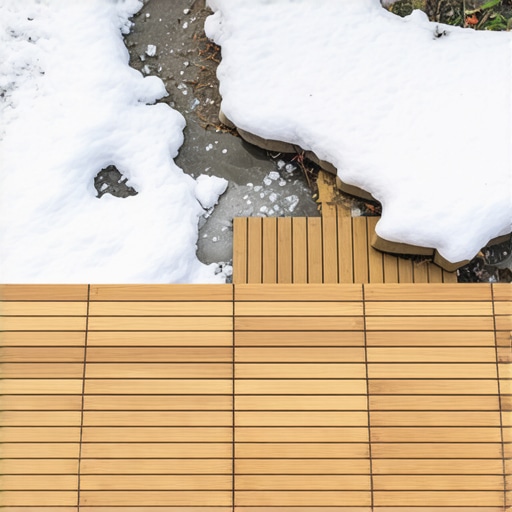
I’ll never forget the chilly morning I stepped onto my deck and noticed that telltale dampness seeping into the wood, accompanied by a faint, musty smell. It was that sinking realization—my deck was starting to rot, right before winter’s harshest months. At that moment, I understood the true cost of neglecting proper maintenance and the importance of acting before cold, damp weather does irreversible damage.
Why Your Needham Deck Is More Vulnerable Than Ever This Winter
Every year, I watch fellow homeowners overlook the warning signs, hoping the rot won’t catch up. But with the unpredictable winters we face, especially around Needham, MA, moisture can infiltrate even the sturdiest decks, leading to costly repairs or replacements. Rot not only weakens structural integrity but also diminishes the beauty and safety of your outdoor space. Did you know that according to the American Wood Protection Association, untreated wood exposed to winter conditions can deteriorate by up to 20% in just a single season? That’s a significant risk that shouldn’t be ignored.
Is Preventing Deck Rot Really Worth the Fuss?
When I first started researching, I made the mistake of dismissing simple maintenance routines as unnecessary. I thought I could just enjoy my deck for a few more years without proper care. Sadly, that led to a hefty repair bill and regrets. I learned the hard way—skipping inspections, ignoring drainage issues, or using the wrong protective treatments can make all the difference between a deck that survives winter and one that succumbs to rot.
Luckily, incorporating some straightforward tactics can help you shield your Needham deck during the cold months. Soon, we’ll explore the most effective ways to prevent rot and keep your outdoor haven in top shape. Want to ensure your investment stands firm for years to come? Let’s get started!
Inspect and Repair Before Winter Hits
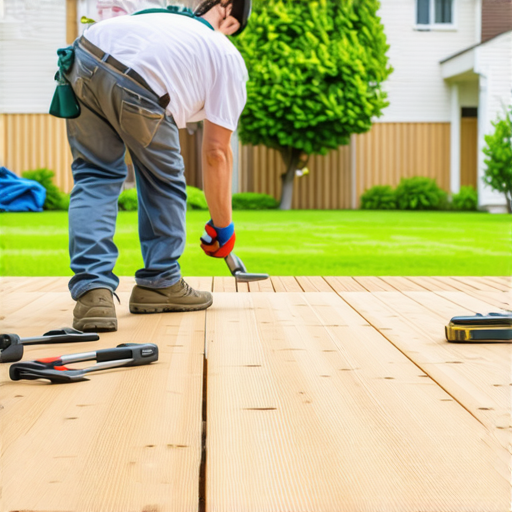
Start with a thorough visual inspection of your deck. Look for loose or splintered wood, visible rot, or damaged boards. I remember last year, I neglected this step and missed a small crack that worsened over the cold months. To avoid costly repairs, replace damaged boards immediately and tighten loose hardware. Regular inspections can catch issues early, preventing rot from taking hold.
Apply Protective Sealants and Stains
Sealing your deck creates a moisture barrier, critical during the wet and freezing months. Use high-quality, water-repellent sealants designed for exterior wood. When I resealed my deck, I made sure to do it on a dry, mild day—this ensured proper absorption. Reapply sealants annually, especially before winter, to maintain protection. For guidance, check out Needham deck safety guidelines.
Choose the Right Products for Cold-Weather Protection
Focus on products formulated for extreme conditions. For Needham winters, opt for sealants that withstand freezing and thawing cycles. Some sealants form a flexible coating that accommodates wood’s natural expansion without cracking. This flexibility is key—think of it like a rubber band versus brittle plastic. Proper product selection ensures longevity and durability.
Manage Moisture Accumulation Effectively
Drainage is crucial to prevent standing water, which accelerates rot. Clear debris from gutters and ensure that your deck’s slope directs water away from the structure. During installation, I added gravel under my deck’s support posts to improve drainage, vastly reducing moisture buildup. Incorporate drainage solutions such as rain covers or vapor barriers when possible. Proper moisture management acts like an umbrella for your deck against harsh weather.
Improve Ventilation to Keep Deck Dry
Good airflow reduces humidity and prevents mold and rot. I installed adjustable vents under my deck to encourage airflow—on cold, windy days, that extra venting kept the space dry. Consider trimming back overhanging branches or nearby foliage that trap moisture or block air circulation. Ventilation is a simple step that makes your deck less hospitable to rot-causing fungi.
Timing Your Maintenance for Maximum Impact
The best time to perform these actions is late fall, before winter’s peak. Scheduling a deck check-up and sealing before temperatures drop ensures your wood is fortified against the cold. Alternately, late spring is a good time to assess damage from winter wear and prepare for the upcoming season. To get the most value, plan around the best seasons for hiring deck contractors.
Using Composite Materials to Extend Deck Life
If you’re seeking a low-maintenance solution, consider switching to composite decking. These materials resist moisture and rot naturally, making winter concern less pressing. Check out top composite options for Needham. When I upgraded, I chose a Trex composite that holds up perfectly against our harsh climate, saving me from annual sealing and repairs.
Many homeowners assume that hiring a deck builder is a straightforward process—pick a contractor, sign a contract, and enjoy a beautiful new deck. However, this simplistic view overlooks several critical nuances that can dramatically impact the quality, durability, and safety of your outdoor space. One common myth is that all deck builders are equally experienced and reliable, but in reality, the difference often lies in the details of their expertise and approach.
For instance, some assume that sticking to standard materials suffices, but advanced homeowners understand that the choice of decking materials, such as the superior performance of premium composite options highlighted here, can double the lifespan of their decks against Needham’s harsh winters. Overlooking these nuances typically results in costly repairs or premature replacements, which most people only realize after the fact.
Are All Deck Builders Up-to-Date with Local Codes and Trends?
Another misconception is that contractors merely need to be skilled at construction; however, they must also be fluent in local safety codes, such as those outlined in Needham’s 2026 deck safety regulations. Falling behind on these can lead to legal issues or unsafe structures. Experienced builders stay ahead by integrating current trends like outdoor kitchens, which have become commonplace, as seen in latest trends.
What many overlook is the importance of properly evaluating a site’s unique challenges. For example, slopes require specialized construction techniques, detailed in this guide, ensuring stability and safety. Ignoring these advanced considerations often results in structural failure, especially under unexpected load conditions.
Furthermore, a subtle yet impactful point is understanding the seasonal windows for installation—timing can affect material performance and overall project success. Contractors aware of optimal schedules, discussed in local seasonal trends, can deliver results that last longer and cost less.
To avoid these pitfalls, homeowners should question every contractor’s commitment to staying current with local regulations, material innovations, and site-specific challenges. Don’t fall for the trap that all builders are equal—true expertise makes a notable difference. Have you ever fallen into this trap? Let me know in the comments, and stay tuned for more insights on building durable, beautiful decks in Needham!
Keep Your Deck Running Smoothly with the Right Tools
Maintaining a durable, attractive deck isn’t just about visual inspections and sealing; it requires employing the right tools that make the process efficient and effective. One of my favorite instruments is a digital moisture meter. I personally rely on models like the Protimeter Surveymaster because they provide precise readings of moisture content within the wood, allowing me to identify hidden rot risks before any visible signs appear. This proactive approach has saved me from costly repairs down the line.
Another essential tool is a power sander with variable-speed control. I prefer the Dewalt DWE6411 because its controllable speed helps me gently strip old sealants or smooth out rough wood surfaces without damaging the fibers. Regular sanding ensures your sealants adhere properly and prolong their effectiveness, especially before reapplication in late fall or early spring.
Why I Use Software to Track Maintenance Cycles
Beyond physical tools, embracing technology makes a significant difference. I personally utilize deck maintenance software that allows me to set reminders for sealing, inspections, and repairs. These apps log the last service date and notify me when it’s time to revisit each task, helping me stay organized and consistent—something vital for long-term deck health. As maintenance evolves, integrating digital tracking is swiftly becoming the standard among serious homeowners.
Planning for Longevity with Proper Methods
Adopting a systematic approach enhances the durability of your deck. For example, I schedule annual inspections before and after winter, using my moisture meter to verify the wood’s condition. I also perform minor repairs immediately—replacing warped boards or tightening loose fasteners—to prevent issues from escalating. This ‘little-and-often’ approach significantly extends the life of your outdoor space.
The future of deck maintenance leans heavily toward automation and smart technology. Imagine sensors embedded within your deck’s structure that monitor moisture and send alerts directly to your phone, as predicted by industry trends. Embracing these innovations now can save you time and money in the long run—so consider experimenting with compatible smart monitoring devices this season.
How Do I Maintain My Deck’s Integrity Over Time?
It’s crucial to develop a routine that combines physical tools, digital tracking, and timely interventions. Regularly using a moisture meter, scheduling professional inspections, and applying high-quality sealants are fundamental steps. I recommend resealing your deck at least once a year with products designed for extreme conditions, like those discussed here. For added resilience, consider switching to composite materials, which inherently require less maintenance and perform better amidst Needham’s winter challenges. Keep these practices in mind, and you’ll enjoy a stunning, safe outdoor space for years to come.
The Hard-Won Truth About Deck Durability in Needham
Over the years, I’ve realized that constructing a deck isn’t just about materials and design—it’s about understanding your unique environment and taking proactive steps that most overlook. One key lesson I learned is that every Needham winter teaches us something new about our decks. For example, I once ignored the subtle signs of drainage problems, only to find my deck suffering from unseen moisture buildup during spring. That experience cemented the importance of regular, in-depth inspections and quick repairs, revealing how minor issues can escalate without proper attention.
My Toolbox of Trusted Resources for Deck Success
Having trusted tools and references makes all the difference. A moisture meter like the Protimeter Surveymaster has been invaluable for detecting hidden rot risks, saving me from costly repairs. When it comes to choosing sealants, I rely on products formulated for extreme weather—like those detailed in best composite decking options—which withstand Needham’s harsh winters with ease. Additionally, I consult local building codes through resources like Needham’s deck safety regulations to ensure my projects are compliant and safe.
Fuel Your Confidence and Keep Moving Forward
The journey to a resilient, beautiful deck is ongoing, but every step I take fuels my confidence. Embracing smart technology, like moisture sensors integrated into the structure, is no longer just futuristic—it’s practical. By combining these innovations with diligent maintenance routines, we can enjoy our outdoor spaces worry-free. I encourage you to stay curious and proactive—your deck is more than just wood; it’s an investment in your home’s future. Ready to take your deck to the next level of durability? Start today by reviewing your maintenance plan, and don’t hesitate to explore the latest tools and materials that can make all the difference.
Reading about the importance of moisture management and timely sealing really resonated with me. Last year, I overlooked some minor cracks and didn’t seal my deck before winter, which led to noticeable rot and some costly repairs come spring. Since then, I’ve started using a moisture meter and maintaining a strict schedule for inspections and sealing, especially before winter hits. It’s incredible how much difference proper upkeep makes in prolonging the life of a deck. I also recently upgraded to composite decking, which has reduced my maintenance needs significantly, especially dealing with winter moisture. For those in Needham, I’d suggest investing in a good moisture meter and possibly consulting local experts on seasonal best practices. Have any of you experimented with smart tools or sensors to monitor moisture levels remotely? It seems like the next step in smart home and outdoor maintenance—would love to hear your thoughts or experiences with these innovations.