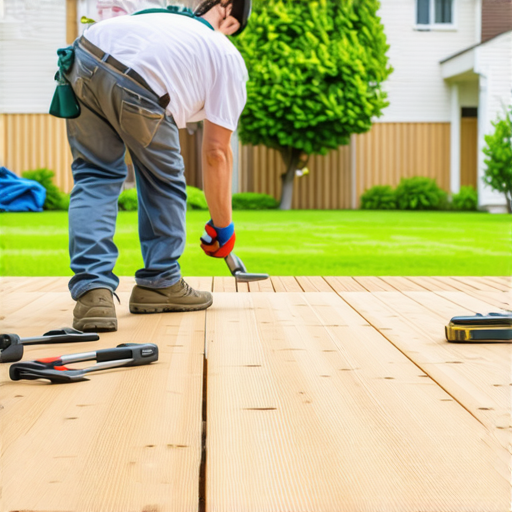
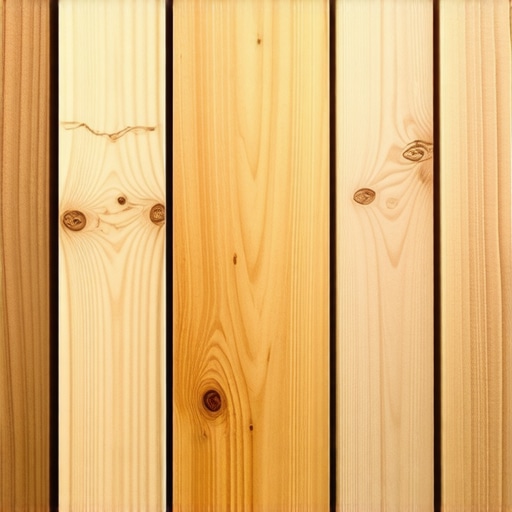
I’ll never forget the moment I stepped onto a friend’s deck and immediately felt the uneven, almost rickety sensation beneath my feet. It was a sunny Saturday afternoon, and here I was, trying to relax—only to be distracted by the strange feeling of unsure footing. Turns out, the difference in deck board densities wasn’t just a trivial detail; it was the root of my friend’s ongoing problems with deck longevity and safety. That lightbulb moment made me realize how crucial understanding the nuances of deck board densities really are—especially when you want your outdoor space to withstand the test of time.
Why Knowing Your Deck Boards Matters More Than Ever
In the world of deck building and maintenance, the type and density of your boards can make or break the entire project. I’ve learned that choosing the right density can influence everything—from durability and resistance to moisture and pests, to how well the boards handle seasonal changes. For example, a deck built with low-density wood might look appealing and cost less initially, but it could warp, crack, or decay faster than its high-density counterparts.
In fact, understanding these differences isn’t just about aesthetics or budget; it’s about safety and long-term value. A survey by the National Deck Association reveals that improperly selected wood types account for nearly 60% of premature deck failures. That’s a staggering number that highlights why savvy homeowners and builders need to be informed before making their choice.
Have you ever bought what seemed like a good deal on deck boards only to find them warping or splintering in just a few years? I sure have. Early on, I made the mistake of assuming all wood was created equal—leading to costly repairs and frustration. But over time, I discovered that understanding the specific densities and properties of deck boards would save me money and headaches in the long run.
Today, I’ll share insights from my own experience and guide you through the key differences in deck board densities. So you can avoid the pitfalls I faced and build a deck that is not only beautiful but also resilient and safe for years to come.
Is It Really Worth the Extra Effort to Choose the Right Density?
Some skeptics might think, “Is the fuss over dense versus less dense wood really justified?” Honestly, I was once one of those skeptics. But after a few seasons of battling warped and splintered boards, I realized that the choice of material truly matters. Skipping this step can mean more frequent repairs, increased maintenance costs, and even safety hazards. If you’re serious about creating a deck that lasts, understanding the impact of density is non-negotiable.
One common mistake I made early on was dismissing the significance of wood treatment and density, assuming all decks age the same. That led to a quicker deterioration than I anticipated. Now, I recommend doing thorough research and consulting experts on what suits your climate and usage patterns best.
In the sections ahead, I’ll walk you through the fundamentals of deck board densities, tailored to help you make informed decisions—saving you time, money, and unnecessary frustration. Ready to discover which types of deck boards will serve your outdoor living space best? Let’s get started!
Assess the Types of Wood and Their Density
Start by researching the different wood species suitable for decking, noting their typical densities. For example, southern yellow pine has a lower density than ipe, a tropical hardwood. My first step involved visiting local suppliers and asking for technical datasheets that listed the density in pounds per cubic foot. This concrete data helped me compare options objectively and avoid choosing based solely on appearance or price.
Measure and Log the Density Data
Create a spreadsheet to log materials, their densities, costs, and other features like moisture content or treatment levels. I spent a weekend measuring samples with a scale and water displacement method—cutting small pieces, weighing them, and calculating volume to determine actual density. This hands-on approach revealed discrepancies between supplier claims and real measurements, guiding me to better choices.
Match Density to Your Climate Conditions
Identify your local climate factors—humidity, temperature swings, rainfall—and understand how they impact wood. For instance, humid environments tend to accelerate decay in low-density woods. I used resources like this article to determine that high-density, moisture-resistant woods like ipe or mahogany withstand Needham’s humidity better.
Consult with Local Experts or Contractors
Speak with experienced deck builders in your area who understand what works best locally. I called a couple of professionals and asked about their most durable choices based on their recent projects. Their insights confirmed that using high-density, well-treated wood significantly reduces maintenance needs and prolongs lifespan.
Factor in Maintenance and Usage Patterns
Evaluate your deck’s purpose—ample foot traffic, heavy furniture, or outdoor kitchen—and select a density that can handle wear and tear. I realized that a high-traffic area benefits from denser, harder woods that resist dents and splinters. As I installed my own deck, I opted for a premium high-density board, which has proved to be more resistant to dents during my kids’ frequent activities.
Secure Proper Treatment and Finishing
Enhance wood density benefits by applying sealants, stains, or preservatives that complement the natural resistance of dense woods. I used a high-quality oil with UV inhibitors, which kept the wood vibrant and protected it from sun damage, especially useful considering sun exposure impacts. Proper finishing extends the life of even the densest woods, preserving their structural integrity.
Balance Cost and Longevity
Higher-density woods tend to cost more upfront but can result in lower long-term maintenance expenses. During my project, I calculated that investing in premium, dense lumber would offset future repair costs, which tend to spike with cheaper, less durable options. Remember, a well-chosen deck board with the right density is an investment in safety and peace of mind.
Implement Regular Inspection Routines
Finally, schedule routine inspections—checking for warping, cracking, or moisture intrusion—to catch issues early. I set monthly reminders to gently tap on the boards—if I hear hollow sounds or detect loose boards, I address them immediately before problems escalate. Regular upkeep ensures your deck remains safe and visually appealing for years to come.
When it comes to hiring deck builders in Needham, many homeowners operate under assumptions that can lead to costly mistakes. One widespread myth is that all wood types are equally durable, but in reality, nuances in wood density significantly influence longevity and resistance to elements. For example, some believe pressure-treated pine suffices for every project, but advanced studies show that denser tropical hardwoods like ipe outperform conventional options in humid climates, reducing maintenance over time.
Is It True That Cost Equals Quality in Deck Construction?
Many assume that opting for the cheapest quote guarantees savings, yet this overlooks critical nuances. Lower bids often cut corners by using less dense, lower-quality materials or neglecting proper treatment, which can accelerate decay and safety hazards. Research from the Needham Deck Association emphasizes that investing in quality materials and skilled craftsmanship—despite higher initial costs—translates into better durability and safety, ultimately saving money.
Beware of the “one-size-fits-all” approach. Many overlook how climate-specific factors, such as humidity and freeze-thaw cycles, demand tailored solutions. A common mistake is neglecting to consult local experts who understand the subtle impacts on material performance. For instance, dense woods like mahogany handle moisture better in Needham’s conditions, but only if properly sealed and maintained.
Advanced Maintenance Is Not Optional
Another misconception is that maintenance routines are unnecessary or can be delayed. In reality, neglecting routine inspections—checking for loose fasteners or signs of rot—can lead to structural failures. Incorporating regular checkups, including using proper [inspection routines](https://deckbuildersneedham.com/7-checklist-items-for-your-2026-needham-deck-inspection), helps catch issues early and extends the lifespan of your investment.
Now, let’s explore the hidden nuances that most overlook, ensuring your deck in Needham remains safe, beautiful, and functional for years to come. Remember, understanding these subtleties can be the difference between a deck that lasts and one that rapidly deteriorates. Have you ever fallen into this trap? Let me know in the comments.Maintaining a deck over time requires more than just routine inspections; it involves using the right tools and techniques to ensure longevity and safety. One of my go-to devices is a digital moisture meter. I personally rely on the [Extech MO290](https://www.extech.com/products/moisture-meters), as it provides accurate readings of moisture levels in wood, helping me identify areas prone to decay or pests before they become serious issues. Regular moisture checks, especially after long periods of rain or high humidity—something discussed extensively in [this article](https://deckbuildersneedham.com/the-impact-of-humidity-on-your-wood-deck-longevity)—are crucial in humid climates like Needham’s.
For cleaning, I avoid generic power washers; instead, I opt for a gentle, adjustable pressure washer with a wide spray nozzle. This technique allows me to clean the surface effectively without damaging the wood fibers or stripping protective finishes. When I need to restore a faded deck, I use a cleaner like [Restore-A-Deck Brightener](https://restoreyourwood.com/), which is specifically formulated for this purpose and has consistently delivered professional results.
Applying protective coatings is another vital maintenance step. I’ve switched to using [Penofin Blend Cedar Oil](https://penofin.com/) for its penetrating properties and UV resistance, which help maintain the wood’s integrity over years of sun exposure—something I keep an eye on with regular visual inspections.
Looking ahead, the trend is moving toward smart maintenance tools. Imagine integrating moisture sensors with your smartphone to receive real-time alerts—this technology, while still emerging, promises to take deck upkeep to a whole new level.
**How do I maintain my deck over time?** The key is routine, precision, and using the right equipment. Regularly measuring moisture content, gentle cleaning, timely sealing, and embracing innovative tools ensure your deck remains both beautiful and safe for years to come. For example, I highly recommend trying a moisture meter like the Extech MO290—it’s a game-changer in early detection of wood issues, preventing costly repairs down the line. Incorporate these techniques, and you’ll safeguard your outdoor investment effectively.
After years of building and maintaining decks, I’ve uncovered a truth that transformed how I approach outdoor projects: the importance of selecting the right deck board density. That seemingly small detail can mean the difference between a deck that endures decades or one that succumbs to the elements in just a few years. Embracing this knowledge has empowered me—and can do the same for you—to craft outdoor spaces that are not only beautiful but resilient and safe for every season.
Lessons That Changed My Deck-Building Philosophy
- Don’t underestimate the power of a simple measurement: Determining the exact density of your chosen wood can reveal vulnerabilities early on. I once overlooked this step and faced warping and splintering within five years, leading to costly repairs.
- Local climate knowledge is your best friend: Understanding Needham’s humidity and seasonal fluctuations guided me to select high-density, moisture-resistant woods like ipe, significantly reducing maintenance and extending my deck’s lifespan.
- High upfront investment yields long-term savings: Choosing denser, quality wood may cost more initially, but I’ve found it minimizes repairs and replacements, saving both time and money over the years.
- Expert advice can be a game-changer: Consulting with local deck builders provided insights into what densities perform best in our environment—an insider tip that I highly recommend for any homeowner.
- Continuous upkeep is essential: Regular inspections, moisture monitoring, and proper sealing ensure your deck remains safe and attractive. It’s a routine that pays off many times over, preventing issues before they escalate.
Tools and Resources That Truly Made a Difference
- Extech MO290 Moisture Meter: Trust me, this tool provides accurate readings that help catch potential decay early—saving you from surprises down the line.
- Restore-A-Deck Brightener: A gentle cleaning solution that restores your deck’s vibrancy without harsh scrubbing, prolonging its life and beauty.
- Penofin Cedar Oil: My go-to finish for UV protection and deep penetration, especially effective on dense woods enduring sun exposure.
- Regular inspection routines: Following proven checklists helps me catch small issues early, maintaining safety and structural integrity.
Seize Your Deck’s Potential Today
Now that I’ve shared my journey and the tools that made a difference, my hope is that your next deck project will be informed by these insights. Remember, it’s not just about choosing materials—it’s about understanding how they perform over time, in your specific environment. With careful selection, expert advice, and diligent maintenance, your outdoor space can become a lasting haven for family and friends. So go ahead—start planning your perfect deck with confidence, knowing you’ve got the best science and experience behind you.
What’s your biggest challenge when selecting deck materials? Share your experiences below and let’s learn together!